In a time of rising concerns regarding protection and safety, Monero can be seen as a leading cryptocurrency that prioritizes the privacy of its users and their anonymity. At the heart of this protection-minded ecosystem is the Monero wallet. It's a critical instrument that allows users to securely store, exchange, and even receive Monero coins while safeguarding their personal financial details from being scrutinized by. This article dives into the world of Monero wallets by examining their purpose, features of features, as well as their contribution to the overall principles of Monero.
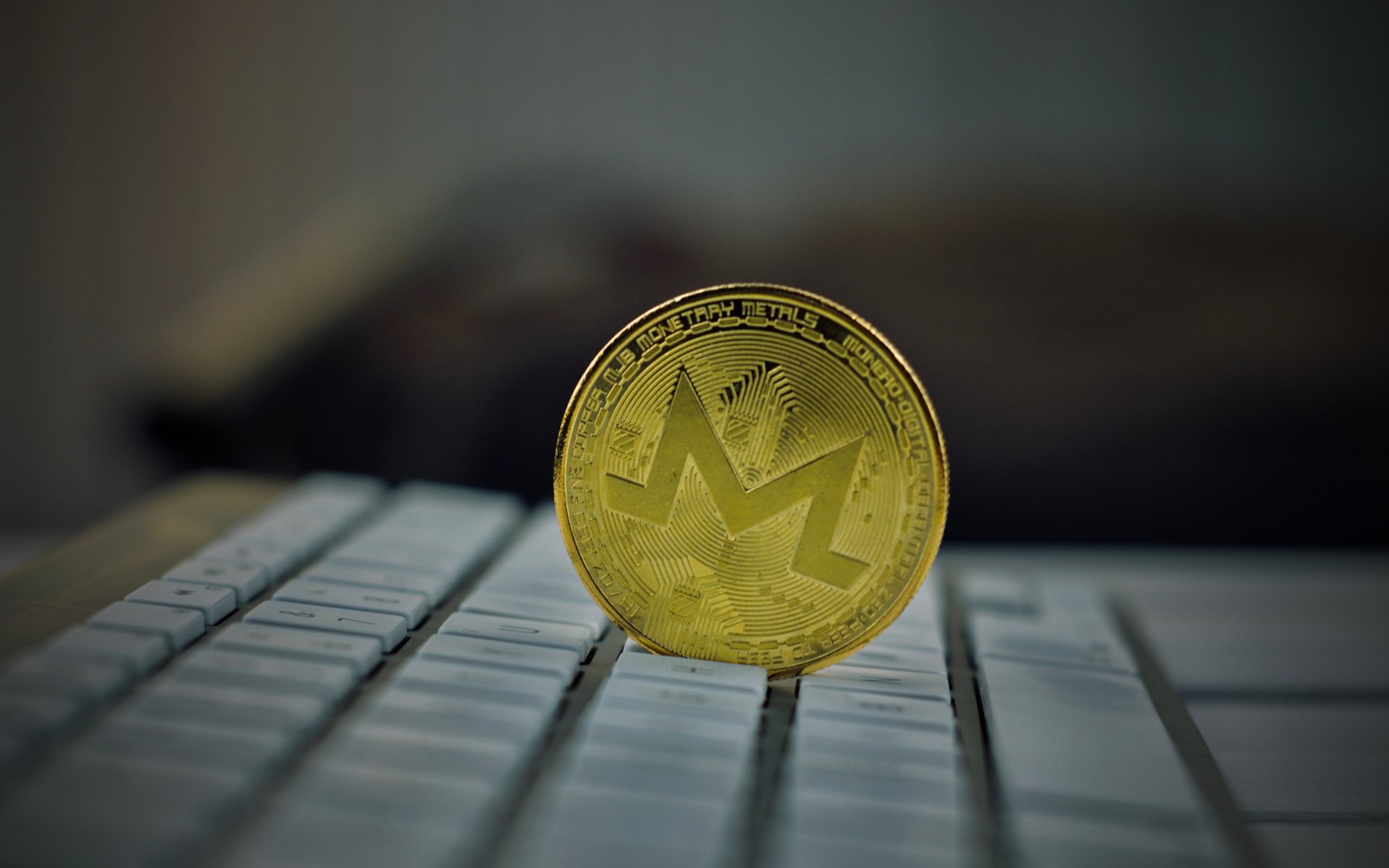
Monero is often described as being the "untraceable" cryptocurrency, was created in 2014 to overcome the privacy concerns of Bitcoin as well as other blockchain networks. Although Bitcoin transactions are pseudonymous in that they are logged on a public ledger, Monero adopts a distinct way of doing things. Monero's blockchain conceals transaction amounts, and sender and receiver addresses. The system also guarantees that all transactions are unlinked and untraceable. This high level of privacy makes Monero the preferred choice of those who are concerned about financial security.
Monero wallets are loaded with functions that are designed to guarantee not only the safety of transactions but also the protection of personal information. One of the top attributes is Ring Signatures, which blend the transaction of the individual with that of other users that make it almost impossible to identify the true source of the money. Additionally, Stealth Addresses are created for every transaction to conceal the receiver's identity. To ensure the untraceability of transaction amount amounts, Monero utilizes Confidential Transactions. These features collectively create an ecosystem where financial privacy is upheld without compromise.
Monero wallets are created with the user in mind and are geared towards both novices as well as seasoned crypto enthusiasts. The graphical interface used by monero's GUI wallet Monero GUI wallet is a good example. It resembles traditional online banking interfaces, that makes it simple for users to navigate the XMR transactions. It offers features that include integrated address book, transaction records, and even included mining feature that is available to users wanting to earn XMR from mining. This design is user-centric and promotes wider use of Monero and helps users manage their finances with ease. To gather additional details please check out www.xmrwallet.com/

Beyond privateness, security is an essential aspect to this Monero ecosystem. The wallet utilizes a mix of security features that ensures customers' money and information remain safe. Mnemonic seeds and safe password protection allows users to retrieve their wallets in the event that their device gets lost or is compromised. Furthermore, Monero's commitment to centralization is evident in its policy of preventing the usage of remote nodes that allow users to run their own servers and help contribute to the resilience of the network.
Web wallets that are accessible using internet browsers, can be useful for customers who want to be able to access their Monero holdings from various gadgets without having to download additional software. Due to their online nature they're inherently less secured than mobile or desktop wallets. MyMonero is a well-known web-based wallet that is popular among Monero users. It provides an intuitive interface as well as ease to manage XMR. It's crucial to exercise caution when using web wallets, since they could expose your private secrets to cybercriminals.


