|
|
|
|
|
|
|
| Topics >> by >> Fed Introduces New Cryptocurrency Fedcoin; Here's Why It's ... |
| Fed Introduces New Cryptocurrency Fedcoin; Here's Why It's ... Photos Topic maintained by (see all topics) |
||
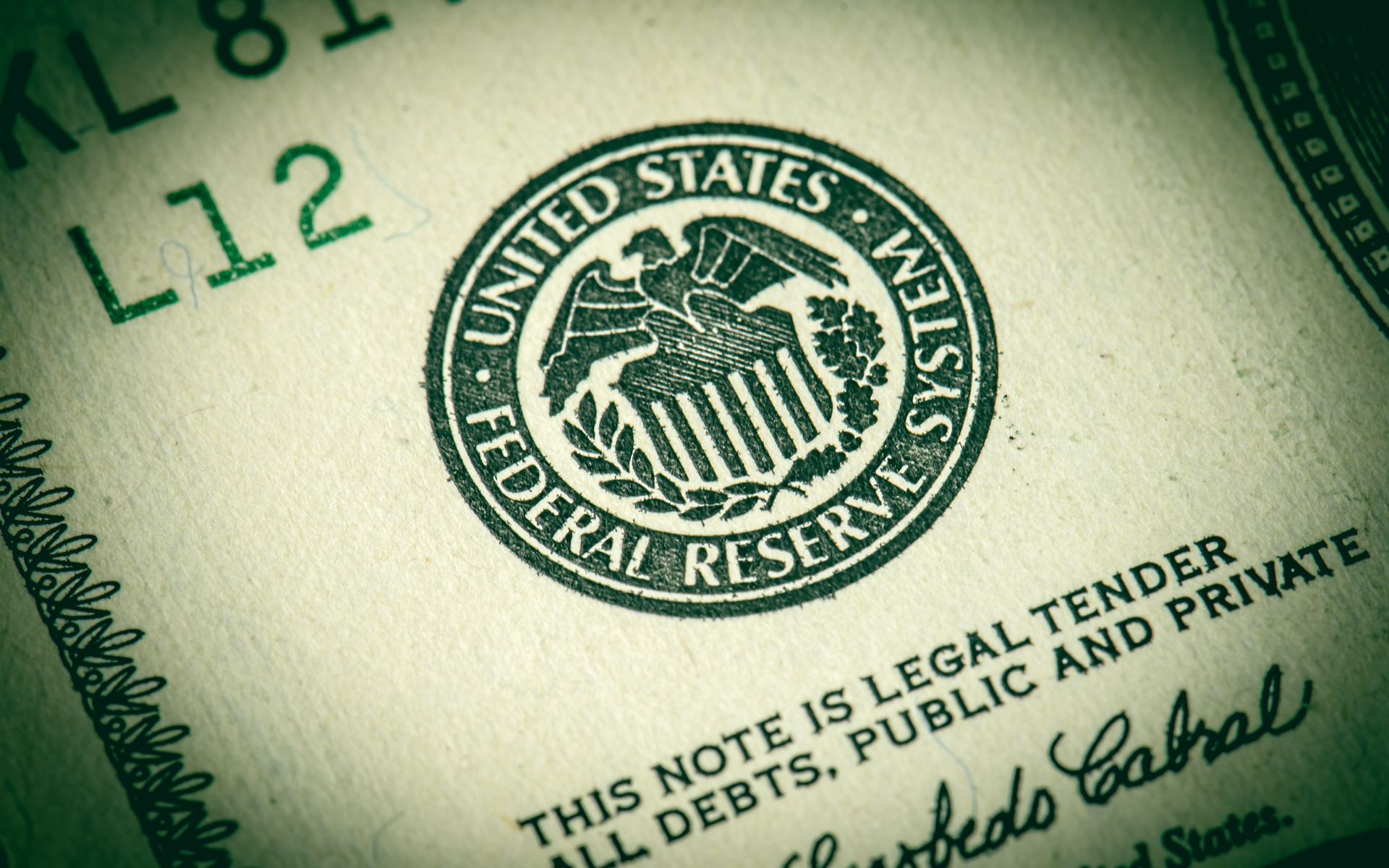
| PALO ALTO, Calif. (Reuters) - The Federal Reserve is taking a look at a broad variety of issues around digital payments and currencies, including policy, style and legal factors to consider around potentially providing its own digital currency, Guv Lael Brainard said on Wednesday. Brainard's remarks suggest more openness to the possibility of a Fed-issued digital coin than in the past." By changing payments, digitalization has the possible to deliver higher value and convenience at lower expense," Brainard stated at a conference on payments at the Stanford Graduate School of Organization. Main banks globally are disputing how to handle digital finance innovation and the dispersed ledger systems used by bitcoin, which promises near-instantaneous payment at potentially low cost. The Fed is establishing its own round-the-clock real-time payments and settlement service and is presently Find out more evaluating 200 remark letters submitted late last year about the proposed service's style and scope, Brainard stated. Less than two years ago Brainard told a conference in San Francisco that there is "no engaging showed requirement" for such a coin. However that was prior to the scope of Facebook's digital currency aspirations were commonly known. Fed officials, consisting of Brainard, have raised issues about consumer defenses and data and privacy dangers that might be positioned by a currency that could enter into use by the third of the world's population that have Facebook accounts. " We are teaming up with other reserve banks as we advance our understanding of main bank digital currencies," she said. With more nations checking out issuing their own digital currencies, Brainard said, that contributes to "a set of factors to likewise be making sure that we are that frontier of both research and policy development." In the United States, Brainard said, issues that require research study consist of whether a digital currency would make the payments system more secure or simpler, and whether it might posture financial stability dangers, including the possibility of bank runs if cash can be turned "with a single swipe" into the reserve bank's digital currency. To counter the monetary damage from America's unmatched national get more info lockdown, the Federal Reserve has taken unprecedented steps, including flooding the economy with dollars and investing straight in the economy. Many of these moves got grudging acceptance even from lots of Fed doubters, as they saw this stimulus as needed and something just the Fed could do. My new CEI report, "Government-Run Payment Systems Are Hazardous at Any Speed: The Case Versus Fedcoin and FedNow," details the risks of the Fed's existing plans for its FedNow real-time payment system, and propositions for main bank-issued cryptocurrency that have been dubbed Fedcoin or the "digital dollar." In my report, I talk about concerns about privacy, information security, currency adjustment, and crowding out private-sector competition and development. Advocates of FedNow and Fedcoin say the federal government must create a system for payments to deposit immediately, instead of motivate such systems in the private sector by raising regulative barriers. However as kept in mind in the paper, the economic sector is offering a seemingly limitless supply of payment technologies and digital currencies to solve the problemto the extent it is a problemof the time space in between when a payment is sent and when it is gotten in a bank account.
And the examples of private-sector innovation in this area are many. The Clearing House, a bank-held cooperative that has actually been routing interbank payments in different kinds for more than 150 years, has been clearing real-time payments since 2017. By the end of 2018 it was covering 50 percent of the deposit base in the U.S. |
||
|
||