Any work that alters the electricity supply to a residence is considered domestic electrical installation. The work requires approval from the local authority, and therefore an approved self-certified installer is required. It is the responsibility of the home owner to ensure that all work is done according to Building Regulations standards. There are two primary kinds of electrical installations in the domestic - those requiring full local authority approval, and those that require self-certification. In both cases an electrician who is licensed must be in charge of the installation.
The building regulations also apply to domestic electrical installations. Under this regulation, new domestic electrical installations must conform to certain standards. These regulations regulate the design, testing and information maintenance and design. Their aim is to reduce the risk of accidents and fires caused by unsafe home electrical installations. They also safeguard the lives of the people who live in these homes. It is essential to take note that only a certified electrician can conduct the inspection and provide the evidence necessary for the inspection.
There are many levels of experience for installers in the domestic market. Some have been in the business for decades while others have never been in the business. It is essential to review the training needed to ensure that the electrical installation is safe. For those who have no previous experience in the field, the Ipswich Skills Centre offers electrical safety training. The course consists of three levels and takes around 160 hours to complete. how long does a domestic electrical installation condition report last has the possibility for new entrants and experienced electricians alike.
It is important to consider the security requirements for electrical installations. Part P of the Building Regulations outlines the standards that new electrical installations for domestic use should meet. Failure to adhere to these guidelines could lead to criminal penalties, impacting the insurance of homes and the sale of a house. electrical installation condition report certificate were implemented in 2005, and continue to improve the quality of electrical installations. Since their implementation the public is safer from accidents and fire.
To work in the UK, a domestic electrician must also have the appropriate qualifications. Electrical contractors can be licensed even if they have not completed an electrical apprenticeship or an NVQ. They must meet the standards that are set by the Building Regulations, which are the foundation for the quality of electrical work. In general this is the primary factor to consider when selecting an electrician. To be able to register with the Ipswich Skills Centre, your electrician must meet these requirements.
Part P of the Building Regulations apply to electrical installations. There are criminal penalties and possibly no home insurance if you fail to comply. A certificate of a domestic electrician may be a factor in the sale of a house and may be required in certain circumstances. domestic installation wiring who is certified to adhere to the rules for working in the UK. There are many kinds of certificates available to select the most appropriate one for your domestic electrical installation.
A licensed electrician must follow the Building Regulations to avoid liability for any problems. A certified electrician will comply with these rules and will supply you with the appropriate documentation to make sure that your home is in compliance with the standards. The quality of work of electricians is dependent on the building regulations. Although a licensed electrician should be able to abide by the rules, it is important to remember that safety is the most important aspect.
The most prestigious level of qualification in the field of domestic electrical installation is the qualified supervisor qualification which is in line with the requirements for the Competent Person Scheme. Although the qualified supervisor qualification is a solid foundation for a licensed electrician but a licensed electrician is also required to have it. This is the case with supervisors who are certified. A skilled worker must follow certain requirements. The fundamental requirements have to be met, and electrical installations in the home must be done in a safe way that meets the standards of the scheme provider.
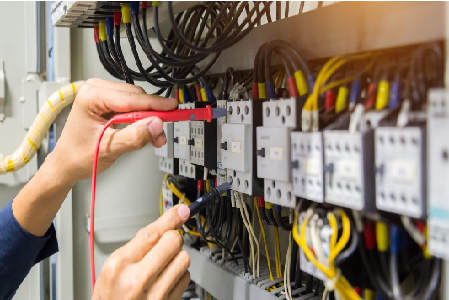
Part P of the Building Regulations is important in domestic electrical installation. Failure to adhere to the regulations could be criminal. It could also affect your ability to sell your house. This regulation is designed to improve the quality of electrical work and to save lives. Many electricians are now more aware of the importance and safety of electrical security in their homes, since the regulations were put in place. This is why a certification can be so important.
|


