


|
|
|
|
|
|
|
| Luna Acevedo | profile | guestbook | all galleries | recent | tree view | thumbnails |
Lately, the interest with the underbelly of the internet has expanded substantially, pulling in interested people from diverse backgrounds. The allure of being anonymous and the extensive selection of possibilities available on darknet markets have created a unique online environment that lures many. From searching for rare goods to traveling through the intricacies of cryptocurrencies like Litecoin, the path through this covert web has become an intriguing topic of exploration and examination.
As we explore the domain of shadowy marketplaces, we will investigate their development, the varieties of products and offerings available, and the difficulties they face as tech advancements and law enforcement progress. The idea of a black market has changed over the decades, especially as we anticipate the future with perspectives into what we might expect by the approaching year of 2027. By grasping the mechanics of these darknet marketplaces, we can gain a clearer understanding of their influence on society and the ongoing search for understanding amidst the darkness of the web.
Darknet markets refer to virtual spaces that facilitate the transaction of products and services that are often unlawful or prohibited. Accessible primarily through the Tor system, these markets work without revealing identities, allowing users to maintain privacy while engaging in purchases. The variety of available offerings on darknet markets includes narcotics, fake products, hacked data, and even prohibited services, catering to a broad spectrum of clients seeking products that are challenging or hard to acquire through regular means.
The operation of darknet markets typically involves sellers listing their goods along with feedback and assessments, which help in establishing confidence among clients. Transactions usually use cryptocurrencies like Ethereum due to their pseudonymous nature, providing individuals with an additional layer of safety. This environment nurtures a distinctive economy where trust is established through credibility and customer reviews rather than traditional regulations.
As limitations and law enforcement efforts increase, darknet markets constantly evolve. New services emerge to replace those that are dismantled, with patterns indicating that progress in digital innovation will shape the environment of these markets considerably over the next few years. Users are always on the search for reliable darknet market directories and dark market links to navigate this hidden market safely while looking for the most suitable alternatives for their requirements.
The dark web has become a center for numerous marketplaces, each supplying a unique array of goods and services. Among the leading darknet markets, platforms like Silk Road have gained recognition for enabling illegal trades, ranging from drugs to fake items. These platforms often operate under high security measures, utilizing cryptocurrencies like Monero to ensure confidentiality for both buyers and sellers. As the dark web landscape evolves, new markets keep to emerge, with some even asserting to have improved safety features and user experiences relative to their predecessors.
In the year 2027, we can expect a transformation in the dynamics of dark markets as technology advances. https://darknetmarketnexus.com in cybersecurity and the rise of decentralized marketplaces may lead to an surge in strength against law enforcement crackdowns. Users are likely to look for dark market links that promise a less risky trading space, pushing developers to develop more user-friendly interfaces that satisfy these demands. The changing landscape also indicates that existing markets may need to evolve rapidly or risk being outpaced by more recent competitors that can better engage their audience.
Moreover, dark web drug markets remain a central focus for many seeking restricted substances online. The privacy provided by the dark web permits users to access a vast array of products, ranging from legal psychoactives to common narcotics. As society's understanding of drug consumption changes, darknet markets are likely to adjust, offering not only traditional drugs but also new psychoactive substances. This change will drive further changes in consumer behavior as they explore the boundaries of legality and security in their buying choices on the darknet.
Engaging in deals on dark web platforms can subject users to a range of dangers, mainly due to the concealment and security that the dark web supports. While this environment can offer some level of privacy, it also attracts malicious actors. Users may face frauds, such as fake listings, substandard products, or sellers who vanish after receiving payment. As a result, it is essential for individuals to exercise caution and do thorough research before making any buying.
In addition to the risk of fraud, there are also law-related consequences to take into account. Many goods and services available on the darknet, including drugs and counterfeit items, are illegal in most jurisdictions. Engaging in these deals can lead to severe lawful penalties, including detention, fines, or imprisonment. The concealment provided by cryptocurrencies like bitcoin does not ensure immunity from law enforcement, as agencies are more and more using sophisticated technologies to track transactions and recognize users.
To mitigate these risks, users should adopt best practices when navigating darknet marketplaces. Utilizing a safe and confidential internet connection, employing strong cybersecurity measures, and relying on reputable dark web markets from established sources can enhance safety. Understanding the function of escrow services and referencing user feedback can further protect against scams. However, users must always recognize that participating in any dark web deal carries intrinsic dangers that should not be ignored.
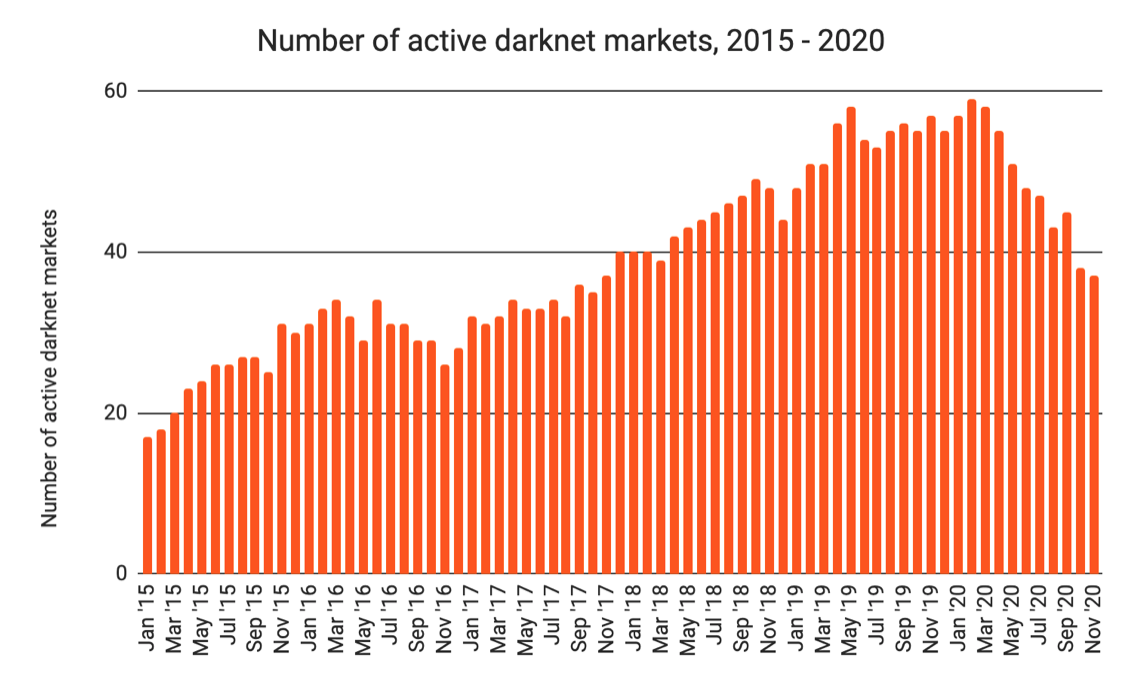
As we look towards 2027, dark markets are expected to evolve considerably, adapting to the latest technologies and heightened regulatory scrutiny. With the ongoing development of distributed ledger technologies and peer-to-peer networks, new darknet markets may come forth that prioritize user privacy and security. Potential trends include the rise of decentralized marketplaces powered by self-executing contracts, which could offer superior protection against law enforcement interventions and fraud.
Furthermore, the fast-paced development of secure payment systems, such as digital currencies beyond Bitcoin, will likely influence the landscape of dark markets. As users look for faster and more discreet transactions, alternative cryptocurrencies may achieve traction, altering the way transactions are conducted on darknet platforms. The integration of cutting-edge privacy coins could provide users with improved anonymity, ensuring that their activities stay hidden from external monitoring.
Despite developments, increased government efforts to combat illegal activities on dark markets are anticipated. Law enforcement agencies worldwide are becoming more sophisticated in their methods, including the use of machine learning and data analytics to follow and terminate illegal operations. This cat-and-mouse between dark market operators and law enforcement may lead to a fragmented market in 2027, where only the most protected and adaptable platforms survive.