


|
|
|
|
|
|
|
| Gilliam Ellis | profile | guestbook | all galleries | recent | tree view | thumbnails |
Low-E glass, or Low-Emissivity glass, reflects infrared warmth while permitting natural light to enter your home. This technology lessens warmth transfer, maintains indoor temperatures, and decreases power costs. It additionally obstructs harmful UV rays, shielding your furnishings and enhancing convenience. Contrasted to conventional glass, Low-E options use superior insulation and sustainability advantages. Understanding its kinds and setup can make best use of efficiency and durability in your windows, causing considerable long-term cost savings and enhanced living problems.
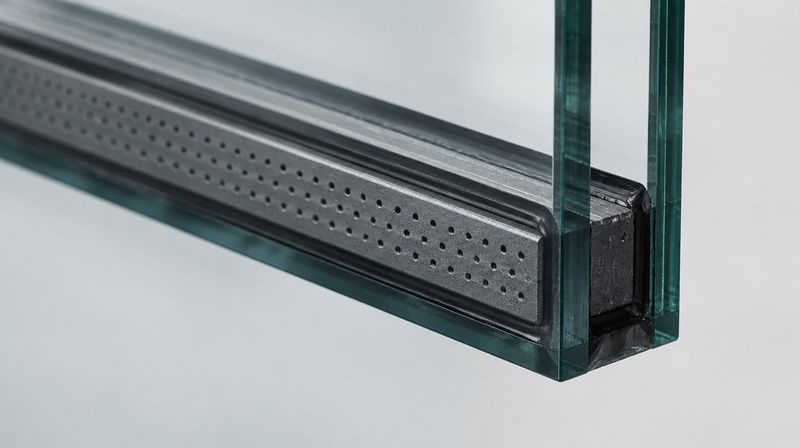
Low-E glass, or low-emissivity glass, is crafted to decrease convected heat transfer, making it an essential part in energy-efficient home windows. Historically, its applications have actually ranged from residential buildings to industrial structures, reflecting a growing recognition of power conservation. You ll find that low-E layers enhance thermal efficiency while permitting all-natural light to penetrate, which is important for sustainability. Aesthetic factors to consider additionally play a function; these finishes can be virtually invisible, preserving the visual integrity of your windows. By mirroring heat back inside your home throughout winter and blocking it in summer season, you maximize comfort and decrease power expenses. Comprehending these aspects helps you appreciate the twin advantage of functionality and elegance in building design.
Low-emissivity (Low-E) finishes significantly boost glass efficiency by mirroring infrared power while allowing noticeable light to go through. You ll discover that these coatings lower energy loss, leading to improved thermal effectiveness in structures. Understanding just how Low-E jobs and its advantages can help you make educated choices for energy-efficient layouts.
While lots of traditional glass types permit significant heat transfer, low-emissivity finishings noticeably boost energy performance by showing infrared radiation. These coverings, typically used throughout glass manufacturing, contain microscopically thin layers of metal oxides. By lessening warm loss in wintertime and minimizing heat gain in summer, they efficiently stabilize indoor temperatures. This technology not just boosts power performance however likewise keeps window looks, guaranteeing that homes look appealing without giving up performance. The low-E layer enables visible light to pass with, preserving all-natural illumination while blocking hazardous UV rays. Comprehending just how this innovation works aids you appreciate its duty in contemporary style and sustainable building methods, making it a critical part for energy-conscious design.
Exactly how can Low-E coatings profoundly impact power effectiveness in your home? These specialized layers reflect infrared light, minimizing warmth transfer while allowing visible light to pass through. Regarding home window design, Low-E glass provides an equilibrium between all-natural illumination and thermal insulation. This innovation boosts glass production processes, guaranteeing top quality, energy-efficient items. By reducing dependence on heating and cooling systems, Low-E windows can decrease your power expenses and improve indoor convenience. Additionally, they assist safeguard home furnishings from UV damages, expanding their lifespan. As a result, picking Low-E glass is not simply a visual decision; it's a tactical investment in energy efficiency and sustainability for your living room.
Low-E glass markedly boosts energy efficiency in your house by decreasing warmth transfer, which can lower your power costs. Additionally, it provides UV defense, safeguarding your home furnishings and interiors from harmful sun direct exposure. By selecting Low-E glass, you re investing in both comfort and lasting durability.
Why choose regular windows when Low-E glass can considerably improve your home s energy efficiency!.?.!? By including Low-E glass right into your window layout, you lessen heat transfer, maintaining your home cooler in summertime and warmer in winter season. This energy-efficient remedy significantly lowers reliance on heating and cooling systems, causing reduced energy expenses. Furthermore, the glass sturdiness of Low-E items guarantees they keep performance over time, withstanding scrapes and deterioration. With Low-E glass, you re not simply purchasing windows; you re buying long-term financial savings and comfort. This modern technology allows you to enjoy natural light while optimizing power usage, making it a clever selection for any type of house owner aiming to enhance their home s performance and sustainability.
When thinking about home window choices, UV defense is another considerable advantage of Low-E glass. This kind of glass features a customized layer that efficiently improves UV obstructing capabilities. By straining up to 99% of unsafe ultraviolet rays, Low-E glass offers crucial solar defense for your insides. This indicates your furniture, flooring, and art work are less likely to discolor or break down over time, protecting their aesthetic top quality and life expectancy. In addition, Low-E glass can assist maintain a more comfortable indoor setting by reducing glare, which can be specifically helpful in sun-drenched spaces. Purchasing Low-E glass not just improves your home's energy efficiency yet also safeguards your personal belongings from UV damage, making it a wise choice for home owners. https://replacementsealedunits.co.uk/replacement-double-glazing-glass.html
While several home owners might not understand it, the distinctions in between Low-E glass and traditional glass significantly influence power effectiveness and convenience. Historically, typical glass used very little insulation, resulting in higher energy costs. On the other hand, Low-E glass, developed in response to increasing power performance needs, mirrors infrared light while permitting visible light to pass. This development lines up with present market trends prioritizing sustainable building products. As you contrast both, think about that traditional glass can allow extreme heat during summer season and lose heat in winter season, while Low-E glass preserves an extra stable indoor climate. Ultimately, investing in Low-E glass not just boosts convenience but additionally straightens with energy-efficient techniques, reflecting more comprehensive changes in customer choices towards sustainability.
Low-E glass significantly enhances indoor comfort by regulating temperature and decreasing UV direct exposure. Its finishes mirror heat back right into the room throughout winter season while blocking unwanted solar gain in summer. This double activity not only keeps a steady indoor climate but also shields furnishings from hazardous UV damages.
How can Low-E glass boost your indoor comfort? Low-E glass includes a special finishing that mirrors infrared light, significantly improving temperature policy in your space. This indicates your home stays warmer in wintertime and cooler in summer season, decreasing reliance on home heating and cooling systems. By integrating solar control properties, Low-E glass lessens warmth gain from sunlight, effectively managing indoor temperature levels. Unlike conventional home window tinting, which may block visible light, Low-E glass permits all-natural light while lowering glow and heat. You'll notice a much more regular interior climate, improving total convenience. This innovation not only boosts your living experience however also adds to energy performance, reducing utility expenses and making your home much more lasting.
In addition to enhancing temperature level policy, Low-E glass provides significant UV security, which is necessary for keeping indoor convenience. This specific glass properly blocks unsafe ultraviolet rays, ensuring a much healthier living setting. Here are essential benefits of Low-E glass pertaining to UV security:
One of the vital advantages of Low-E glass is its capacity to notably enhance power effectiveness in buildings. By reflecting infrared radiation, Low-E glass lessens warmth transfer, maintaining your interior warmer in winter and cooler in summertime. This thermal insulation reduces the reliance on home heating and cooling systems, causing lower power expenses. Additionally, Low-E glass frequently includes home window tinting to improve solar control, significantly minimizing glow and UV exposure while maintaining natural light. This balance ensures you take pleasure in convenience without compromising exposure. By using Low-E glass, you're not simply purchasing a product; you're choosing a lasting solution that optimizes energy intake in your room, eventually adding to a reduced carbon footprint.
While picking Low-E glass for your task, comprehending the various types available is crucial, as each offers distinct objectives and supplies distinct advantages. Here are 3 key kinds:
Tough Coat Low-E Glass: This kind shows infrared light while enabling noticeable light to pass, best for cooler environments. Its production procedures involve using a metal oxide layer throughout manufacturing.
Soft Coat Low-E Glass: With a more sophisticated finish, it provides premium insulation and is perfect for warmer environments. The design aesthetics are often enhanced due to its quality.
Low-E Glass with ** Argon Gas ****: This variant incorporates argon gas between panes, improving ** thermal efficiency and reducing power prices. Recognizing these options guarantees you select the finest suitable for your demands.
Selecting the appropriate sort of Low-E glass for your home can exceptionally affect your energy performance and comfort. When selecting Low-E glass, consider your climate and the alignment of your windows. For warmer regions, a glass with a lower solar warm gain coefficient (SHGC) is optimal, lowering heat entry. Conversely, in cooler climates, you might take advantage of a greater SHGC to preserve heat. Don t neglect glass longevity; look for options that hold up against weather condition extremes and resist scrapes, boosting long life. Additionally, believe about your home window treatments; certain Low-E finishings can affect just how they perform, impacting glare and warm administration. Assessing these variables ensures you select the most appropriate Low-E glass for your home s requires.
Low-E glass can considerably minimize your power expenses, often bring about savings of up to 30% on cooling and heating bills. This effectiveness originates from its one-of-a-kind residential properties, which boost both glass durability and visual charm. Here's just how Low-E glass impacts your power costs:
When taking into consideration the power savings offered by Low-E glass, it is very important to pay attention to installment factors that can impact performance. Setup challenges, such as guaranteeing correct securing and placement, can jeopardize the performance of Low-E finishings. You ll wish to confirm that the structure and structure sustain the details sort of Low-E glass being made use of. Vendor choice is likewise essential; choose a manufacturer with tried and tested experience in Low-E products. They ought to offer detailed installment guidelines and assistance to avoid typical challenges. https://replacementsealedunits.co.uk/blown-double-glazing-units.html Appropriate setup not only makes the most of energy efficiency however likewise expands the lifespan of the glass. By focusing on these factors to consider, you can ensure that your financial investment in Low-E glass yields optimal advantages.
Many misunderstandings border Low-E glass that can prevent its adoption and excellent use. https://replacementsealedunits.co.uk Recognizing the facts can aid you make notified decisions. Here are 3 typical misconceptions disproved:
Myth: Low-E glass is too costly.
Fact: While initial costs may be greater, power cost savings over time typically outweigh the in advance financial investment.
Misconception: Low-E glass makes homes too dark.
Reality: Low-E coatings selectively filter light without giving up illumination, maintaining a positive interior setting.
Misconception: Low-E glass isn t resilient.
Truth: Low-E glass is crafted to hold up against the aspects, making sure long life and performance.
Exactly how can Low-E glass add to a much more lasting future? By improving energy efficiency, it decreases home heating and cooling demands in structures. This effectiveness lowers greenhouse gas discharges, making a significant influence on climate change. In addition, several makers are embracing lasting practices in their manufacturing processes, using much less power and water, and decreasing waste. Low-E glass can likewise be component of reusing efforts, as it s commonly recyclable at the end of its life cycle. This not just saves sources however additionally lowers land fill contributions. By choosing Low-E glass, you're not simply boosting your building's energy efficiency; you're also sustaining broader ecological objectives, adding to a greener earth.
As developments remain to improve the building sector, Low-E glass modern technology is at the leading edge of enhancing energy performance and sustainability. Current developments concentrate on incorporating smart windows and enhancing finishing durability, which can especially influence energy efficiency.
Yes, low-E glass can be utilized in all climates as a result of its climate flexibility. In chillier areas, it keeps warmth, enhancing energy efficiency, while in warmer environments, it reflects solar heat, keeping insides cool down. This adaptability assists you optimize power consumption despite your environment. By picking low-E glass, you assure that your structure performs efficiently year-round, reducing energy prices and boosting convenience in any environment condition you deal with.
Low-E glass can significantly boost natural lighting indoors while boosting power efficiency. In reality, researches reveal that it can minimize glare by approximately 50%, making areas more comfortable. This specialized layer mirrors infrared light, keeping heat inside during winter without sacrificing daylight. You ll notice brighter rooms with less rough sunlight, permitting you to appreciate the benefits of all-natural light without the pain of glow, inevitably developing a more inviting indoor atmosphere. https://replacementsealedunits.co.uk/cheap-sealed-unit-replacement.html
Yes, low-E glass is typically much more pricey than regular glass. Nonetheless, when you carry out a cost contrast over time, the energy financial savings from lowered heating & cooling expenses can offset the initial financial investment. By decreasing warm transfer, low-E glass enhances power efficiency, causing reduced energy bills. Inevitably, while the ahead of time price is greater, the long-lasting savings commonly validate the expense, making it a worthwhile consideration for energy-conscious customers.
Yes, low-E glass can be repaired if damaged, though it s similar to mending a fragile tapestry. Glass resilience is essential; small scratches could be polished out, while extra considerable cracks usually call for substitute. Repair methods differ, however they normally concentrate on preserving the insulating properties. Constantly consult a professional to assure the stability of the low-E finishing continues to be intact, as improper repair could jeopardize its energy performance advantages.
Low-E finishes can last 10 to two decades, relying on factors like exposure and upkeep. These coverings supply UV defense, significantly reducing dangerous rays entering your space, while enhancing power performance by showing warm. Proper treatment can extend their lifespan, so ensure you clean the glass gently and avoid rough materials. Routine inspections can help you identify any kind of issues early, taking full advantage of the benefits of your Low-E glass financial investment.
Integrating low-E glass right into your home is a smart step that can repay handsomely in time. By minimizing energy costs and improving convenience, it s a win-win scenario. Plus, with its environmental benefits, you're not simply boosting your space; you're additionally making a positive effect. So, when it concerns power efficiency, low-E glass isn't just a nice-to-have it's the topping on the cake for any property owner aiming to remain in advance of the contour.