


|
|
|
|
|
|
|
| Blankenship Thornton | profile | guestbook | all galleries | recent | tree view | thumbnails |
Your freshly installed shower might leak as a result of incorrect setup, such as misaligned pipes or gaps in the connections. Malfunctioning pipes components, like used seals or inadequately fitted installations, can likewise permit water to get away. Additionally, poor securing and high water pressure can stress the system, bring about leaks. If you're seeing signs of water pooling or leaking, it is important to address these problems promptly. Understanding these causes can assist you discover effective solutions moving ahead. https://hollowaybathroomfitters.co.uk/bath-to-shower-conversion.html
If your brand-new shower is dripping, it can be both frustrating and puzzling. One usual cause could be incorrect installation of the showerhead or faucet. Make certain all connections are tightened and sealers are applied appropriately. An additional concern might come from harmed or inadequately fitted ceramic tiles, which can compromise water containment. If you're considering soundproofing upgrades, be conscious that added materials may affect the fit of plumbing components. Inspect for any kind of gaps or misalignments. Lastly, aesthetic finishes can occasionally mask underlying problems; do not ignore the value of performance. If you've done a comprehensive inspection and still discover leakages, it's wise to get in touch with a professional to deal with the origin cause properly.
Acknowledging the indications of a dripping shower is important to avoid more damage. If you discover any of these indications, it's time to investigate:
Attending to these indicators promptly can save you time and cash out of commission. Make sure to check your shower regularly to catch leaks early and preserve a safe, dry environment in your bathroom.
When a shower isn't appropriately sealed, it can result in significant leaks that may go unnoticed up until damages takes place. Improper securing typically arises from poor application or the usage of low-quality materials. With time, sealer destruction can endanger the integrity of joints, permitting water to leak with. Additionally, substrate motion-- triggered by resolving or temperature fluctuations-- can develop gaps in the sealant, further aggravating leakage issues. If the caulking or grout isn't properly applied, also minor changes can cause major leaks. Routine assessment of secured areas is vital to catch any indications of wear early. Addressing these concerns immediately can stop pricey repair work and substantial water damage in your washroom.
Faulty plumbing can be a significant offender behind shower leaks. If pipeline links aren't appropriately protected, or if seals are broken, water can run away undetected. In addition, inaccurate valve installment can result in significant leakages, compromising the integrity of your shower system.
 https://d3gq2merok8n5r.cloudfront.net/abhinav/ond-1634120396-Obfdc/amj-2023-1678081565-AJpiy/bathroom-1681310164-CzldO/br58-1687863748-Yb7WD.jpg" >
Incorrect pipeline connections can lead to frustrating leakages in recently set up showers. When pipes isn't done properly, you take the chance of severe water damage. Below are some typical issues:
To stay clear of leaks, make sure that all links are protected and correctly mounted. Regular inspection can assist catch these issues early, conserving you money and time in the long run. Do not take too lightly the importance of precision in your plumbing job!
Damaged seals frequently add to leaks in newly mounted showers, and they can be a typical oversight in plumbing. When seals age or come to be harmed, seal degradation takes place, causing voids that enable water to run away. These used seals might arise from long term exposure to wetness, inappropriate installation, or ineffective products. If you see water merging around the base of your shower or leaking from components, it's important to evaluate the seals. Changing them can prevent additional damage and pricey repair work. Normal maintenance checks can help identify signs of wear early, guaranteeing your shower continues to be water tight. Do not undervalue the relevance of high-quality seals; they play a crucial function in keeping a leak-free setting.
A misaligned valve setup can easily cause leakages in your newly installed shower. Correct shutoff placement is important for ensuring that water flows correctly and doesn't escape via gaps. If the valve isn't set up straight, you're likely to encounter water problems. Additionally, choosing the incorrect cartridge can worsen the trouble.
Here are a few bottom lines to bear in mind:
Resolving these aspects can considerably reduce your chances of running into leaks.
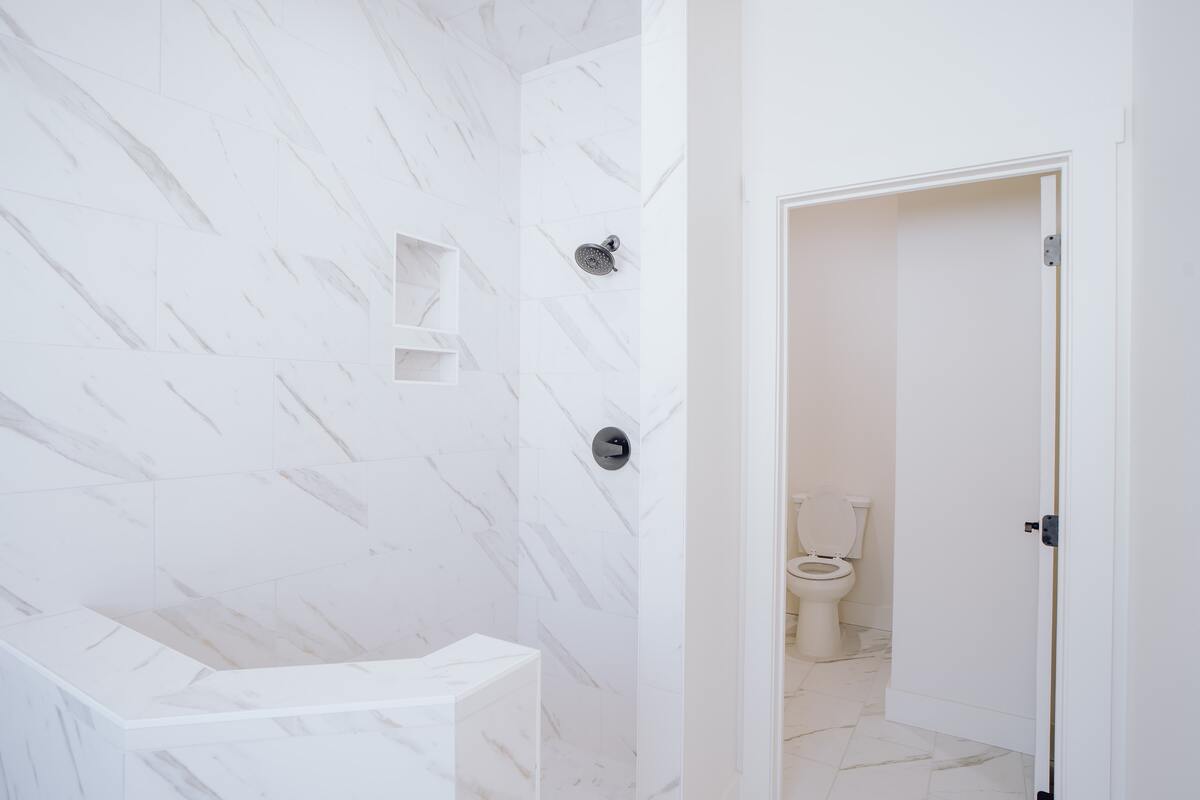
When setting up a shower, usual blunders like improper sealer application and misaligned drainpipe links can result in substantial leakages. If you do not apply the sealant appropriately, water can leak through spaces, while misalignment can stop proper water drainage, triggering backups. Dealing with these problems during installation is important for avoiding leaks in your newly installed shower.
Incorrect sealer application often causes irritating leaks in freshly installed showers, specifically if the sealer isn't applied appropriately. Key variables to consider consist of:
Dealing with these issues throughout installment can considerably minimize the threat of leakages. By paying close focus to sealer application, you can assure a watertight shower that stands the test of time.

Misaligned drain connections can lead to considerable leakages in recently set up showers, usually triggered by an absence of attention during the installment process. Guaranteeing appropriate gasket placement and resolving countered flanges is crucial for a watertight seal. If the drain isn't properly straightened with the pipes, water can seep through spaces, triggering damage gradually.
Right here's a quick recommendation table to aid you determine possible imbalance concerns:
| Issue | Symptoms | Option |
|---|---|---|
| Offset Flanges | Water merging | Change flange setting |
| Gasket Imbalance | Constant leaking | Re-align gasket |
| Loosened Links | Leakages around drain | Tighten links |
| Broken Drain Base | Water discolorations | Replace drain assembly |
Taking these steps guarantees a reputable installment and avoids costly water damage.
A improperly set up shower base can lead to substantial water damages, as also minor misalignments can disrupt proper drainage. If the base isn't degree or is poorly aligned with the drain, water can pool and permeate right into the substrate, triggering long-lasting concerns. Appropriate substratum prep work is necessary to protect against these problems.
Think about these possible influences of a poorly set up shower base:
Making certain an exact installation can conserve you from these problems and expand the life of your shower.
Despite having a properly set up shower base, leakages can still happen due to concerns with the shower fixtures themselves. Typical perpetrators include hidden shutoffs and obsolete cartridges. If a valve isn't installed appropriately, it can cause water seeping behind the walls, triggering significant damage.
Take into consideration these prospective component issues:
| Component Kind | Possible Leakage Reason |
|---|---|
| Concealed Valves | Inappropriate installment or wear |
| Cartridge Upgrades | Old cartridges can cause leaks |
| Showerheads | Loose connections |
| Tap Seals | Deterioration gradually |
Routine maintenance and timely cartridge upgrades can aid protect against these leaks. Identifying and addressing these issues early can conserve you from expensive repair services down the line.
Floor tile cement plays a critical role in keeping the stability of your shower and protecting against leaks. It acts as a obstacle against moisture movement, keeping water where it belongs. If your cement isn't long lasting, you risk significant issues down the line. Below's why cement matters:
Neglecting drainage problems in your freshly installed shower can lead to considerable troubles that endanger both the capability and long life of the area. Poor drainage can lead to water merging, which raises the risk of water damage to wall surfaces and flooring. In time, this moisture can motivate mold development, positioning health and wellness threats and calling for pricey remediation. Additionally, prolonged exposure to water can bring about structural degeneration, compromising the stability of your washroom. You might additionally notice floor rot, which can necessitate costly repairs and even a total remodel. Dealing with drainage issues quickly is vital to preserving a safe, practical atmosphere, preventing these serious effects that can develop from relatively minor oversights.
High water stress can considerably impact the seals within your shower, resulting in leakages in time. When the pressure goes beyond advised levels, it produces tension on pipelines, which can cause joints and fittings to fail. Understanding these factors is vital for keeping a leak-free installment.
When water stress exceeds the suggested levels, it can position significant stress on the seals in your shower system. This stress can lead to leaks, particularly when the seals are made from much less tough materials. High stress can likewise exacerbate concerns brought on by temperature level cycling, causing additional deterioration.
Here are some crucial impacts of high water stress on seals:
Addressing high water stress can help preserve the stability of your shower seals and prevent leaks.
Excessive water pressure not only influences seals but also places considerable anxiety on the pipes within your shower system. When water stress goes beyond recommended levels, it can trigger pipes to bend and flex, resulting in potential leaks. Furthermore, thermal growth can worsen this concern; as water heats up, it expands, placing more stress on already stressed out pipelines. If your pipes system isn't properly developed to suit these changes, you might find on your own dealing with leakages. Moreover, soil motion can move the structure of your plumbing, developing misalignments and added stress on joints and links. Consistently inspecting your water pressure and guaranteeing correct setup can help mitigate these risks, lengthening the stability of your shower system.
To ensure a leak-free shower, applying preventative procedures throughout installation and upkeep is vital. Right here are crucial actions you ought to take:
Despite extensive preventative actions in position, some shower leaks can still take place, signifying the demand for professional assistance. If you see relentless dripping, water pooling around the base, or mold and mildew development in locations surrounding the shower, it's time to call for professional aid. Overlooking these indications can result in more substantial damage and pricey repair services. Additionally, if you're incapable to determine the resource of the leakage after fundamental troubleshooting-- like inspecting seals, pipelines, and components-- it's important to consult a specialist. Specialists have the tools and competence to identify underlying concerns, such as plumbing breakdowns or improper installation, guaranteeing your shower operates effectively and stopping future leaks. Timely intervention can conserve you time and cash over time.
A dripping shower is like a slow-dripping tap, quietly draining your pocketbook. Yes, it can noticeably raise your water bill because of consistent water waste. Even a tiny leakage can bring about gallons of water shed with time, influencing your month-to-month bill. Monitoring your use is essential; if you see a spike, it's smart to investigate. Addressing leaks quickly can conserve you cash and stop more damage to your pipes.
To momentarily quit a shower leakage, use a short-term sealant around the dripping location. Make sure the surface area is clean and completely dry before application. If the leakage is coming from the drain, utilize a drainpipe plug to stop water from leaving. This won't repair the underlying problem yet will help minimize water loss until you can attend to the origin. Routinely inspect the sealant and replace it as required for continued performance.
If you discover water stains on your ceiling listed below the shower, it's an obvious sign of a hidden leakage. As an example, a property owner found soft drywall around the shower area, suggesting prolonged moisture exposure. Other indications consist of a musty odor or unanticipated rises in your water expense. Evaluating grout and caulking on a regular basis can help catch these concerns early, stopping comprehensive damages and costly fixings down the line. Stay cautious!
Yes, some shower brands are extra susceptible to leakages as a result of their design and products. It's important to think about brand name track record when deciding, as some brands have regularly greater failing rates. Furthermore, service warranty insurance coverage can be indicative of high quality; brand names that use extensive guarantees commonly prioritize longevity. Always examine testimonials and the service warranty before buying to make sure you're choosing a reliable alternative that reduces leak dangers.
You wouldn't allow a crack in your structure go unchecked, best? Easily, you must evaluate your shower for leaks at least twice a year. Include routine checks after hefty use, and think about seasonal examinations during temperature level adjustments, when materials expand and agreement. Keep an eye on joints, seals, and the showerhead. By keeping vigilance, you'll capture leaks early, conserving both water and pricey repair work down the line.