


|
|
|
|
|
|
|
| Magnussen Thorpe | profile | guestbook | all galleries | recent | tree view | thumbnails |
You may think any kind of asbestos direct exposure is instantaneously unsafe, yet health and wellness risks really raise with repeated or lengthened call. Not all homes with asbestos are unsafe; the threat increases only if materials are disrupted or damaged. It's a misconception that only old buildings have asbestos, and you can not reliably detect it by sight alone. Do it yourself removal isn't safe, since stringent regulations and methods exist. Asbestos isn't fully banned in the US, and reliable identification and avoidance methods do exist-- uncover the realities following.
While it's real that asbestos is a dangerous material, not every experience with it results in instant injury. You could stress that a short direct exposure means immediate threat, yet clinical proof shows that's not the instance. Health dangers from asbestos are usually related to repeated or lengthened breathing as opposed to a single, low dosage. Diseases like mesothelioma cancer or asbestosis usually establish after a lengthy latency duration-- occasionally decades after the initial direct exposure. The cumulative threat enhances with both the duration and strength of call. So, although any exposure needs to be decreased, a single, reduced dosage isn't most likely to cause illness. Comprehending the difference in between short exposure and lasting, top-level exposure is vital for precisely reviewing asbestos-related wellness risks.
Although asbestos is present in several older homes, its mere existence does not automatically pose a health risk. You're not at risk simply due to the fact that asbestos-containing products remain in your home. The real danger depends upon whether asbestos fibers end up being airborne, which generally takes place when materials are harmed or interrupted. Low level exposure is unlikely to cause illness unless it's frequent or prolonged. Chronic risk factors, such as duplicated inhalation over time, are extra substantial.
| Problem of Product | Associated Wellness Threat |
|---|---|
| Intact and Undisturbed | Marginal to None |
| Harmed or Degrading | Modest to High |
| Frequently Disturbed | Raised |
| Secured or Enveloped | Really Reduced |
| Eliminated Poorly | Exceptionally High |
If you believe asbestos, prevent disturbing it and look for expert recommendations to analyze risk accurately.
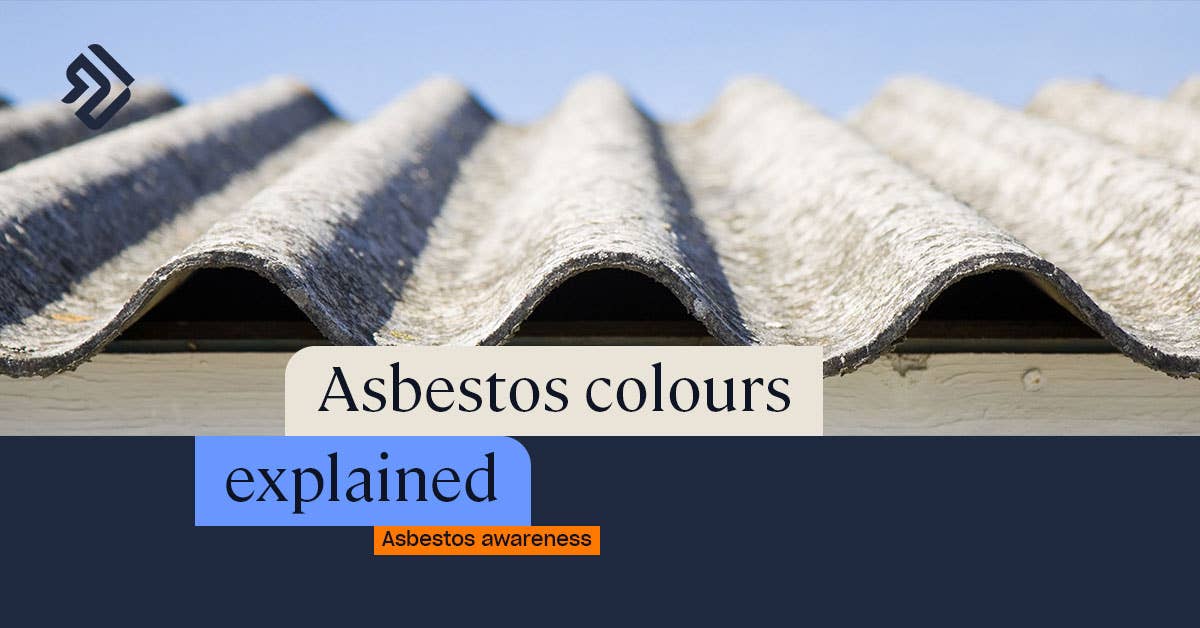
You shouldn't presume asbestos is just located in older structures, as modern-day construction can still present dangers. Some new products, especially imported items, might have asbestos because of much less rigid regulations. Evidence reveals that ongoing vigilance is required, regardless of a building's age.

In spite of widespread belief on the contrary, asbestos isn't restricted to just older structures; it can still be discovered in some modern-day construction products and products. You might presume that recent guidelines have gotten rid of all asbestos dangers, but that isn't the case. While guidelines limit its use, particular products-- like roof covering materials, insulation, and flooring-- may still legally include asbestos in percentages. If you're involved in contemporary retrofits or restorations, it is essential to recognize the prospective hazards. Troubling these products throughout building job can release asbestos fibers, presenting health threats even in recently constructed or recently restored atmospheres. Constantly make sure you conduct thorough material assessments and follow ideal safety and security methods, specifically when dealing with renovation risks in contemporary buildings. https://camdentownasbestosremoval.co.uk/services/refurbishment-demolition-survey.html Do not assume new construction indicates asbestos-free.
In today's worldwide marketplace, asbestos isn't simply an antique of the previous or a danger restricted to older structures. You might assume brand-new building is safe, but imported materials can introduce asbestos threats into also one of the most modern structures. Several nations still use asbestos in production, implying items like imported insulation, foreign floor tiles, imported textiles, and abroad piping can include asbestos fibers.
Below's what you must see for:
Don't ignore these threats in brand-new builds.
Although asbestos is an unsafe product with major health threats, it can not be accurately identified just by considering it. Lots of people believe you can spot asbestos via an easy visual evaluation, however that's a misconception. Asbestos fibers are microscopic and are often mixed with other materials, making them undetectable to the nude eye. Also if you believe a material has asbestos, you won't be able to confirm it without correct evaluation.
Microscopic testing in a licensed research laboratory is the only means to properly establish the visibility of asbestos. Counting on aesthetic examination alone can cause incorrect presumptions and possible exposure threats. If you come across materials in older buildings, it is vital to speak with specialists who can carry out ideal tasting and lab evaluation for your safety.
While it could seem simple to handle asbestos removal on your very own, doing so presents significant carcinogen and legal risks. DIY elimination of asbestos-containing products can launch unsafe fibers into the air, boosting the danger of inhalation and subsequent illness such as mesothelioma, lung cancer, and asbestosis. In addition, policies strictly regulate asbestos handling, and disregarding these can cause considerable fines. Take into consideration the list below truths:
DIY removal merely isn't secure or compliant.
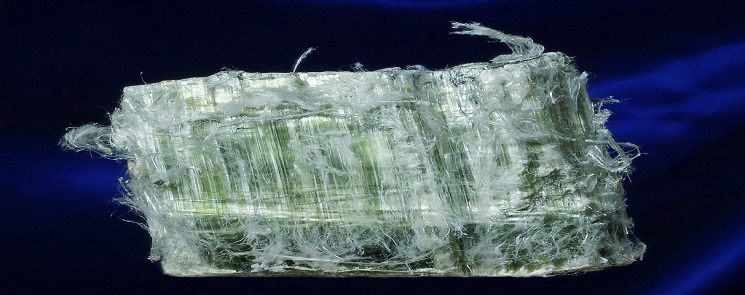
In spite of typical idea, asbestos isn't entirely outlawed in the United States. You could assume a complete prohibition exists, but what's in place is a partial ban. Although particular asbestos-containing items were outlawed in 1989, regulative spaces mean that some usages are still enabled today. The Environmental Protection Agency (EPA) and Occupational Security and Health And Wellness Management (OSHA) regulate asbestos, yet neither has implemented a total ban. Right here's a succinct break down:
| Product/Use | Condition | Regulatory Body |
|---|---|---|
| Corrugated Paper | Prohibited | EPA |
| Plastic Flooring Tiles | Not Banned | EPA/OSHA |
| Roof Coatings | Not Prohibited | EPA/OSHA |
| Pipeline Insulation | Banned | EPA |
| Brake Pads | Not Outlawed | EPA/OSHA |
Recognizing these governing gaps is crucial for notified decisions.
Because asbestos-containing products can still be discovered in lots of older buildings and some contemporary products, it's vital to recognize how to identify and minimize your danger of direct exposure. https://camdentownasbestosremoval.co.uk/services/soft-strip-demolition.html You can not identify asbestos by view alone, so you'll need to count on professional analysis and evidence-based treatments. Right here's what you must do:
Stay proactive to guard your health and wellness.
If you peel back the layers, you'll find that asbestos is still legitimately made use of in a couple of U.S. sectors today. The majority of significantly, it's existing in specific building products like roof covering products and in auto brakes and clutches. Although its usage has actually considerably decreased as a result of health issues, government laws haven't prohibited all applications. So, if you're functioning in these markets, it's vital to remain educated concerning current safety requirements and exposure threats.
After asbestos elimination, you'll require to make particular it's taken care of by experts educated in licensed disposal techniques. They'll securely secure asbestos waste in leak-proof containers or double-bagged plastic, clearly label it, and transport it to authorized landfill containment sites. These garbage dumps are specifically crafted to stop fiber release and satisfy stringent governing standards. Do not attempt asbestos disposal yourself-- unlicensed handling can endanger health and breach lawful demands for ecological safety and security and public protection.

A lot like Pandora's box as soon as opened up, asbestos can without a doubt cause dirt contamination and water contamination otherwise managed properly. You must understand that asbestos fibers released throughout improper demolition or disposal can settle in dirt, posturing lasting health risks. Furthermore, run-off or leaching from infected sites can introduce asbestos into water materials. Research studies validate that both soil and water contamination are possible, emphasizing the importance of stringent control and removal treatments.
You can't depend on a common medical test to discover early asbestos direct exposure, as there's currently no conclusive biomarker authorized for this objective. Biomarker study is continuous, yet existing screening methods-- like chest X-rays and lung feature tests-- primarily determine disease after it's developed, not direct exposure itself. If you assume you have actually been revealed, a comprehensive case history and physical examination, incorporated with periodic surveillance, are the most evidence-based approaches currently readily available.
If you accidentally disrupt asbestos-containing material, don't touch or attempt to clean it on your own. Right away stay clear of touching the location and restriction accessibility to stop fiber spread. It's necessary to get in touch with specialists who are educated in asbestos reduction to analyze and safely handle the situation. Evidence reveals that improper handling boosts health risks, so depend on certified experts to comply with regulative guidelines and ensure proper containment and removal of asbestos threats.