


|
|
|
|
|
|
|
| Rubin Ehlers | profile | guestbook | all galleries | recent | tree view | thumbnails |
If your industrial or stockroom structure was constructed prior to the 1980s, it's likely to contain asbestos in insulation, pipe lagging, ceiling panels, and flooring ceramic tiles. https://bromleybybowasbestosremoval.co.uk Visual checks aren't sufficient-- validated recognition requires expert sampling and lab evaluation. Damaged or deteriorated materials boost the danger of airborne fibers and extreme health effects. Rules mandate certified dealing with and rigorous documents. Recognizing essential indication and conformity steps is crucial; explore even more to shield residents and assure lawful safety and security.
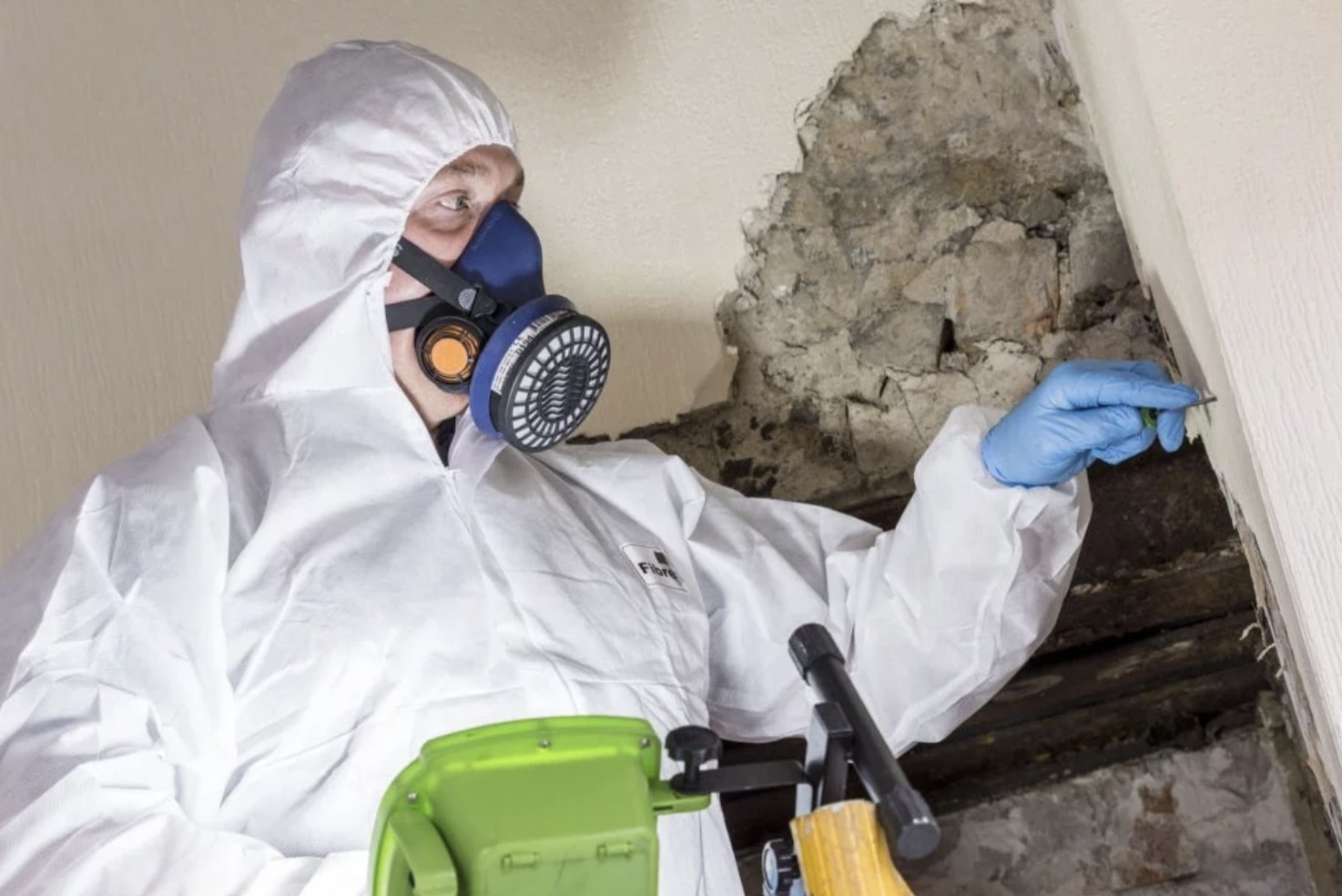
Typically, it's tough to visually verify whether a structure has asbestos, as asbestos fibers are microscopic and generally mixed into various other materials. To precisely identify asbestos presence, you'll require to implement standard sampling protocols, which need collecting material samples from suspect areas and submitting them for lab evaluation. Counting entirely on visual evaluation is inadequate. Comprehensive air tracking may additionally be needed, especially if there's a threat of fiber disruption throughout upkeep or remodelling activities. Evaluating historic documents, such as initial building records and restoration logs, can aid determine potential asbestos-containing materials based on the building's age and previous work. Bear in mind, as the home owner, you're liable for making sure any asbestos is properly recognized and handled in compliance with regulative needs, minimizing health and wellness and legal risks.
You'll usually run into asbestos in insulation materials and piping systems throughout industrial facilities, particularly those created before the 1980s. Roofing, ceiling panels, and specific floor covering items, consisting of adhesives, are also frequent resources because of asbestos's durability and fire-resistant properties. Identifying these typical areas is crucial for reliable danger evaluation and administration.
Within commercial structures, insulation products and pipes represent several of the most common areas where asbestos-containing materials (ACMs) are come across. You'll often discover asbestos used as thermal lagging, which was related to pipes, central heating boilers, and warmth exchangers to enhance energy efficiency and stop warm loss. Pipeline insulation, especially if set up before the 1980s, regularly contains asbestos fibers due to their heat-resistant buildings and sturdiness. If you're reviewing a site, evaluate any kind of shielding wraps, pre-formed pipeline coverings, or sprayed coatings, as these might consist of friable ACMs that launch fibers when interrupted. Don't overlook elbow joints, shutoffs, or junctions-- these locations frequently have extra insulation. Proper identification and management of asbestos in these products are crucial to keeping work environment safety and governing conformity.
Scan the upper reaches of commercial buildings, and you'll frequently experience asbestos-containing materials embedded in roof covering and ceiling panels. Asbestos was consistently contributed to corrugated panels and acoustic tiles for its durability, fire resistance, and insulating buildings. You'll locate that both flat and corrugated roofing panels might include chrysotile or amosite fibers-- posturing breathing dangers throughout regular upkeep or remodelling. Acoustic floor tiles, commonly set up to moisten noise in storehouse environments, additionally typically have asbestos, specifically in structures developed prior to the 1980s.
| Feature | Asbestos Use |
|---|---|
| Corrugated panels | Architectural and weatherproofing |
| Acoustic tiles | Audio absorption, fireproofing |
| Ceiling panels | Insulation, light-weight layout |
Troubling these products, whether via drilling or elimination, can launch hazardous fibers into the air.
Beyond roofing and ceiling panels, asbestos frequently hides beneath your feet in industrial setups, integrated right into floor ceramic tiles, sheet flooring, and the adhesives securing them. If you manage or work in older facilities, you're most likely to run into asbestos-containing plastic floor tiles and mastic adhesives. These materials were favored for their longevity, fire resistance, and insulation buildings. Asbestos fibers are installed in both the plastic matrix and the adhesive layer, posing a prospective inhalation threat if interrupted during remodellings or repair work. According to regulative bodies, also minor abrasion or elimination of these materials can release harmful fibers into the air. It's crucial to identify and assess suspicious flooring items prior to starting any work, following established reduction protocols to ensure the safety of residents and employees. https://bromleybybowasbestosremoval.co.uk/services/garage-shed-roof-removal.html
You need to understand common aesthetic asbestos indications, such as damaged insulation, fraying pipeline covers, or disintegrating ceiling ceramic tiles. It's additionally vital to recognize very early health signs and symptoms like relentless coughing, shortness of breath, or chest pain, which might indicate asbestos direct exposure. Recognizing these caution indicators quickly can aid you reduce prospective health and wellness dangers in industrial settings.
While asbestos can not constantly be identified without research laboratory analysis, several visual signs may signify its visibility in industrial structures. You should be alert for specific products and problems that typically contain or reveal asbestos. For circumstances, if you observe crumbling insulation around pipelines or air ducts, it's feasible asbestos fibers are being launched. Likewise, distinctive coverings on walls and ceilings-- common in older facilities-- may consist of asbestos. Take note of the following:
File any type of questionable products and look for specialist evaluation.
Typically, early symptoms of asbestos direct exposure are refined and quickly misinterpreted for even more usual respiratory problems. You could discover consistent respiratory system inflammation, such as a persistent cough, lack of breath, or wheezing. These signs and symptoms can develop gradually and are often ignored, especially in commercial and stockroom atmospheres where dust and air-borne bits prevail. In enhancement to respiratory system issues, be watchful for unexplained skin lesions that might show up after straight contact with asbestos-containing products. While much less typical, skin lesions can indicate dermal direct exposure and must not be disregarded. Clinical research studies link long term asbestos direct exposure to much more severe results, consisting of asbestosis, lung cancer, and mesothelioma. Monitoring your health and wellness and reporting consistent or uncommon symptoms without delay is necessary for very early intervention and risk reduction.
Since inappropriate handling of asbestos-containing materials (ACMs) can lead to severe wellness threats, it's vital to approach identification with strict adherence to safety and security protocols. You should never ever try to aesthetically confirm asbestos on your very own; lots of ACMs look comparable to non-hazardous products. Instead, use qualified professionals to accomplish asbestos testing and product tasting. These experts use specialized treatments to properly figure out the presence of asbestos fibers. To reduce threat, constantly adhere to these actions:
Complying with these guidelines guarantees precise recognition while prioritizing health and wellness.
Even though asbestos use has actually reduced over current years, it's still subject to rigorous oversight under regional, state, and government guidelines. As a facility supervisor, you're called for to comprehend and adhere to established governing timelines for asbestos inspections, management, and reporting. For instance, the EPA's National Exhaust Criteria for Hazardous Air Pollutants (NESHAP) mandates details alert durations prior to restoration or demolition entailing asbestos-containing products. You're additionally in charge of making sure all workers receive suitable training needs, as described by OSHA criteria, that include annual refresher course training courses for employees included in asbestos-related tasks. Falling short to meet these requirements can lead to significant charges and enhanced responsibility. Remaining present with progressing policies sees to it both regulatory compliance and the ongoing security of your facility's owners and workforce.
If you find products in your center that look suspicious or shabby, it's important not to disrupt them considering that asbestos fibers can become airborne when damaged. Immediate activity is necessary to reduce exposure dangers and abide by laws. Your feedback needs to be organized and educated by evidence-based techniques. Here's what you must do:
Failing to act correctly may result in significant lawful ramifications and health threats for passengers and personnel.
While asbestos removal could seem simple, the choice in between employing professionals and trying a do-it-yourself method includes mindful factor to consider of governing, safety, and technical variables. If you're not learnt asbestos handling, do it yourself removal substantially boosts your danger of exposure and legal non-compliance. Accredited abatement specialists adhere to strict procedures, utilize specialized tools, and dispose of materials according to legal needs. Although hiring experts may appear pricey, a detailed cost comparison should represent prospective penalties, wellness threats, and responsibility connected with incorrect elimination. Evidence indicates that DIY initiatives can unintentionally spread out asbestos fibers, compromising both resident safety and security and structure honesty. Ultimately, involving certified reduction guarantees governing compliance, reduces direct exposure dangers, and gives documented guarantee that asbestos has actually been taken care of properly and securely.
Although asbestos may no more be used in new construction, heritage materials in commercial buildings still pose considerable risks without recurring vigilance. To stop future asbestos threats, you must apply a systematic technique grounded in evidence-based techniques. Regular asbestos audits and constant precautionary maintenance are necessary for early discovery and mitigation. Regular adherence to governing criteria will also ensure work-related safety and security. For best outcomes, consider the complying with best practices:
These steps will certainly maintain a safe, certified atmosphere.
You would certainly think insurance policy protection would acutely soak up the expenses of asbestos removal obligation, however that's rarely the instance. Most business residential property policies particularly leave out asbestos abatement, citing air pollution exemptions. If you're expecting removal responsibility insurance coverage, you'll need customized ecological insurance policy, and even after that, terms can be limiting. Proof reveals insurance providers typically stand up to duty for pre-existing impurities, moving the financial worry for asbestos removal directly onto the structure owner's shoulders.
Asbestos presence directly minimizes a stockroom's residential property value because of increased remediation prices and regulatory demands. You'll deal with minimized marketability, as buyers watch out for prospective wellness liabilities and future expenses. Furthermore, there's increased financing danger, given that loan providers might wait or impose stricter funding problems. Evidence suggests homes with asbestos are evaluated reduced, showing both the instant costs of abatement and the long-lasting effect on resale opportunities and insurability.
Yes, you're typically qualified to employees' compensation if you develop asbestos-related illness due to occupational exposure. Workers' payment covers clinical expenses and shed incomes without requiring evidence of company oversight. In some cases, you may also pursue third party claims if a supplier or service provider contributed to your exposure. Scientific proof web links asbestos exposure to conditions like mesothelioma cancer, providing strong lawful and clinical grounds for payment qualification under many territories.
It's no coincidence you're inquiring about managed disposal-- handling asbestos waste is purely regulated. You'll need to double-bag or seal asbestos products in leak-tight containers and classify them clearly. Just accredited facilities can approve such waste, and you have to obtain disposal certifications as proof of lawful handling. Rules call for detailed records of transport and disposal to protect against contamination, ensuring you're fully accountable and certified with all security and environmental requirements.
Specialist asbestos removal generally takes anywhere from a couple of days to several weeks, depending upon the job's scope and the control method implemented. You'll locate that the task timeline is affected by the amount of asbestos, accessibility of impacted areas, and the complexity of the removal procedure. Proof shows that strict containment method and complete site purification are vital actions, making certain safety and governing compliance throughout the remediation procedure.