


|
|
|
|
|
|
|
| Mortensen Arildsen | profile | guestbook | all galleries | recent | tree view | thumbnails |
After asbestos exposure, you normally won't observe symptoms for years-- usually 10 to half a century. Breathed in asbestos fibers embed deep within your lungs or pleura and silently interrupt cell function during this prolonged latency. Preliminary signs, such as persistent completely dry coughing or mild shortness of breath, appear insidiously and may mimic various other problems. Due to the fact that sign start is postponed, recurring security is essential. Next, you'll find out why condition progression is so sluggish and which signs signify very early asbestos results.
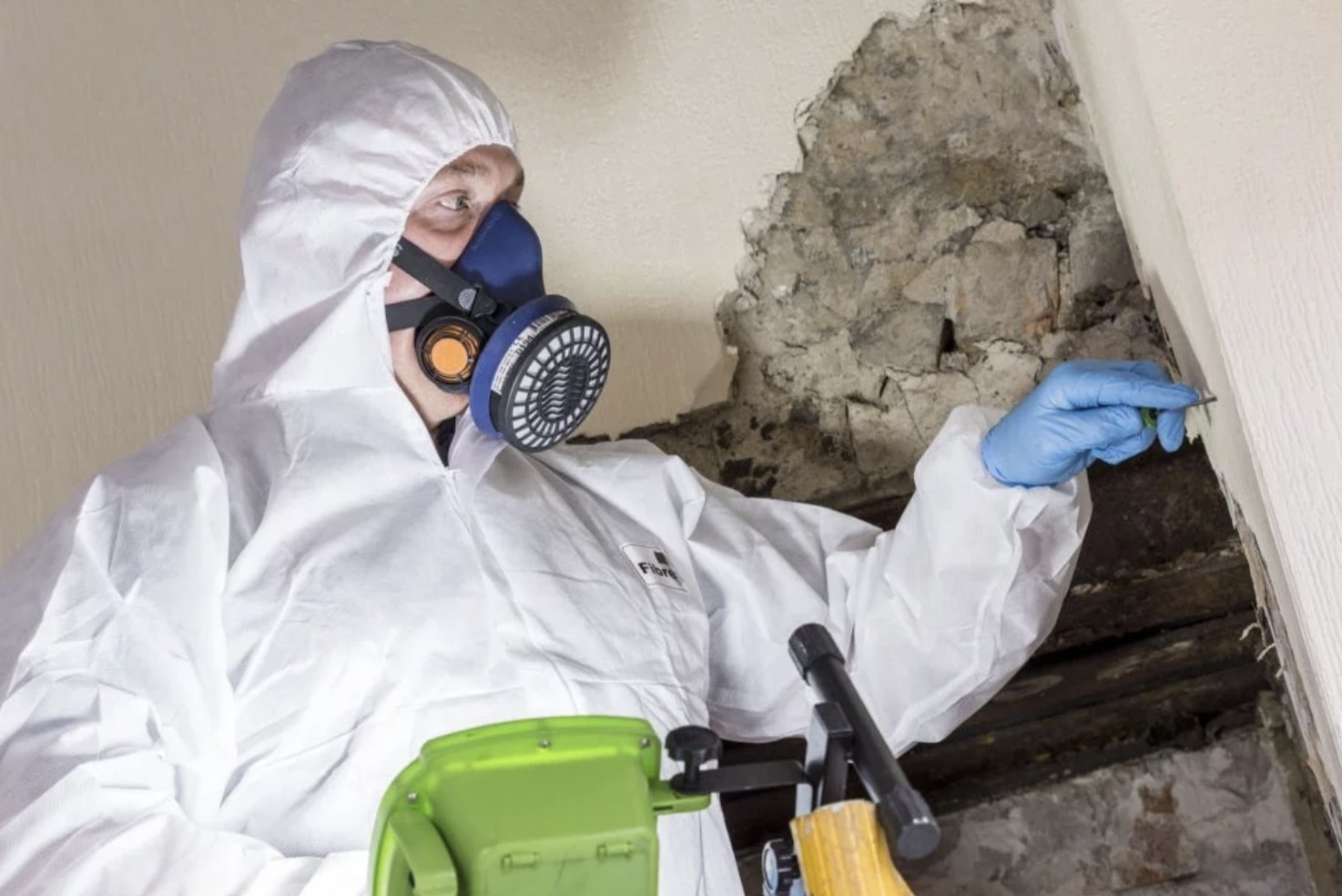
Although you might expect signs and symptoms to develop promptly after asbestos direct exposure, the start is commonly delayed for years. You won't discover prompt effects, as asbestos latency-- the period in between exposure and sign start-- varies from 10 to half a century. Throughout this latency, inhaled asbestos fibers ended up being embedded in lung or pleural cells, launching a sluggish, progressive pathogenic procedure. First signs, such as relentless cough, dyspnea, or chest discomfort, rarely show up until several years post-exposure. With conditions like asbestosis, pleural plaques, or mesothelioma, medical searchings for arise insidiously, often decades after the preliminary exposure occasion. Due to this prolonged latency, it prevails to stay asymptomatic for most of your grown-up life, with signs and symptom beginning occurring unexpectedly long after your exposure history. https://stpaulsasbestosremoval.co.uk/services/soft-strip-demolition.html
This long term latency in between asbestos exposure and sign beginning isn't accidental; it's rooted in the unique organic habits of asbestos fibers once breathed in. When you inhale asbestos fibers, they end up being ingrained in your lung cells, where they persist for decades. Over these expanded unexposed durations, the fibers slowly activate chronic swelling and progressive cellular damages. Your body's immune system battles to get rid of these long lasting fibers, causing duplicated cycles of injury and repair at the cellular degree. This ongoing process can eventually create genetic anomalies and interfere with typical cell feature, preparing for diseases like asbestosis, lung cancer cells, or mesothelioma. Since these pathological modifications progress so gradually, you generally won't discover signs and symptoms until significant cells damages has actually currently happened.
Frequently, the initial signs and symptoms of asbestos exposure are deceptively mild and nonspecific, making early discovery challenging. You might not promptly attach your signs and symptoms to asbestos, as they usually imitate those of less serious respiratory problems. Clinically, the earliest manifestations are generally refined and may consist of shortness of breath and chest tightness. These indicators are connected to inflammatory feedbacks in the lung cells as asbestos fibers begin to build up. Expect the adhering to early indicators:
If you observe these symptoms, especially with a recognized history of asbestos exposure, it's vital to look for clinical analysis quickly. Early evaluation boosts surveillance and possible intervention.
While asbestos exposure may originally offer with subtle respiratory signs and symptoms, it's linked to a number of major pulmonary and pleural conditions that commonly show up after a long term latency period. The most considerable problems you should know are asbestosis, lung cancer, and malignant mesothelioma cancer. Mesothelioma danger is specifically worrying as a result of its strong organization with even very little asbestos direct exposure. In addition, pleural plaques are common findings indicating prior asbestos exposure, although they're normally asymptomatic.
| Disease | Trick Includes | Latency Period (Years) |
|---|---|---|
| Asbestosis | Pulmonary fibrosis, dyspnea | 10-- 20 |
| Mesothelioma cancer | Cancer cells of pleura/peritoneum | 20-- 50 |
| Pleural Plaques | Local pleural enlarging | 10-- 30 |
| Lung Carcinoma | Malignant epithelial tumor | 15-- 35 |
Recognizing these conditions permits you to recognize prospective long-lasting threats following asbestos direct exposure.
Although private sensitivity differs, there's no universally established safe threshold for asbestos direct exposure, as also very little breathing of asbestos fibers has actually been linked to major health and wellness risks, consisting of mesothelioma cancer and lung cancer. You ought to comprehend that both intense and persistent direct exposures can be damaging. Study shows that low dosage danger exists, indicating even short or small exposures may result in illness years later. Furthermore, advancing direct exposure-- repeated get in touch with with time-- increases the probability of developing asbestos-related conditions.
Right here's what you need to know:
You're most in danger for asbestos-related illness if your work involves straight handling of asbestos-containing products, particularly in construction, shipbuilding, or manufacturing. Epidemiological data likewise show heightened vulnerability amongst older adults, smokers, and people with pre-existing breathing problems. Kids and those with prolonged ecological direct exposure stand for added risky group groups because of raised sensitivity and cumulative dosage effects.
Determining those at highest possible danger, occupational exposure to asbestos mainly threatens employees in sectors where asbestos-containing materials are made, mounted, or disrupted. If you work in these atmospheres, you go to elevated risk because of repeated breathing of airborne fibers. The degree of risk is figured out by the presence or lack of extensive work environment controls and exposure monitoring. When these protective techniques want, your risk of creating asbestos-related diseases noticeably rises. Secret work-related threat elements consist of:
Effective threat reduction relies on adherence to rigid occupational security standards.
Even brief or indirect call with asbestos can pose significant health dangers, yet specific demographic teams are especially prone because of cumulative exposure patterns and specific susceptabilities. If you come from elderly populaces, your risk increases since age-related physiological decline impairs pulmonary clearance devices, enabling asbestos fibers to continue lung tissue longer. People with a history of chronic respiratory condition or endangered immune function are likewise much more susceptible to asbestos-related pathologies. Furthermore, genetic sensitivity plays an essential role; certain genetics polymorphisms can exacerbate inflammatory or fibrotic feedbacks following exposure, increasing the probability of establishing conditions like asbestosis, mesothelioma cancer, or lung carcinoma. Youngsters, as a result of establishing respiratory system systems, are likewise very delicate. Identifying these at-risk groups is necessary for early treatment and targeted wellness security.
If you've run into asbestos, it's necessary to seek immediate clinical examination to develop a clinical standard and assess for potential inhalation-related injury. You'll additionally wish to document the specifics of your exposure, consisting of period, strength, and material type, as this details is vital for both medical and legal purposes. Recurring signs and symptom security-- such as keeping an eye on for persistent coughing, dyspnea, or breast pain-- makes it possible for very early discovery of asbestos-related pathologies.
Must you end up being mindful of asbestos exposure, it's important to look for immediate clinical assessment to develop a standard for your breathing health and wellness and document any prospective early impacts. Motivate activity can allow immediate testing for problems such as asbestosis, pleural plaques, or early-stage mesothelioma cancer, even if you're asymptomatic. Early detection is imperative, as asbestos-related conditions commonly remain unrealized for several years. Your healthcare supplier may recommend lung feature examinations, imaging research studies, or biomarker assessments to check any changes over time. Take into consideration the following actions:
Beginning by carefully videotaping every information you can remember about your asbestos exposure, as this information develops the foundation for both clinical security and potential lawful insurance claims. Keep in mind the details day, duration, and area of the event to establish a trusted exposure timeline. Include the nature of your contact-- whether straight handling, distance to disturbed materials, or second exposure. File the presence of visible dirt, usage (or lack) of personal safety devices, and any kind of witnesses. Retain work environment records, security data sheets, and photographs if readily available, as these reinforce your exposure paperwork. Thorough, simultaneous notes improve the accuracy of risk evaluation and facilitate future job-related condition investigations. Precision in your documentation sustains excellent clinical follow-up and may be critical if seeking compensation for asbestos-related diseases.
Although asbestos direct exposure might not produce instant symptoms, it is important to launch vigilant wellness tracking due to the prolonged latency duration related to asbestos-related illness. Early detection and treatment can substantially impact your prognosis. Below's what you ought to do:
Identifying asbestos-related illness relies upon an extensive clinical evaluation, integrating thorough job-related and ecological exposure histories with sophisticated imaging and lab diagnostics. Your doctor will first assess your job-related histories to identify prospective high-risk exposures, such as operate in building and construction, shipyards, or production. Professional analysis consists of a physical examination concentrated on breathing indications and symptoms. https://stpaulsasbestosremoval.co.uk/services/refurbishment-demolition-survey.html Imaging techniques, specifically upper body X-rays and high-resolution computed tomography (HRCT), play a critical function in detecting abnormalities like pleural plaques, interstitial fibrosis, or pulmonary blemishes. Pulmonary function examinations may expose limiting patterns common of asbestosis. In pick instances, tissue biopsies or bronchoalveolar lavage can offer conclusive histopathological confirmation. https://stpaulsasbestosremoval.co.uk/services/garage-shed-roof-removal.html Blood biomarkers are under research but not yet basic. Early, exact medical diagnosis relies on associating clinical, radiographic, and direct exposure data.
Routinely monitoring your wellness after asbestos exposure is essential, as asbestos-related conditions often exhibit a long term latency period before symptoms emerge. You ought to adopt an aggressive, structured method to early detection and treatment. Below's just how you can optimize your post-exposure monitoring:
Yes, asbestos direct exposure can affect children in different ways than grownups because of youngster susceptability and developing sensitivity. As a kid, your respiratory and immune systems are still creating, increasing your danger of asbestos fibers creating much more significant lung and systemic impacts. The latency duration for asbestos-related conditions might be shorter, and cumulative exposure in time is most likely to result in mesothelioma cancer, asbestosis, or other malignancies due to the fact that of your ongoing cellular development and tissue improvement.


You could believe danger only lurks at worksites, yet job-related take home direct exposure means asbestos can hitchhike on polluted clothing right right into your home. Family contamination isn't unusual-- research confirms additional direct exposure places member of the family in danger for asbestos-related illness, including mesothelioma cancer and asbestosis. The inhalable fibers do not discriminate; whether you're the employee or a family participant, you're at risk. That's why purification protocols and strict laundering methods are so important.
Yes, family pets' exposure to asbestos fibers in the home does pose significant threats to animal wellness. When family pets breathe in or consume asbestos bits, they're susceptible to creating respiratory system problems such as asbestosis, pleural effusion, or perhaps mesothelioma cancer, similar to humans. Due to the fact that family pets brush themselves often, they can ingest fibers trapped in their hair, intensifying their danger. It's necessary to reduce asbestos contamination to protect your animals' respiratory system and systemic health.
You may wonder if HEPA purification genuinely minimizes air-borne asbestos inside. Medically, HEPA filters-- when appropriately rated and maintained-- can capture asbestos fibers because of their sub-micron performance. Nevertheless, their effectiveness depends upon maintenance regularity and the filter's honesty. Don't rely exclusively on purifiers: asbestos reduction and source containment continue to be critical. While HEPA filtration offers a clinically substantial reduction in fiber focus, proof stresses continuous vigilance and specialist analysis for extensive risk monitoring.
Yes, asbestos exposure can considerably impact your life insurance eligibility and premiums. During insurance policy underwriting, providers analyze your work history and potential direct exposure to dangerous products like asbestos. If you have actually been revealed, insurance providers might identify you as higher risk, potentially resulting in premium boosts or policy exemptions. Evidence-based guidelines show that underwriters typically require detailed clinical documents and pulmonary feature examinations to evaluate your danger of asbestos-related conditions prior to providing protection.