|
|
|
|
|
|
|
| Riggs Dolan | profile | guestbook | all galleries | recent | tree view | thumbnails |
You're allowed to do minor, low-risk asbestos tasks like securing splits in asbestos cement or cleaning up tiny quantities of dirt if materials are in excellent problem and you adhere to stringent PPE, wetting, and waste disposal procedures. You can't interrupt, break, eliminate, or saw friable or broken asbestos-- those tasks always need a qualified specialist. Even for non-licensed job, you need to tape information and safely handle all waste. Listed below, you'll discover exactly which tasks are permitted and the legal safeguards required.
While asbestos work is greatly regulated, not all tasks including asbestos require an official certificate. In the UK, non-licensed asbestos work describes particular activities where you could come across asbestos-containing products (ACMs) that provide a lower danger, based on the kind, problem, and possibility of fiber release. https://balhamasbestosremoval.co.uk Recognizing the historical context is important-- several buildings created before 2000 have ACMs, as asbestos was widely used for its durability and fire resistance. However, you're required to identify that even low-risk exposure lugs serious health and wellness effects, consisting of asbestosis, lung cancer, and mesothelioma. Regulative guidelines differentiate non-licensed job from qualified activities by reviewing variables like product friability and prospective disturbance. You must still follow stringent control measures and preserve thorough documents to guarantee compliance and employee safety.
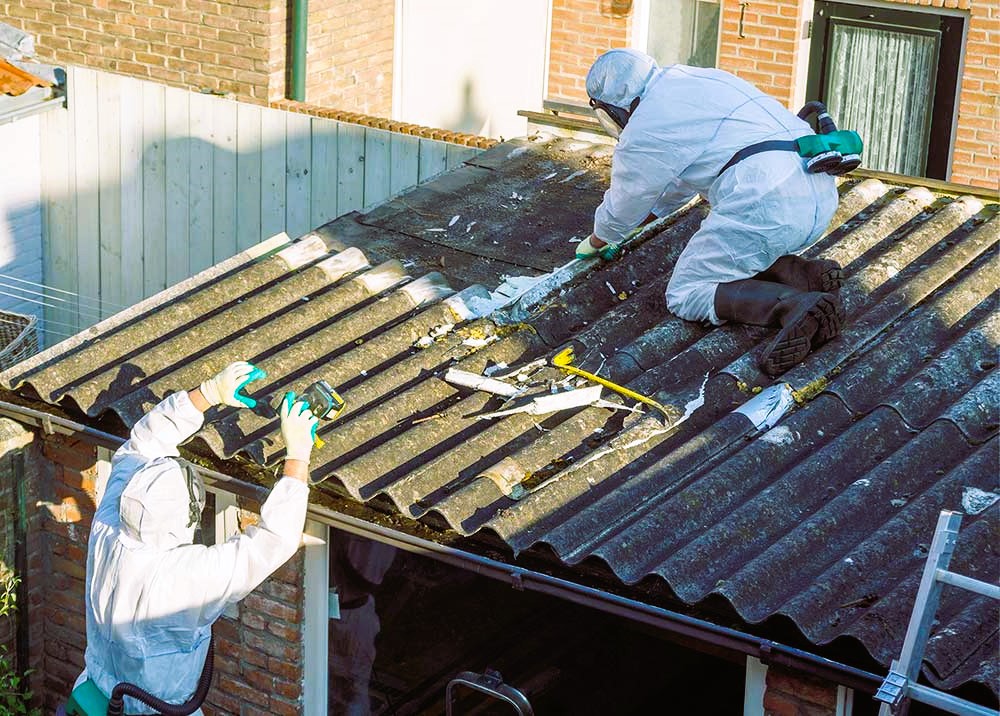
Although UK policies allow certain asbestos-related tasks to be performed without a license, you can just undertake these tasks if the job includes non-friable materials in excellent condition and creates marginal dust. You're allowed to lug out tiny repair work, such as sealing minor splits in asbestos cement sheets or enveloping intact asbestos insulation boards, provided you adhere to stringent safety and security procedures and utilize ideal personal protective devices. Visual checks are additionally allowed, permitting you to check the condition of asbestos-containing products without disturbing them. Cleaning up percentages of dust or debris with wet cloths or Type H hoover serves if the material continues to be undamaged. https://balhamasbestosremoval.co.uk/services/artex-removal.html Nevertheless, you must prevent hostile removal, power devices, or any kind of task most likely to launch asbestos fibers right into the air.

You'll need a accredited asbestos specialist when you're encountering high-risk asbestos situations or when regulations need details lawful conformity. Certain products, quantities, or problems mandate qualified competence as a result of the wellness threats and strict controls entailed. It's necessary to comprehend when the legislation restricts non-licensed work to prevent charges and assure safety and security.
Due to the fact that certain asbestos jobs posture substantial health and safety risks, regulations require that only qualified asbestos experts manage them. You'll encounter high danger scenarios when managing friable asbestos-containing products, such as sprayed coverings, pipeline insulation, or harmed asbestos boards. These materials are easily disturbed and can release unsafe fibers, increasing exposure pathways to airborne asbestos. If your job includes significant breakage, elimination, or repair of these materials, you need to not proceed without a licensed contractor. Tasks like demolition, comprehensive sanding, or sawing of asbestos products significantly elevate the risk of fiber release. In any kind of situation where the product's integrity is compromised or you can't ensure strict dirt control, the regulation mandates accredited treatment to shield employees, residents, and the environment from hazardous exposure.
High-risk asbestos situations require cautious adherence to legal requirements, as policies specify exactly when a licensed asbestos professional is needed. You have to satisfy strict lawful conformity requirements if the asbestos work involves risky products, surpasses control limits, or if the exposure could endanger workers or the public. Tasks like removing sprayed finishes, pipeline lagging, or asbestos insulation generally need a certified specialist. Remain notified regarding governing updates, as adjustments may widen or tighten the range of non-licensed job. If doubtful, consult the Health and wellness Exec (HSE) or your neighborhood authority for existing assistance. Stopping working to abide with these needs can lead to severe fines, including penalties or prosecution. Constantly validate if your planned job drops under licensable asbestos activities.
Although non-licensed asbestos work may appear workable, strict adherence to safety procedures is important to decrease exposure risks and comply with legal needs. Before starting, ensure you're geared up with proper personal protective devices-- this implies non reusable coveralls, gloves, and an appropriately fitted P3 respirator. Always moisten asbestos products to decrease dirt, and never use power devices that can create airborne fibers. Establish a assigned workplace with clear signage and limit accessibility to accredited people only. Apply air surveillance if you're functioning in confined areas, as this helps verify that fiber degrees continue to be within risk-free limitations. Dispose of asbestos waste in double-bagged, clearly identified containers. Ultimately, thoroughly clean the work area and effectively decontaminate all individual protective equipment before eliminating it.
If you've unintentionally disrupted asbestos, you'll need to take immediate safety and security precautions to decrease exposure risks. It's important to report the case according to regulatory needs and record your actions. Next off, you need to follow rigorous cleaning and purification treatments to make certain the location and any type of equipment are risk-free for future usage.
Should asbestos-containing material come to be disturbed unexpectedly, it's important to act immediately to minimize air-borne fiber release and individual direct exposure. Initially, stop all job and restrict access to the afflicted location. Initiate emergency situation discharge for any individual not equipped with ideal respiratory system security. Do not attempt to tidy or relocate debris-- this can increase fiber dispersion. Turn off any kind of air flow or air conditioning systems to avoid fibers from spreading. Clearly signpost and seal the location using suitable obstacle tape or bed linen. Air surveillance ought to be prepared by experienced employees to assess contamination levels and verify when it's risk-free to re-enter. Ensure you follow all regional governing needs and assistance for first feedback. These instant activities are crucial for shielding wellness and limiting additional asbestos direct exposure.
Once you have actually experienced an accidental disturbance of asbestos, it's essential to immediately report the case according to your organization's protocols and appropriate lawful demands. Accurate incident logging is crucial to make sure governing conformity and protect health. Do not delay-- paper every information and interact with your manager or designated security officer promptly. Proper reporting likewise makes it possible for community outreach, maintaining stakeholders and the general public educated of potential dangers. Here's what you must do:

Always follow your company's treatments carefully.
Act swiftly to reduce asbestos fiber spread out by instantly limiting access to the affected location and halting any type of additional disruption. Begin by posting indication and securing off entrance points using polythene sheeting and tape. Conduct air-borne tracking to assess fiber concentration before continuing. Utilize a HEPA-filtered vacuum and damp fabrics for surface cleansing; never ever completely dry move or use normal vacuum cleaners. All waste needs to be double-bagged in classified asbestos disposal bags. For personal decontamination, remove contaminated clothes meticulously and take care of it as asbestos waste-- never ever shake or wash it in the house. Extensively clean exposed skin and hair with water. Only re-enter the location when airborne monitoring confirms fiber levels are within legal limits. Maintain in-depth records of cleaning and clearance treatments for conformity.
Appropriately documenting and dealing with asbestos waste is crucial to assure legal compliance and reduce wellness risks throughout non-licensed asbestos work. You'll require to preserve thorough asbestos recordkeeping and disposal paperwork throughout the process. Exact documents not only secure you if checked but additionally make sure traceability from elimination to last disposal. Comply with these important actions:

Sticking to these treatments keeps your procedure certified and safe.
You'll usually discover that non-licensed asbestos work varieties from ₤ 20 to ₤ 50 per square meter, however typical rates relies on a number of cost variables. The area's size, accessibility, type of asbestos-containing product, and required safety steps all influence your final costs. Do not neglect to consider waste disposal charges and governing compliance. It's essential to ensure service providers follow HSE standards, as inappropriate handling can boost both your expenditures and lawful obligation.
Offering your building after non-licensed asbestos job is like steering a river-- smooth sailing if you adhere to the right networks. You can offer, however you're legitimately called for to supply full home disclosure about the asbestos work completed. You can sell, however you're legally required to offer full residential or commercial property disclosure regarding the asbestos work finished. Openness is vital, as buyer worries might develop relating to safety and compliance. Comprehensive documents of the job and correct documentation will aid attend to regulatory demands and comfort prospective purchasers, making the purchase much more simple.

Yes, there are insurance ramifications and increased responsibility exposure when you undertake non-licensed asbestos work. https://balhamasbestosremoval.co.uk/services/soft-strip-demolition.html Insurance firms may restrict or exclude coverage if you do not abide strictly with wellness and safety and security policies, paperwork, and risk analyses. If a case happens, you could be directly responsible for problems or governing penalties. Constantly check your policy and inform your insurance company before beginning job to make particular you're covered and continue to be certified with legal and plan needs. https://balhamasbestosremoval.co.uk/services/refurbishment-demolition-survey.html
You'll need asbestos understanding training prior to managing non-licensed asbestos, ensuring you recognize the dangers and fundamental preventative measures. Training needs to cover the identification of asbestos-containing products, risk-free job techniques, use of personal protective devices, and correct waste handling. It's crucial you recognize with emergency situation treatments and governing requirements. Refresher course training is suggested consistently. By satisfying these standards, you'll lessen health threats and remain compliant with existing health and wellness guidelines.
Did you recognize that misclassifying asbestos job can bring about considerable charges? If you inaccurately figure out job as non-licensed when it need to be licensed, you go to risk of breaching legal fine thresholds. Regulatory bodies closely keep an eye on classification disputes, and failure to conform can result in fines, stop-work orders, or perhaps prosecution. It's crucial you use stringent analysis requirements to guarantee your classification lines up with current asbestos laws and avoid pricey enforcement actions.