


|
|
|
|
|
|
|
| Powers Haley | profile | guestbook | all galleries | recent | tree view | thumbnails |
Yes, you should leave your home throughout asbestos elimination for your security and to abide by laws. Asbestos abatement creates air-borne fibers that are unsafe, so full emptying is called for till specialists verify secure air high quality. Every person-- including children, the senior, and pet dogs-- requires to be out till air clearance testing is full. Certified contractors use stringent control and air purification to stop contamination. If you're wondering who needs to evacuate and how the procedure works, you'll find thorough guidance in advance.
Although it may seem troublesome, you need to leave your home during asbestos elimination to reduce direct exposure to hazardous fibers. Asbestos poses substantial health risks when its fibers become airborne, consisting of lung cancer, mesothelioma, and asbestosis. When professional reduction starts, stringent regulative conformity is important to ensure safety. Federal and state guidelines commonly call for containment areas, adverse air pressure systems, and customized tools, but these actions do not entirely get rid of the risk of fiber launch. By leaving your home, you're reducing your straight exposure and sustaining the secure implementation of the elimination process. In addition, you have lawful commitments to secure yourself, your family, and any kind of passengers from potential damage. Prioritizing your health and adhering to legal demands is one of the most responsible approach during asbestos abatement.
So, is it ever risk-free to stay home while asbestos is being gotten rid of? In many cases, you should not remain in your house during asbestos reduction. The process positions severe wellness threats because of airborne fibers, and legal needs are in place to assure your security. Governing standards, such as those from OSHA and the EPA, normally call for that impacted locations be totally secured which no unapproved individuals go into throughout removal. https://eastfinchleyasbestosremoval.co.uk/services/garage-shed-roof-removal.html Despite barriers and unfavorable atmospheric pressure systems, there's no outright warranty that fibers will not run away.
You have to think about:
Inevitably, for your safety and security and conformity, leaving your home is the finest choice during asbestos removal.
Provided the substantial threats related to asbestos direct exposure and the strict methods required throughout elimination, it is very important to understand specifically who should leave your home. https://eastfinchleyasbestosremoval.co.uk You, your household members, and any individual else residing in the residence ought to follow emptying plans provided by the asbestos abatement experts. Kids, senior people, and those with endangered immune systems are especially vulnerable to air-borne asbestos fibers and need to not stay on-site. Family pets are additionally in jeopardy, so pet relocation is necessary-- make sure animals are eliminated and maintained away up until the area is proclaimed risk-free. Regulative standards call for total emptying to avoid accidental direct exposure. Don't think partial occupancy is safe; even temporary exposure can be dangerous. Constantly follow professional instructions to secure everybody during the elimination process.
You'll intend to pay close attention to areas like attic rooms, cellars, and older flooring, as these prevail risky areas for asbestos. Covert hotspots can consist of insulation, pipeline treatments, and textured ceilings, which may not be quickly evident. It's necessary to determine all influenced space to ensure removal fulfills safety and security and governing requirements.
Risky zones within a home-- such as attics, cellars, and laundry room-- are especially at risk to asbestos-containing products because of the usual use of insulation, pipe cover, and old flooring tiles in these rooms. You'll often find asbestos in attic insulation, especially if your home was developed before the 1980s. Cellars may consist of asbestos in older pipe insulation and central heating boiler coverings, while laundry room are prone because of tradition flooring ceramic tiles or ductwork. For compliance with EPA and OSHA standards, it's crucial to recognize these materials prior to beginning any restoration or elimination. To aid you envision, right here are some regular risky locations:

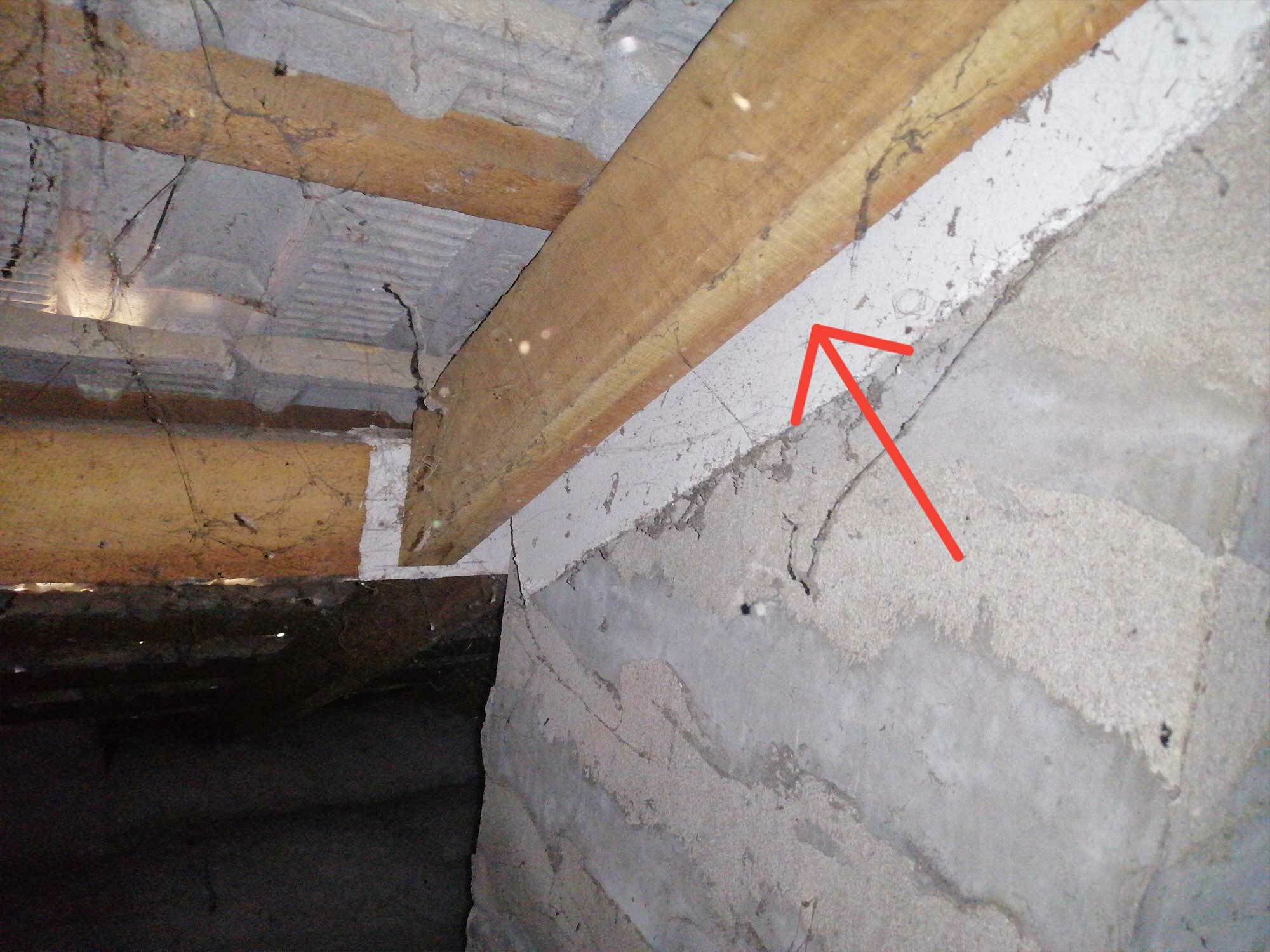
When you dig deeper right into a home's structure, you'll often discover covert asbestos hotspots that aren't promptly evident. It's not simply about old floor covering or wall surface panels-- products in less-visible locations can likewise contain asbestos. Attic vents are an usual instance, as older venting materials could include asbestos fibers to increase fire resistance. These fibers, if interrupted, can end up being air-borne and position significant health and wellness dangers. Basement insulation is another overlooked source. Asbestos was widely made use of in pipe wraps and shielding boards, specifically around central heating boilers and heating unit. Examining these areas requires technological proficiency and must follow regional and government asbestos laws. For your safety and security, always utilize accredited specialists to assess and remediate these hidden hotspots, as incorrect handling can breach regulations and jeopardize your wellness.
Beyond these concealed asbestos hotspots, it is essential to comprehend which locations of your home are most prone during removal. Normally, the extent of influence depends on where asbestos-containing products (ACMs) are situated and the extent of the job. You'll require to examine occupancy decisions very carefully, as specific rooms may end up being totally limited for safety and governing compliance. Safeguarding furnishings and individual possessions in influenced locations is important-- contamination risk is highest where ACMs are disrupted. https://eastfinchleyasbestosremoval.co.uk/services/soft-strip-demolition.html Locations most typically influenced consist of:
Appropriate containment and furnishings security are important to minimize interruption and exposure risks.
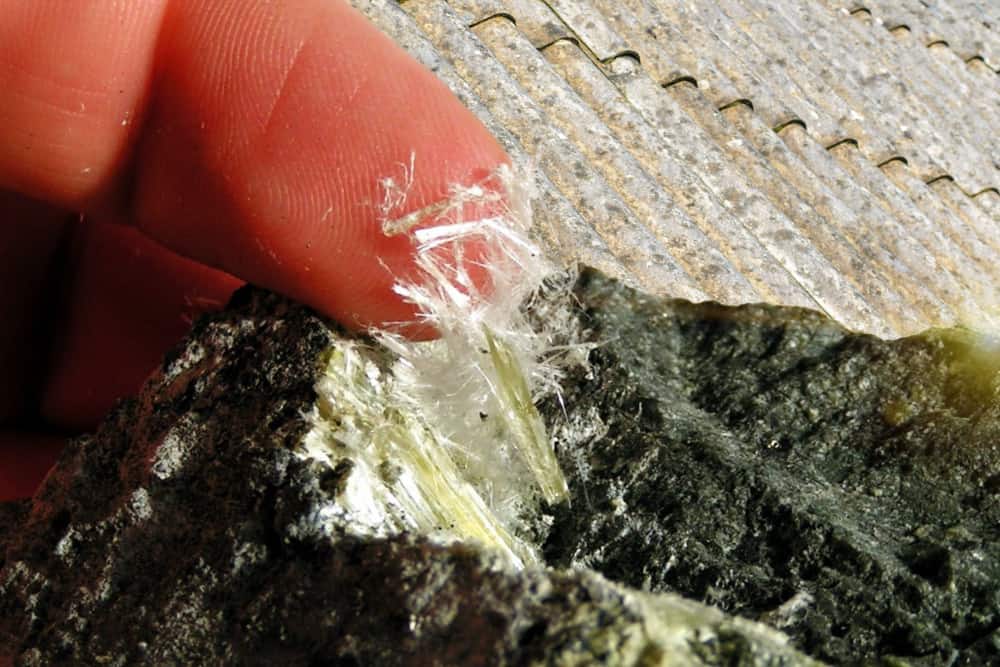
If asbestos fibers become airborne during removal, there's a considerable threat to your health and safety and security, which makes leaving your home essential. When asbestos-containing materials are disturbed, microscopic fibers can remain airborne and position severe respiratory threats if breathed in. Regulatory agencies, such as the EPA and OSHA, have stringent legal responsibilities concerning owner safety and security and direct exposure limitations. To abide, professionals frequently need you to leave the properties till removal is total and air testing verifies fiber degrees are secure.
Air screening is a critical action to confirm that no dangerous fibers remain after the process. By complying with these regulations, you're secured from inhaling unsafe bits. https://eastfinchleyasbestosremoval.co.uk/services/refurbishment-demolition-survey.html Eventually, leaving the premises isn't just a precaution-- it's a legal and safety and security demand throughout asbestos abatement.
You'll see that qualified asbestos experts use secured barriers to separate the work area and stop dust from escaping. They additionally employ adverse atmospheric pressure systems and put on specialized protective devices to adhere to safety and security regulations. These steps are created to decrease exposure dangers and keep your home environment safe.
While asbestos elimination is underway, specialists count on sealed workspace barriers to stop unsafe dust from escaping into other components of your home. These obstacles are constructed utilizing durable plastic sheeting and strong tape, guaranteeing a limited seal around doors, home windows, and HVAC vents. To comply with security regulations, service technicians establish airlock corridors-- double-layered entry points that employees make use of to securely go into and exit the contaminated area without dispersing fibers.
You'll notice that strict control testing is carried out in the past, throughout, and after removal. This verifies the stability of the obstacles and warranties no asbestos leaves. Effectively secured obstacles are a critical part of the process, and normally consist of:
Sealed barriers alone aren't enough to ensure asbestos fibers remain contained throughout elimination. Specialists utilize unfavorable pressure systems to maintain strict control over airborne pollutants. By creating a pressure differential, these systems make sure that air streams right into the work location however not out, stopping unsafe fibers from running away. Specialized control air flow devices draw air with HEPA filters, capturing tiny asbestos bits and maintaining secure air quality.
| Function | Purpose/Benefit |
|---|---|
| Negative Stress | Stops dirt from escaping the work zone |
| HEPA Filtering | Gets rid of asbestos fibers from the air |
| Stress Surveillance | Guarantees system effectiveness whatsoever times |
| Exhaust Placement | Directs filteringed system air securely outside the home |
| Regulatory Conformity | Fulfills OSHA and EPA safety and security requirements |
With these measures, you decrease threat, satisfy governing requirements, and help keep your home setting secure.

Outfitted with specialized safety equipment, asbestos reduction specialists minimize the risk of fiber exposure for both employees and homeowners. You'll discover that stringent safety and security protocols are applied to assure asbestos dust remains included within the workplace. Every team member need to go through respirator fit testing to ensure that their masks give a correct seal, preventing inhalation of hazardous fibers. Disposable coveralls are important, supplying full-body protection and guaranteeing pollutants aren't brought outside the control zone. Overshoes and gloves finish the safety ensemble.
Crucial element of specialized safety equipment consist of:
Following governing demands, this safety tools is thrown out or decontaminated prior to employees leave the website, reinforcing security for every person involved.
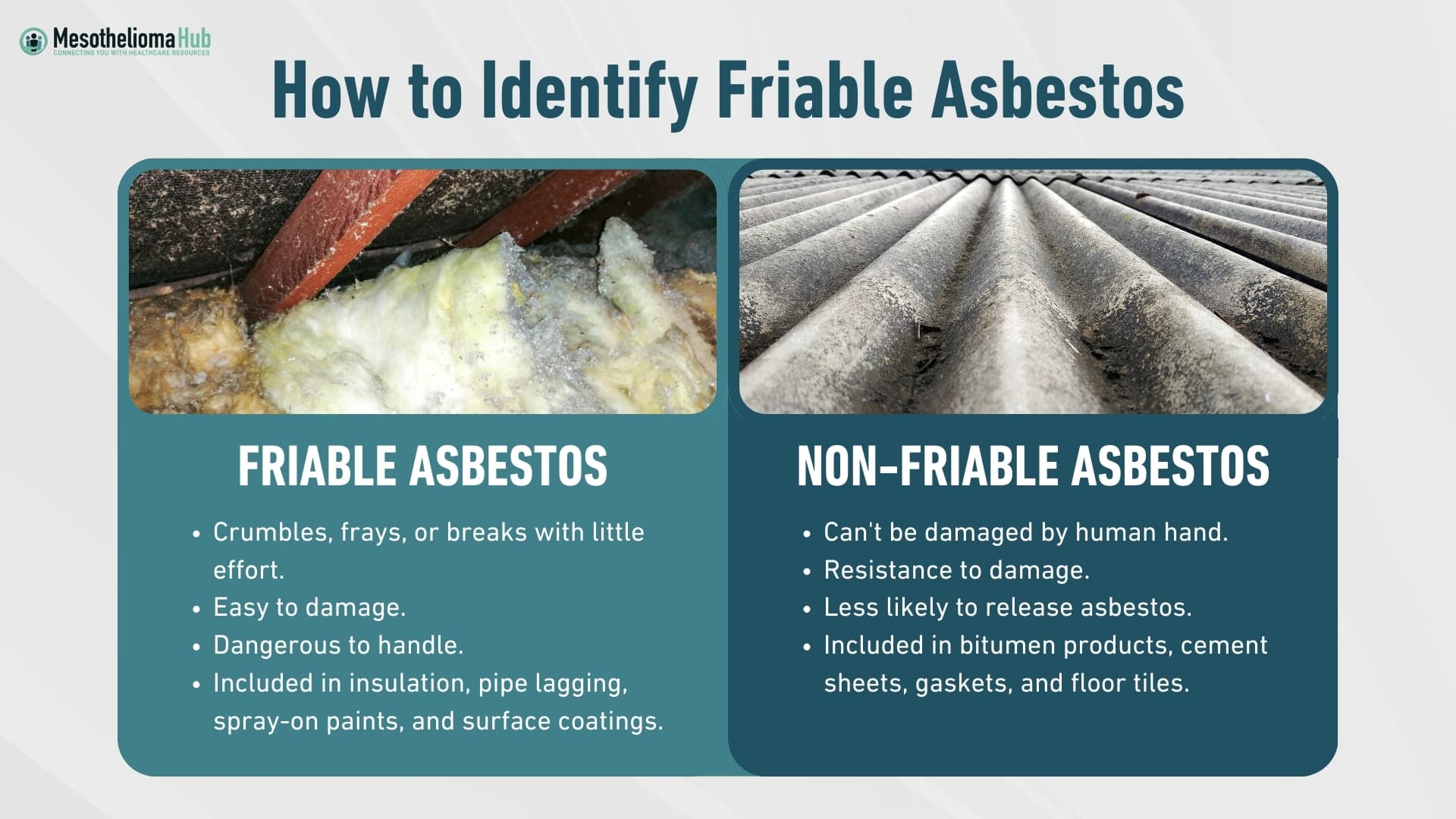
Depending on the scope of work and the details type of asbestos-containing materials entailed, asbestos elimination can take anywhere from a solitary day to several weeks. The asbestos timeline depends on several factors, such as the quantity of product present, its place, and whether friable (conveniently fallen apart) or non-friable materials are being resolved. Elimination phases usually include site preparation, containment setup, actual elimination, purification, and last air clearance testing. Each stage is regulated to guarantee security and conformity with local, state, and government standards. You'll discover that accredited contractors comply with strict protocols to minimize exposure threats and environmental contamination. If the area is substantial or complex, expect the asbestos timeline to be longer, given that security and precision can't be hurried throughout any kind of elimination phases.
Before certified professionals get here, it's essential to prepare your home according to regulatory standards to guarantee both safety and security and conformity. Start by removing individual belongings and furniture from the damaged area to stop contamination. Verify that pets and at risk individuals will not be present during the process. Safe access points, as asbestos containment requires strict obstacles and adverse air pressure systems. You'll desire to examine legal factors to consider, such as regional notification needs and documentation for proper waste disposal. Air sampling procedures may be implemented before and after removal, so accept professionals when setting up monitoring devices.
Step back into your home just after receiving explicit clearance from your asbestos abatement specialist or regional regulative authority. This verification guarantees all post elimination cleaning is full, and stringent regulative criteria have been met. You'll notice that all control obstacles and warning indications are removed. Professionals will certainly have carried out complete air top quality screening; paperwork of these outcomes must be available to you upon request. It's vital to review this report to verify airborne fiber degrees are well below permitted direct exposure restrictions. If you see residual dust or debris, contact your contractor immediately-- every surface needs to be thoroughly cleaned. Don't rearrange furnishings or interrupt previously had locations up until you're particular that re-occupancy is formally accepted. Following these steps maintains your safety and compliance with asbestos guidelines.
Generally, asbestos removal isn't covered by house owners insurance policy due to plan exclusions pertaining to pollution or dangerous products. Your insurance policy coverage usually excludes costs for routine asbestos abatement unless it arises from a protected hazard, like fire or storm damage. It's crucial you review your policy's details language and seek advice from with your insurance company for regulative conformity. Always prioritize safety and security and adhere to all lawful demands if asbestos is discovered in your house.
Expert asbestos removal normally sets you back in between $1,500 and $3,000 for a standard property job, yet estimated expenses can vary based upon the square video, area, and material kind. Removal timelines typically range from one to 5 days, depending on task intricacy. You'll intend to ensure your service provider follows all regulatory compliance demands, including control and air tracking, to guarantee safety throughout the procedure and stop harmful asbestos exposure in your house.
Yes, you may certify for government gives or low interest fundings to help cover asbestos removal expenses. It is necessary to inspect government, state, or local programs, as eligibility typically depends upon earnings, home kind, or improvement strategies. These programs aim to guarantee regulative compliance and promote security. Always verify that your contractor adheres to strict safety criteria and proper disposal treatments, as non-compliance can jeopardize both your funding and your health and wellness.
Yes, you can sell your residence if it has asbestos, yet you'll require to abide by disclosure regulations. You'll likely have to educate buyers regarding the presence of asbestos, and they may request an asbestos escrow-- funds reserved for future removal. Remediation settlement prevails, where you and the customer settle on that handles the reduction. Always prioritize safety and regulatory conformity to avoid legal or economic issues during the purchase.
You're legitimately required to supply seller disclosure concerning known asbestos in your home, as it's considered a material danger impacting residential or commercial property worth and passenger security. Laws vary by state, however the majority of require you to educate buyers if asbestos exists or suspected. Failing to reveal can lead to legal responsibility. It is very important to evaluate regional realty legislations to make sure full governing conformity and safeguard every person's wellness and rate of interests throughout the deal.