


|
|
|
|
|
|
|
Cryptocurrencies like Bitcoin and Monero are becoming increasingly popular in recent years. However, before you can make use of cryptocurrency, you must make a wallet to use it. A wallet is essentially the digital equivalent of a bank account which keeps your cryptocurrency. If you wish to utilize cryptocurrency, you will need to set up your own Monero wallet. In this blog post, we'll discuss what an Monero account is, and why it is important to use one.
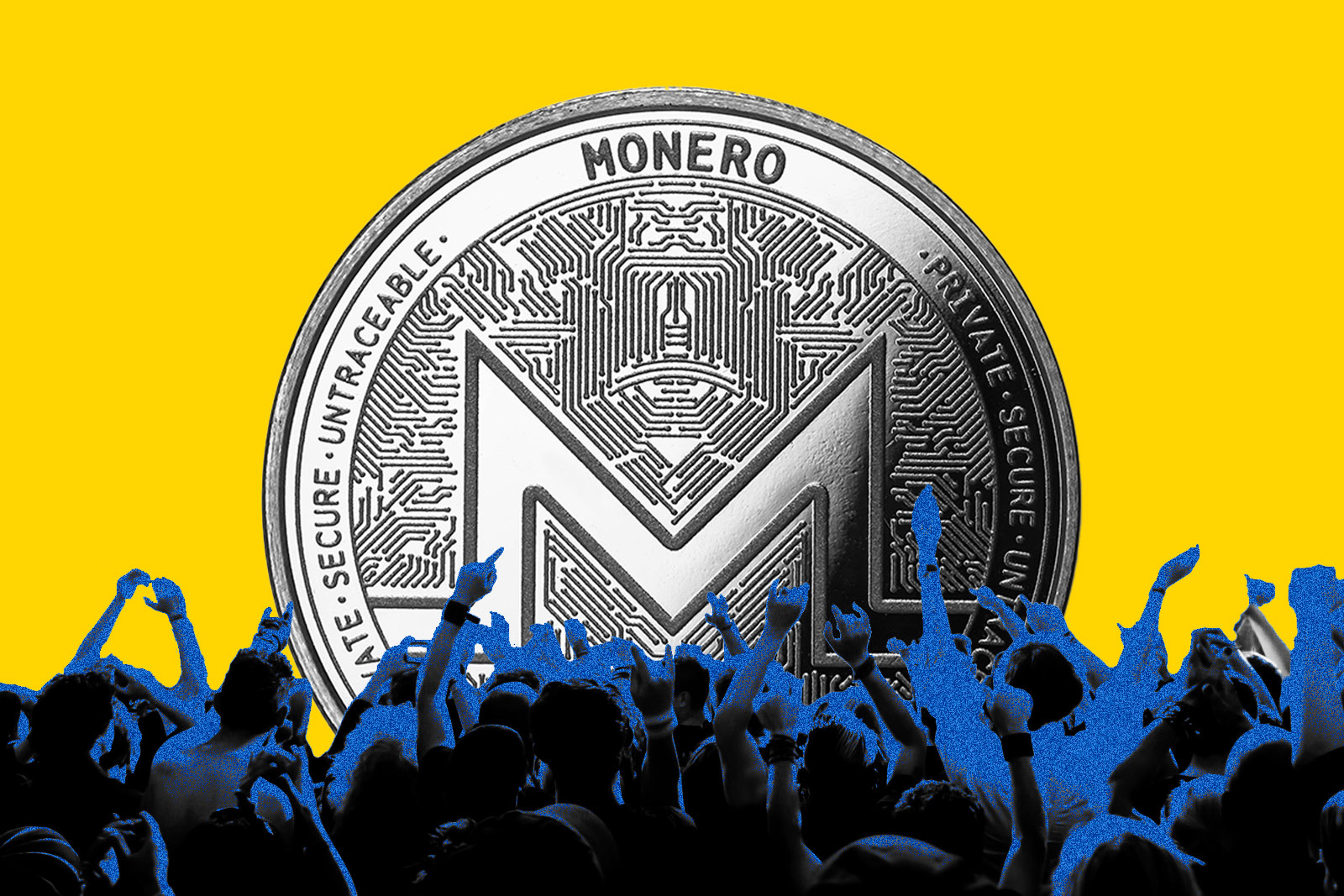
The Monero money-saving wallet works as an online or offline tool that stores XMR coins. It can be either a hot wallet or a cold wallet. Hot wallets are connected to the internet and are usually free to use, while cold wallets aren't and require additional hardware, such for an external device to store your data or a USB stick. Because they are not connected to the internet, cold wallets provide greater security for your coins however, they are more costly than hot wallets.
Monero wallets can be used both for sending and receiving payments in Monero (XMR). When sending money from the wallet, users need to enter the recipient's private address (a string of alphanumeric characters) into their wallet interface for the payment to process. When receiving payments from someone else, users have to provide them with their public address so that they can transfer funds to them.
Light wallets don't have to download the complete blockchain onto your computer as full node wallets do - instead, they rely on third party services such as servers or APIs to securely manage and store your money. This makes them faster than full node wallets , but they also come with some security risks such as potential data breaches or hacks if the server isn't secure by its provider. In addition, Xmr Wallet doesn't offer users the complete control of their money as full nodes. If you're looking for autonomy, then this isn't the best option for you.
The main objective of monero wallet is to Monero wallet is to provide secure security for XMR tokens while allowing users to easily send/receive payments from others as well as keep track of their transaction history and current balance information in a breeze. To achieve this goal the wallet employs several different technologies such as the cryptography algorithm (for security reasons) the decentralized consensus method (which keeps track of every transaction on the ledger of blockchain transactions) as well as the distributed hash table (for providing fast peer-to peer communication across nodes). These technologies together ensure that your funds stay secure while offering a simple design for the user to complete day-to-day tasks related to cryptocurrencies like receiving and sending payments fast without worrying about security concerns that come with transactions online today.

All in all, having one's personalized crypto storage solution gives users more control over their funds , while keeping them safe from potentially criminal actors on the web and ensuring security when conducting transactions online. In the end, choosing the appropriate type of crypto wallet will depend on the individual's needs, but when they do their research properly, users can ensure that they've identified a solution that can meet their requirements in a way that protects against risks that could arise from keeping digital assets online.