


|
|
|
|
|
|
|
| Powers Tarp | profile | guestbook | all galleries | recent | tree view | thumbnails |
Certified asbestos elimination is called for when you're taking care of risky or friable products, such as loose insulation, and involves strict governing controls, specialized training, progressed control, and government-issued qualification. https://highgateasbestosremoval.co.uk/services/refurbishment-demolition-survey.html Non-licensed elimination is just for lower-risk, intact asbestos products, allowing you to do limited work if you satisfy specific security procedures and have the right training. Using the incorrect approach can take the chance of both lawful and health and wellness consequences. Discover which circumstances particularly call for a certified specialist and exactly how to remain compliant.
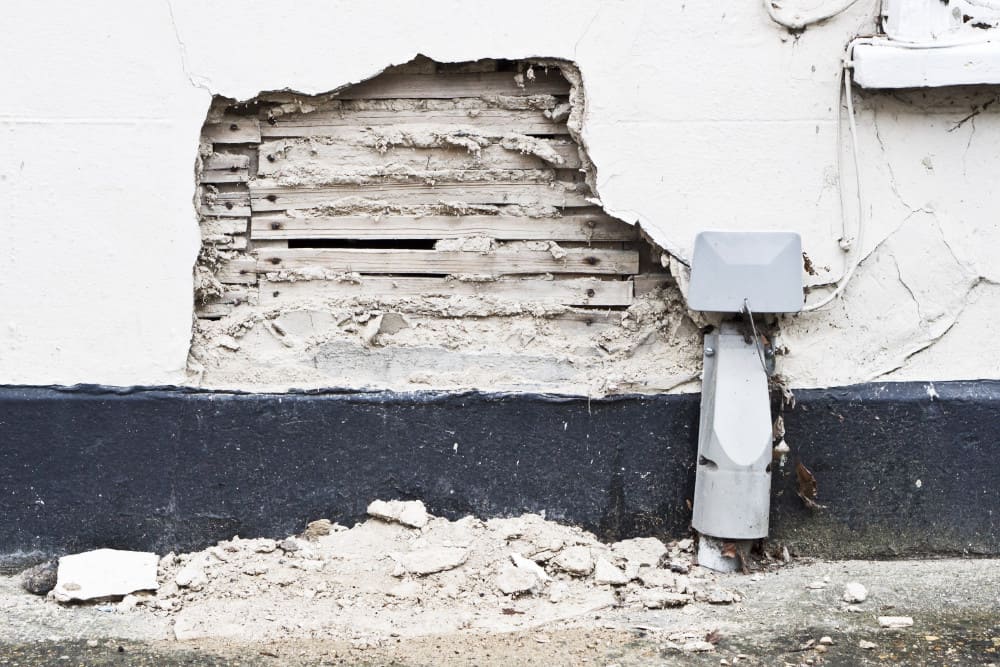
When handling asbestos, licensed removal refers to the process performed by professionals that hold a government-issued asbestos removal license. You'll discover that only people or companies with considerable asbestos training and elimination certification are lawfully allowed to deal with risky asbestos materials. This assures strict adherence to security methods described by regulative authorities. By working with qualified professionals, you're lessening exposure risks to on your own and others, as these service providers are trained to include, eliminate, and dispose of asbestos safely and compliantly. They make use of customized devices and follow managed procedures, including controlled wetting, secured units, and air monitoring. Failure to use qualified removal where called for can bring about legal charges and enhanced carcinogen. Constantly verify elimination qualification prior to continuing with any kind of asbestos job.
If you're exploring non-licensed asbestos removal, it is essential to recognize that this procedure involves dealing with lower-risk asbestos-containing materials, as specified by health and wellness policies. You'll need to comply with strict guidelines, even though an official license isn't called for. Trick aspects include meeting training needs, utilizing individual safety equipment, and preparing for emergency feedback scenarios. You should still identify the product, assess its problem, and make sure any kind of job is documented.
Right here's a simple contrast table:
| Demand | Non-Licensed Removal |
|---|---|
| Educating Needs | Compulsory awareness |
| Emergency Situation Reaction Procedures | Need to be developed |
| PPE Use | Called for |
Always keep in mind, also lower-risk work demands compliance with policies to protect both yourself and others from asbestos direct exposure. Don't ignore paperwork and safe garbage disposal practices.
You'll require a certified professional when the job entails high-risk asbestos products or intricate removal procedures. Rules require licensed professionals for tasks where direct exposure threats are significant or where expert devices and control are necessary. It's important to recognize these situations to assure legal compliance and shield everybody's health and wellness.
Dealing with risky asbestos products asks for strict governing conformity, as these work usually entail items that can launch unsafe fibers into the air. If you're managing friable insulation or heritage cement, you need to be aware that these materials are identified as high-risk as a result of their potential to quickly break apart and end up being air-borne. Just certified contractors are authorized to take care of such products since any disturbance can posture significant health threats and legal liabilities. Here's exactly how high-risk materials generally show up:
| Material Kind | Aesthetic Example |
|---|---|
| Friable Insulation | Soft, crumbly pipeline cover |
| Heritage Cement | Old corrugated sheeting |
| Splashed Coatings | Flaking ceiling surfaces |
You must never try to remove or disrupt these without appropriate licensing and controls in area.
Although some asbestos-containing products might appear workable, complicated elimination procedures usually require the experience of a accredited contractor due to rigorous regulatory demands and raised health and wellness threats. If you're dealing with tasks such as substantial asbestos encapsulation, removal of splashed finishes, pipeline lagging, or insulation board, you need to make use of qualified experts. These work create considerable air-borne asbestos fibers and require extensive control procedures, including specialized breathing defense, adverse pressure rooms, and air surveillance. Regulative bodies mandate strict adherence to safety and security procedures, waste disposal, and notice procedures for such high-risk activities. Attempting complex eliminations without correct licensing reveals you and others to lawful charges and extreme wellness dangers. Always consult a certified service provider when the extent, range, or kind of asbestos job goes beyond easy, non-friable materials.
Asking yourself under what conditions non-licensed asbestos job is really allowed? You're only enabled to execute non-licensed work when the product is reduced risk-- usually securely bound, intact, and not likely to release fibers if dealt with properly. Governing bodies purely lay out which jobs qualify, so do not drop for DIY misconceptions concerning "secure" removal without correct support. Community outreach programs are vital, informing the public on when expert intervention is essential. Below's a quick failure:
| Asbestos Kind | Example Product | Non-Licensed Allowed? https://highgateasbestosremoval.co.uk/services/soft-strip-demolition.html |
|---|---|---|
| Adhered (intact) | Concrete sheets | Yes |
| Friable (crumbly) | Loose insulation | No |
| Somewhat damaged | Distinctive coverings | Sometimes * |
* Depends on the extent of damages and local guidelines. Always check the most recent support before starting any kind of work to lessen direct exposure risk.
Also if you've recognized asbestos-containing materials as low risk, the safety criteria for their removal vary considerably relying on whether the work is qualified or non-licensed. When you carry out licensed asbestos removal, you must abide by strict procedures: comprehensive worker training, rigorous exposure tracking, and progressed containment techniques to protect against fibre launch. Accredited contractors are also called for to carry out comprehensive emergency situation action treatments for unintended disturbances.
For non-licensed removal, safety and security standards are less rigid, however you're still responsible for ensuring workers receive ideal training, use fundamental containment approaches, and monitor direct exposure where essential. Emergency response plans should exist, though they're commonly less complicated than those in accredited work. Eventually, understanding these differences helps you make sure compliance and reduce health and wellness threats throughout any kind of asbestos elimination project.
Recognizing the difference between accredited and non-licensed asbestos removal implies you likewise need to be familiar with the strict lawful structure regulating such work in the UK. Asbestos regulation, mostly the Control of Asbestos Laws 2012, lays out exactly that can eliminate asbestos and under what circumstances. You should make sure removal compliance by following the regulations concerning alert, training, and the kind of asbestos-containing product entailed. Licensed removal is required for higher-risk asbestos work and must be carried out by contractors holding a legitimate HSE certificate. Non-licensed removal is only permitted for lower-risk materials, yet you're still legally obliged to keep thorough threat evaluations, supply correct training, and maintain comprehensive documents. Not adhering to these policies can lead to prosecution and significant fines.
If you attempt asbestos removal without correct licensing, you're subjecting on your own and others to substantially greater health dangers as a result of unchecked fiber launch. You're likewise subject to rigorous legal repercussions, including considerable fines and prosecution under UK guidelines. It's essential to understand that non-compliance places both your security and lawful standing at serious risk.
While non-licensed asbestos elimination may feel like a cost-saving alternative, it considerably raises the risk of exposure to unsafe asbestos fibers. Without appropriate training and tools, you're much more likely to disturb asbestos products, launching tiny fibers into the air. Breathing of these fibers can result in long term disease, including asbestosis, lung cancer cells, and mesothelioma. Certified professionals utilize rigorous air top quality surveillance to assure fiber degrees continue to be risk-free during and after elimination-- non-licensed drivers normally do not. This absence of monitoring methods you, your family members, or structure residents could unwittingly inhale hazardous fibers for months or perhaps years. The carcinogen aren't simply immediate; they gather over time, turning what felt like a small risk into a serious, long-term threat to your well-being.
Beyond the serious health and wellness dangers, non-licensed asbestos removal can reveal you to significant lawful repercussions. If you carry out asbestos elimination without correct licensing, you're violating stringent regulations set by health and wellness authorities. Governing bodies can impose substantial legal penalties, frequently running right into thousands of dollars, for unauthorized handling or disposal of asbestos-containing products. In many jurisdictions, repeat or outright offenses may rise to criminal charges, consisting of potential prosecution, court looks, and also jail time. These penalties aren't restricted to companies; house owners and contractors alike are held responsible. Failing to abide by asbestos guidelines can likewise cause civil responsibility if others are hurt. To avoid these dangers, constantly engage qualified specialists who understand the legal frameworks and compliance responsibilities surrounding asbestos removal.
Navigating the prices and insurance coverage demands for asbestos removal demands cautious focus to regulative obligations and prospective financial risks. You'll discover that insurance policy costs are normally higher for qualified asbestos elimination due to the enhanced risk account and more stringent oversight. Costs distinctions emerge based on whether the specialist is accredited or non-licensed, the nature of the job, and the degree of regulative compliance. Always inspect case limits, as these define the maximum insurer payment in case of contamination or responsibility. Policy exemptions are just as critical-- they might leave out coverage for inappropriate elimination or non-compliance with guidelines.
To identify if your asbestos task needs a license, you'll require to determine the kind of asbestos product involved and examine just how conveniently fibers could come to be air-borne. Regulations specify higher controls for tasks with friable materials or substantial direct exposure dangers. If you're not sure concerning either variable, it's vital to speak with official guidance prior to proceeding.
Determining the kind of asbestos material existing is important for determining whether your removal job calls for an accredited contractor. You need to distinguish between asbestos-containing products (ACMs) that are friable (quickly crumbled) and non-friable (even more strong and much less likely to release fibers). Exact product identification is essential-- visual checks alone aren't enough. You need to set up for professional example screening to validate asbestos type and material, as policies need this action prior to taking further activity. The characteristics and condition of the material will certainly determine if a license is necessary for elimination.
As soon as you've verified the visibility and sort of asbestos material, it's critical to evaluate the potential direct exposure threat before deciding if a qualified asbestos contractor is needed. https://highgateasbestosremoval.co.uk/services/garage-shed-roof-removal.html Beginning by thinking about how likely asbestos fibers might become air-borne during your planned job. If disruption is minimal, danger may be reduced; nevertheless, risky tasks require stricter controls. Reliable danger analysis involves airborne surveillance, which gauges fiber concentrations in real-time, and negotiation sampling, which checks for recurring fibers after work. These techniques help figure out if direct exposure goes beyond lawful thresholds, causing a need for licensed elimination.
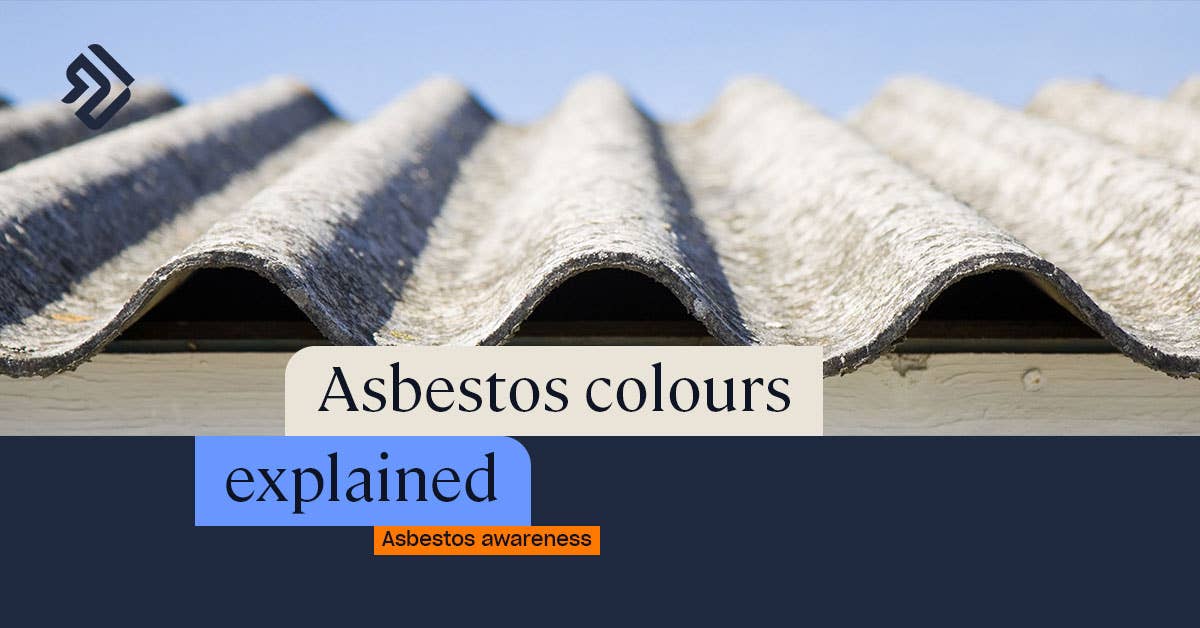
| Risk Factor | Regulative Demand |
|---|---|
| High fiber launch | Licensed specialist obligatory |
| Marginal disturbance | Non-licensed work may be enough |
| Airborne degrees surpass limit | Immediate licensed treatment |
With the considerable wellness dangers presented by asbestos direct exposure, it's crucial that you just involve a certified asbestos removal professional who satisfies strict regulative needs. To guarantee conformity and security, beginning by verifying that any type of professional is formally accredited for asbestos operate in your territory. Accredited specialists are needed to comply with strenuous procedures, maintain appropriate insurance policy, and follow safety requirements. Always request removal approximates in writing and compare them to gauge both expense and conformity.
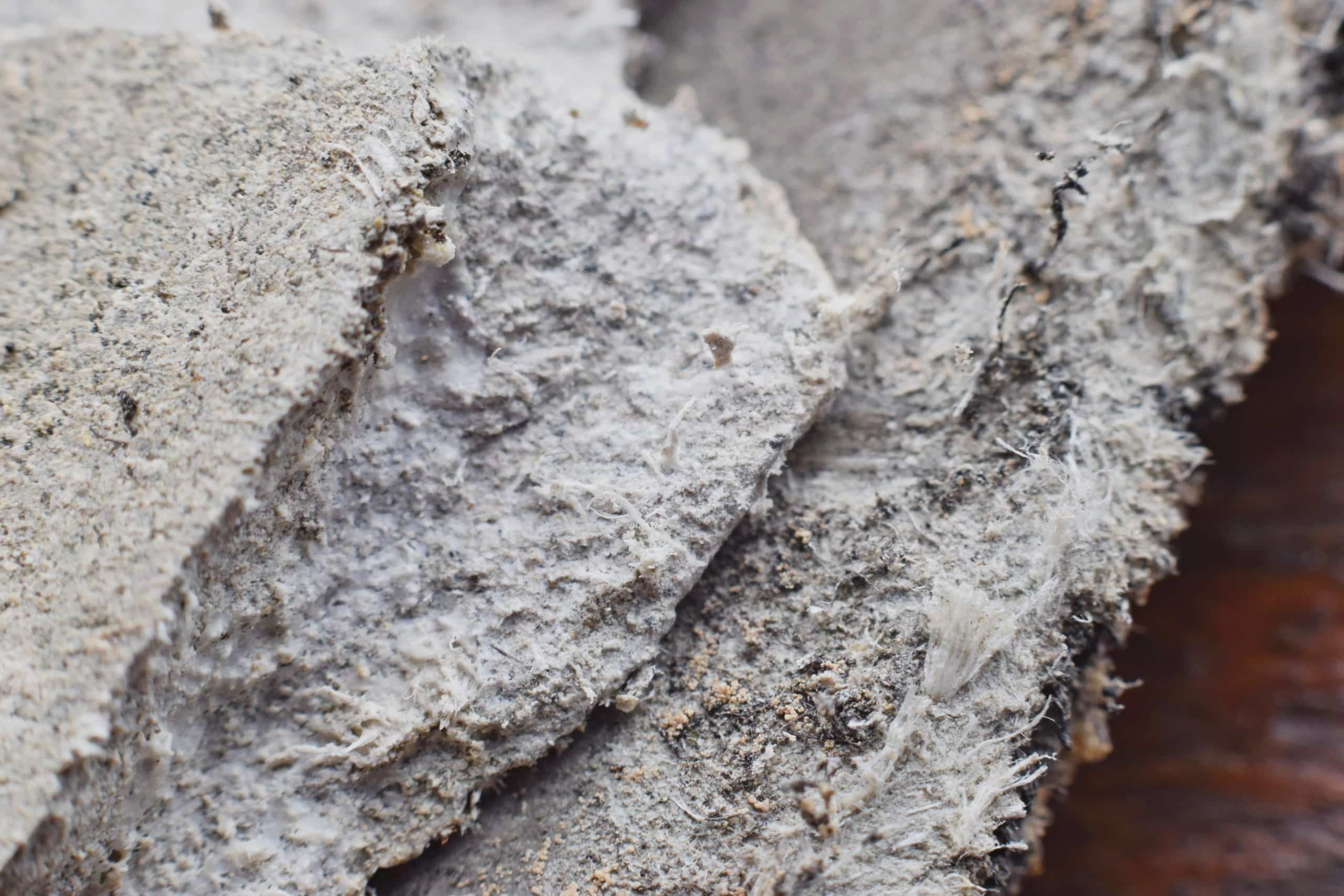
Picking properly reduces wellness and lawful threats.
Needs to asbestos-containing material ended up being disturbed-- whether by crash or during restoration-- it's crucial to act instantly to restrict fiber launch and direct exposure. First, quit all job and leave the area to protect against further contamination. Do not try to tidy up particles on your own. Adhere to emergency situation procedure by sealing the afflicted area, switching off cooling and heating systems to avoid dispersing fibers, and posting indication. Contact a licensed asbestos elimination professional promptly; only experienced specialists must examine and remediate the circumstance in compliance with regulative criteria. After exposure, look for clinical assessment, particularly if you've inhaled dirt or have existing breathing problems. Record the incident for governing coverage if required. Acting promptly and following appropriate emergency situation protocol decreases health and wellness threats and assurances legal compliance pertaining to asbestos disruptions.
No, you can't typically dispose of asbestos waste at your regional recycling centre as a result of rigorous asbestos disposal and reusing constraints. Asbestos presents severe health and wellness dangers, so regulations require it to be dealt with and moved by accepted centers or licensed professionals. Never ever mix asbestos with routine waste or recycling. Constantly talk to your regional authority for specific support, as incorrect disposal can result in considerable penalties and endanger public health and safety and security.
Asbestos elimination typically takes anywhere from a couple of hours to several days, depending on the quantity and kind of material, size of the area, and intricacy of control setup. You'll require to element in time for correct air surveillance previously, during, and after removal to confirm fiber degrees are risk-free and compliant with guidelines. Do not rush-- danger understanding and strict adherence to treatments aid secure everybody from possible asbestos exposure during the procedure.
If you discover asbestos throughout remodelling, you need to quit job immediately as a result of substantial health threats. You're legally obligated to analyze the material and notify appropriate authorities, following guidelines like the Control of Asbestos Laws 2012. Just educated professionals should take care of the removal to minimize direct exposure. Overlooking these lawful responsibilities can result in serious penalties and boosted wellness threats for residents and employees, so always make particular conformity and prioritize security methods.
Sealing, securing, and safeguarding-- of course, you have actually obtained alternatives to outright asbestos removal. Encapsulation methods, like finishing or confining products, can successfully stop fibers from coming to be air-borne, substantially decreasing health and wellness risks. Nonetheless, you'll require to purely comply with regulatory requirements and assurance continuous tracking. Keep in mind, while encapsulation's efficient short-term, it doesn't get rid of the asbestos itself, so you should remain watchful regarding possible future disturbances or damage, always focusing on security and compliance.
Yes, asbestos removal can considerably affect your residential or commercial property's worth. If you address asbestos properly, you'll likely prevent residential or commercial property depreciation and may also enhance resale value. https://highgateasbestosremoval.co.uk Nonetheless, inappropriate elimination or leaving asbestos in location might run the risk of regulative offenses, leading to insurance policy effects or denied claims. You need to assure conformity with neighborhood laws, as stopping working to do so not only influences bankability however can also subject you to substantial obligation and increased insurance premiums.