


|
|
|
|
|
|
|
| Leach Stougaard | profile | guestbook | all galleries | recent | tree view | thumbnails |
As a company, you're legitimately called for to identify, examine, and control asbestos threats in your workplace. You need to perform professional studies, maintain thorough documents, interact threats, and make certain only experienced workers deal with asbestos-containing materials. Conformity involves routine threat evaluations, keeping an asbestos management strategy, and prompt reaction to unintentional disturbances. Noncompliance can suggest penalties or criminal fees. Understanding your duties is crucial-- learn essential conformity steps, control steps, and training essentials below to maintain your personnel and organization protected.
You'll frequently come across asbestos in older buildings and industrial products, as it was commonly utilized for its warmth resistance and sturdiness. Asbestos describes a team of normally occurring fibrous minerals. The primary danger originates from breathing in airborne fibers, which are launched when asbestos-containing materials are disturbed. These fibers are the major direct exposure pathways, going into the respiratory system and building up in lung tissue. Over time, direct exposure can cause major health and wellness effects, such as asbestosis, lung cancer cells, and mesothelioma cancer. Governing agencies like OSHA and the EPA have actually identified asbestos as a hazardous material because of these risks. As a company, you need to evaluate the visibility of asbestos to stop exposure and apply control steps, guaranteeing conformity with all pertinent occupational safety and security standards.

When examining office threats, it's vital to recognize areas where asbestos might turn up, specifically in structures constructed prior to the 1980s. You'll frequently discover asbestos-containing materials in locations like pipeline lagging, boiler rooms, and behind wall surfaces as concealed insulation. Ceiling floor tiles, flooring ceramic tiles, and roof materials are typical sources too. Even textured coatings and fire doors might hide asbestos fibers. Regulative assistance needs you to examine structure records or payment professional studies to find these materials accurately. Do not ignore much less noticeable locations-- electrical switchboards, HVAC ductwork, and cement sheeting may all harbor asbestos. A detailed danger analysis guarantees you adhere to health and safety policies, aiding you manage or remove asbestos properly and secure your labor force from potential direct exposure.
Although asbestos can pose a danger to anyone in an infected setting, workers participated in construction, demolition, maintenance, and refurbishment job encounter the highest degree of direct exposure. As an employer, you should identify that construction workers are specifically susceptible when troubling structure materials that might have asbestos fibers. Shipyard employees are also at considerable risk due to the historic usage of asbestos in shipbuilding and fixings. Tradespeople involved in plumbing, electrical, or a/c tasks can unintentionally release fibers throughout regular activities. Anyone associated with activities that interrupt asbestos-containing materials-- such as reducing, exploration, or fining sand-- is at increased risk. By determining which roles are most revealed, you can focus on monitoring and apply control procedures to alleviate air-borne fiber release, minimizing work wellness risks within your labor force.
Also if your workplace does not consistently manage asbestos, you're still lawfully bound to analyze, handle, and regulate any asbestos dangers that might feed on site. Governing frameworks need you to determine sources of asbestos, assess the potential for employee direct exposure, and carry out control procedures. If you involve third-party professionals, you should likewise attend to specialist liability by connecting known dangers and making certain risk-free work methods.
| Lawful Obligation | Description |
|---|---|
| Danger Evaluation | Determine and assess asbestos existence. |
| Direct exposure Controls | Apply procedures to lessen worker direct exposure. |
| Information Sharing | Notify staff members and service providers of risks. |
| Paperwork | Keep records of analyses and activities taken. |
Failure to conform may result in considerable legal and economic consequences. Constantly focus on compliance to protect health and fulfill your legal responsibilities.
You're needed to comply with stringent asbestos policies that influence your daily procedures and workplace policies. Failing to meet these requirements can result in significant penalties and lawsuit. Precise recordkeeping and prompt coverage are important to show compliance and reduce prospective risks to your service.

When taking care of an office where asbestos might be present, it's crucial to comprehend that federal and state laws impose stringent lawful requirements on employers. You're required to stay upgraded on regulatory updates from agencies like OSHA and the EPA, as these often dictate particular procedures for asbestos analysis, control, and employee protection. Carrying out routine compliance audits is vital to confirm that your work environment fulfills all existing demands, including appropriate recognition, labeling, and risk-free handling of asbestos-containing materials. You have to additionally make sure that staff members receive ideal training and that all paperwork is kept. Failing to apply a risk-based method and abide by these compliance standards boosts obligation. By proactively straightening your operations with lawful requireds, you'll decrease danger and keep a risk-free atmosphere for your workforce.
Meeting lawful compliance needs isn't practically meeting administrative assumptions-- it's a safeguard versus significant fines that can directly impact your business. If you stop working to stick to asbestos policies, you could encounter a series of charge rates. These tiers are based upon the intensity and regularity of violations, with greater fines for duplicated or willful non-compliance. Current enforcement fads reveal that governing companies are progressively positive, typically conducting arbitrary inspections and acting swiftly when violations are identified. Charges might consist of considerable monetary penalties, service permit suspension, or perhaps criminal costs in instances of gross negligence. It's important to evaluate your risk direct exposure and implement strenuous asbestos management techniques, as enforcement trends indicate that companies are focusing on health and wellness violations more than ever before.
Although regulative needs can seem complicated, maintaining exact documents and timely reports is a non-negotiable facet of asbestos conformity. You're called for to maintain comprehensive asbestos logs, documenting inspections, danger assessments, maintenance activities, and any kind of therapeutic activities taken. These logs support regulatory audits and demonstrate your due diligence in mitigating asbestos threats. Occurrence coverage is equally as essential-- any unintended disruption or direct exposure occasion need to be immediately documented and reported to the appropriate authorities. Falling short to fulfill these responsibilities can raise your responsibility and risk regulative penalties. Ensure your recordkeeping systems are durable and accessible, and frequently testimonial entrances for efficiency and accuracy. By adhering to these responsibilities, you lessen legal exposure and safeguard both employee safety and security and your company's online reputation in the eyes of regulatory authorities.
You'll need to identify common asbestos-containing products, such as insulation, ceiling ceramic tiles, and flooring, especially in structures constructed before governing restrictions. To satisfy your legal obligations and properly analyze danger, it's important to organize for a specialist asbestos survey. This procedure warranties compliance and helps avoid unintended direct exposure on your premises.
Several building products-- specifically those mounted before the late 1990s-- might contain asbestos, making on-site recognition critical for governing compliance and threat monitoring. As a company, you need to know the most common asbestos-containing materials (ACMs) located on your properties. Friable insulation, such as pipeline lagging or splashed coverings, presents an especially high risk due to the fact that fibers can quickly become air-borne if disturbed. Decorative tiles, including ceiling and floor ceramic tiles, are likewise constant resources-- these may look harmless however can have asbestos as a fireproofing or reinforcing agent. Other suspect products consist of roofing really felt, concrete panels, and some textured paints. Exact identification aids you evaluate potential exposure and execute proper controls, guaranteeing both lawful conformity and the security of those on website.
Prior to any improvement, demolition, or maintenance work begins, appointing a expert asbestos survey is a governing demand for employers responsible for work environment safety. You have to ensure a proficient land surveyor performs a comprehensive evaluation, making use of sophisticated survey modern technologies to precisely spot asbestos-containing products. Asbestos mapping is an important element-- land surveyors record the specific locations, problem, and degree of any asbestos on your premises. This mapping sustains effective risk evaluation and educates your asbestos management strategy, making sure compliance with legislation and reducing direct exposure dangers for workers and professionals. Failing to comply with these steps can result in regulative penalties and severe health and wellness consequences. Constantly request a in-depth study record and maintain records updated, as this paperwork is vital for continuous work environment security and lawful liability.
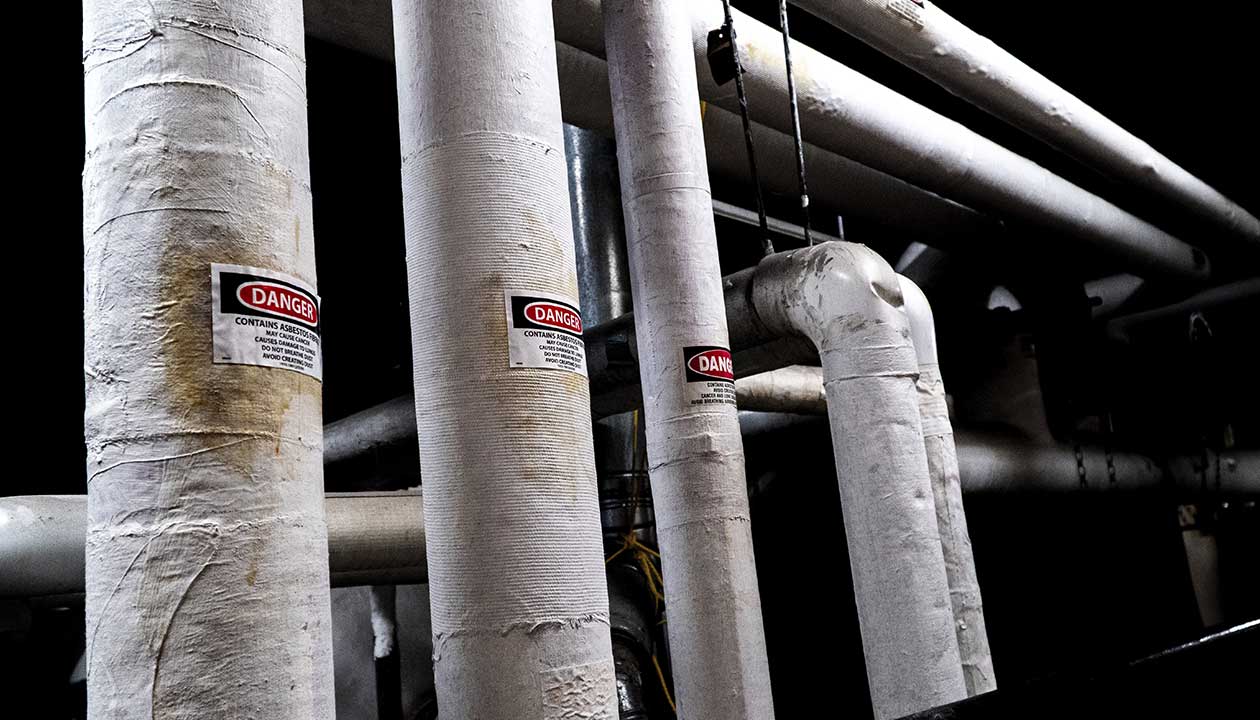
In conformity with governing needs, establishing a reliable asbestos management strategy begins with a complete danger assessment of all products believed to contain asbestos within the office. You'll need to recognize, paper, and routinely evaluation asbestos-containing materials (ACMs) to ensure recurring compliance. Your strategy should additionally attend to event reaction treatments to alleviate potential exposures if ACMs are disrupted. Appoint clear duties, keep records, and apply control actions based upon your risk assessment searchings for. The table listed below summarizes crucial plan parts:
| Element | Objective | Frequency |
|---|---|---|
| Danger Analysis | Determine ACMs and examine direct exposure | Annually/As needed |
| ACM Register | Document locations and problems | Recurring |
| Occurrence Response | Outline actions for accidental releases | Immediate |
| Strategy Review | Update procedures and controls | Every year |
Keep positive to reduce threats and protect office safety and security.
Also when asbestos-containing materials stay undisturbed, complete safety training is important to guarantee employees acknowledge potential hazards and comprehend needed control measures. You are in charge of making sure all personnel get guideline on asbestos recognition, associated wellness dangers, and the value of compliance with laws. Training needs to highlight risk-free job methods, consisting of just how to avoid disturbing asbestos materials throughout routine tasks. Staff members have to additionally discover the correct usage and restrictions of individual safety tools (PPE), ensuring they recognize when and exactly how to use respirators, disposable coveralls, and handwear covers. Highlighting danger evaluation procedures assists staff review their job atmosphere and record believed asbestos. By focusing on targeted training, you minimize the risk of unintended exposure and show your commitment to governing responsibilities and office safety.
Ought to asbestos-containing materials become disturbed in your workplace, prompt action is required to lessen the danger of airborne fiber exposure and guarantee compliance with wellness and safety and security policies. First, launch your emergency situation reaction plan: leave the damaged location and limit gain access to to avoid further disruption. Alert all appropriate workers, including your marked asbestos coordinator and any regulative authorities as needed. Do not attempt to clean or eliminate debris yourself; only certified asbestos professionals need to manage remediation. Set up for prompt air tracking to evaluate the focus of asbestos fibers and identify if extra controls are needed. Keep clear incident records and communicate findings with your team. By adhering to these steps, you'll safeguard staff member wellness, limit ecological contamination, and demonstrate due persistance in managing asbestos risks.
Effectively managing disruptions of asbestos-containing products isn't just concerning immediate safety and security-- it's likewise essential to preventing pricey charges for regulatory infractions. To guarantee conformity, you must carry out rigorous procedures, maintain documentation, and routinely assess your asbestos monitoring plan. https://westcombeparkasbestosremoval.co.uk/services/soft-strip-demolition.html Regulatory agencies expect you to demonstrate continuous dedication to employee protection and danger reduction.
Below's just how you can stay clear of charges for asbestos infractions:
Rigorous adherence lessens legal, economic, and health and wellness dangers.
No, you should not attempt do it yourself removal of asbestos, also if you're a local business owner. Lawful threats are significant-- most regulations require accredited specialists to take care of asbestos as a result of health and wellness requirements. If you eliminate it on your own, you can encounter penalties, liability for employee exposure, and violations of office security laws. Constantly conduct a threat analysis and seek advice from regulatory standards before any asbestos-related work to assure conformity and safeguard every person's wellness.
Rates for specialist asbestos elimination actually array, mirroring regional variance and governing demands. Typically, you'll locate rates run between $1,500 and $3,000 for a small task, yet expenses can climb up promptly if the area's comprehensive. Always assess dangers and ensure professionals follow neighborhood laws and licensing. Don't cut edges-- appropriate treatments shield health and wellness and aid you avoid substantial fines. Check your region's ordinary prices prior to you devote to any kind of contractor.
Yes, you can access federal government grants or reduced interest loans for asbestos removal, depending upon your location and eligibility. It is essential to assess regional, state, and government programs, as policies require stringent conformity and correct threat analysis. Looking for financial help generally includes recording the extent of asbestos danger and prepared abatement measures. You'll need to ensure all remediation tasks fulfill regulative criteria to certify for readily available funding alternatives.
If your staff member rejection strikes like a bolt from the blue, you can not ignore it-- you're legally obligated to explore. Quickly perform a detailed threat analysis and paper findings. If there's credible danger, initiate a job stoppage and address the hazard. Seek advice from guidelines to ensure adherence and communicate transparently with your team. Keep in mind, your technique to staff member refusal directly impacts your lawful standing and office security society, so manage it by the publication.
You need to interact asbestos threats to going to contractors by performing pre-arrival briefings that clearly outline prospective asbestos-containing areas, control measures, and emergency situation procedures. Use contractor signage in all pertinent areas to reinforce threat awareness and regulative compliance. Make certain you offer thorough threat assessments and safety and security methods, so specialists recognize their responsibilities. Record all rundowns and signage positioning to show adherence to lawful requirements and ideal methods in managing asbestos risks on-site.