


How CPR Saves Lives: The Physiology of a Rescue
CPR is a scientifically-backed technique that performs two vital functions when the heart has stopped:
Artificial Circulation: Chest compressions manually pump the heart, forcing oxygenated blood to the brain and other vital organs. The brain begins to suffer irreversible damage after just 4-6 minutes without oxygen. CPR keeps a trickle of blood flowing, "buying time" until advanced care arrives.
Artificial Ventilation: Rescue breaths (or the compression-only method, which is also taught) help oxygenate the blood being circulated. This combination of compressions and breaths supports the entire body’s basic metabolic needs during a period of clinical death.
Without CPR, the person's chance of survival approaches zero within minutes. With it, you are actively preserving their life, preventing brain death, and maintaining the possibility of a successful resuscitation once paramedics take over with advanced life support and defibrillation.
The Ripple Effect of Widespread CPR Training
The importance of CPR training extends beyond the individual skill. It creates a safer, more resilient community.
Overcoming the Bystander Effect: In emergencies, people often freeze, assuming someone else will act. CPR training breaks this psychological barrier. It instills a "duty to act" mentality, transforming hesitation into decisive, life-saving action.
Empowerment and Confidence: Training replaces fear with knowledge. Participants learn not only the steps but also how to assess a scene, call for help effectively, and use an Automated External Defibrillator (AED)—a device that is increasingly available in public spaces.
Protecting Loved Ones: Approximately 70% of cardiac arrests happen at home. The life you save with CPR is most likely to be someone you know and love: a spouse, a parent, a child. This fact alone makes CPR training one of the most meaningful investments a person can make in their family's safety.
Creating a Chain of Survival Community: The more people trained in a community, the stronger its "chain of survival" becomes. From workplaces requiring certified staff to schools training teachers and students, widespread knowledge turns entire populations into potential first responders.
Addressing Common Fears and Misconceptions
Many hesitate to perform CPR due to understandable fears. Quality training directly addresses and alleviates these concerns:
Fear of Hurting Someone: A common refrain is, "What if I break a rib?" While rib fractures can occur, they are treatable. The alternative—allowing someone to die—is far worse. As trainers emphasize, "A broken rib heals; death is permanent."
Fear of Legal Repercussions: Good Samaritan laws across Canada, including in Manitoba, protect bystanders who act in good faith to provide emergency aid.
Fear of Doing It Wrong: The core mantra of modern CPR is: "Any attempt at CPR is better than no attempt." Even imperfect compressions can sustain life. Training builds muscle memory and confidence to act despite the pressure.
Finding the Right Training: The Value of Winnipeg CPR Courses
For those convinced of the need for training, the next step is finding a reputable program. This is where seeking out certified Winnipeg CPR courses is essential. Not all training is created equal. Accredited courses, often offered by organizations like the Canadian Red Cross, Heart & Stroke Foundation, or St. John Ambulance, provide:
Standardized, Evidence-Based Curriculum: You learn the latest guidelines, which are updated regularly based on international medical research.
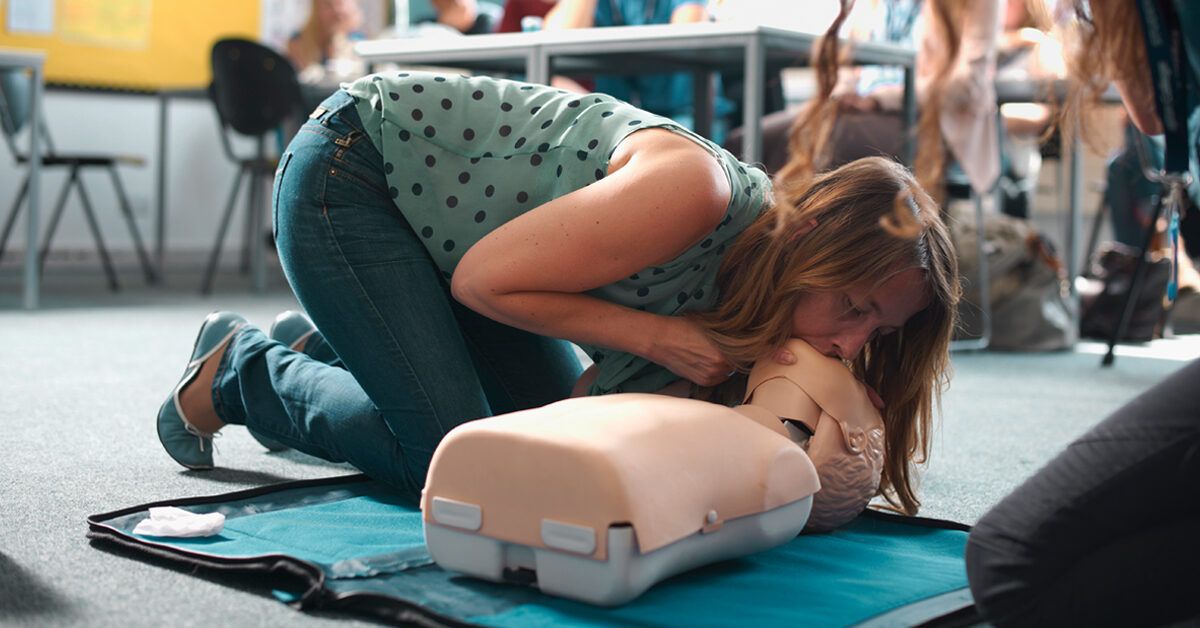
Hands-On Practice: Using mannequins, trainees get realistic feedback on compression depth, rate, and recoil. This physical practice is irreplaceable.
AED Training: Most courses now include hands-on AED practice, demystifying this simple, voice-prompted device.
Certification: A recognized certificate, often valid for 1-3 years, is provided, which may be required for certain professions (e.g., healthcare workers, lifeguards, coaches, teachers).
Expert Instructors: Certified instructors can answer specific questions, provide local context, and share real-world experiences.
Winnipeg CPR courses are widely available through community centres, dedicated training centres, private companies, and even through on-site corporate training. Options range from comprehensive two-day courses for healthcare providers (BCLS/HCP) to shorter, public-focused courses (e.g., Heart & Stroke's CPR/AED Level A or C) that can be completed in just a few hours.
A Call to Action: Be the Difference
Imagine witnessing a person collapse. Now, imagine two different scenarios. In one, the crowd panics, unsure of what to do, as precious seconds tick away waiting for an ambulance. In the other, you step forward, direct someone to call 911, and immediately begin effective chest compressions. You have just become the most important person in that victim's world.
CPR training is more than a checkbox for a job requirement. It is a fundamental civic skill, as valuable as knowing how to swim or drive safely. It embodies the principle that we are our brothers' and sisters' keepers. In the time it takes to watch a movie, you can learn a skill that will stay with you for a lifetime—a skill that grants you the power to look at an emergency not with helplessness, but with the resolve and ability to fight back against death.
The heart that stops beating in a Winnipeg park, a suburban home, or a downtown office does not have to be a heart that stops forever. By enrolling in one of the many available Winnipeg CPR courses, you choose to be prepared. You choose to be the link in the chain that sustains life. You choose to have an answer to the most urgent question of all: "Can anyone help?" That choice, that readiness, is why CPR training is not just important—it is indispensable.
