


|
|
|
|
|
|
|
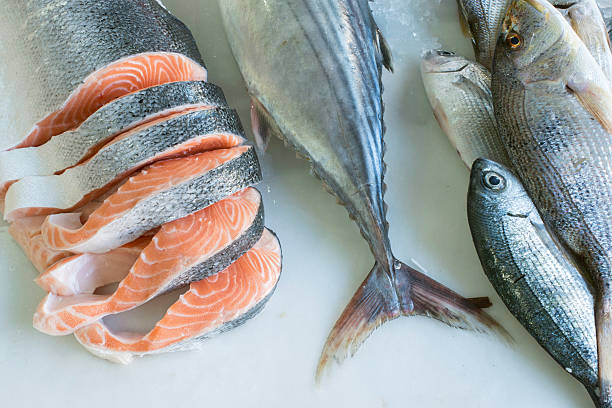
Contemporary fish processing has developed much beyond hand-operated filleting and standard cleansing. Advanced technology and equipment have changed the market, making operations quicker, more secure, and much more constant. From automated fillet cutters to smart batching systems, tools now guarantees top notch output while reducing labor costs. For both large-scale factories and smaller sized operations, recognizing the essential tools utilized in contemporary batching system is crucial to boosting efficiency and item consistency.
Among one of the most transformative pieces of equipment in fish processing is the automated fillet cutter. These makers are designed to deal with various species and sizes of fish with specific cuts, guaranteeing uniform fillets. Making use of sensing units and programmable guides, the cutters reduce waste and increase yield. Operators can monitor the system while equipments execute repeated jobs, releasing personnel to focus on quality assurance. The consistency accomplished with automated fillet cutters is impossible to match with hands-on methods.
Modern seafood processing heavily depends on batching systems to enhance production. A batching system automates component mixing, portioning, and sequencing, guaranteeing each batch satisfies rigorous specifications. This minimizes human error and maintains product consistency, particularly in ready fish products like seasoned fillets or pre-portioned seafood packs. By incorporating with various other equipment, batching systems optimize operations, allowing factories to process bigger quantities without compromising quality. They are vital for keeping performance in affordable production atmospheres.
Before filleting, fish needs to be gutted and cleaned up effectively. High-speed gutting machines automate this labor-intensive task, removing interior organs while keeping the fillet intact. These equipments are furnished with sensing units that change based on fish dimension, guaranteeing very little waste. Advanced cleaning systems also clean and sanitize the fish, preserving health requirements and preparing them for packaging or more processing. Using such tools not just speeds up operations however additionally improves item safety, which is vital in seafood processing.
Temperature level control is essential in maintaining fish quality and quality. Modern fish processing centers make use of blast freezers, IQF (separately quick frozen) systems, and cooling devices to handle huge volumes of fish successfully. These makers quickly reduce temperature to lock in freshness, maintain texture, and protect against bacterial development. Integrating exact temperature level control with automated managing makes certain that fish are saved safely till packaging or shipping. Efficient cold and chilling tools are crucial for keeping constant quality throughout all batches.
Once processing is total, packaging machines and quality control devices play an important role in contemporary seafood processing. Automated packaging systems section fish properly, vacuum cleaner seal for quality, and tag items effectively. Quality assurance sensing units identify blemishes, weight inconsistencies, or issues, making sure that only the highest-standard items get to the marketplace. Integrating these systems with upstream equipment, including batching systems, develops a seamless operations, improving both productivity and product reliability.
Modern fish processing depends on a combination of automated makers, wise batching systems, and human oversight to maintain effectiveness and quality. From fillet cutters and gutting equipments to freezing and packaging systems, every tool is made to decrease waste, boost consistency, and improve workflow. For companies aiming to contend in the seafood processing sector, investing in these modern technologies is crucial. Comprehending the tools used today guarantees drivers can maximize production, preserve item quality, and meet market demands efficiently.