


|
|
|
|
|
|
|
| Greenwood Odom | profile | guestbook | all galleries | recent | tree view | thumbnails |
When deciding between removal and encapsulation, you'll need to evaluate the product's condition, place, and risk of exposure. Select removal if the unsafe product is harmed, deteriorating, or located in high-traffic or delicate areas, as regulations commonly need it. Encapsulation is normally ideal if the material's stable, undisturbed, and elimination would certainly develop better dangers. Both alternatives need rigorous conformity, recurring surveillance, and detailed documents. Better on, you'll find which scenarios make one choice much safer or even more cost-efficient. https://stratfordasbestosremoval.co.uk/services/soft-strip-demolition.html
When you're facing unsafe materials like asbestos or lead-based paint, choosing in between removal and encapsulation isn't just an issue of choice-- it depends on safety and security regulations, the condition of the product, and the specific environment. You'll need to evaluate whether the material is friable, harmed, or presents an immediate danger. Elimination is usually required by regulation if the product is weakening, but it's normally much more pricey upfront. A expense comparison must factor in not simply first expenses, however additionally the possibility for future responsibility. Encapsulation can be much less turbulent and cost-effective, yet it calls for strict long term keeping an eye on to ensure the product continues to be contained and safe. Constantly get in touch with regional guidelines and certified specialists to guarantee conformity and prioritize occupant health and wellness.
When you're choosing in between elimination and encapsulation, it is essential to recognize how each procedure is accomplished, what products are required, and the essential security methods included. You'll need to follow industry requirements and follow all appropriate regulations to safeguard workers and constructing occupants. Allow's consider how these methods work, along with the products and safety and security actions you'll utilize.
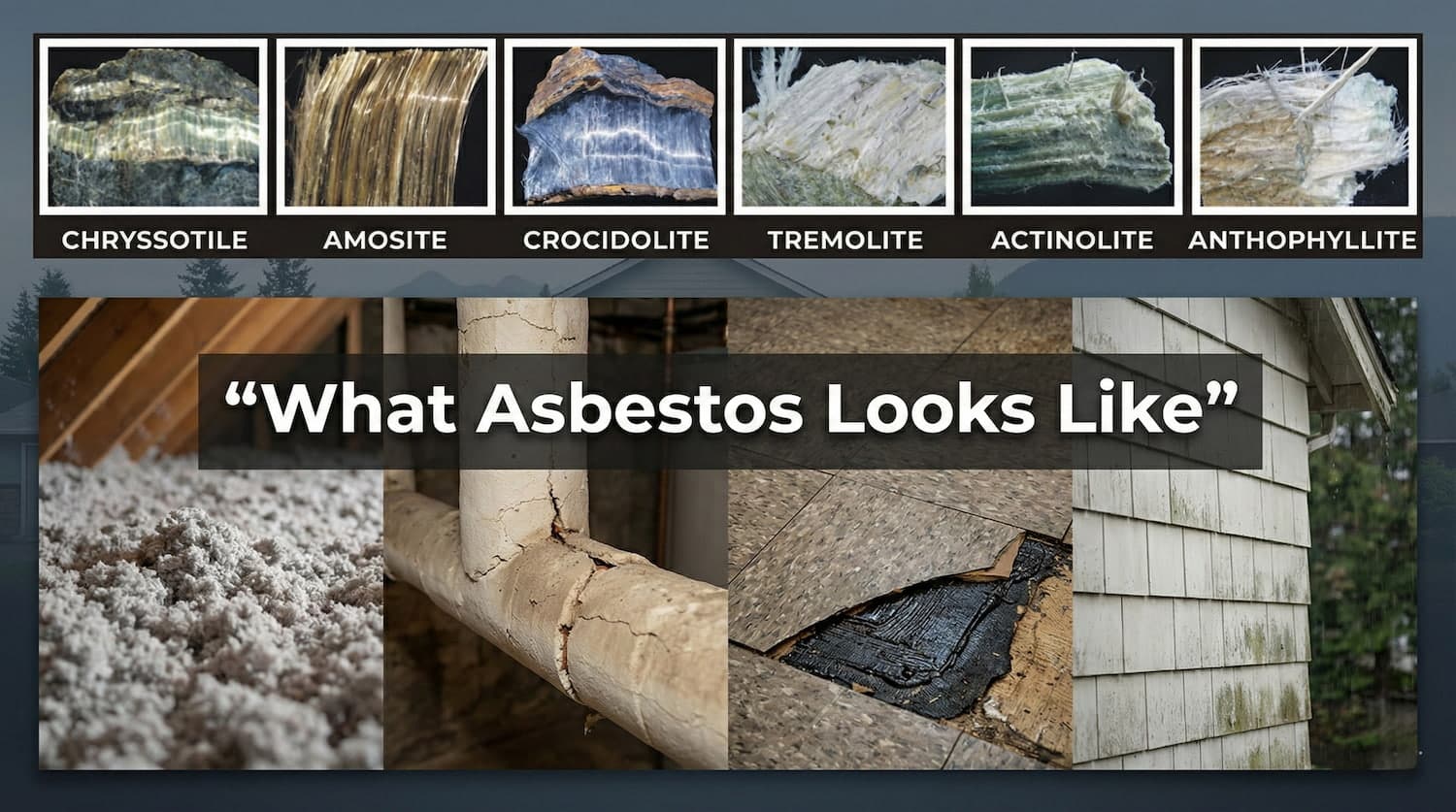
Although both elimination and encapsulation are developed to address harmful materials like asbestos, each method follows a distinctive procedure to guarantee security and regulative conformity. When you're considering these methods, it's necessary to recognize exactly how each step straight affects your environment and legal responsibilities. Both approaches start with a detailed risk assessment, ensuring potential threats are completely recognized before work begins. Elimination includes physically securing hazardous materials, while encapsulation seals them in location, protecting against fiber release. Throughout both processes, air tracking is crucial to track air-borne contaminants and validate that exposure remains listed below governing restrictions. Here's a fast summary to guide your expectations:
Picking the ideal materials is important to assure both safety and conformity during dangerous material abatement. When you're considering removal, you'll often rely upon specialized bags and containers to protect debris, stopping contamination. For encapsulation, selecting the proper sealers is important. Asphalt based membranes are typically used to create an impenetrable barrier, specifically over surfaces having asbestos or lead. These membranes stick snugly, lessening the risk of unsafe fibers leaving. In many cases, you could encounter cellulose insulation-- it's frequently disturbed during reduction, so you should pick devices and disposal techniques that won't release particulates. Always ensure products satisfy regional and federal governing requirements for dangerous waste handling. Using the right products not only streamlines the process but additionally promotes strict safety and security procedures throughout the job.
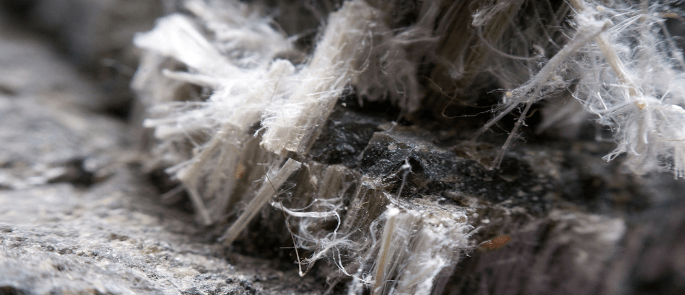
With the proper products in position, it's just as crucial to apply extensive precaution during both elimination and encapsulation procedures. You need to assure that everybody entailed recognizes the dangers and adheres to rigorous protocols. Comprehensive employee training is necessary-- every employee need to be certified in managing dangerous materials and making use of personal protective devices (PPE). Regulative compliance requires you to keep an eye on airborne fibers continually, so air surveillance devices have to be established before, throughout, and after the procedure. To create a safer environment and preserve job integrity, concentrate on:
These actions aid you reduce health dangers and warranty governing compliance.
You'll need to pick hazardous material removal when there's considerable wear and tear, as damaged products can't be safely had. If you're intending significant renovations or anticipate risky occupant direct exposure, elimination is usually required to satisfy security and governing criteria. Making sure conformity secures both constructing occupants and employees from possible carcinogen.
Assess the integrity of structure materials carefully-- when dangerous materials like asbestos or lead-based paint show extensive wear and tear, removal frequently ends up being the safest and most compliant solution. If the material's binding matrix is damaging down, encapsulation will not reliably contain fibers or dust, enhancing your exposure threat. In such cases, regulative guidelines normally recommend elimination to stop additional threats, specifically when you're facing:
Do not ignore the dangers of leaving extensively damaged dangerous products in position. Always follow regional safety and security methods and seek advice from certified experts to assure total compliance and defense for all building passengers.
If you're intending significant improvements that will certainly disturb structure materials consisting of hazardous compounds, elimination is usually the preferred strategy for both security and regulatory compliance. Restoration tasks-- such as demolition, exploration, or wall surface substitute-- can launch unsafe fibers or dirt if products continue to be in position. By going with removal, you'll ensure that your task lines up with regional, state, and government regulations regarding dangerous material management. This approach also assists in exact spending plan preparation, as elimination expenses can be integrated ahead of time, decreasing unexpected expenses later. https://stratfordasbestosremoval.co.uk/services/garage-shed-roof-removal.html On top of that, working with elimination with your renovation timeline assists avoid expensive job hold-ups. It's vital to deal with certified abatement specialists who can safely eliminate unsafe products before building and construction begins, making certain both worker security and future conformity throughout your restoration procedure.
When owners face elevated risks-- such as children, the senior, or individuals with endangered immune systems-- removal of dangerous materials comes to be the most prudent choice to guarantee health and wellness and safety. You can not manage to rely on encapsulation when prone groups are at stake. Governing standards often require occupant moving throughout the abatement procedure, ensuring no person is exposed to dangerous fibers or particulates. Direct exposure surveillance have to be ongoing, with air and surface area testing both before and after removal, validating the environment satisfies safety limits.
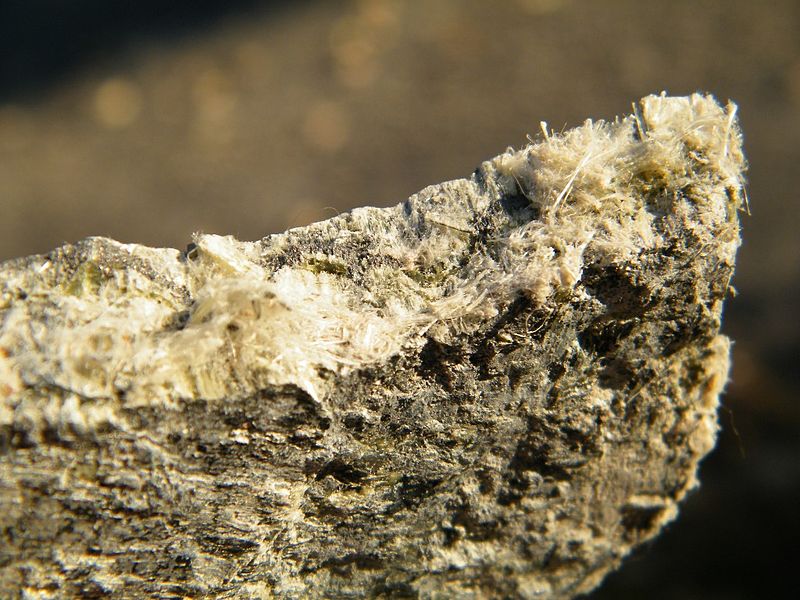
When the stakes are high, removal is the only approach that secures complete danger mitigation and regulative compliance.
Practicality commonly overviews the decision to encapsulate rather than eliminate hazardous materials such as asbestos or lead-based paint. If you're managing products that are secure, undisturbed, and in good problem, encapsulation can be a practically sound and certified remedy. Encapsulation is particularly logical when elimination would certainly pose greater direct exposure risks to residents or workers. It's also more suitable in structures where design integration allows you to secure dangerous surfaces without interfering with architectural honesty or everyday procedures.
You'll need to commit to lengthy term surveillance to make particular the encapsulant continues to be undamaged and efficient. Regulatory standards typically require documentation and ongoing inspection to keep safety. If the product isn't most likely to be disturbed and you can ensure regular checks, encapsulation makes even more sense than removal in lots of controlled environments.
Budgeting for removal or encapsulation suggests weighing both straight and indirect expenses, as well as thinking about regulatory needs. Removal typically includes greater ahead of time prices due to specialized labor, disposal fees, and stringent safety and security protocols. Encapsulation, on the various other hand, has a tendency to be more economical originally but features recurring upkeep expenses to guarantee the obstacle remains reliable and certified with laws. When examining long-term prices, you'll need to element in the frequency of evaluations or possible re-encapsulation.
Cautious price evaluation assurances governing conformity and enduring security.
Although both removal and encapsulation are designed to reduce dangerous materials, each approach brings unique health and wellness threats you'll require to handle carefully. Removal can launch dangerous fibers or dust, so you need to assure strict containment, proper air flow, and use individual safety tools to shield workers and residents. Encapsulation decreases immediate threat yet counts on the honesty of the seal; if the encapsulant wears away or is damaged, dangerous direct exposure might happen. In both situations, long-term surveillance is necessary to detect any future danger and make specific continuous security. You'll additionally require to focus on occupant education, making certain everybody understands the nature of the threat, risk-free methods, and caution indications of direct exposure. Proper preparation and adherence to security methods are important for reliable danger management.
When dealing with hazardous product projects, you'll require to browse an intricate internet of federal, state, and local policies developed to protect both employees and developing owners. Understanding the regulatory structure is critical to assuring safety and security and conformity throughout the task. You need to determine the specific allowing needs before beginning any type of work, as agencies like OSHA and the EPA have rigorous procedures for hazardous materials. Just as crucial is developing a durable waste management plan that lines up with legal standards for transport, storage space, and disposal. Furthermore, you'll have specific reporting commitments for documenting job activities and incidents. https://stratfordasbestosremoval.co.uk/services/refurbishment-demolition-survey.html
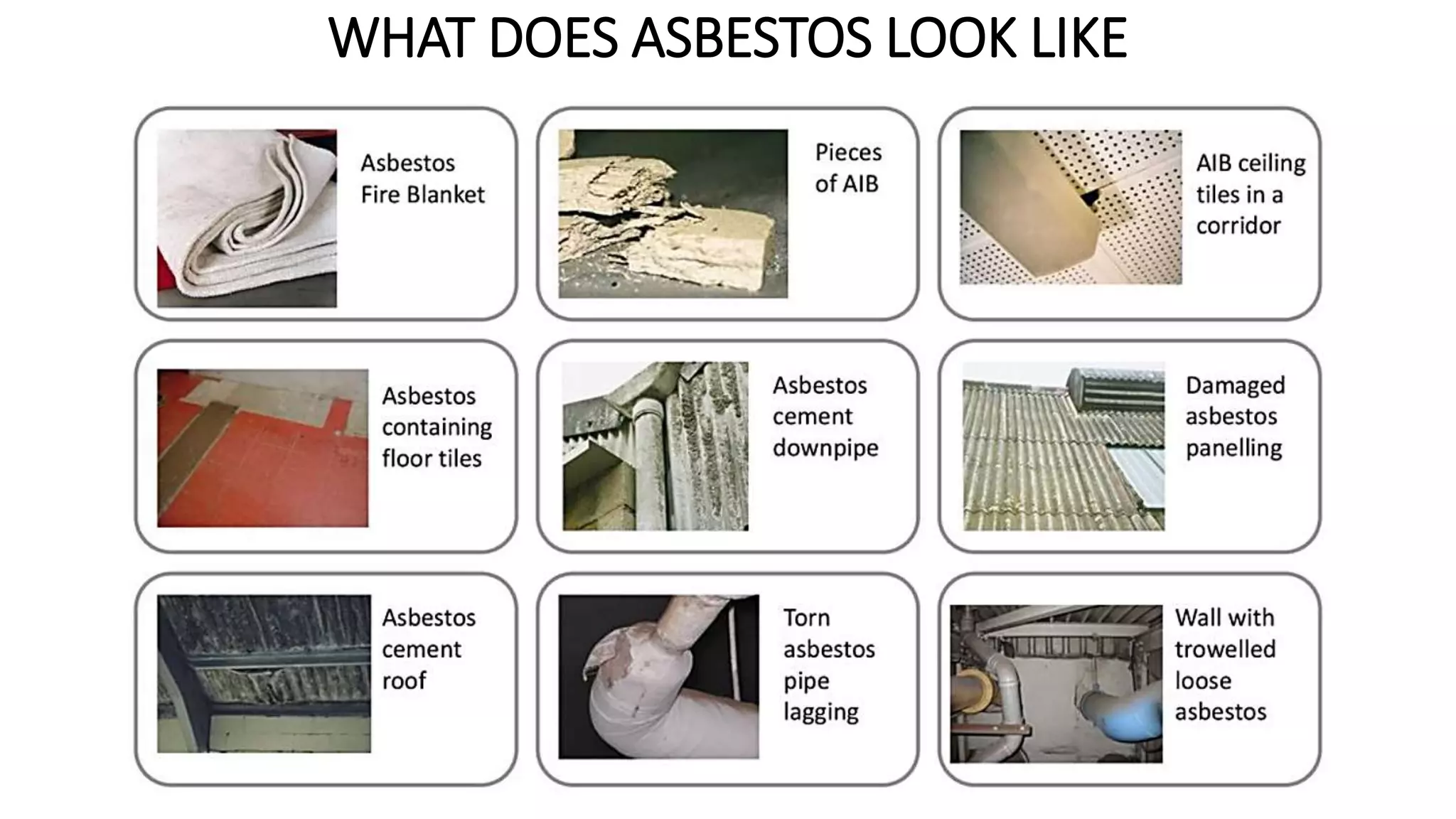

Remain thorough-- compliance isn't optional.
Prior to deciding on elimination or encapsulation for unsafe products, you'll need to methodically review the product's problem, area, and potential direct exposure risks. If the product is significantly harmed or in a high-traffic location, elimination is often the safer selection. Encapsulation might be appropriate for products in excellent problem and low-access locations, yet you should make sure it meets governing standards. Conduct a cost contrast-- elimination commonly includes greater upfront expenses, while encapsulation may need less first financial investment yet needs lengthy term monitoring to make particular the obstacle remains intact. Always think about future restoration strategies, as disruption can necessitate removal later. Seek advice from accredited specialists for danger assessment and adhere to all relevant regulations to safeguard passenger health and wellness and preserve conformity throughout your decision-making procedure.
The encapsulation procedure generally takes about one to 2 days for installation time, relying on the area's dimension and intricacy. You'll additionally need to consider the remedy period, which can be 24 to 2 days prior to the location is secure to inhabit. It's vital that you adhere to all safety methods and make specific governing conformity throughout, as proper healing warranties the sealer's effectiveness and keeps a safe environment for long-lasting occupancy.
They claim, "Much better secure than sorry," and that's specifically true right here. You shouldn't utilize DO IT YOURSELF methods for elimination or encapsulation due to significant do it yourself risks like improper handling, which can release harmful materials. It's also challenging to ensure product compatibility with encapsulants or removal tools. Rules require trained experts for these tasks to assure safety and compliance, so it's always best to call qualified professionals instead of doing it yourself.
After encapsulation, you'll need to set up routine evaluations to make certain the barrier remains intact and intact. It's essential you keep wetness control, given that excess moisture can jeopardize the encapsulant's performance and potentially launch dangerous products. File all maintenance activities for governing conformity and without delay attend to any kind of damages or degeneration. Following these safety-focused treatments helps protect both residents and the atmosphere, decreasing the danger of direct exposure with time.
You could question if you can shield your home and the atmosphere at the very same time-- excellent information, you can. When you're thinking about removal or encapsulation, environment-friendly choices like eco-friendly finishings and low VOC sealants are readily available. These products reduce hazardous discharges and abide by ecological laws. It's vital to pick licensed specialists who comply with stringent security protocols, guaranteeing your project fulfills both health and wellness criteria and governing conformity, while reducing your ecological impact.
Yes, elimination or encapsulation can impact your residential property worth. If you address unsafe products appropriately, you'll reduce the danger of residential or commercial property devaluation and enhance resale charm. Purchasers usually choose homes that adhere to safety and security and regulative requirements, so ensuring professional job and documents is important. Encapsulation may serve under regional laws, however complete elimination often supplies greater lasting worth and peace of mind, especially throughout building inspections and deals.