


|
|
|
|
|
|
|
| Larkin Feddersen | profile | guestbook | all galleries | recent | tree view | thumbnails |
Asbestos encapsulation means you're applying a specialized sealant to asbestos-containing materials, locking hazardous fibers in place to stop their launch. You'll utilize this approach when the asbestos is steady, hard to get to, or elimination can harm frameworks or balloon costs. Regulations demand qualified experts, stringent protocols, and ongoing surveillance. Encapsulation often cuts cost, downtime, and danger-- but does not get rid of asbestos or future hazards. There's more to think about regarding products, actions, legal regulations, and threats for best results.
When you stumble upon asbestos-containing materials, encapsulation stands apart as a useful approach to handle possible risks without getting rid of the product. Asbestos encapsulation involves applying a specialized covering or sealer-- called encapsulation materials-- directly over the asbestos surface. This procedure binds the fibers, stopping them from coming to be air-borne and minimizing direct exposure risks. You'll need a solid foundation in asbestos recognition to select the proper encapsulation item and warranty compliance with safety and security laws. Just licensed professionals should undertake this process, adhering to all local and government guidelines. Routine assessments are essential to inspect the honesty of the encapsulation gradually. By going with encapsulation, you're not disturbing the asbestos, which implies less danger of fiber release and boosted security for developing residents.
You'll usually discover encapsulation is more suitable when minimal disruption to asbestos-containing materials is required, especially to maintain safety and security standards. It's likewise a clever choice if elimination might compromise the architectural integrity of a structure or center. https://easthamasbestosremoval.co.uk/services/soft-strip-demolition.html Furthermore, encapsulation can offer considerable price savings compared to full abatement, while still satisfying regulative conformity.
If asbestos-containing products are steady and undamaged, encapsulation is usually more suitable to removal since it minimizes the threat of fiber launch during intervention. When you choose encapsulation, you're prioritizing worker safety and regulative conformity by guaranteeing that minimal resonance and disturbance occur during the procedure. Encapsulation entails using a specialized sealer that bonds to the asbestos, successfully supplying surface securing and containing harmful fibers.
Below's why encapsulation is the ideal option when marginal disruption is called for:
Although asbestos elimination could appear like the definitive option, encapsulation is typically the remarkable option in structures where the underlying structure is fragile or integrally related to asbestos-containing materials. You need to take right into account the risk of structural degradation during elimination-- particularly in older or load-bearing constructions-- given that troubling asbestos can compromise assistance elements and force unplanned tons redistribution. Encapsulation stabilizes the unsafe product without jeopardizing the honesty of wall surfaces, ceilings, or insulation. This method lines up with governing advice focusing on employee and passenger safety and security, while preserving compliance with building ordinance.
| Situation | Encapsulation Benefit | Elimination Threat |
|---|---|---|
| Breakable Substratums | Protects against damage | May cause collapse |
| Integrated Products | Preserves structure | Deteriorates joins |
| Historical Structures | Preserves initial fabric | Modifies design |
| Load-Bearing Surface areas | Avoids tons redistribution | Structural failing possible |
| Restricted Gain Access To Areas | Decreases disruption | Tough to securely remove |
Beyond structural factors to consider, task spending plans and long-lasting economic preparation often drive the choice between asbestos encapsulation and removal. If you're considering these choices, it's important to consider not just ahead of time costs, yet additionally the ramifications for long-term budgeting and governing compliance. Encapsulation is usually preferred when:
Careful evaluation guarantees you choose the safest, most economical technique for your center's requirements.
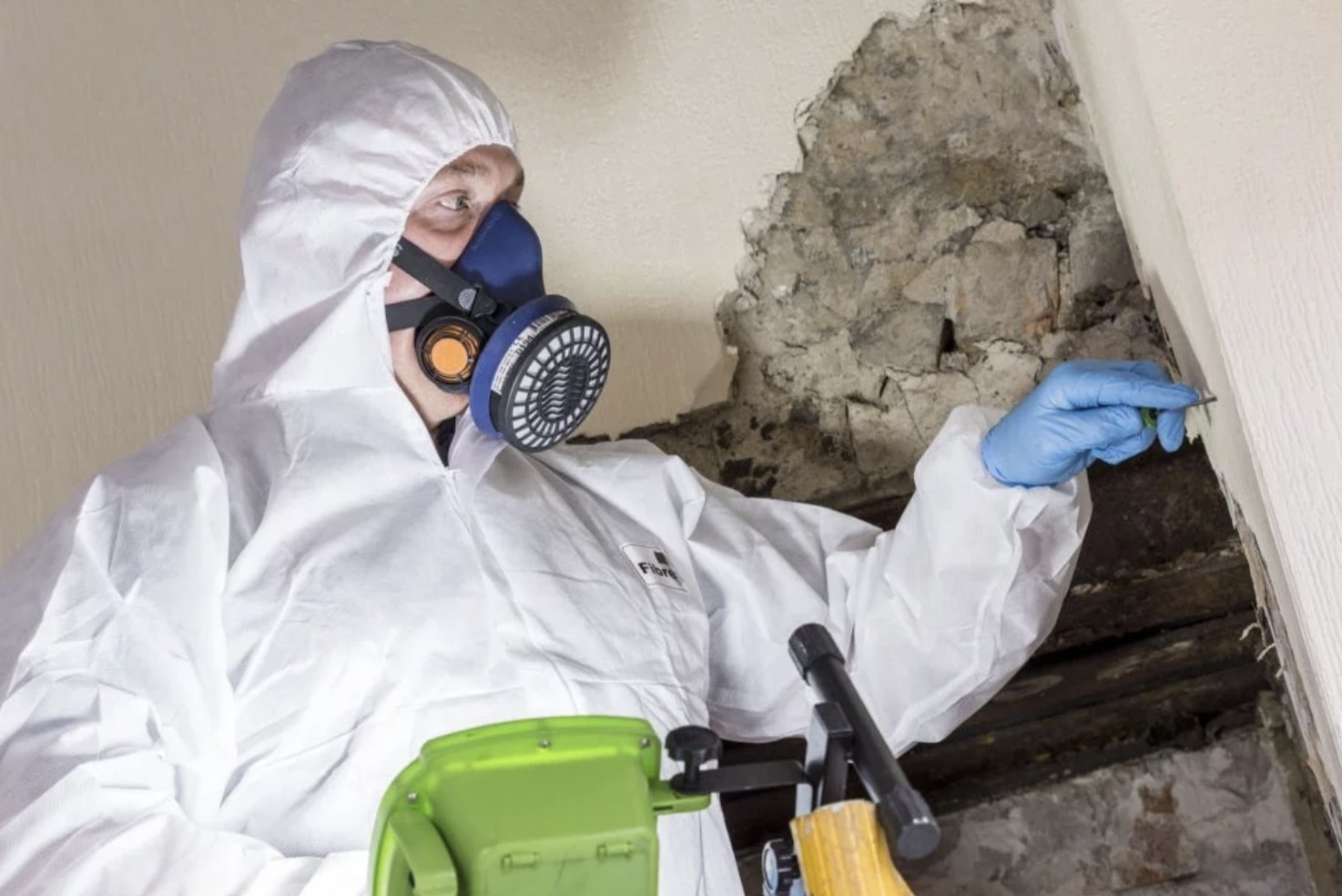
When you're handling asbestos encapsulation, stringent adherence to lawful and safety and security regulations is non-negotiable to protect both workers and constructing occupants. You should ensure governing compliance by complying with nationwide, state, and local legislations, such as OSHA and EPA criteria. Correct worker training is crucial-- only licensed experts ought to manage encapsulation, with training on risk-free handling, PPE, and emergency situation treatments. Continual air monitoring and record-keeping are also needed throughout the process. Failing to comply might result in serious penalties and health dangers. To assist you envision some core requirements, see the table below:
| Requirement | Summary |
|---|---|
| Regulatory Compliance | Follow all appropriate asbestos legislations |
| Worker Training | Just trained, licensed personnel permitted |
| PPE Use | Compulsory for all employees |
| Air Surveillance | Display for air-borne fibers |
| Documents | Keep in-depth records of all activities |
Selecting the appropriate asbestos encapsulation item is important for ensuring both regulatory compliance and lasting safety. You require to comprehend the major kinds of items offered and just how each satisfies certain requirements. One of the most usual asbestos encapsulation products fall right into 3 groups:
When selecting an item, constantly confirm that it's authorized for the particular asbestos kind and application, making sure both lawful conformity and best security.
After you've determined the ideal encapsulation product for your asbestos-containing material, it is necessary to adhere to an organized procedure to guarantee safety and regulatory compliance. First, develop control obstacles using plastic sheeting and adverse air stress systems to stop fiber launch right into nearby areas. Don't fail to remember to use proper individual safety devices (PPE) consisting of respirators and disposable coveralls. Extensively tidy the surface to get rid of dust and particles, as this improves bond. Next off, validate your encapsulant option matches the substratum and environmental problems. Apply the encapsulant utilizing manufacturer-recommended tools and methods, ensuring even protection and infiltration. Allow enough drying out time before eliminating containment obstacles. Dispose of infected materials and PPE according to local asbestos regulations. Constantly file procedures for compliance and future reference.
When you pick asbestos encapsulation, you'll discover significant reductions in job expenses compared to complete removal. This method likewise boosts workplace defense by lessening fiber release, aligning with rigorous governing standards. In addition, you can finish remediation much faster, decreasing functional downtime and interruption.
Cut project costs, increase security, and increase timelines by selecting asbestos encapsulation over complete elimination. When you encapsulate asbestos, you're not just satisfying regulatory standards-- you're also making smart choices for your budget plan. Encapsulation eliminates the need for complex abatement procedures, substantial labor, and contaminated materials disposal, every one of which swiftly intensify prices.
Consider these economic advantages:
While full asbestos removal may appear like the gold standard, encapsulation uses a much safer and extra reliable alternative that still focuses on regulatory conformity. By opting for encapsulation, you significantly minimize the danger of airborne fiber release, straight boosting office security. This approach counts on rigorous procedures, including improved training for employees to make sure they comprehend proper application methods and the importance of reducing disturbance to asbestos-containing products. You'll additionally need to carry out exposure monitoring throughout the procedure, using real-time air tasting and routine assessments to validate that asbestos degrees continue to be listed below job-related direct exposure limits. These safeguards not just help protect staff members yet likewise improve conformity with health and safety regulations, offering a balanced method that integrates cost-effectiveness, safety and security, and operational speed.
Accelerate your removal timeline with asbestos encapsulation, an approach that supplies considerable benefits in price, safety and security, and operational speed. When you select encapsulation over full removal, you're going with a process made for faster reduction and minimized disruption. This technique complies with governing guidelines while making certain that hazardous fibers continue to be securely consisted of throughout ongoing operations.
Below's exactly how encapsulation helps with expedited timelines:
Although encapsulation provides a less disruptive choice to asbestos removal, it is essential to acknowledge that this method isn't without its dangers and restrictions. You have to understand that encapsulated asbestos still presents potential dangers if the sealant weakens or is damaged with time. Regulative standards need long term tracking to confirm the encapsulant continues to be undamaged and effective. Routine airborne screening is also essential; any kind of disruption or aging can bring about fiber release, placing residents in jeopardy. Encapsulation does not remove asbestos yet briefly regulates exposure, so compliance with safety methods is important. Additionally, future renovations or upkeep might endanger the encapsulation, needing reassessment. If you choose this technique, you'll require to commit to continuous evaluations and stringent adherence to health and wellness guidelines.
Despite stringent policies in position, it's remarkably simple to make vital errors during asbestos encapsulation that concession security and regulative conformity. To ensure effective encapsulation, you need to be knowledgeable about the most usual mistakes professionals encounter:
Understanding the monetary ramifications of asbestos monitoring is simply as essential as making particular appropriate encapsulation strategies. When you're comparing asbestos rates, encapsulation is frequently a lot more cost-efficient than complete elimination. Encapsulation normally entails using a sealant or enclosure, reducing disruption and decreasing labor, disposal, and governing compliance costs. Removal estimates, on the various other hand, can be noticeably greater because of rigid safety and security protocols, hazardous waste handling, and prospective building downtime.
Nevertheless, don't base your choice entirely on in advance costs. https://easthamasbestosremoval.co.uk Regulatory agencies may need removal if the material is severely damaged or friable. Lasting liability, recurring monitoring, and future job restrictions should factor right into your analysis. Always seek advice from certified professionals to make sure compliance and safety, and carefully evaluate asbestos rates and removal quotes prior to continuing.
Yes, encapsulated asbestos can affect property value or resale. You'll often encounter market understanding concerns, as buyers might see any asbestos-- encapsulated or otherwise-- as a risk, influencing value. Mortgage obstacles are typical, considering that loan providers in some cases need documentation showing regulative compliance and continuous safety and security. Although encapsulation fulfills safety criteria, you'll still need to divulge its visibility, which can influence settlements and regarded long-lasting obligation, despite the fact that the risk is practically reduced.
Think about asbestos encapsulation as a protective guard-- its lasting sturdiness depends on the stamina of that barrier and just how well you keep it. Usually, encapsulation can last 10 to 20 years or much more if you rigorously comply with maintenance schedules, display for damages, and follow safety regulations. You'll require routine examinations to ensure the encapsulant stays undamaged, as regulatory guidelines need regular oversight to preserve security and performance with time.
Encapsulated asbestos is typically thought about safe for children and pet dogs as long as the encapsulation continues to be intact, lessening kid security and pet dog direct exposure risks. However, you need to consistently evaluate encapsulated areas per regulative standards, given that damage or degeneration can launch hazardous fibers. If you observe cracks, peeling, or wear, call accredited experts instantly. Keeping stringent access controls and tracking is vital for ongoing safety and security, particularly in homes with prone owners like youngsters and family pets.
You shouldn't try to encapsulate asbestos on your own as a result of severe do it yourself dangers, including prospective exposure to harmful fibers. Licensing requirements differ by place, yet the majority of territories mandate that only certified experts take care of asbestos. Experts have the ideal tools, training, and follow stringent security methods to protect you and others. For your security and lawful conformity, constantly hire a accredited asbestos service provider instead than trying to manage asbestos encapsulation by yourself.
You'll recognize encapsulation has actually stopped working if you see aesthetic degeneration, such as fractures, peeling, or damaged layer on the asbestos-containing product. If you observe dust or particles, that's a strong indication, as it suggests air-borne fibers could be existing, posing significant health threats. It's crucial to comply with regulative standards-- do not disrupt the area. Instead, get in touch with licensed professionals right away to assess the circumstance and ensure conformity with safety guidelines.
https://easthamasbestosremoval.co.uk/services/artex-removal.html