


|
|
|
|
|
|
|
| Celik Mathiassen | profile | guestbook | all galleries | recent | tree view | thumbnails |
When visual assessment isn't enough, you're risking operational integrity and item high quality. Subjectivity and human error can lead to missed flaws, while exhaustion decreases focus. Surface-level examinations often ignore internal flaws, producing an incorrect sense of protection. To improve precision, incorporating technology like equipment understanding and augmented reality can improve workflows and enhance detection. Recognizing the limitations and leveraging technological developments will certainly help you preserve top quality assurance. Discover how to efficiently integrate these techniques for much better outcomes.
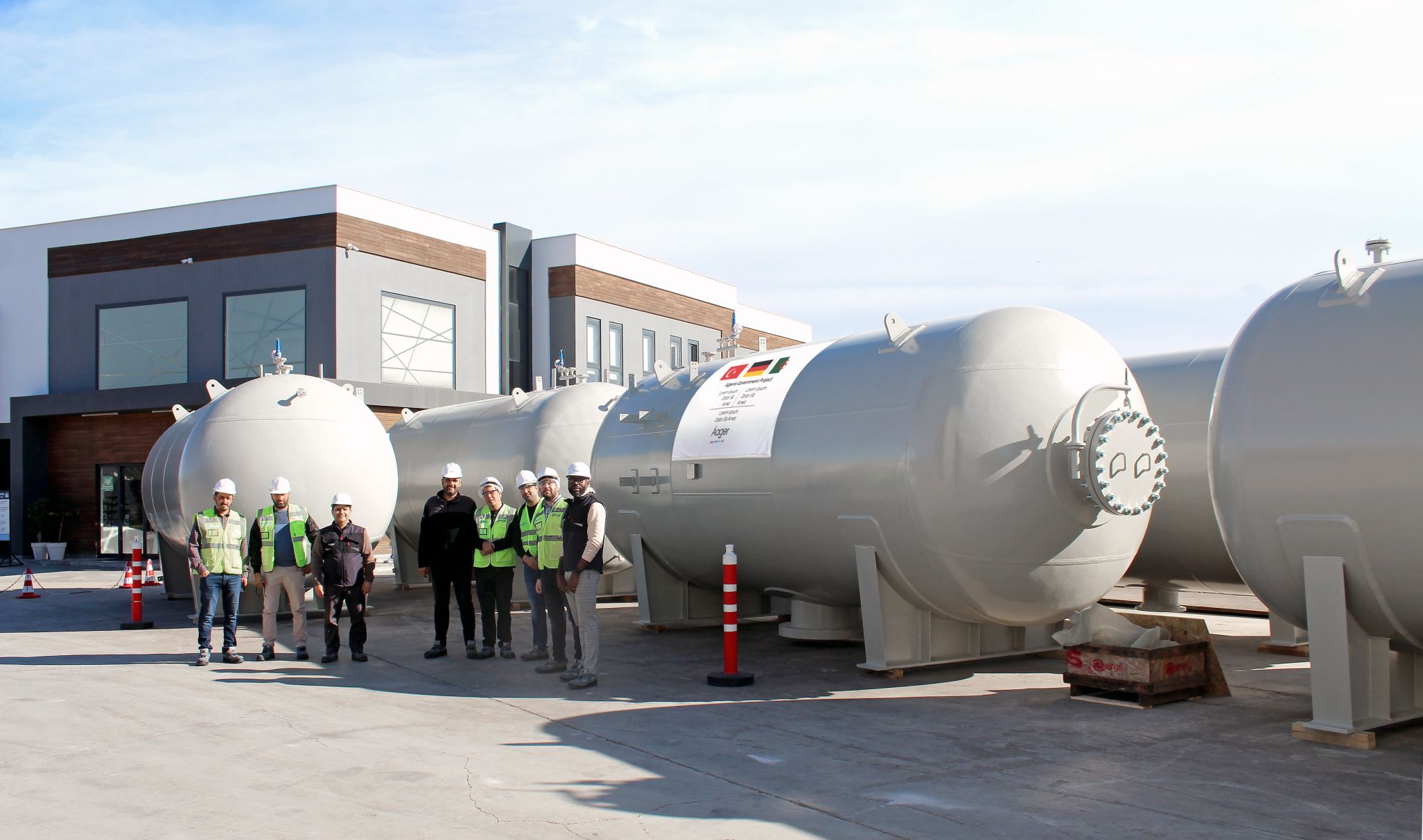
While visual assessment can appear straightforward, it commonly covers up significant risks that can compromise safety and security and quality. One major concern is subjectivity problems; the assessor's viewpoint can inadvertently influence end results, bring about irregular results. You could neglect important problems just as a result of personal prejudice or varying interpretation of standards. Moreover, examination exhaustion is another pressing risk. As you repeat tasks, your attention can subside, causing missed information that could jeopardize operational integrity. This exhaustion not just influences the accuracy of inspections but also heightens the possibility of neglecting defects. Consequently, depending exclusively on aesthetic examinations can develop a incorrect feeling of security, making it crucial to consider additional techniques for a complete assessment.
Relying solely on visual examination can lead to considerable oversights, as this method has fundamental restrictions that can endanger reliable quality assurance. One major concern is the potential for human mistake; even the most skilled inspectors can miss refined issues because of tiredness or diversion. Additionally, aesthetic inspection doesn't account for concerns concealed under surfaces, such as material tiredness or inner flaws, which can threaten item stability. The subjective nature of this approach can also lead to inconsistent assessments, additionally worsening examination constraints. Without extra approaches to confirm findings, you take the chance of enabling flaws to travel through undetected, eventually influencing client satisfaction and safety. An even more extensive strategy is important to reduce these risks and make certain extensive quality control.
As sectors advance, integrating transformative modern technologies right into visual assessment procedures can substantially improve accuracy and efficiency. Ingenious algorithms, powered by artificial intelligence, allow systems to examine substantial amounts of visual data, identifying flaws that a human assessor might ignore. These algorithms adjust with time, improving their discovery capacities and decreasing incorrect positives. Increased fact (AR) more reinvents assessment by superimposing digital details onto physical elements, guiding inspectors with detailed processes. This combination of AR and innovative algorithms enables real-time responses and decision-making, enhancing workflows. By welcoming these modern technologies, you can assure a higher requirement of quality assurance, ultimately causing lowered costs and boosted customer satisfaction. Embracing such improvements is not just beneficial; it's important for preserving affordable advantage.
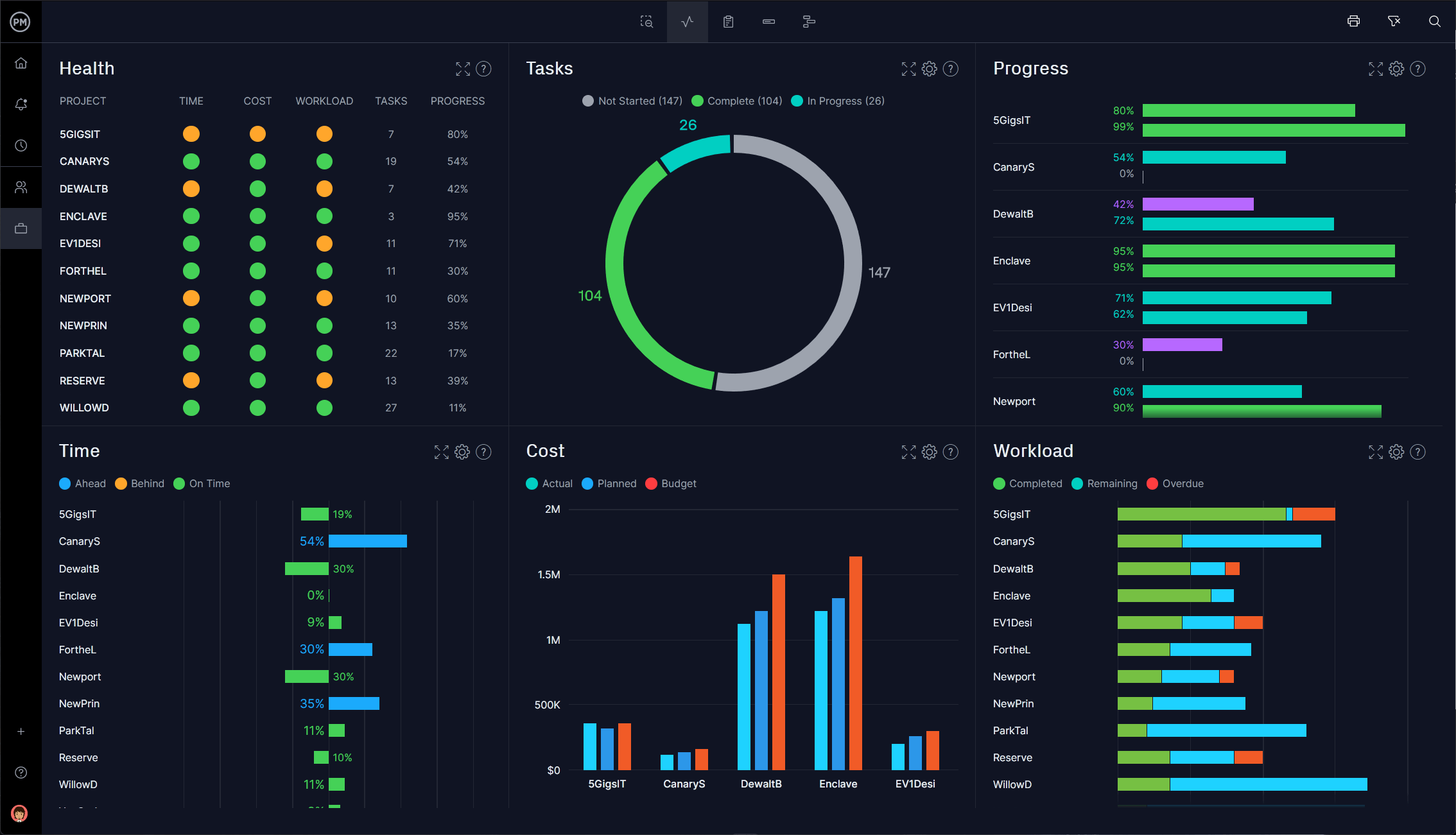
To efficiently carry out automated aesthetic evaluation in your operations, it is essential to first evaluate your details needs and obstacles. Understanding these aspects will certainly guide your modern technology selection and assimilation procedure, eventually leading to precision enhancement.
| Examination Difficulty | Option |
|---|---|
| High false positives | Advanced formulas |
| Irregular quality checks | Standard workflows |
| Sluggish handling rate | High-speed cams |
| Minimal scalability | Modular systems |
How can organizations strike the ideal balance between technology and human competence in quality assurance!.?. !? It's important to identify that while automated systems enhance examination accuracy, they can't totally change human instinct and contextual understanding. By combining tech with human skills, you can improve total high quality control processes.
Purchasing ability enhancement for your workforce makes sure that workers can successfully analyze information from automated systems, bridging spaces that modern technology alone can not attend to. This synergy fosters an aggressive method to quality monitoring, where human experts can verify machine-generated understandings and make nuanced decisions. Eventually, combining advanced innovations with knowledgeable personnel not only boosts effectiveness yet likewise safeguards the top quality standards that define your brand name.
Automated visual evaluation benefits industries such as production, electronic devices, and drugs the many. In these markets, quality control is essential, as even small defects can bring about considerable issues. Automated systems succeed in problem discovery, recognizing incongruities faster and extra accurately than human inspectors. By carrying out such technology, you can improve product high quality, lower waste, and simplify procedures, eventually making sure that your items fulfill stringent sector requirements and consumer assumptions.
To choose the right evaluation innovation for your requirements, consider your desired evaluation accuracy and how well it incorporates with your existing systems. Examine different technologies based upon their capability to boost quality while minimizing downtime. Conduct a thorough evaluation of your particular demands and budget. Don't fail to remember to explore easy to use options that align with your functional objectives, ensuring a seamless change that keeps your procedures running smoothly.
Common restrictions of human visual examination consist of subjective judgment and fatigue effects. Your analysis can be influenced by individual predispositions, causing inconsistent results. https://dulwichleakdetection.co.uk As you examine for extensive periods, exhaustion can impair your emphasis and precision, increasing the chance of missed flaws. Environmental factors, like lighting and distractions, additionally complicate the procedure. To improve reliability, consider integrating innovation that can complement or replace human examination, decreasing these inherent restrictions.
No, visual examination can not be completely changed by automation. While automated systems improve efficiency and uniformity, they often do not have the hand-operated accuracy and nuanced judgment that skilled professionals supply. Professional training plays an important function in acknowledging subtle defects that makers might ignore. Integrating both methods can bring about excellent outcomes, making certain quality without sacrificing the human touch that's essential in complex assessments. Stabilizing automation and human experience is vital.
You ought to examine and upgrade your assessment refines consistently-- ideally every 6 months. This ensures that you're optimizing your approach and adjusting to any type of adjustments in technology or guidelines. If you're not careful, obsolete techniques can sneak in, threatening your evaluation frequency. Keep ahead by assessing data fads and seeking feedback. Keep in mind, a positive position on process optimization not only improves effectiveness however additionally assists maintain quality and safety criteria.