


|
|
|
|
|
|
|
| Lindegaard Ehlers | profile | guestbook | all galleries | recent | tree view | thumbnails |
You can not place asbestos in your normal bin because it's a dangerous material with serious wellness and ecological dangers. Throwing away it in common waste bins is illegal, since household collections and garbage dumps aren't furnished to have its dangerous fibers. Asbestos has to be dealt with and transported by accredited specialists to accepted facilities, complying with strict legal standards. Disregarding these guidelines dangers serious fines and public damage. Discover out how to safeguard on your own and handle asbestos securely with relied on, compliant methods.
When you come throughout asbestos, you're handling a team of naturally taking place minerals as soon as widely used in building and construction for their heat resistance and strength. Asbestos history spans years, with substantial use coming to a head in the mid-20th century prior to its carcinogen were totally recognized. The mining impacts of asbestos removal were considerable-- both eco and for employee safety and security-- launching fine fibers into the air, dirt, and water. If you breathe in these fibers, they can lodge in your lungs, creating diseases like asbestosis, lung cancer cells, and mesothelioma cancer. Regulative bodies worldwide now recognize these risks, mandating rigorous controls on managing and disposal. Understanding asbestos history and mining impacts assists you appreciate the severity of direct exposure and emphasizes why adhering to legal demands is essential for your security and compliance.
Throwing asbestos in your normal container isn't simply harmful-- it's illegal under many guidelines. Asbestos fibers can easily end up being airborne if interrupted, posing severe wellness dangers not just to you, however additionally to waste handlers and the more comprehensive area. You may assume it's harmless if double-bagged, but that is just one of the typical asbestos misconceptions. Standard household bins and garbage dump websites aren't made to have or deal with hazardous waste like asbestos. Regulations require unique handling and disposal to avoid contamination and direct exposure. That's why there are rigorous rules about making use of bin alternatives-- specialist asbestos disposal services and licensed waste centers. Neglecting these demands isn't simply risky; it can likewise cause legal penalties. Always follow appropriate treatments to keep everyone secure and compliant.

If you get rid of asbestos incorrectly, you're not simply breaking the law-- you're jeopardizing public health. Asbestos misconceptions typically lead people to ignore the risks, yet improper disposal reveals others to harmful fibers. Regional authorities treat this as a severe offense, levying penalties and lawful activity. You may additionally be responsible for boosted disposal costs if removal is required. https://bethnalgreenasbestosremoval.co.uk
| Risk | Effect |
|---|---|
| Wellness Hazard | Direct exposure to airborne fibers |
| Legal Penalty | Penalties or prosecution |
| Ecological Impact | Contamination of land/water |
| Enhanced Prices | Added cleanup/remediation charges |
Do not think small amounts are secure-- laws apply despite quantity. Disregarding the appropriate networks doesn't simply conserve expenses; it multiplies your threats. Constantly follow official guidelines to avoid extreme effects, and don't fall for asbestos misconceptions that minimize its dangers.
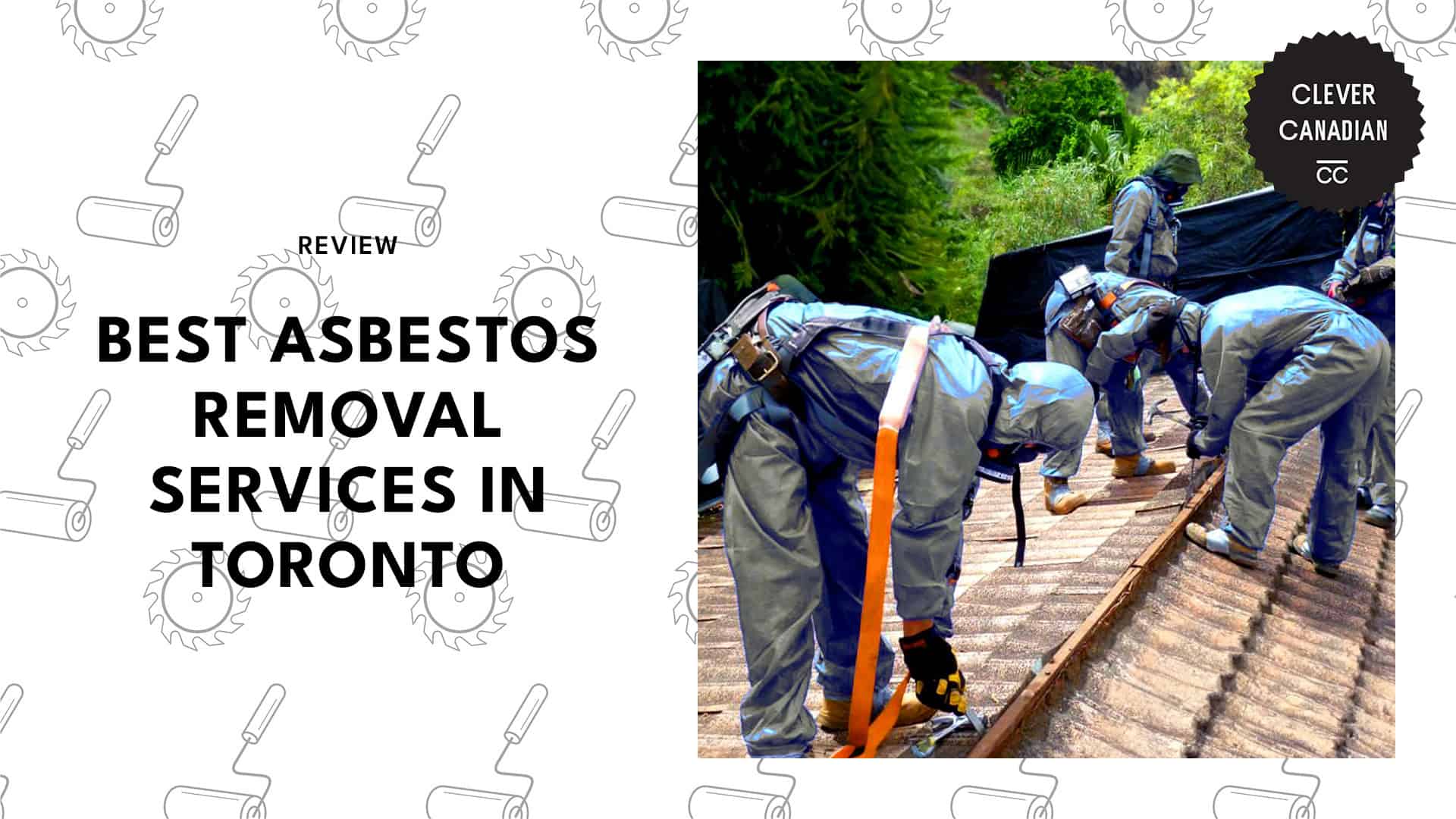
When asbestos is disturbed, you run the risk of launching tiny fibers into the air, which can cause significant breathing conditions if breathed in. Improper handling or disposal doesn't just intimidate human health and wellness-- it can also contaminate soil and water, bring about wider environmental threats. It's vital to follow all regulative guidelines to decrease these risks.
Breathing in air-borne asbestos fibers subjects you to substantial health threats, as these microscopic bits can come to be lodged in lung cells and remain there for many years. When you disturb asbestos-containing materials, you boost the danger of fiber inhalation, which is directly linked to diseases like asbestosis, lung cancer, and mesothelioma cancer. Governing bodies need stringent airborne surveillance in work environments and during asbestos elimination tasks due to the fact that even marginal direct exposure can be hazardous. You can't rely upon aesthetic evaluation alone-- air-borne fibers are unseen and linger in the air without proper control. Protecting on your own and others means purely adhering to regulatory standards, making use of authorized personal protective devices, and ensuring all elimination or handling is managed by accredited professionals. Focusing on safety decreases your possibility of developing asbestos-related conditions.
Although asbestos is most well-known for its health and wellness dangers, its environmental influence presents severe risks also. When you deal with asbestos improperly, fibers can leach into the soil, bring about soil contamination. This contamination isn't just a neighborhood problem-- it can linger for decades, influencing entire ecological communities. Plants can absorb asbestos fibers, presenting toxic substances into the food cycle and impacting wildlife exposure. Pets that consume or breathe in infected materials may experience respiratory or digestive system concerns, comparable to people. Regulative bodies strictly control asbestos disposal since even low-level environmental contamination can become a significant hazard over time. By recognizing these dangers, you'll see why asbestos should never ever enter your normal bin-- proper managing secures not just people, however the atmosphere also.
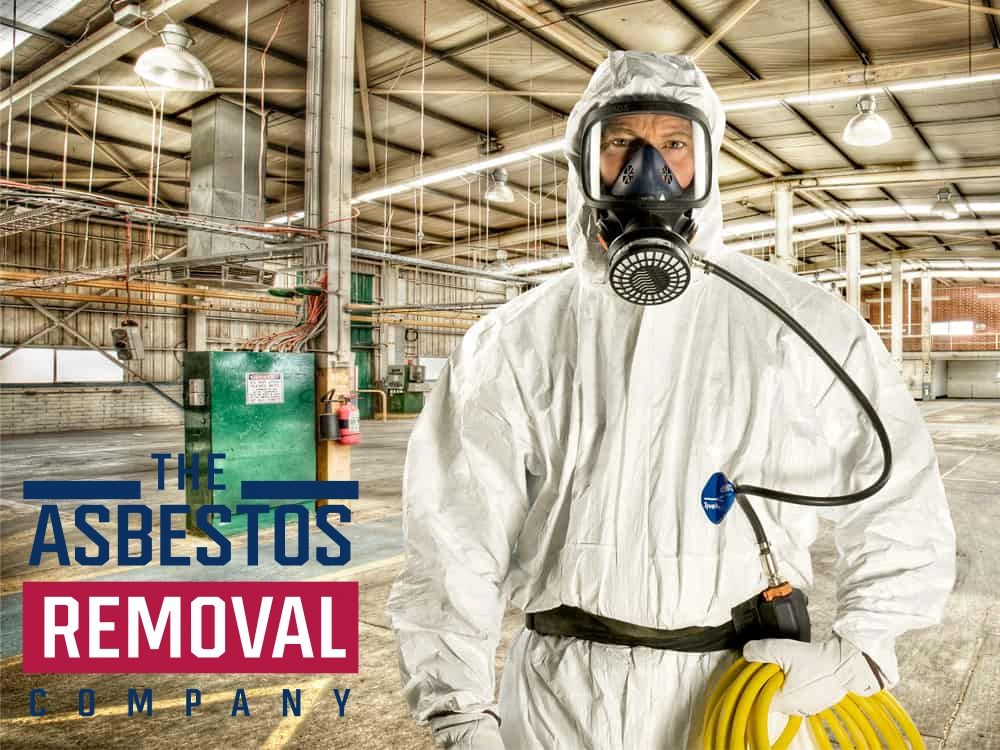
Since asbestos is a dangerous material purely controlled by federal and state companies, you'll require to follow particular lawful demands for its disposal. Asbestos regulation requireds that just licensed experts can handle and carry asbestos waste. You can not simply place it in your regular container or blend it with household rubbish. Rather, asbestos needs to be double-bagged in approved containers, clearly classified, and required to a accredited disposal facility. Failing to follow these guidelines can cause serious disposal charges, consisting of substantial fines or perhaps criminal fees. Regulative agencies might also call for comprehensive paperwork to track the asbestos from removal to its last disposal website. Ignoring proper procedures isn't just illegal-- it reveals you and others to significant health and environmental risks.
When you set out to recognize asbestos in your house, focus on materials commonly mounted before the 1980s, such as insulation, floor ceramic tiles, textured paints, and cement products. Pay close interest to old insulation around pipelines, central heating boilers, or attic rooms, as these typically consisted of asbestos fibers. Distinctive ceilings-- occasionally called "popcorn ceilings"-- may additionally include asbestos, specifically if they were used prior to regulative restrictions.
Don't depend entirely on aesthetic assessment; asbestos can not be confirmed without laboratory evaluation. However, if you notice brittle, coarse products, or disintegrating textured ceilings, workout caution. Laws require you to prevent disturbing any kind of believed asbestos, since fibers launched right into the air develop wellness risks. Remember, governing agencies mandate rigorous handling, labeling, and disposal procedures for asbestos-containing materials to safeguard you and others from direct exposure.
If you think you have actually discovered asbestos in your home, it is very important to properly identify any kind of products that may have it before taking further activity. You should not interrupt the area, as incorrect handling boosts wellness threats and might violate regional laws. Let's evaluate exactly how to recognize possible asbestos materials and rundown safe handling procedures in compliance with legal needs.
Although asbestos is no longer widely made use of, several older homes still consist of materials that may harbor this hazardous compound. You'll usually find asbestos in insulation, floor tiles, ceiling panels, roof covering, and pipe lagging, particularly in residential properties constructed before the late 1980s. Recognizing potential asbestos materials calls for caution, as hidden threats might not be aesthetically apparent. Do not count on look alone-- numerous non-asbestos items can look similar, leading to false positives. Regulative assistance states you shouldn't disturb or example suspicious materials on your own; only qualified experts can validate asbestos presence via lab analysis. If you presume a product consists of asbestos, stay clear of touching or destructive it. Document its place and appearance, and seek professional guidance. Appropriate identification is a vital step in lessening health and wellness and legal dangers.
Even after thinking asbestos in your home, it's important not to disturb the material by any means, as airborne fibers posture serious wellness risks. If you run into possible asbestos, do not attempt removal or cleaning on your own. Minimize foot website traffic and isolate the area-- maintain children and family pets away. Always avoid sweeping, vacuuming, or damaging asbestos-containing products, as these actions launch hazardous fibers.
Before any type of handling or inspection, you must put on appropriate individual safety devices, such as a P2 respirator, non reusable coveralls, and gloves. Regulatory standards need strict containment procedures: seal the location with plastic sheet and tape, and make sure air flow systems are off to stop fiber spread. Contact a qualified asbestos elimination specialist instantly for evaluation. Adherence to these steps is important for your safety.
When handling asbestos, you need to adhere to stringent security procedures to minimize health risks and adhere to laws. Don't rely on typical asbestos myths-- merely wearing a dirt mask or wetting materials isn't sufficient. Always wear accredited respiratory security, disposable coveralls, and gloves. Restriction disruption to protect against fibers from becoming airborne. Seal off the workplace and use plastic sheeting to contain dust. Never use power tools or vacuum cleaner cleaners, as they can spread hazardous fibers. Double-bag asbestos waste in accepted, identified containers, staying clear of overfilling. Realize that inappropriate handling increases both wellness dangers and disposal costs as a result of governing charges. Constantly tidy up with a damp cloth, moist sweeping. Adhering to these guidelines secures you, others, and the environment from unneeded exposure.
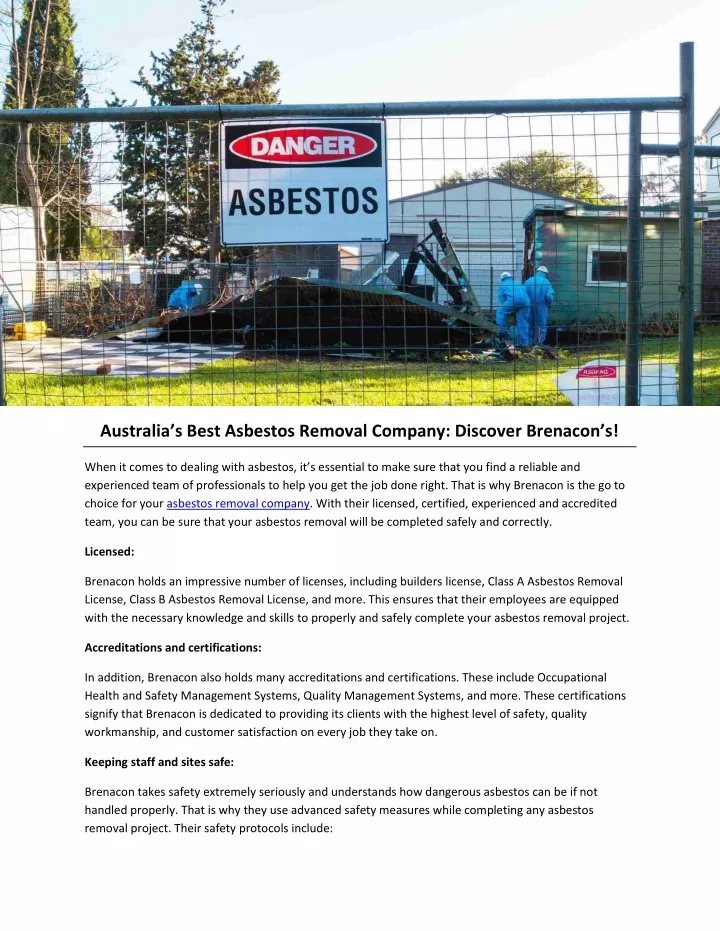
Under government and state regulations, asbestos waste have to be taken to an authorized contaminated materials facility or a landfill specifically allowed to approve asbestos-containing products. You can't use standard waste bins or local dumps, as these aren't furnished to handle the connected wellness risks. To abide by the legislation, make specific all asbestos is safely double-bagged and labeled before transportation. The majority of regions need you to utilize an asbestos collection solution, which will certainly transport the waste straight to a licensed center. Always confirm that the receiving site is approved for asbestos disposal; making use of an unlicensed area can cause severe lawful and environmental consequences. Proper documentation is vital, so preserve all receipts and records from the certified center to show conformity with regulatory demands.
If you're taking care of asbestos-containing products, connect to a accredited asbestos abatement service provider as opposed to trying elimination on your own. These experts follow strict regulatory guidelines, guaranteeing both your safety and conformity with regional laws. Attempting to eliminate asbestos without appropriate training and devices reveals you to serious health risks and legal fines.
When seeking aid, you should:
Do not risk incorrect handling-- always involve professionals and authorities to handle asbestos threats sensibly.
You can't reuse or recycle asbestos in the conventional sense, however there are specific methods like asbestos improvement and fiber stabilization. These processes change asbestos fibers into much less dangerous products, typically under stringent regulatory oversight. Due to the extreme health and wellness dangers, you shouldn't try any reclamation or stabilization yourself. Only qualified centers, complying with federal government regulations, can deal with asbestos securely. Always consult local authorities prior to thinking about any type of asbestos recovery or disposal alternative.
Yes, you've obtained numerous choices to asbestos for insulation that meet governing requirements and lower wellness dangers. Materials like fiber concrete and mineral woollen are generally utilized replacements. Fiber cement's non-combustible and durable, while mineral wool offers excellent fire resistance and thermal efficiency. When picking insulation, you'll want to abide with neighborhood building regulations and ensure appropriate dealing with to lessen direct exposure to dust and fibers, safeguarding both occupants and workers.
You could be stunned to find out that asbestos origins go back over 4,500 years; ancient usages included weaving asbestos fibers into fire-resistant fabric. Due to its remarkable warm resistance, ancient Greeks and Romans used it in light wicks and burial shadows. Nevertheless, you ought to understand that also at an early stage, there were records of lung concerns amongst workers, highlighting the requirement for modern-day regulatory oversight and strict risk management methods when dealing with asbestos today.
You'll discover that asbestos is still legally used today in some very managed industries. As an example, commercial brakes and clutch components might include asbestos, making use of its warmth resistance. It's likewise present in specific chemical filters where alternatives aren't practical. Rules strictly manage its usage, dealing with, and disposal due to health risks. If you operate in these markets, you have to comply with stringent safety and reporting procedures to reduce direct exposure and environmental influence.
Yes, pet dogs can absolutely be influenced by asbestos direct exposure in the home. If your pet dog breathes in or ingests asbestos fibers, they run the risk of establishing severe health and wellness problems similar to people. Be aware of pet direct exposure dangers, specifically throughout improvements. Pet signs may include coughing, labored breathing, or sleepiness. Governing guidelines encourage immediate vet attention and professional asbestos removal if contamination is thought to lessen risk and assurance both human and animal safety and security within the family.