


|
|
|
|
|
|
|
| Mortensen Stougaard | profile | guestbook | all galleries | recent | tree view | thumbnails |
Handling asbestos cement safely implies maintaining materials undamaged, uninterrupted, and periodically checked, making use of proper PPE and adhering to neighborhood policies if minor fixings are needed. It's unsafe to reduce, sand, or dry-handle asbestos concrete, or to miss qualified safety equipment, as these activities launch harmful fibers. Do it yourself disturbance, inappropriate disposal, and absence of recognition significantly enhance health and wellness and lawful risks. You'll find practical actions, regulatory advice, and just how to secure yourself and your household with the details that follow.
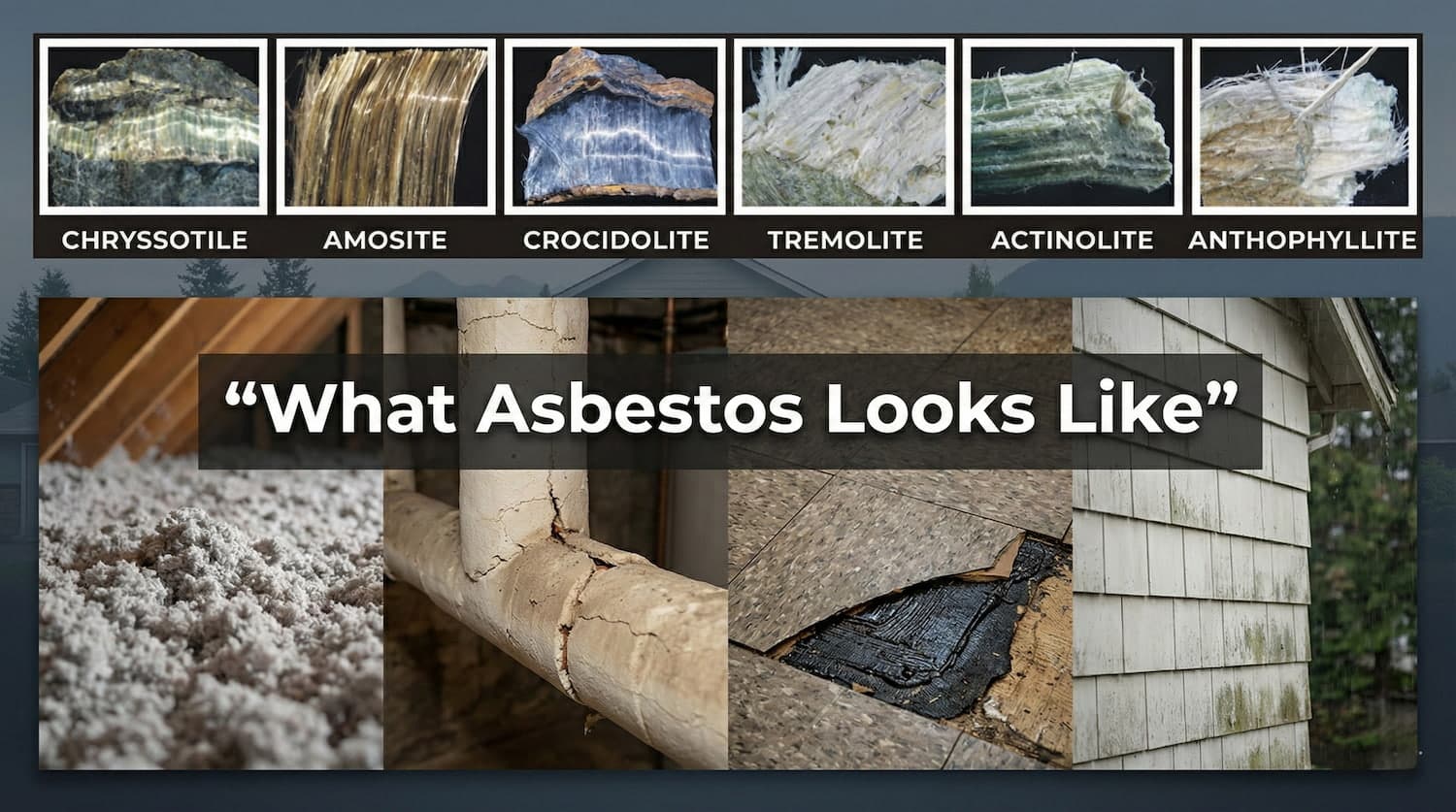
Determining asbestos concrete in your home requires a mindful strategy, given that this product frequently appears like common cement products however contains microscopic asbestos fibers. You can't verify asbestos presence simply by looking-- aesthetic inspection alone isn't reputable for asbestos recognition. Instead, look for items typically made with asbestos cement, such as roofing sheets, home siding, pipelines, and flue ducts set up prior to the 1980s. Labels or making stamps may provide hints, but these aren't constantly existing. For certainty, you'll need professional material testing. Licensed asbestos assessors adhere to stringent safety and regulatory methods when gathering samples, lessening exposure dangers. Never ever try to cut, break, or interrupt suspicious product yourself. Rather, contact a licensed asbestos specialist for appropriate identification and testing to ensure compliance and safeguard your health and wellness.
Although the visibility of asbestos concrete in your house may appear worrying, it's normally thought about risk-free to leave this product undisturbed if it remains in great condition. Asbestos cement items are most harmful when they're damaged or degrading, which can release fibers right into the air. According to regulatory standards, you need to stay clear of disturbing these products and instead focus on consistently checking their condition. https://winchmorehillasbestosremoval.co.uk If the asbestos cement continues to be undamaged, sealed, and undamaged, it's not likely to posture a health and wellness threat. https://winchmorehillasbestosremoval.co.uk/services/refurbishment-demolition-survey.html File the places and check them regularly for any kind of indications of wear, fractures, or water damage. Need to you discover any changes, speak with a licensed asbestos expert for more assessment. By leaving asbestos concrete uninterrupted and remaining alert, you decrease your threat of unneeded direct exposure.
When asbestos cement is disturbed-- whether through cutting, exploration, fining sand, or breaking-- it can launch tiny asbestos fibers right into the air, creating a serious breathing danger. You may believe asbestos concrete is secure due to the fact that it's a solid material, yet in time, friable deterioration can happen. https://winchmorehillasbestosremoval.co.uk/services/soft-strip-demolition.html As the cement matrix breaks down, asbestos fibers come to be a lot more quickly airborne, especially if tradition insulation exists nearby and has currently weakened. Even small home fixings can unintentionally damage asbestos concrete, making the fibers obtainable to your breathing system. Regulatory guidelines stress that improper handling boosts your risk of exposure, which can bring about long-lasting wellness consequences. That's why you should not ignore the risks-- disturbing asbestos concrete without appropriate treatments is never considered secure or certified.
When you're dealing with asbestos concrete, you'll need to use certain individual safety devices to satisfy safety laws and decrease health and wellness threats. It's vital to use a effectively ranked respirator to stop breathing in harmful fibers. Your gear must also consist of non reusable coveralls, handwear covers, and eye security to assure full compliance and limitation exposure.

Correct security equipment is non-negotiable for any person taking care of asbestos cement, as even brief direct exposure to airborne fibers can position severe wellness dangers. When picking handwear covers, choose long lasting, chemical-resistant kinds-- nitrile or neoprene are more suitable, as they avoid fiber penetration and fulfill regulative requirements. Glove choice is essential; guarantee a snug fit to prevent gaps at the wrist. For eye and face security, a full-face visor is advised. Focus on visor fit-- select a design that secures well around your face, leaving no entrance factors for dust. Disposable coveralls with fitted cuffs, preferably Type 5/6, ought to be worn to restrict skin get in touch with and fiber spread. Always evaluate your safety tools for damages prior to each use. Do not endanger; appropriate PPE is your initial line of defense.
Don't undervalue the value of a well-fitted respirator-- airborne asbestos fibers are invisible and extremely harmful, also at reduced concentrations. https://winchmorehillasbestosremoval.co.uk/services/artex-removal.html When taking care of asbestos concrete, respiratory protection isn't optional; it's needed by security guidelines. You need to concentrate on both respirator fit and filter kinds to guarantee reliable protection. Always select devices that fulfills national criteria (such as NIOSH or EN). Here's what you need to prioritize:
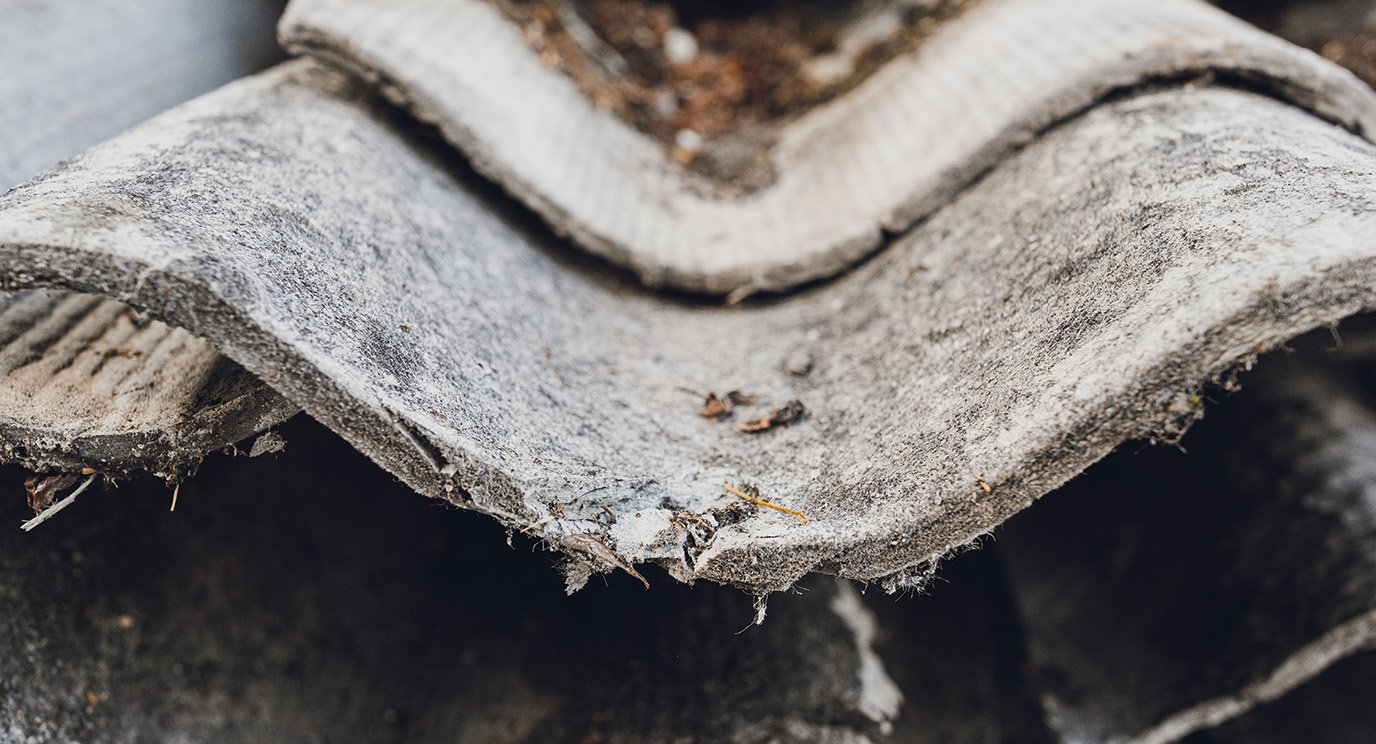
When taking on minor asbestos concrete repair work, you'll need to wear authorized individual protective tools to limit fiber exposure. It's likewise important to utilize wet repair methods, as maintaining the product moist protects against dirt launch. Always follow neighborhood regulations to reduce health and wellness and environmental threats during any kind of repair service job.
Individual protective equipment (PPE) acts as your frontline protection versus inhaling or entering into contact with asbestos fibers throughout small asbestos cement fixings. Always choose PPE that fulfills regulatory standards and is developed for asbestos handling. Also small repair work can launch unsafe fibers, so don't ignore proper equipment. Below are 4 necessary things you need to utilize:
Applying damp repair service approaches is the safest method to minimize air-borne asbestos fibers during small asbestos cement fixings. Always begin by moistening the workplace with a great haze of water combined with a tiny amount of detergent. This method, known as wet securing, warranties asbestos fibers are consisted of and less most likely to become air-borne. Do not utilize high-pressure water-- gentle application is crucial for prime fiber reductions. Usage hand tools as opposed to power tools to stay clear of disturbing the product even more. If you should patch fractures or openings, use an ideal asbestos-approved sealer while the surface remains wet. Dispose of cloths, handwear covers, and waste per neighborhood asbestos policies. Never ever sand, saw, or break the material dry-- this increases both risk and regulatory violation.
Although asbestos cement is frequently regarded as steady when intact, numerous usual blunders can considerably enhance your danger of direct exposure to harmful fibers. You might accidentally launch hazardous asbestos bits if you overlook crucial safety methods or regulations. Here are 4 regular errors that endanger your safety:
Always focus on governing compliance and danger recognition.
As soon as you have actually completed working with asbestos cement, it's crucial to take steps that stop dangerous fibers from entering your space. Instantly carry out post direct exposure cleansing by thoroughly eliminating and disposing of disposable coveralls, gloves, and masks according to regional harmful waste guidelines. Stay clear of shaking out apparel or tools, as this can launch asbestos fibers. For reusable job clothes, adhere to stringent washing methods: bag garments in a secured, labeled container and launder them independently from family things using hot water. Never mix polluted apparel with normal washing. Clean all devices and surfaces with a wet cloth or HEPA-filter vacuum cleaner-- never dry move or make use of typical vacuums. Shower extensively prior to connecting with your family members to make certain you don't move fibers. These activities significantly decrease secondary direct exposure risks.
If your task involves harmed, friable, or extensive asbestos concrete products, it's important to identify when specialist treatment is required for regulatory compliance and safety and security. Handling asbestos inaccurately can cause major health dangers and legal effects. You must always consult an asbestos elimination expert if you encounter the adhering to scenarios:
Ignoring these factors can compromise both conformity and your safety.
You can't recycle or recycle asbestos cement through common means as a result of rigorous laws. Even though you might become aware of redeemed floor tiles or industrial upcycling elsewhere, it's not legitimately or securely feasible with asbestos concrete. Handling or modifying these products launches hazardous fibers, which is why authorities mandate disposal at licensed centers. Always inspect neighborhood guidelines and never ever effort to repurpose asbestos concrete on your own, as health and wellness and lawful threats are significant.
Yes, asbestos concrete can adversely impact your home's resale value because of its residential property influence and customer perceptions. Possible customers are frequently skeptical of health and wellness threats and future removal costs, causing lower offers or problem marketing. Rules might require disclosure of asbestos materials, and some lenders or insurers might hesitate to offer solutions. It's important you understand these threats and comply with regional guidelines if asbestos concrete exists in your residential property.
If you inadvertently break asbestos concrete, treat it like dropping a bag of flour-- the dirt spreads out indistinctly however hazardously. Instantly put on defense: use a respirator and disposable coveralls. Don't sweep or vacuum; rather, make use of damp suppression by misting the particles to prevent fibers from becoming airborne. Gather pieces meticulously, double-bag them in heavy-duty plastic, and contact local unsafe waste authorities for disposal. Adhere to all regulative standards to lessen direct exposure danger.
Yes, you can face legal repercussions if you incorrectly deal with asbestos, including significant disposal fines. Rules need asbestos waste to be dealt with and carried by certified specialists, and certain control and labeling criteria should be fulfilled. If you neglect these regulations, authorities may issue penalties, and in some situations, criminal charges. It's crucial you're conscious of your neighborhood laws and make sure stringent conformity to avoid both health dangers and legal effects.

Did you recognize aging surfaces of asbestos concrete can launch as much as 10,000 fibers per litre of air throughout extreme weathering? As these materials age, direct exposure to rain, wind, or physical damage enhances the risk of fiber release, which postures serious carcinogen. You'll need to routinely examine and preserve asbestos cement, abiding with neighborhood policies to reduce airborne fibers and lessen ecological contamination. Always prioritize danger awareness when managing wearing away materials.