


|
|
|
|
|
|
|
| Larkin Baldwin | profile | guestbook | all galleries | recent | tree view | thumbnails |
If you possess or look after a Victorian or Edwardian home, it is essential to know asbestos was typically utilized for fireproofing, insulation, and attractive coatings. You'll locate it in distinctive ceilings, old floor tiles, pipeline lagging, and even ornate plasterwork. Disturbing these products can launch hazardous fibers, so always stay clear of boring or fining sand suspect areas. Preserving your home's character means managing asbestos risks very carefully and getting in touch with experts. There's more to know if you want to secure both health and wellness and history.
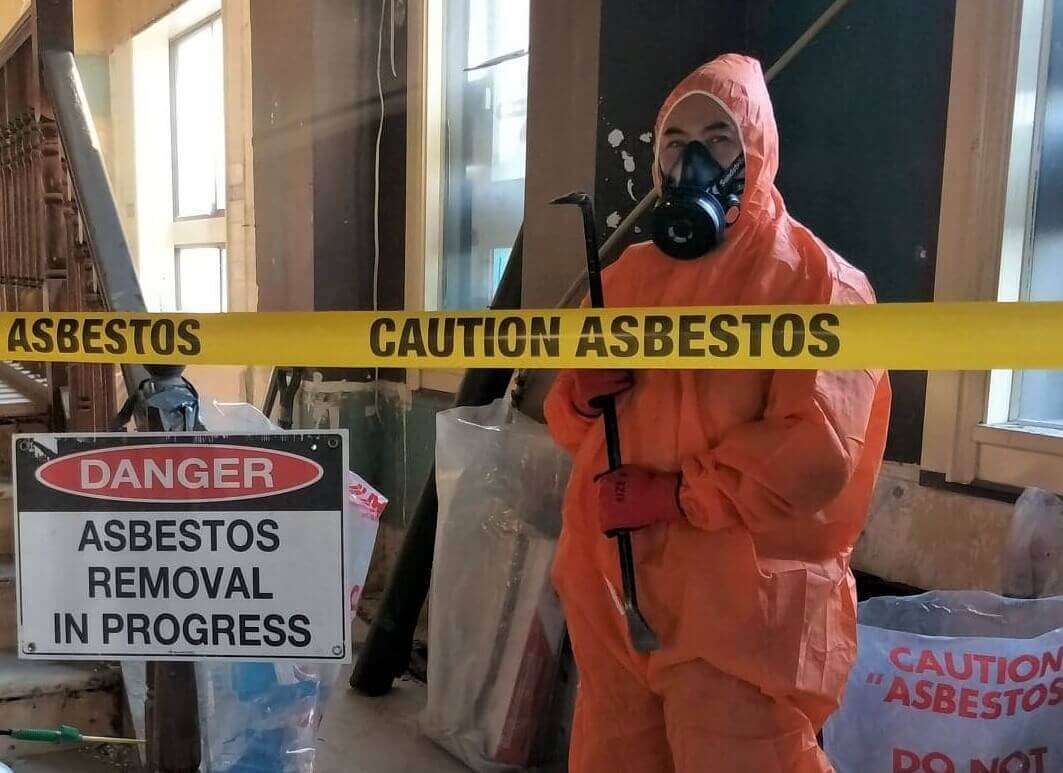
Although modern-day knowledge highlights the risks of asbestos, its use in Victorian and Edwardian homes was driven by useful demands and limited options. You'll see that during this age, fire was a consistent risk, especially in urban atmospheres where close quarters and open fire lights prevailed. Asbestos became a leading fireproofing material, valued for its resistance to heat and cost. Its adaptability indicated you would certainly find it in everything from insulation and roof to ornamental finishes. The industrial appearance of the duration additionally preferred materials that suggested development and sturdiness, making asbestos a modern-day selection. When maintaining these homes today, it's necessary to recognize exactly how asbestos was integrated both for safety and security and design, so you can identify, file, and manage it with treatment throughout repair or upkeep.
If you disrupt asbestos in your home, you're at danger for respiratory illnesses triggered by inhaling its fibers. In time, also low-level exposure can enhance your possibilities of creating significant cancers such as mesothelioma or lung cancer. It is very important to identify symptoms like persistent coughing or lack of breath, as these can indicate asbestos-related illness.
When little asbestos fibers end up being air-borne and are inhaled, they can lodge deep within your lungs, leading to a series of significant breathing health problems. In Victorian and Edwardian homes, even small disruptions-- like exploration or sanding-- can launch these fibers from old insulation or flooring tiles. You'll find that conditions such as asbestosis and pleuritis are linked to extended direct exposure, particularly with work-related direct exposures or household dirt that builds up with time. Asbestosis causes lung cells scarring, which minimizes your lung capability and makes breathing difficult. Pleuritis causes excruciating inflammation of the lung lining. If you're devoted to protecting historic buildings, it's necessary to acknowledge these dangers and deal with products with treatment. Protecting against fiber release secures both your wellness and the building honesty of your home. https://friernbarnetasbestosremoval.co.uk/services/garage-shed-roof-removal.html
Also restricted direct exposure to asbestos fibers in old homes can considerably boost your lifetime threat of creating certain cancers cells, the majority of particularly mesothelioma cancer and lung cancer. Unlike more immediate respiratory diseases, these cancers might appear decades after first get in touch with, making very early recognition of danger variables crucial. If you've experienced occupational direct exposure in building and construction or remodelling, your danger is higher, but residential direct exposure during DIY jobs or regular maintenance should not be undervalued.
Your hereditary vulnerability also plays a duty; some individuals are more prone to asbestos-induced cancers cells despite marginal call. When preserving Victorian or Edwardian homes, it's essential to recognize that historic charm might hide dangerous materials. Handling or disturbing asbestos-containing products without appropriate safety measures can have irreversible lasting results on your wellness, no matter exposure duration.
Although asbestos exposure often goes unnoticed at first, its wellness effects can arise silently and progress over years. You may not experience immediate signs, however understanding early signs and non respiratory signs is critical for timely treatment and preservation of your well-being. Consistent cough, shortness of breath, and chest tightness are classic signals, yet asbestos-related conditions sometimes materialize through subtle changes, such as unusual exhaustion or clubbing of fingers. Don't neglect these caution indicators, particularly if your home dates to the Victorian or Edwardian era.
| Early Symptoms | Non Breathing Signs |
|---|---|
| Relentless dry coughing | Clubbing of fingers/toes |
| Lack of breath | Unexplained fat burning |
| Chest pain or tightness | General fatigue or despair |
Early discovery can help mitigate long-term damages and guides secure home preservation.
Due to the fact that lots of period residences were constructed before the threats of asbestos were widely acknowledged, you'll commonly find this unsafe product integrated right into different structure elements. As you evaluate a Victorian or Edwardian home, it's vital to recognize where asbestos could have been intentionally used for its fire resistance and longevity. Conservation initiatives need understanding which initial materials are likely to have it, so you can plan secure reconstruction methods. Usual asbestos-containing products include insulation remnants left in attic rooms and around pipes, in addition to flooring tiles that were prominent for their stamina and resilience.
Within the wall surfaces and under the floorings of lots of older homes, asbestos might be existing in areas you may not expect. In Victorian and Edwardian residences, you'll frequently discover asbestos-containing products in attic room insulation, particularly if loose-fill or vermiculite was made use of. Initial pipe lagging, boiler jackets, and duct wraps in crawlspaces or cellars regularly include asbestos fibers, making cellar sheeting one more area of problem. Old flooring ceramic tiles, ceiling panels, and wall smudges often incorporated asbestos for added toughness and fire resistance. Even exterior features, such as cement boards or roofing shingles, may harbor asbestos. Knowing these typical locations is key to maintaining your home's historical honesty while ensuring safety. Constantly technique possible asbestos locations with care and prioritize expert examination before any restoration or repair.
When evaluating an older home, you'll desire to pay close interest to building materials like distinctive ceilings, plastic floor covering, or old pipeline insulation that may include asbestos. Subtle architectural details, such as initial plaster or uncommon ceiling ceramic tiles, can use aesthetic clues to its visibility. Do not overlook covert risks in ornamental elements-- decorative wall panels or synthetic fireplace borders may also harbor asbestos fibers.
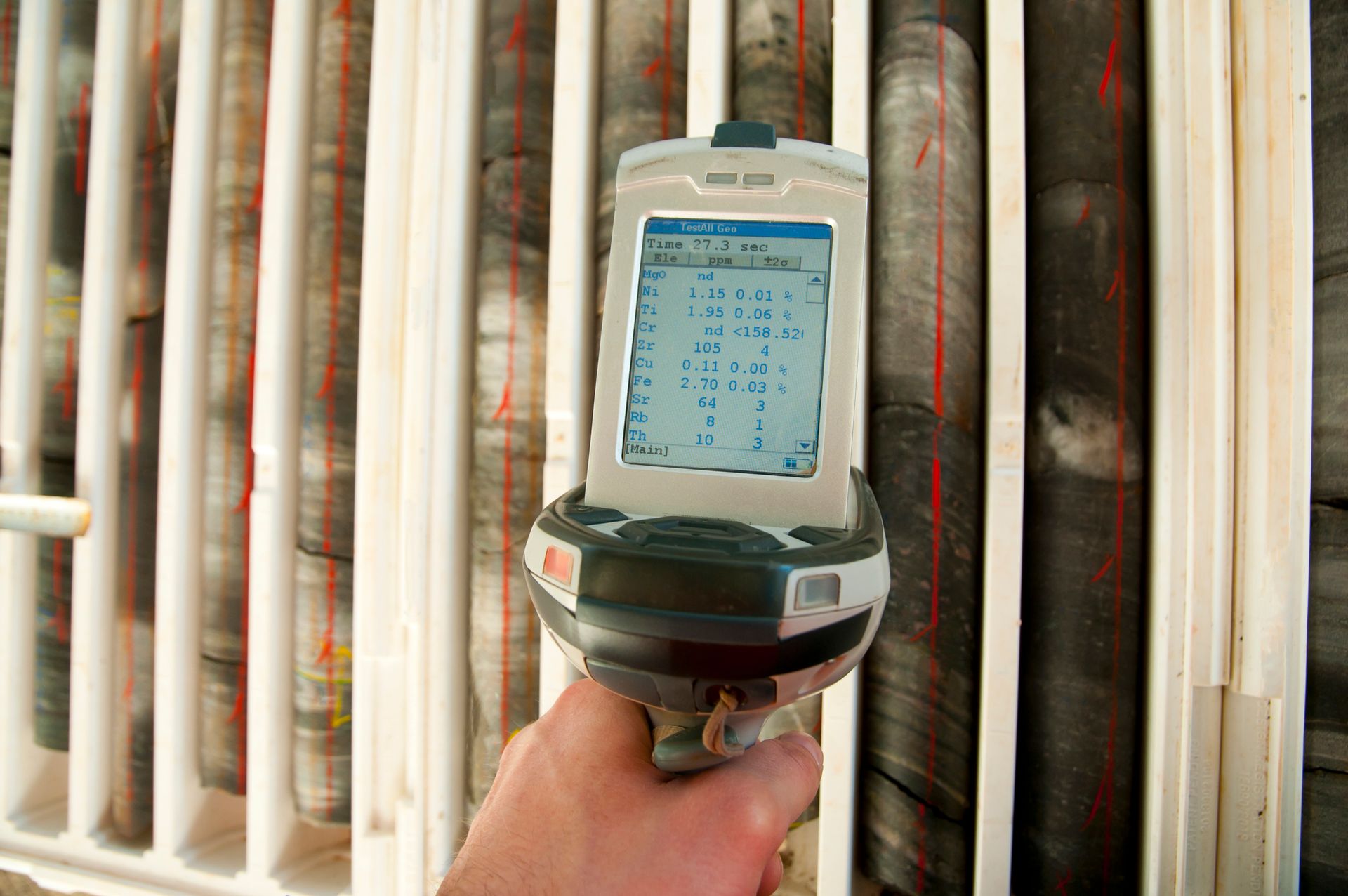
Although asbestos was commonly made use of in domestic construction throughout much of the 20th century, lots of home owners today aren't mindful of which products in their old residences may contain this unsafe substance. Understanding product recognition is vital before undertaking insulation upgrades or repair work in Victorian and Edwardian homes. Asbestos was valued for its fire resistance and sturdiness, making it a common component in building products you might still locate today. If you're intending to preserve your home's historic honesty while making sure safety and security, begin by being mindful of these frequently run into asbestos-containing materials:
Always talk to professionals for proper evaluation.
Determining asbestos in an older home isn't always uncomplicated, however a trained eye can identify subtle architectural hints. Start by checking out building describing-- locations like cornices, ceiling roses, and attractive moldings often employed asbestos-reinforced plaster for included toughness. Pay attention to roofline decoration, such as finials, soffit boards, and bargeboards, as these attributes were in some cases constructed with asbestos cement to hold up against weathering.
Look for materials that have a thick, cement-like appearance or seem abnormally difficult contrasted to surrounding woodwork. Flaking surfaces, specifically on outside decorative trims, may suggest asbestos web content. https://friernbarnetasbestosremoval.co.uk/services/soft-strip-demolition.html If you're functioning to preserve initial attributes, be mindful before disrupting any suspect product. Document your observations and speak with a professional aware of duration building to confirm the visibility of asbestos before continuing.
While a number of asbestos's threats prowl behind wall surfaces and below floors, decorative aspects inside old homes can likewise hide this hazardous material. You'll wish to look closely at functions that frequently go overlooked-- specifically if you're wishing to protect original Victorian or Edwardian charm. Vintage wallpaper, for example, might have been backed with asbestos-laced paper for insulation or fireproofing. Period lights fixtures in some cases have asbestos in their electrical wiring or insulation. Even attractive ceiling ceramic tiles and textured wall finishes can harbor covert fibers. To help you determine prospective risks, look for:
Protect with care-- get in touch with a professional if unsure.
If you believe asbestos may be present in your home, it's essential not to disturb any kind of products that might include it. Asbestos fibers are harmful when airborne, so stay clear of drilling, fining sand, or relocating suspect products. Instead, limit gain access to to the afflicted location and take into consideration short-lived control, such as sealing areas or covering surfaces with plastic sheeting, to minimize the danger of exposure.
Don't try elimination or sampling yourself. Instead, schedule a specialist analysis. Licensed asbestos experts have the experience and equipment to securely review your home while maintaining its historic honesty. They'll identify threat areas and suggest risk-free management choices. Keep in mind, in Victorian and Edwardian houses, uninterrupted asbestos is commonly more secure left alone until specialist assistance is readily available. Prioritize security and conservation at every action.
When you have actually restricted access and prevented disturbing any suspicious products, the next action is scheduling risk-free asbestos screening. You should not try to sample products yourself unless you're totally aware of the risks and appropriate techniques. Accurate screening is important for securing both health and the historical stability of Victorian and Edwardian homes. https://friernbarnetasbestosremoval.co.uk/services/refurbishment-demolition-survey.html Professional air tasting offers a clear image of air-borne asbestos fibers, while do it yourself sets are available but must be made use of with care. Constantly focus on safety and security and precision to guarantee any conservation initiatives don't inadvertently reveal you or others.
Although some small asbestos dangers can be managed with careful tracking, there are circumstances where just accredited experts must take care of elimination. If you discover damaged materials or suspect widespread contamination in your Victorian or Edwardian home, don't try elimination yourself. Licensed contractors have specialized training and tools to minimize disturbance and secure both you and your historical building. Emergency elimination might be essential if asbestos is unexpectedly revealed after events like flooding or restoration incidents. To aid you make a decision when experienced intervention is important, consider the complying with scenarios:
| Circumstance | Action Needed |
|---|---|
| Harmed asbestos insulation | Call certified specialists |
| Particles after architectural damage | Emergency removal |
| Friable asbestos found inside your home | Professional evaluation |
| Remodelling near suspicious products | Speak with specialists |
| Massive contamination | Licensed removal group |
Your home's integrity-- and your security-- depend upon notified choices.
While maintaining the unique personality of an older home, you'll desire to address asbestos threats without compromising initial features. It's necessary to balance modern safety standards with respect for historic appearances and heritage preservation. Mindful preparation aids secure ornamental plaster, original moldings, and period information while taking care of dangerous materials. Dealing with professionals warranties that interventions are minimally intrusive and relatively easy to fix whenever feasible. Below are some essential techniques:
This technique safeguards both your wellness and your home's tradition.
Yes, you can offer a residence with asbestos in it, however you'll need to offer a thorough home disclosure to potential customers. It's vital you inform them about the existence and location of asbestos to stay clear of future customer obligation concerns. Preservation of historical functions is possible, but security and lawful compliance need to precede. Always adhere to regional guidelines and think about professional asbestos evaluation or removal, ensuring both transparency and preservation are balanced.
Do not expect your insurance coverage plan to swoop in like a superhero when it concerns asbestos removal-- most home insurance coverage has unwavering insurance exemptions for this details danger. Unless you have actually added special plan recommendations, you're likely on your own for those expenses. Insurance providers usually see asbestos as a maintenance issue, not an abrupt accident. If you're dedicated to protecting your home, review your policy and consider specialized endorsements for historic repair needs.
Yes, you might find gives for asbestos elimination in historical homes, especially if your residential property qualifies under historic preservation standards. Grant eligibility typically depends on your home's historical condition, place, and the designated conservation work. You'll want to consult neighborhood or state historical preservation offices, as well as federal programs like those supplied by the National Count On for Historic Preservation. Thoroughly assess all needs to make sure your job satisfies their particular requirements.
Specific prices for asbestos removal really relies on several substantial elements: square video footage, website specifics, and sampling. You'll discover elimination quotes range widely-- generally $1,500 to $3,000 for small areas, yet bigger tasks can skyrocket to $20,000 or even more. Asbestos rates shows both the intricacy of containment and the care needed for conservation. Always speak with certified specialists to make sure safe, delicate removal that honors your home's history while securing your wellness.
If you leave asbestos uninterrupted, it's typically not unsafe since the fibers stay contained, minimizing health and wellness risks. Nonetheless, if the material gets damaged or deteriorates, fibers can end up being airborne, positioning serious respiratory dangers. Air tracking is essential to guarantee fiber degrees remain secure, particularly during any kind of renovation or conservation job. You're finest off maintaining the initial products undamaged and regularly inspecting for indicators of wear to avoid unnecessary exposure.