


|
|
|
|
|
|
|
| Donahue McConnell | profile | guestbook | all galleries | recent | tree view | thumbnails |
In our journey as we move into a world progressively shaped by technology and virtual communications, the prospective era holds a complex environment filled with prospects and obstacles. A notable area which has gained substantial attention is this hidden web, an concealed dimension within the online space which operates beneath the the surface of normative online experience. This mysterious domain offers multiple markets, every possessing unique unique services, risks, as well as rules. Looking forward, are look forward to understanding the marketplaces becomes crucial to maneuvering through these changing tides of online trade, especially considering newly arising trends along with technologies.
This development within the underworld presents a mix of captivating possibilities along with daunting concerns. With predictions pointing towards a major transformation by the year 2027, it is vital to investigate what lies ahead in this underworld of the internet. From the top dark web markets and the intricate complex world of cryptocurrency transactions and criminal operations, this shadowy web remains an complex ecosystem which continues to intrigue both interest and caution. As we explore into in this hidden space, we will reveal multiple kinds involving dark market links, discuss the ongoing trends as well as future forecasts, while also emphasizing key points that anyone interested about grasping this shadowy segment of the online world.

Darknet markets have surfaced as a notable aspect of the online underground ecosystem, allowing users to purchase and sell a variety of goods and services in secret. These platforms are often accessible only through dedicated software, most commonly the Tor network, which provides users with the necessary anonymity to engage in transactions without revealing their personal information. Such marketplaces have gained popularity for various illicit items, including narcotics, counterfeit currency, and cybercrime services.
The evolution of darknet markets over the years has been marked by transitions in technology, user habits, and law enforcement strategies. As the digital landscape shifts, so do the characteristics of these markets, emphasizing on user security and transaction speed. With the expected growth of underground markets in 2027, we can anticipate innovations in payment methods, including the rising use of digital currencies like Bitcoin to enable discreet transactions. This progress reflects a growing sophistication in both the markets themselves and the tools used to access them.
Despite the perils associated with participating in darknet markets, including likely scams and legal consequences, they continue to lure users seeking private access to various goods. Current trends suggest that as more individuals become informed of these hidden marketplaces, the landscape will continue to change amid ongoing developments in privacy tools. The future of darknet markets appears ever-changing, possibly expanding in both scale and complexity as new technologies further shape the hidden internet environment.
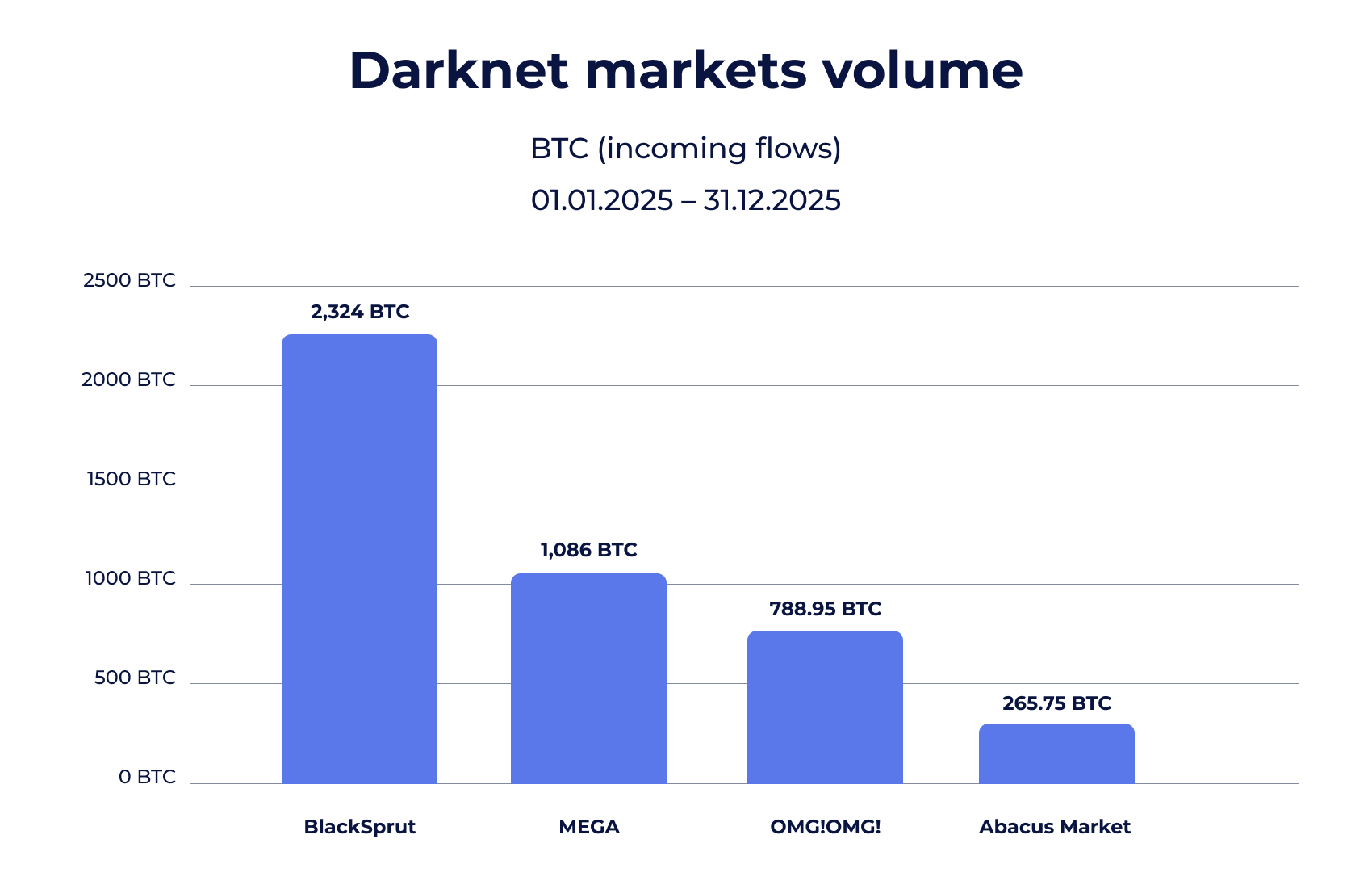
As the digital currency landscape evolves, Bitcoin transactions are experiencing significant shifts in usage patterns and integration into multiple markets. The rise of decentralized finance has led to an increasing number of businesses accepting Bitcoin as a form of payment, providing more avenues for users to interact with the currency. This movement is especially pronounced in darknet markets, where transactions often depend on Bitcoin for its anonymity and security features. Such environments have prompted the development of tools and services especially designed to improve transaction privacy, with users increasingly gravitating towards these solutions.
In 2027, experts predict that Bitcoin will more establish itself as a favored currency within the dark web, especially in darknet markets focused on illicit goods and services. The ability to make transactions without revealing personal identity makes Bitcoin an ideal choice for users participating in these activities. With innovations like the Lightning Network, which enables faster and cheaper transactions, the efficiency of using Bitcoin in dark markets is likely to improve, leading to a broader acceptance among vendors and customers alike.
Moreover, as regulatory scrutiny of cryptocurrencies intensifies globally, the need for reliable and comprehensive darknet market links has surged. Darknet users are eager to finding the best darknet markets that ensure secure and efficient Bitcoin transactions. This has resulted in the emergence of several online platforms that provide updated dark market lists and review sites, providing insights into which markets are deemed more secure and more reliable for transactions. As users continue to seek both security and privacy, these trends will shape the future of Bitcoin transactions within the dark web landscape.
As we look ahead to the future of darknet activities in the year 2027, several trends are likely to define the outlook of dark platforms. One of the significant changes is anticipated in the types of products and services available on these sites. While illicit drugs have historically ruled the scene, emerging technologies and changing societal attitudes may result in a diversification of available options. This comprises an growth in services such as cyber tools and counterfeit items, coupled with a sophisticated network facilitating these transactions that preserves user anonymity.
The infrastructure underlying darknet platforms is also predicted to evolve. With advancements in digital security and secure communication, users will likely see more secure dark web site URLs and onion links, boosting their confidentiality and transaction safety. The usage of cryptocurrencies, particularly Bitcoin, will persist to play a pivotal role in facilitating these transactions, driving the creation of specialized darknet payment systems that emphasize user anonymity and ease of access, which could change the availability of these markets.
Finally, regulatory reactions to the expanding darknet ecosystem will greatly impact its future. Governments globally may intensify their efforts to watch and penetrate dark platforms, leading to an continuous cat-and-mouse between law enforcement and market operators. As a result, the infrastructure of darknet platforms may adapt, becoming more resilient to shutdowns while attempting to maintain the appeal of privacy. These changes could influence user behavior, possibly driving some to look for new, less-regulated platforms or solutions.
Engaging with underground markets comes with significant risks that users must manage carefully. The obscurity provided by the darknet can often give a illusory sense of security. Many users assume they can operate without being noticed, but law enforcement agencies are gradually skilled at tracking transactions and identifying individuals involved in unlawful conduct. This implies that users may expose themselves to legal repercussions, including arrest and prosecution, when purchasing or selling goods on these marketplaces.
In addition to legal risks, there are individual safety issues to keep in mind. The products found on underground markets can range from illegal drugs to fake products, and the reliability of these goods is often questionable. Users may become targets to scams, receiving products that do not match their descriptions or, worse, are unsafe. Furthermore, many transactions require the use of digital currency, which adds a layer of complexity and can lead to potential detriments if a user is not knowledgeable in managing digital currency.
Lastly, the risks extend to privacy and data security. While some platforms take steps to protect user anonymity, there is always a risk that personal information can be leaked or accessed by criminals. https://darknetmarketnexus.one can result in identity theft or other cybercrimes. Therefore, anyone considering using dark markets should be thoroughly informed and prepared to take necessary steps, such as using protected payment techniques and safeguarding personal information, to reduce these risks.