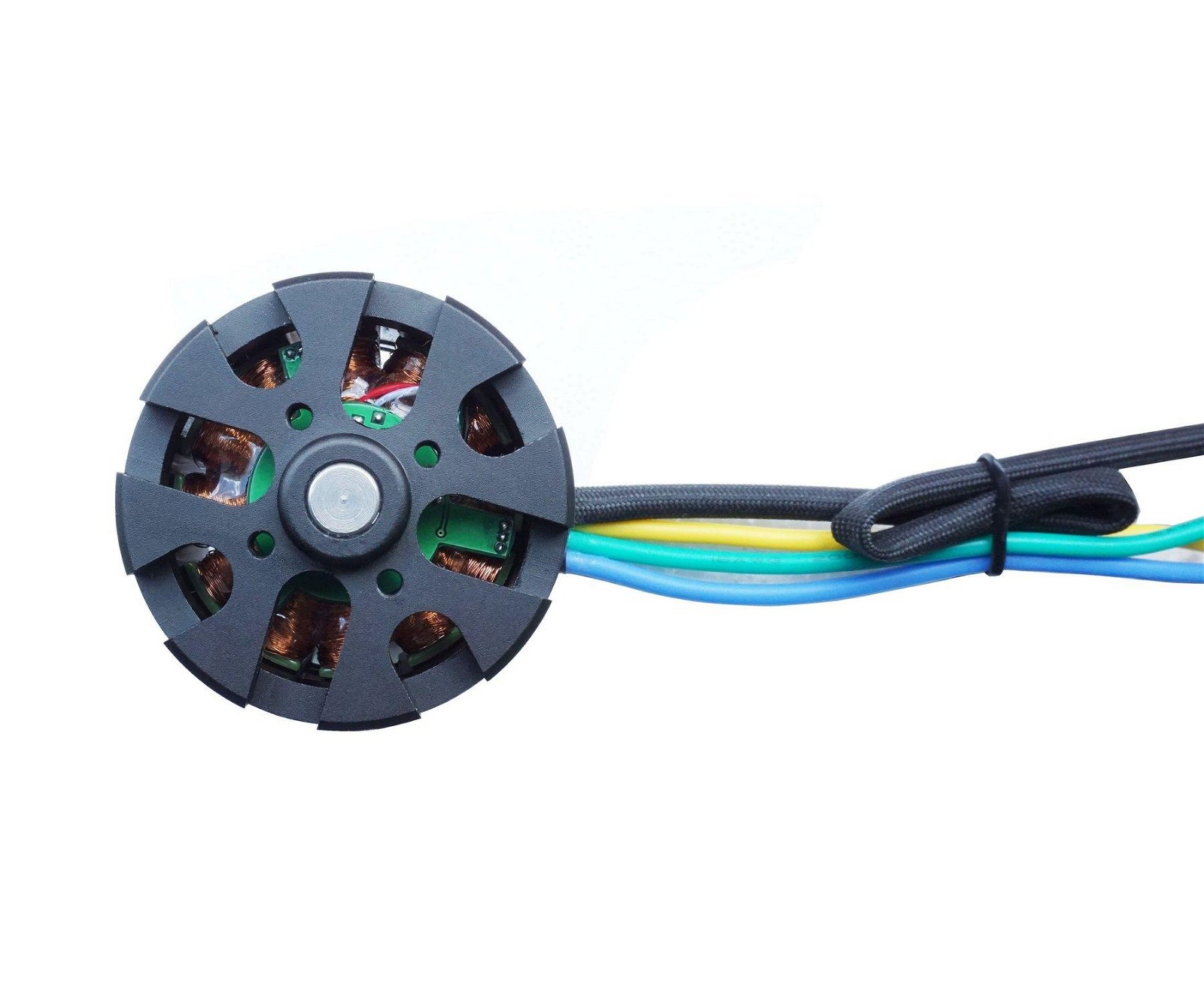
The selection between utilizing sensor or sensorless motors in electrical skateboards is a considerable one that influences the total performance, control, and upkeep of the board. Worldwide of electrical skateboards, the motors are essential to their procedure, and the presence or lack of sensing units in these motors can affect their feature. In this short article, we will delve into the benefits and negative aspects of both sensing unit and sensorless motors to assist you choose which may be the best fit for your electric skate boarding needs.
Sensing Unit Motors in Electric Skateboards
Sensing unit motors, frequently described as "sensored" motors, include Hall-effect sensors that give responses to the motor controller concerning the blades's position. This responses permits the controller to optimize the motor's performance.
Pros of Sensor Motors:
Smooth Startup: One of the biggest advantages of sensored motors is their smooth and predictable begin with a dead stop. The sensing units provide specific rotor setting, permitting accurate control from the start.
Regular Torque: Sensored motors deliver consistent torque throughout the speed range, making them suitable for climbing hillsides or navigating obstacles where torque control is important.
Better Low-Speed Control: These motors master low-speed scenarios, using better control, which is beneficial for maneuvers in tight rooms.
Improved Synchronization: For skateboards with dual or multiple motors, sensored systems can synchronize the motors successfully, resulting in smoother procedure and less endure parts.
Cons of Sensing Unit Motors:
Intricacy and Cost: The addition of sensing units enhances the complexity of the motor, which can cause higher expenses in manufacturing and maintenance.
Longevity Issues: The sensors and their circuitry include even more possible factors of failing. They can be vulnerable to harm from resonances, dust, and dampness.
Fixing and Maintenance: Dealing with a sensored motor frequently requires even more technological knowledge and could be much more difficult compared to sensorless motors due to the added components.
Sensorless Motors in Electric Skateboards
Sensorless motors do not include Hall-effect sensing units and depend on back-EMF (electromotive force) for rotor position feedback, which is only created when the motor is rotating.
Pros of Sensorless Motors:
Simpleness and Toughness: Without the additional parts, sensorless motors have fewer factors of potential failing, making them easier and possibly extra sturdy.
Reduced Expense: The minimized complexity generally indicates a lower expense, both in regards to initial acquisition and upkeep.
Environmentally Robust: The absence of delicate Hall-effect sensors can make these motors far better fit to extreme settings and much less vulnerable to issues occurring from direct exposure to the components.
High-Speed Effectiveness: At greater speeds, sensorless motors are extremely effective since the back-EMF provides precise blades position details, which the controller can make use of successfully.
Disadvantages of Sensorless Motors:
Cogging at Reduced Rates: Without sensors, these motors can experience "cogging" or jerkiness at startup, as the controller does not have exact details about the rotor's setting.
Lowered Torque at Low Speed: Sensorless motors might have problem with giving consistent torque at reduced rates, which can be a downside when precision control is required, such as in slow-moving web traffic or when beginning on a slope.
Requires Movement to Start: These motors require to be rotating to supply back-EMF signals. For that reason, beginning with a full stop without any push can be tough.
Prospective Desynchronization: In multi-motor setups, sensorless motors might not integrate as efficiently as their sensored equivalents, possibly triggering uneven wear or reduced effectiveness.
Balancing the Benefits And Drawbacks
When it concerns selecting in between sensor and sensorless motors for electrical skateboards, it's a matter of prioritizing the aspects that matter most to you. For a rider that values a smooth beginning and accuracy control at low speeds, the sensored motor may be the optimal choice despite its higher price and potential maintenance worries. Conversely, if you're looking for simpleness, resilience, and cost-efficiency, and are less worried regarding the occasional cogging at start-up, a sensorless motor could be the way to go.
To capitalize on the benefits of both systems, some electrical skateboards use hybrid motor configurations that run sensorless at broadband yet can switch over to sensored setting for the startup and low-speed operation. This technique attempts to provide the most effective of both globes by providing smooth start-ups and efficient high-speed efficiency.
Final thought
The decision to use sensing unit or sensorless motors in electrical skateboards rests on specific preferences and planned usage. Sensored motors provide fine-tuned control, specifically at low speeds, making them superb for metropolitan travelling and complex maneuvers. On the other side, sensorless motors shine in their simpleness, toughness, and cost-effectiveness, with a mild concession in low-speed efficiency.
Recognizing https://www.singbull.com/collections/motors-1/ -offs in between both sorts of motors empowers cyclists to make enlightened options. As electric skateboard modern technology continues to evolve, the void in between sensored and sensorless motor performance narrows, with advancements aiming to enhance performance, control, and dependability. No matter the choice, both systems continue to push the electrical skate boarding experience forward, offering motorcyclists a thrilling and convenient setting of individual transport.