


|
|
|
|
|
|
|
| Rubin Rask | profile | guestbook | all galleries | recent | tree view | thumbnails |
If your commercial or storehouse building was developed prior to the 1980s, it's most likely to consist of asbestos in insulation, pipeline lagging, ceiling panels, and floor tiles. Aesthetic checks aren't enough-- confirmed identification needs specialist tasting and lab analysis. Damaged or worn away products boost the threat of air-borne fibers and serious health impacts. Regulations mandate certified managing and strict documents. Recognizing vital caution signs and conformity actions is necessary; check out further to shield owners and guarantee lawful safety.
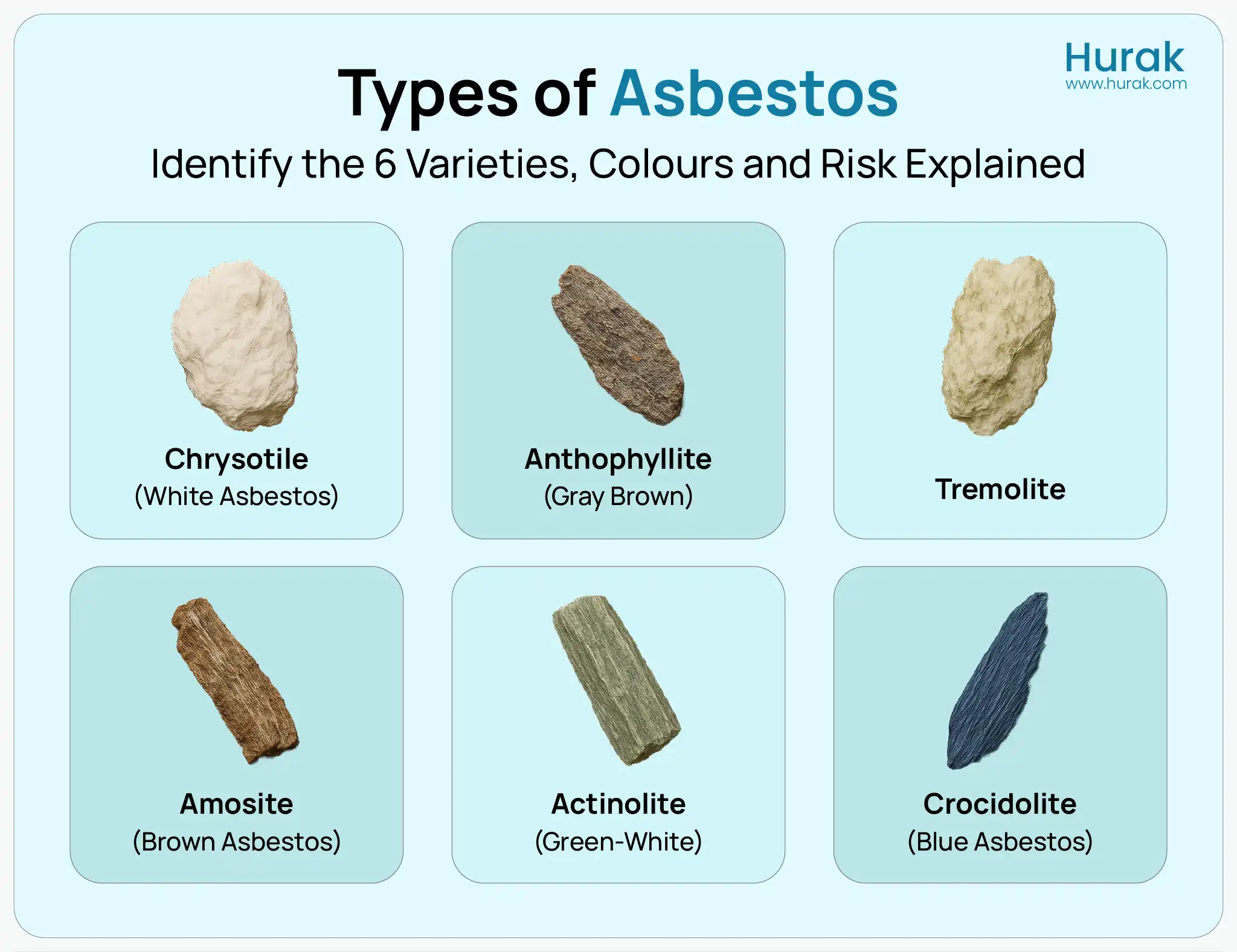
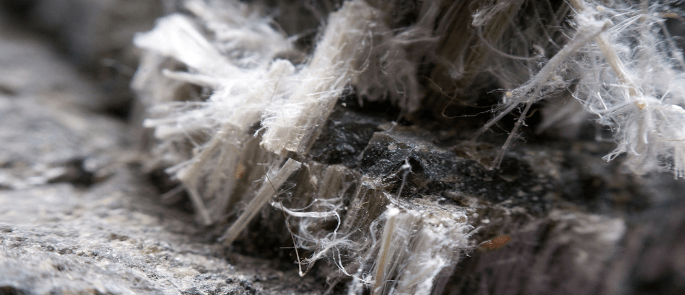
Frequently, it's tough to aesthetically verify whether a building includes asbestos, as asbestos fibers are tiny and generally mixed into various other products. To accurately establish asbestos visibility, you'll require to apply standardized tasting methods, which need collecting product examples from suspicious locations and submitting them for research laboratory analysis. Depending only on visual evaluation is poor. Thorough air surveillance might likewise be needed, particularly if there's a threat of fiber disruption throughout maintenance or remodelling activities. Examining historic records, such as initial building records and remodelling logs, can assist identify prospective asbestos-containing materials based on the structure's age and past job. Keep in mind, as the homeowner, you're liable for making certain any kind of asbestos is properly determined and handled in conformity with regulatory demands, reducing health and wellness and lawful risks.
You'll frequently run into asbestos in insulation products and piping systems throughout commercial centers, especially those built prior to the 1980s. Roof, ceiling panels, and certain flooring products, including adhesives, are likewise frequent resources as a result of asbestos's toughness and fireproof residential properties. Recognizing these common areas is vital for efficient risk evaluation and management.
Within commercial structures, insulation products and pipelines represent a few of the most widespread locations where asbestos-containing materials (ACMs) are run into. You'll typically discover asbestos used as thermal lagging, which was used to pipelines, boilers, and warmth exchangers to improve energy efficiency and protect against warmth loss. Pipeline insulation, particularly if mounted before the 1980s, frequently contains asbestos fibers due to their heat-resistant residential or commercial properties and resilience. If you're reviewing a site, inspect any kind of insulating wraps, pre-formed pipeline coverings, or splashed layers, as these might consist of friable ACMs that launch fibers when disrupted. Do not ignore elbow joints, valves, or joints-- these places frequently have additional insulation. Appropriate identification and monitoring of asbestos in these materials are vital to preserving office safety and governing compliance.
Check the upper reaches of commercial buildings, and you'll frequently experience asbestos-containing products installed in roofing and ceiling panels. Asbestos was routinely included in corrugated panels and acoustic ceramic tiles for its durability, fire resistance, and insulating residential or commercial properties. You'll discover that both level and corrugated roof panels may include chrysotile or amosite fibers-- presenting inhalation risks throughout routine upkeep or restoration. Acoustic floor tiles, often set up to dampen sound in storage facility environments, also frequently include asbestos, especially in structures built prior to the 1980s.
| Feature | Asbestos Use |
|---|---|
| Corrugated panels | Structural and weatherproofing |
| Acoustic ceramic tiles | Sound absorption, fireproofing |
| Ceiling panels | Insulation, light-weight design |
Troubling these materials, whether via exploration or removal, can release harmful fibers right into the air.
Past roofing and ceiling panels, asbestos often prowls beneath your feet in commercial settings, incorporated right into floor ceramic tiles, sheet floor covering, and the adhesives securing them. If you manage or work in older centers, you're likely to run into asbestos-containing plastic tiles and mastic adhesives. These products were preferred for their resilience, fire resistance, and insulation buildings. Asbestos fibers are installed in both the plastic matrix and the adhesive layer, posturing a potential inhalation danger if disrupted during improvements or repairs. According to regulative bodies, also small abrasion or removal of these materials can launch harmful fibers right into the air. It's vital to determine and evaluate suspect flooring items prior to launching any type of job, following established abatement methods to assure the safety of passengers and employees.
You need to be conscious of typical visual asbestos indications, such as damaged insulation, fraying pipeline covers, or breaking down ceiling tiles. It's additionally vital to acknowledge very early health symptoms like persistent coughing, shortness of breath, or chest pain, which may signal asbestos exposure. Determining these warning indicators without delay can help you decrease potential health and wellness threats in commercial settings.
While asbestos can not always be determined without laboratory evaluation, a number of visual signs might signify its presence in commercial buildings. You must be alert for specific products and problems that typically include or expose asbestos. For example, if you observe falling apart insulation around pipelines or air ducts, it's feasible asbestos fibers are being launched. Similarly, textured finishes on wall surfaces and ceilings-- usual in older centers-- might have asbestos. Pay focus to the following:

Document any suspicious materials and seek expert analysis.
Often, very early signs and symptoms of asbestos direct exposure are refined and quickly misinterpreted for more common respiratory conditions. You may observe consistent respiratory system irritation, such as a chronic coughing, lack of breath, or wheezing. These symptoms can establish gradually and are often overlooked, particularly in industrial and storehouse settings where dust and air-borne particles prevail. Along with respiratory concerns, be alert for unusual skin sores that may show up after direct contact with asbestos-containing materials. While much less typical, skin lesions can show facial exposure and should not be ignored. Professional researches connect long term asbestos exposure to more extreme outcomes, including asbestosis, lung cancer cells, and mesothelioma. Checking your health and wellness and reporting persistent or unusual signs and symptoms quickly is important for very early intervention and risk mitigation.
Since inappropriate handling of asbestos-containing materials (ACMs) can result in major health risks, it's important to approach recognition with strict adherence to safety methods. You should never try to visually verify asbestos on your own; lots of ACMs look comparable to non-hazardous products. Rather, employ licensed professionals to carry out asbestos testing and material sampling. These professionals utilize specialized treatments to properly figure out the existence of asbestos fibers. To lessen danger, always follow these steps:
Complying with these standards guarantees precise identification while focusing on health and wellness.
Although asbestos use has decreased over recent decades, it's still based on rigorous oversight under neighborhood, state, and government policies. As a facility manager, you're required to understand and follow recognized regulatory timelines for asbestos examinations, monitoring, and coverage. For instance, the EPA's National Emission Specifications for Hazardous Air Pollutants (NESHAP) mandates certain notice periods prior to improvement or demolition involving asbestos-containing materials. You're additionally accountable for making sure all employees obtain ideal training demands, as detailed by OSHA criteria, that include annual refresher programs for workers associated with asbestos-related jobs. Stopping working to satisfy these demands can result in considerable charges and raised obligation. Remaining current with advancing laws ensures both governing compliance and the recurring safety and security of your facility's owners and labor force.
If you stumble upon products in your center that look dubious or scrubby, it's important not to disrupt them considering that asbestos fibers can come to be airborne when harmed. Immediate activity is required to decrease direct exposure threats and adhere to guidelines. Your reaction should be systematic and informed by evidence-based methods. Here's what you ought to do:
Failure to act properly may cause considerable legal implications and carcinogen for residents and personnel.
While asbestos elimination could seem uncomplicated, the decision in between working with specialists and trying a diy strategy includes cautious factor to consider of governing, security, and technical variables. If you're not learnt asbestos handling, do it yourself removal considerably enhances your danger of exposure and lawful non-compliance. Accredited reduction experts adhere to strict protocols, make use of specialized equipment, and get rid of materials according to legal demands. Although working with professionals may appear pricey, a thorough cost contrast should make up prospective penalties, wellness risks, and obligation related to inappropriate elimination. Evidence shows that DIY initiatives can unintentionally spread asbestos fibers, jeopardizing both passenger safety and security and structure honesty. Inevitably, engaging accredited reduction guarantees regulatory conformity, reduces direct exposure dangers, and supplies recorded assurance that asbestos has actually been handled correctly and safely.
Although asbestos may no more be used in new building, heritage materials in commercial buildings still position substantial risks without continuous watchfulness. To avoid future asbestos hazards, you have to execute a systematic method grounded in evidence-based techniques. Routine asbestos audits and continual preventive maintenance are important for very early detection and mitigation. Regular adherence to governing requirements will certainly also assure work safety and security. For best outcomes, think about the adhering to ideal methods:
These steps will certainly sustain a risk-free, compliant setting.
You would certainly assume insurance policy coverage would acutely soak up the prices of asbestos removal responsibility, however that's hardly ever the case. The majority of industrial residential or commercial property plans especially exclude asbestos reduction, pointing out contamination exemptions. If you're hoping for removal responsibility insurance coverage, you'll require customized ecological insurance, and even then, terms can be restrictive. Proof reveals insurance firms generally resist responsibility for pre-existing contaminants, moving the financial worry for asbestos removal directly onto the building owner's shoulders.
Asbestos presence directly minimizes a warehouse's residential property value because of heightened remediation costs and regulative needs. You'll deal with decreased marketability, as purchasers are wary of prospective wellness liabilities and future expenditures. Additionally, there's increased funding threat, considering that lenders might hesitate or enforce more stringent funding problems. Proof recommends homes with asbestos are assessed lower, mirroring both the immediate costs of reduction and the long-term impact on resale opportunities and insurability. https://hollandparkasbestosremoval.co.uk/services/refurbishment-demolition-survey.html
Yes, you're typically qualified to workers' compensation if you create asbestos-related diseases due to occupational exposure. https://hollandparkasbestosremoval.co.uk Employees' compensation covers medical expenses and lost wages without needing proof of company negligence. In some situations, you may likewise seek 3rd party claims if a manufacturer or professional added to your direct exposure. Scientific evidence links asbestos exposure to illness like mesothelioma, supplying solid legal and medical premises for payment qualification under the majority of jurisdictions. https://hollandparkasbestosremoval.co.uk/services/soft-strip-demolition.html
It's no coincidence you're inquiring about managed disposal-- handling asbestos waste is purely managed. You'll need to double-bag or seal asbestos products in leak-tight containers and classify them clearly. https://hollandparkasbestosremoval.co.uk/services/garage-shed-roof-removal.html Just accredited facilities can accept such waste, and you must obtain disposal certifications as proof of lawful handling. Laws require detailed records of transportation and disposal to stop contamination, guaranteeing you're fully liable and compliant with all security and ecological standards.
Expert asbestos remediation commonly takes anywhere from a couple of days to numerous weeks, depending upon the task's scope and the containment technique implemented. You'll find that the project timeline is influenced by the quantity of asbestos, availability of influenced areas, and the intricacy of the elimination process. Proof shows that stringent containment strategy and thorough website decontamination are vital steps, guaranteeing safety and security and regulatory conformity throughout the remediation procedure.