


|
|
|
|
|
|
|
| Schwarz Magnussen | profile | guestbook | all galleries | recent | tree view | thumbnails |
In the Kingdom of Thailand, wreath-making is not just a decorative practice; it beautifully fuses nature with tradition. These exquisite creations, known as "wreaths," are created using a wide range of natural resources, which highlight the country’s rich flora and cultural heritage. From colorful flowers to fragrant leaves, each wreath tells a story of the local craftsmanship and the deep-rooted significance of nature in Thai life.
Wreaths in Thailand serve multiple purposes, ranging from ceremonial decorations at festivals to thoughtful gifts that convey respect and love. These wreaths beautify homes, temples, and community spaces, which reflect the colorful spirit of Thai traditions. As wreaths gain popularity, both within Thailand and beyond, their craftsmanship becomes a symbol of the balanced relationship Thais maintain with their surroundings, inviting exploration into the remarkable mixture of creativity and tradition present in every wreath.
In Thai culture, wreaths hold a deep cultural significance that goes beyond mere decoration. They are often associated with the divine and are used in various religious ceremonies and celebrations. Wreaths made from aromatic flowers are commonly offered at sacred sites as a gesture of respect to gods and as tokens of gratitude for blessings received. This tradition reflects the strongly held belief in the connection between nature and the spiritual, emphasizing the importance of flower offerings in Thai culture.
These floral arrangements are also integral to numerous festive occasions, such as marriages and cultural festivals. In these contexts, they symbolize affection, togetherness, and the hope for prosperity. Couples often wear floral wreaths as part of their wedding attire, symbolizing their dedication and the grace of their union. During events like the Thai New Year, floral wreaths made of colorful flowers are used in public exhibits, elevating the festive mood and showcasing the country's rich botanical variety.
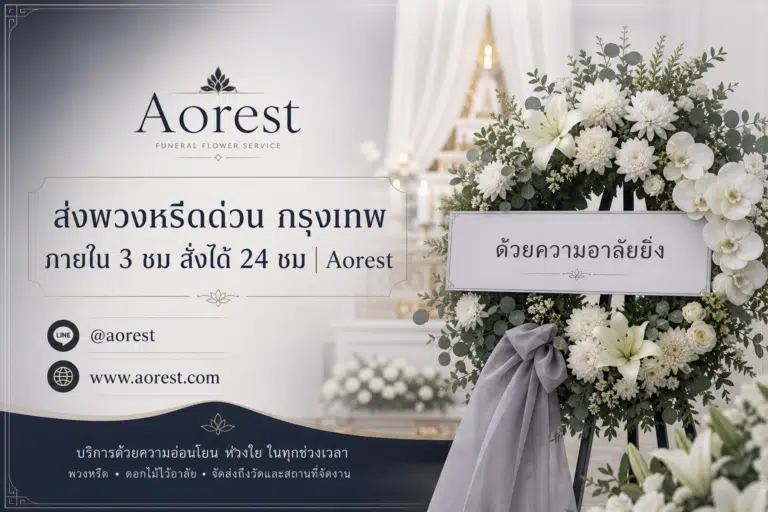
Additionally, wreaths are utilized in grief rituals, where they serve as a means to commemorate and remember loved ones who have departed. These floral displays are placed at shrines during funerals and are often made of white flowers, symbolizing innocence and the continuity of life. The act of creating and presenting wreaths in such contexts emphasizes the beliefs in Thailand in the interconnectedness of life, death, and nature, strengthening their cultural importance in both joyous and somber occasions.
In the Land of Smiles, wreaths are crafted from a variety of natural materials that reflect the country's abundant biodiversity. One of the most frequent materials used is natural flowers, which are often selected for their bright colors and delightful fragrances. Local preferences include jasmine, the orchid variety, and marigold blooms, each holding importance in culture and enhancing the look of the wreath. These flowers are not only attractive visually but also represent various values, such as purity and prosperity.
In also to flowers, foliage and vines play a key role in wreath-making. Foliage from banana and coconut provides a green backdrop that enhances the colorful petals of the flowers. Artisans artfully weave these materials together to create robust frameworks that carry the flowers. The use of earthy greens not only gives depth and texture but also captures the relationship to nature that is fundamental to the cultural culture.
Cultural traditions also influence the choice of materials in wreath-making. Some craftspeople may add components like dehydrated plants, the bamboo plant, or even seashells into their creations, representing the diverse ecosystems present throughout Thailand. These distinct materials add uniqueness and often carry personal or local significance. The blend of live flowers with earthy components results in wreaths that are not only ornamental but full in cultural weight and history.
In present-day Thailand, wreaths have expanded beyond their traditional roles in ceremonies and celebrations, finding a place in daily life. A lot of households incorporate wreaths as ornamental pieces in their homes, reflecting the Thai love for the natural world and color. These modern wreaths often showcase a blend of indigenous flowers such as jasmine blossoms, or orchids, and marigolds, arranged creatively to resonate with the lively aesthetics of Thai culture. Additionally, artisans have begun using dried leaves and non-traditional materials, exhibiting a new creative flair in the classic craft of wreath-making.
Wreaths are also making their mark in the realm of events and festivities. Thai weddings, birthday parties, and even corporate events often feature personalized wreaths as a centerpiece or a unique gift. These wreaths can now be customized with various themes and colors to match the occasion, illustrating their versatility and appeal. This trend reflects a increasing valuing for craft artifacts and local artistry while promoting sustainable practices by using homegrown materials.
Furthermore, the rise of social media has influenced how wreaths are viewed and sold in Thailand. Social networks have enabled local artisans to showcase their creations and reach a wider audience. Viral trends often lead to innovative challenges, encouraging fresh ideas in wreath design and motivating individuals to make their own wreaths at home. This combination of heritage with current creativity has established wreaths as a beloved symbol of Thai culture, developing while still respecting their rich heritage.