


|
|
|
|
|
|
|
| Long Haley | profile | guestbook | all galleries | recent | tree view | thumbnails |
When deciding between removal and encapsulation, you'll need to evaluate the material's problem, location, and risk of exposure. Select elimination if the hazardous material is damaged, degrading, or located in high-traffic or delicate locations, as guidelines typically require it. Encapsulation is usually suitable if the product's steady, uninterrupted, and elimination would certainly create higher dangers. Both alternatives need stringent conformity, ongoing surveillance, and in-depth documentation. Better on, you'll find which circumstances make one choice safer or more cost-efficient.
When you're dealing with unsafe products like asbestos or lead-based paint, making a decision between removal and encapsulation isn't just an issue of choice-- it depends on safety and security policies, the condition of the product, and the details atmosphere. You'll require to evaluate whether the material is friable, damaged, or presents a prompt threat. Removal is frequently required by regulation if the material is degrading, however it's usually a lot more expensive upfront. A expense contrast need to factor in not simply first expenses, however likewise the potential for future obligation. Encapsulation can be less turbulent and affordable, yet it calls for stringent long term keeping an eye on to guarantee the product stays consisted of and secure. Always speak with regional policies and accredited professionals to ensure compliance and prioritize owner health and safety.

When you're choosing between elimination and encapsulation, it is very important to understand how each procedure is lugged out, what materials are required, and the vital safety and security procedures entailed. You'll require to follow industry criteria and abide by all relevant regulations to protect workers and building passengers. Allow's look at just how these approaches work, together with the materials and precaution you'll utilize.
Although both elimination and encapsulation are made to resolve harmful materials like asbestos, each technique follows a distinct process to guarantee safety and governing conformity. When you're thinking about these techniques, it's vital to understand just how each step directly affects your environment and legal responsibilities. Both strategies begin with a complete danger evaluation, guaranteeing possible hazards are completely understood before job starts. Elimination involves literally getting hazardous products, while encapsulation seals them in area, stopping fiber launch. Throughout both processes, air tracking is crucial to track air-borne pollutants and validate that direct exposure remains listed below regulatory limitations. Below's a quick review to assist your assumptions:
Choosing the best materials is necessary to assure both safety and security and compliance throughout harmful product reduction. When you're considering removal, you'll often count on specialized bags and containers to protect debris, avoiding contamination. For encapsulation, picking the correct sealants is vital. Asphalt based membranes are frequently made use of to create a nonporous barrier, specifically over surfaces consisting of asbestos or lead. These membrane layers adhere tightly, reducing the danger of unsafe fibers getting away. In some cases, you might come across cellulose insulation-- it's often interrupted during reduction, so you have to pick tools and disposal methods that will not release particulates. Always make sure products satisfy regional and federal regulative requirements for dangerous waste handling. Using the ideal materials not just streamlines the process yet additionally upholds stringent safety and security procedures throughout the job.
With the correct products in location, it's just as important to execute rigorous security steps during both removal and encapsulation procedures. You require to ensure that everybody entailed recognizes the threats and complies with stringent methods. Comprehensive worker training is vital-- every staff member should be licensed in dealing with dangerous materials and utilizing personal safety equipment (PPE). Governing compliance requires you to monitor air-borne fibers continuously, so air surveillance devices must be set up previously, throughout, and after the treatment. To create a safer environment and maintain project integrity, focus on:
These steps help you minimize health and wellness dangers and guarantee regulative compliance.
You'll require to select harmful product removal when there's extensive damage, as damaged materials can't be securely contained. If you're planning significant remodellings or anticipate risky passenger exposure, removal is usually needed to meet security and regulatory requirements. Guaranteeing conformity shields both building passengers and workers from potential wellness threats.
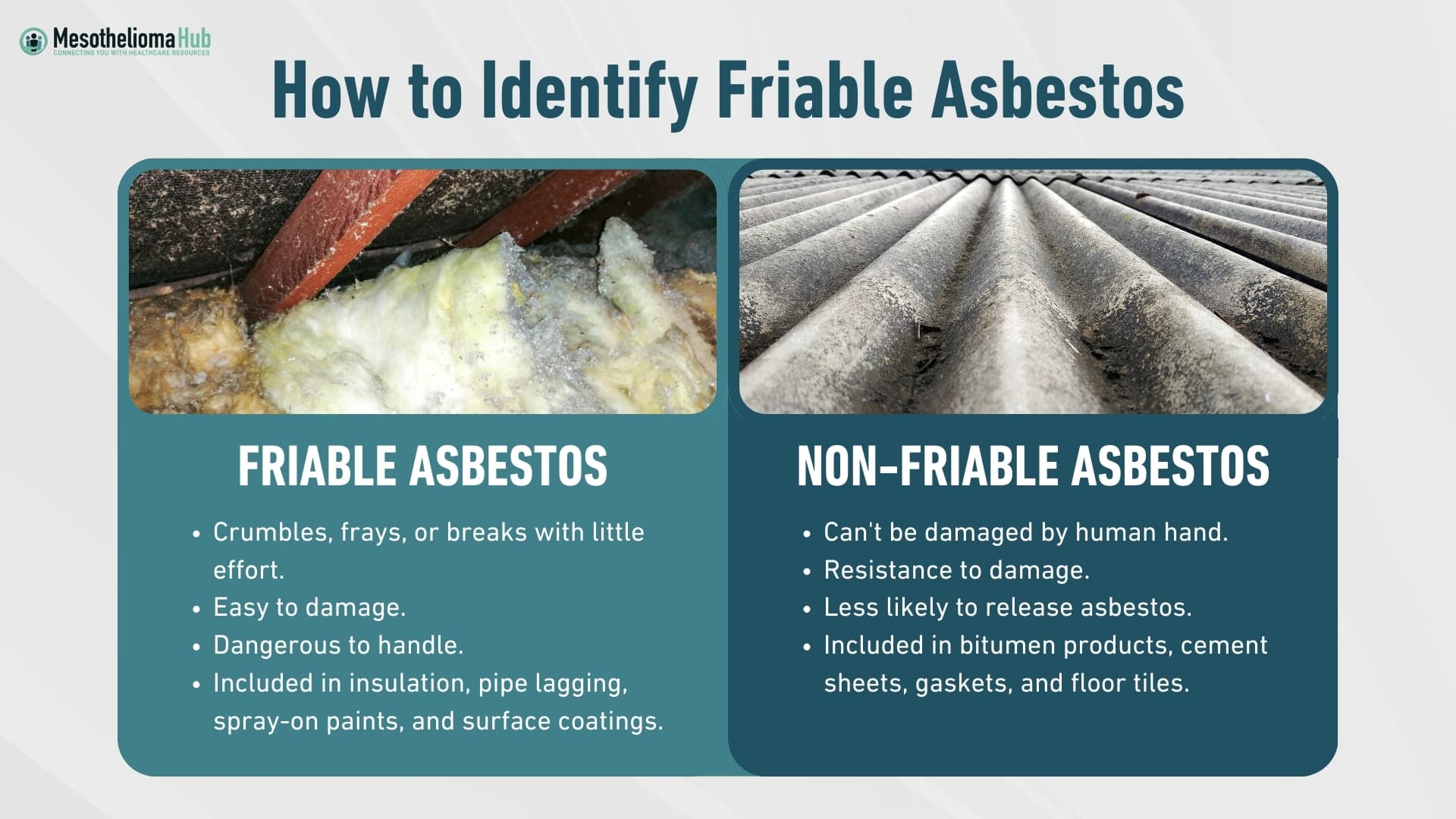
Analyze the honesty of building products very carefully-- when dangerous substances like asbestos or lead-based paint program extensive deterioration, removal usually becomes the best and most compliant option. If the product's binding matrix is damaging down, encapsulation will not reliably include fibers or dirt, enhancing your exposure risk. In such instances, governing standards normally suggest removal to prevent further hazards, specifically when you're dealing with:
Don't ignore the risks of leaving extensively damaged unsafe products in position. Always follow regional safety and security procedures and consult accredited experts to assure complete conformity and security for all developing passengers.
If you're planning considerable renovations that will certainly disturb building materials consisting of harmful materials, elimination is commonly the favored strategy for both safety and regulative compliance. Renovation tasks-- such as demolition, boring, or wall substitute-- can launch hazardous fibers or dust if products remain in position. By selecting elimination, you'll make sure that your project lines up with regional, state, and federal regulations regarding dangerous product management. This approach additionally facilitates accurate budget plan preparation, as removal costs can be incorporated upfront, lessening unforeseen costs later on. Additionally, collaborating elimination with your improvement timeline assists prevent pricey project delays. It's important to deal with certified abatement experts who can securely eliminate dangerous products prior to building and construction begins, making certain both employee safety and future conformity throughout your improvement process.
When residents face raised dangers-- such as children, the senior, or individuals with compromised body immune systems-- elimination of hazardous products becomes the most sensible choice to ensure health and wellness. You can not afford to rely upon encapsulation when susceptible teams are at stake. Regulatory standards usually require resident relocation during the abatement procedure, guaranteeing no person is exposed to dangerous fibers or particulates. Exposure surveillance have to be ongoing, with air and surface area screening both before and after removal, validating the setting satisfies safety and security thresholds.
When the stakes are high, elimination is the only approach that protects complete threat reduction and regulatory compliance.
Practicality commonly overviews the choice to encapsulate rather than remove dangerous products such as asbestos or lead-based paint. If you're taking care of materials that are steady, undisturbed, and in great condition, encapsulation can be a practically sound and compliant remedy. Encapsulation is particularly sensible when removal would certainly posture higher direct exposure threats to owners or workers. It's also more effective in structures where design assimilation permits you to seal hazardous surface areas without interrupting architectural honesty or everyday procedures.
You'll require to dedicate to lengthy term surveillance to ensure the encapsulant stays intact and effective. Governing standards commonly require documents and ongoing evaluation to maintain security. If the material isn't most likely to be disrupted and you can make sure regular checks, encapsulation makes more sense than elimination in several regulated atmospheres.
Budgeting for removal or encapsulation suggests weighing both straight and indirect costs, in addition to considering governing demands. Removal commonly entails higher in advance prices as a result of specialized labor, disposal costs, and rigorous safety and security procedures. Encapsulation, on the various other hand, often tends to be much less pricey originally however comes with continuous upkeep expenditures to guarantee the obstacle remains reliable and compliant with guidelines. When evaluating long-term prices, you'll require to variable in the regularity of inspections or prospective re-encapsulation.
Careful cost analysis assurances governing conformity and lasting safety and security.
Although both elimination and encapsulation are made to minimize harmful products, each technique lugs unique health threats you'll require to handle very carefully. Elimination can release harmful fibers or dirt, so you have to assure strict containment, proper air flow, and use personal safety equipment to shield workers and passengers. Encapsulation reduces immediate risk but relies upon the honesty of the seal; if the encapsulant degrades or is harmed, harmful exposure might occur. In both instances, lengthy term surveillance is important to identify any type of future risk and make sure ongoing security. You'll additionally require to focus on owner education and learning, ensuring every person comprehends the nature of the hazard, risk-free methods, and warning signs of exposure. Appropriate planning and adherence to safety methods are essential for efficient threat administration.
When dealing with harmful product jobs, you'll need to navigate a complicated internet of federal, state, and local laws developed to protect both employees and building occupants. Understanding the governing framework is vital to assuring safety and security and compliance throughout the job. You should determine the specific allowing demands prior to beginning any kind of work, as agencies like OSHA and the EPA have strict procedures for unsafe materials. Equally crucial is creating a durable waste administration plan that lines up with lawful criteria for transport, storage space, and disposal. Furthermore, you'll have particular reporting obligations for documenting job activities and events.
Stay persistent-- conformity isn't optional.
Before picking removal or encapsulation for harmful products, you'll require to systematically examine the product's problem, place, and possible exposure dangers. If the product is severely harmed or in a high-traffic location, removal is typically the safer option. Encapsulation might appropriate for materials in great problem and low-access places, yet you must make specific it satisfies governing standards. https://kensingtonasbestosremoval.co.uk/services/soft-strip-demolition.html Conduct a expense comparison-- removal commonly entails greater upfront costs, while encapsulation might call for much less first financial investment but needs long-term keeping track of to ensure the obstacle continues to be intact. Always take into consideration future improvement strategies, as disturbance could necessitate elimination later. Consult licensed experts for threat assessment and follow all suitable policies to safeguard owner health and wellness and preserve compliance throughout your decision-making procedure.
The encapsulation process typically takes regarding one to two days for installment time, depending on the location's dimension and intricacy. You'll additionally require to consider the remedy duration, which can be 24 to two days prior to the location is secure to inhabit. It's necessary that you follow all security procedures and make sure governing compliance throughout, as correct treating warranties the sealant's effectiveness and keeps a safe environment for long-lasting tenancy.
They claim, "Better secure than sorry," which's specifically true below. You shouldn't utilize DO IT YOURSELF approaches for elimination or encapsulation because of substantial do it yourself threats like incorrect handling, which can release hazardous products. It's also challenging to ensure material compatibility with encapsulants or removal devices. Regulations call for skilled experts for these work to guarantee safety and security and conformity, so it's always best to call licensed experts instead than doing it on your own.
After encapsulation, you'll need to schedule normal evaluations to guarantee the obstacle continues to be undamaged and intact. It's vital you maintain dampness control, considering that excess humidity can endanger the encapsulant's performance and possibly launch harmful materials. File all upkeep activities for regulatory conformity and quickly deal with any kind of damage or damage. Adhering to these safety-focused treatments aids shield both residents and the setting, decreasing the threat of direct exposure in time.
You may wonder if you can secure your home and the setting at the very same time-- good information, you can. When you're considering removal or encapsulation, eco-friendly alternatives like environment-friendly finishes and reduced VOC sealants are readily available. These products minimize harmful discharges and abide by environmental regulations. It's necessary to select certified professionals who adhere to strict security procedures, guaranteeing your project fulfills both wellness requirements and governing compliance, while lowering your ecological footprint.
Yes, removal or encapsulation can influence your residential property value. If you address harmful materials correctly, you'll decrease the danger of residential property devaluation and improve resale appeal. Purchasers often favor homes that abide by security and regulatory standards, so making sure professional job and documentation is vital. Encapsulation may be appropriate under regional regulations, yet full elimination frequently gives higher long-lasting worth and satisfaction, specifically throughout residential or commercial property assessments and deals.