


|
|
|
|
|
|
|
| Larkin McClellan | profile | guestbook | all galleries | recent | tree view | thumbnails |
You're most in danger for asbestos-related condition if you function directly with asbestos-containing products, especially during construction, demolition, or repair service of older structures. Managing polluted work clothing, disturbing aging insulation, or doing home remodellings in pre-1980s frameworks also raises your risk. Chronic or repeated inhalation of air-borne fibers-- also from secondary direct exposure in your home-- substantially increases disease likelihood. If you intend to comprehend which environments, tasks, and household tasks heighten danger, the following explains these essential direct exposure circumstances.
Regularly, those at the greatest danger for asbestos exposure are individuals that work directly with asbestos-containing products or in atmospheres where asbestos fibers are disrupted. If you've got a thorough work history involving routine communication with insulation, building products, or demolition work, your threat account for asbestos exposure enhances substantially. Environmental mapping is vital for identifying high-risk zones, particularly in older structures or locations with documented asbestos usage. You need to contemplate not just your own direct job, however likewise any additional direct exposure from infected clothes or shared work spaces. Evidence shows that cumulative, long-lasting direct exposure brings about the best health and wellness risks, particularly when fibers end up being air-borne and are breathed in. As a result, recognizing your work background and using ecological mapping can help evaluate and alleviate your direct exposure danger.
If you function in construction, demolition, shipyards, or production, your work danger of asbestos direct exposure is substantially higher. Research studies show that these atmospheres typically contain heritage asbestos products or active asbestos components. It's essential to understand that such direct exposure significantly raises your probability of developing asbestos-related diseases. https://southwoodfordasbestosremoval.co.uk
In the construction and demolition markets, employees usually experience raised dangers of asbestos exposure as a result of the disruption of asbestos-containing materials present in older structures. If you're a construction worker, lots of jobs-- such as reducing, sanding, or drilling-- can release harmful asbestos fibers into the air. Demolition supervisors face similar risks when supervising jobs that involve the tearing down of structures built prior to asbestos bans. Research studies show that even short or intermittent contact with asbestos can considerably raise your risk for diseases like asbestosis, lung cancer, and mesothelioma. Regulative standards require you to comply with strict containment, air flow, and personal safety tools procedures, yet gaps still occur. Ultimately, building and construction laborers and demolition supervisors remain among one of the most susceptible occupational groups for asbestos-related disease, especially throughout restoration or demolition of older structures.
Past building sites, shipyards and marine vessels have actually long been recognized as high-risk environments for asbestos exposure. If you have actually operated in naval shipyards, you're likely mindful that asbestos was commonly made use of to insulate pipes, central heating boilers, and engine rooms, particularly during the mid-20th century. Tasks such as central heating boiler upkeep, pipeline installation, and hull fixings positioned workers at substantial danger due to disturbed asbestos fibers coming to be airborne.
| High-Risk Task | Exposure Resource |
|---|---|
| Central heating boiler maintenance | Asbestos insulation |
| Pipeline fitting | Pipe lagging products |
| Engine repair | Gaskets and seals |
| Hull repair service | Spray-applied asbestos |
| Electrical work | Insulation in wiring |
Extended direct exposure in improperly aerated ship areas enhances the chance of breathing in dangerous fibers, making asbestos-related conditions a relentless risk in marine settings.
Running equipment or dealing with raw materials in manufacturing facilities often indicated straight contact with asbestos-containing products, specifically before regulations tightened up in the late 20th century. If you operated in production, you might have experienced asbestos in insulation, gaskets, brake cellular linings, and textiles. The air-borne fibers released throughout manufacturing or maintenance positioned considerable work-related wellness risks. Research studies indicate that factory employees subjected to asbestos have a greater incidence of mesothelioma cancer, asbestosis, and lung cancer cells contrasted to the basic population.
Your threat enhanced with the duration and intensity of exposure, in addition to the lack of efficient manufacturing facility safety procedures throughout earlier decades. Even brief, duplicated exposures could cause advancing damages. Modern guidelines stress stringent controls and personal protective equipment, however historic lapses highlight the continuous value of occupational health and wellness watchfulness.
If your home was constructed prior to the 1980s, you go to risk of running into asbestos in products like insulation, flooring ceramic tiles, and roof covering. Troubling these products throughout do it yourself restorations can launch harmful asbestos fibers, markedly boosting inhalation risk. It's critical to follow well established safety and security protocols and speak with qualified specialists before starting any kind of renovation task.
Renovating older homes can disturb structure products that typically have asbestos, substantially increasing your danger of exposure. Asbestos was thoroughly utilized in construction products for its resilience and fire resistance, yet inhaling its tiny fibers can cause serious respiratory diseases. You ought to be especially mindful around insulation pieces, which are a notorious source of airborne asbestos, particularly in attic rooms and wall dental caries. Vinyl flooring laid prior to the 1980s regularly has asbestos fibers in both tiles and adhesives.
Right here's a quick recommendation for common asbestos-containing materials:
| Material Type | Likely Place | Asbestos Threat Degree |
|---|---|---|
| Insulation Pieces | Attics, Wall Surface Cavities | High |
| Plastic Floor covering | Kitchen areas, Washrooms | Modest |
| Ceiling Floor tiles | Cellars, Hallways | Moderate |
Recognizing these products is important for minimizing danger prior to any improvement.

Also minor DIY operate in older homes can release asbestos fibers into the air if you disturb suspicious materials, such as insulation, floor tiles, or ceiling panels. When you reduced, sand, or break these products, tiny asbestos fibers become air-borne, commonly creating undetectable dirt clouds. Inhalation of these fibers is strongly associated with the development of asbestos-related illness, including mesothelioma and asbestosis. The danger dramatically boosts if you aren't knowledgeable about asbestos existence and skip expert evaluation. Inappropriate disposal of debris can better pollute your home and surrounding atmosphere, increasing exposure threat for you and others. Proof shows that even quick exposure during home renovations can be hazardous, making unprotected do it yourself activities entailing older building products a considerable wellness issue.
Throughout home remodelling projects-- specifically in homes built before the 1980s-- you're at risk of disturbing asbestos-containing materials ingrained in insulation, floor covering, or distinctive finishings. Asbestos fibers, when airborne, present substantial breathing risks, consisting of asbestosis and mesothelioma cancer. To lessen exposure, you should never try asbestos elimination on your very own. Rather, carry out extensive contractor testing and select experts certified in asbestos abatement. They make use of negative air pressure systems, HEPA vacuum cleaners, and secured work areas to avoid fiber launch. Evidence suggests inappropriate handling enhances contamination and health risks for both owners and workers. Demand documents of prior asbestos elimination experience and validate conformity with regional safety regulations. By focusing on certified professional testing, you'll protect your household against potentially serious asbestos exposure during restorations.
When employees bring home asbestos fibers on their clothing, skin, or tools, they unintentionally reveal their family members to this unsafe material. This process, referred to as second direct exposure, significantly enhances the danger of asbestos-related illness among home participants. Fibers released into the home setting pick furniture, rugs, and laundry, causing ongoing home contamination. You could not realize that basic tasks like hugging a loved one or managing their filthy work garments can transfer asbestos fibers, which are invisible and conveniently inhaled or consumed.
| Exposure Pathway | Threat Aspect | Prevention Measure |
|---|---|---|
| Infected Laundry | High fiber transfer | Clean work clothing individually |
| Skin Contact | Modest | Shower prior to returning home |
| Shared Living Area | Continual | Routine cleaning, HEPA filters |
Also low-level, persistent direct exposures can result in serious wellness results in time.
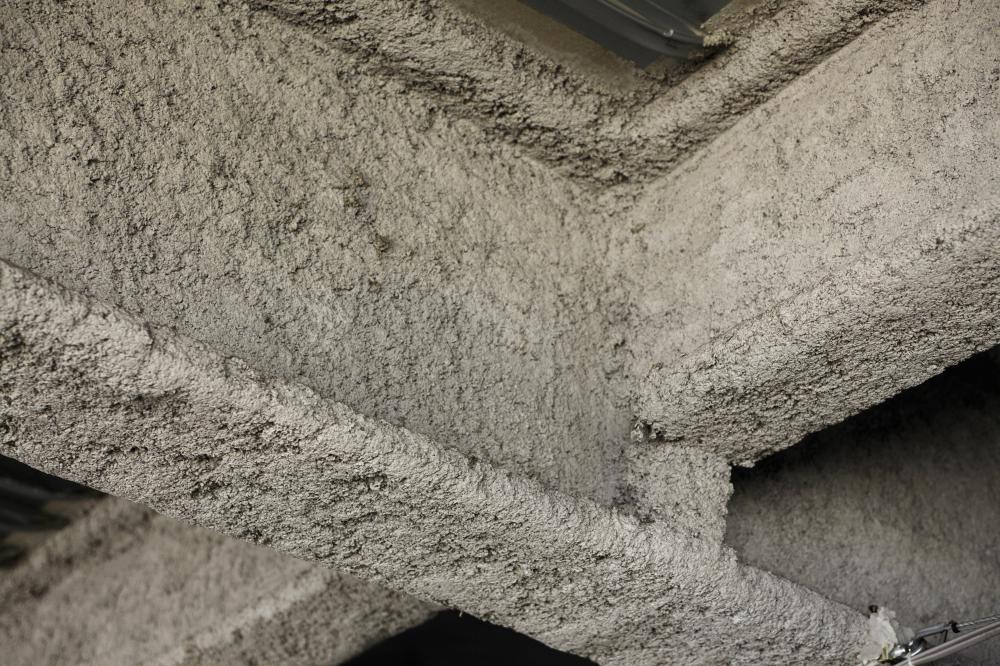
Aging facilities presents a considerable asbestos danger due to the prevalent use asbestos-containing products (ACMs) in construction prior to the 1980s. If you're in or around older buildings, you're at threat since ACMs were typically utilized in building materials such as ceiling ceramic tiles, floor ceramic tiles, roof, and, significantly, maturing insulation. Gradually, these products weaken, which can release asbestos fibers into the air if they're interrupted. Scientific researches have revealed that inhalation of airborne asbestos fibers is directly linked to major wellness conditions, consisting of mesothelioma and asbestosis. You need to be conscious that even minor remodellings or maintenance tasks can disturb hidden ACMs. This risk is enhanced in structures with visible damage, collapsing products, or outdated insulation systems, enhancing the capacity for harmful direct exposure.
Proactively limiting your call with asbestos-containing materials is one of the most efficient way to decrease your threat of exposure. If you believe asbestos is present-- especially in older structures-- stay clear of interrupting the material. Involve certified professionals for inspection and removal, as they're learnt compliance with safety criteria. Executing normal air monitoring in risky settings helps find airborne asbestos fibers, making it possible for timely treatments to safeguard your health and wellness.
If you should get in locations where asbestos direct exposure is feasible, always utilize ideal respiratory system defense, such as an NIOSH-approved respirator. Decontaminate apparel and tools after leaving the location to avoid second direct exposure. By adhering to these technological safeguards and following evidence-based procedures, you'll noticeably lower your danger of breathing in dangerous asbestos fibers and establishing associated diseases.
When trouble mixes in your lungs like a silent tornado, you'll see very early coughing, upper body tightness, and relentless lack of breath. These signs commonly sneak in discreetly, often with tiredness and a dry snap on breathing. They're technical warnings-- evidence-based markers of asbestos direct exposure. If you feel your breath capturing or your upper body growing heavy, do not ignore it; early discovery is vital in taking care of threat and slowing down illness development.
Physicians identify asbestos exposure by evaluating your job-related testing background and making use of imaging diagnosis methods. They'll evaluate your work background for high-risk atmospheres and order upper body X-rays or CT scans to discover lung abnormalities, such as plaques or fibrosis. Pulmonary feature examinations may comply with if imaging recommends disease. You should not overlook persistent respiratory symptoms, as early, evidence-based detection boosts results for those with substantial exposure threat in work-related setups.
Think about asbestos-related illness as shadows cast by unnoticeable threads-- hard to capture, nearly impossible to get rid of. You can not genuinely heal these illnesses because the microscopic fibers trigger dynamic, commonly irreparable lung damage. Nevertheless, treatment improvements, including surgery, chemotherapy, and immunotherapy, can slow progression and improve lifestyle. Palliative care is crucial for sign monitoring. Evidence shows early treatment minimizes danger of problems, though the diagnosis stays safeguarded as a result of persistent cells damages.
There's no really safe degree of asbestos direct exposure, according to current clinical proof. Even direct exposures listed below well established work limits can still pose health threats, especially with repeated contact. Environmental monitoring aids identify and regulate asbestos levels, however danger continues to be as a result of asbestos's advancing impacts. You ought to understand that any kind of exposure, nonetheless marginal, lugs the possibility for disease, so strict adherence to governing standards and proactive risk monitoring are essential in lessening damage. https://southwoodfordasbestosremoval.co.uk/services/artex-removal.html
Envision a clock calmly ticking away-- because after asbestos exposure, signs and symptoms commonly hide for decades. You'll discover latency variability is considerable: symptoms normally emerge 10-40 years post-exposure, depending on elements like exposure limits and duration. Even brief, intense exposures can set the phase for condition. Proof reveals no risk-free limit, so you're at risk long prior to any kind of indications appear. This quiet development underscores why early treatment and threat decrease are important. https://southwoodfordasbestosremoval.co.uk/services/garage-shed-roof-removal.html