


|
|
|
|
|
|
|
| Ringgaard Feddersen | profile | guestbook | all galleries | recent | tree view | thumbnails |
If you take in asbestos just as soon as, some microscopic fibers can lodge in your lungs, bypassing your body's all-natural defenses. Short-term effects are generally marginal and rarely trigger symptoms unless you've obtained preexisting lung problems. However, those fibers may stay trapped for years and a little increase your long-term threat for conditions like asbestosis or mesothelioma cancer. There's no completely risk-free exposure degree-- any kind of amount might present some risk. Discover what signs to monitor and when medical evaluation is recommended.
So, exactly how dangerous is it if you breathe in asbestos just when? Scientifically, the short term risks of a solitary, short direct exposure are minimal for many healthy people. Proof shows that intense health and wellness results, like coughing or lack of breath, are rare unless you have preexisting lung problems or a considerable direct exposure. A typical exposure misconception is that any contact, regardless of exactly how quick, guarantees extreme illness. In truth, many asbestos-related diseases establish after prolonged or repetitive exposure over years. However, there's no totally secure degree-- each exposure theoretically increases your risk, nevertheless somewhat. The danger from one-time inhalation is reduced, yet not zero. If you're exposed, comply with up with a health care company, specifically if symptoms develop, for customized recommendations and documentation.
When you breathe in asbestos fibers, your respiratory system catches a number of them in the respiratory tracts, where they can cause swelling and irritability. Even a single exposure indicates some fibers might continue to be lodged in lung cells, possibly triggering mobile damages over time. This first response establishes the phase for possible lasting health dangers, including asbestosis, lung cancer cells, and mesothelioma.
Although you might not see any signs immediately, breathing in asbestos fibers launches a prompt response within your breathing system. When you take in these microscopic fibers, they bypass your upper airway defenses and reach the lower respiratory system. Your body's very first response is respiratory tract inflammation-- your bronchial flows may end up being slightly irritated as the immune system tries to remove international bits. This short-term inflammation can cause increased mucous production, brief coughing, or a scratchy throat, though these effects are frequently as well subtle to spot after just one exposure. Alveolar macrophages attempt to engulf and remove the fibers, but asbestos resists break down, so some fibers stay lodged in lung tissue. Regardless of these physiological actions, the majority of people won't experience any severe or noticeable signs and symptoms after a single exposure.
Unpredictability borders the lasting health and wellness risks of a solitary asbestos direct exposure, yet scientific evidence suggests that also one circumstances can embed fibers deep within lung tissue. Once breathed in, asbestos fibers may stay in your body for years, possibly initiating persistent inflammation and mobile modifications. While job-related policies aim to minimize repeated exposure, there's no well established "secure" threshold. Study shows that mesothelioma cancer, asbestosis, and lung cancer cells most commonly create after extended direct exposure, but separated occurrences have actually been connected to illness, specifically if you have hereditary sensitivity. Your danger relies on variables such as fiber kind, dose, and your specific immune response. Although the outright threat from one direct exposure is reduced, it's not minimal, and lasting tracking may be warranted in particular instances.
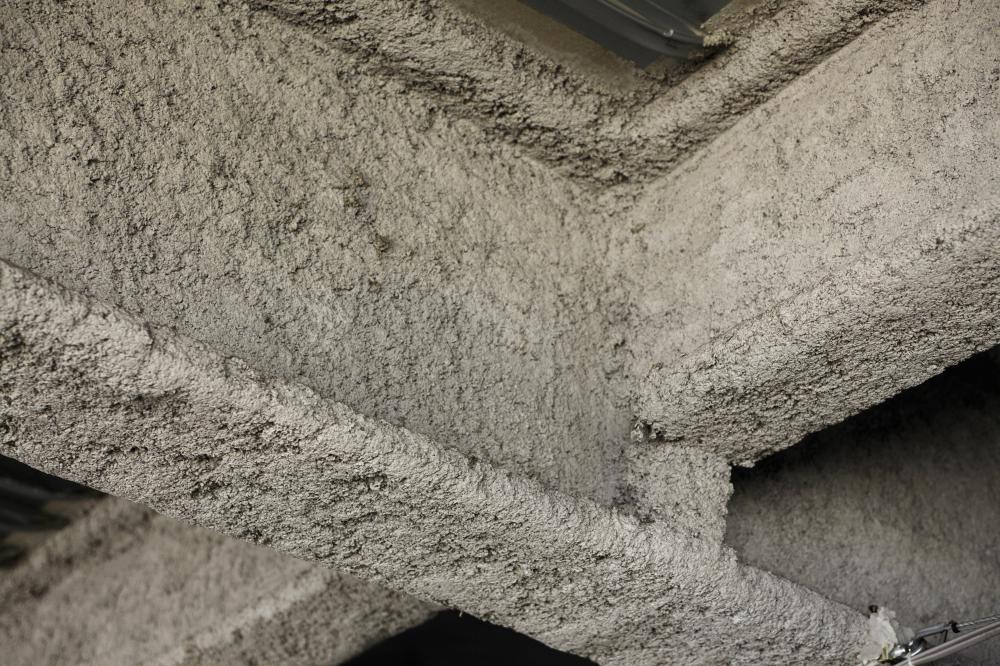
If you inhale asbestos fibers even once, your body may cause a prompt inflammatory feedback, although signs commonly aren't visible. Scientific proof reveals that asbestos-related conditions can develop after an extended latency duration, often years after exposure. This suggests a single incident can still raise your threat for serious problems like asbestosis, lung cancer, or mesothelioma cancer later in life.
Also after a solitary exposure to asbestos fibers, your body can start a prompt reaction, though signs may not be noticeable immediately. When you breathe in asbestos, your air passages may activate breathing reflexes such as coughing or sneezing in an effort to remove the fibers. However, as a result of their microscopic shapes and size, several fibers bypass these defenses and get to the deep lung tissue.
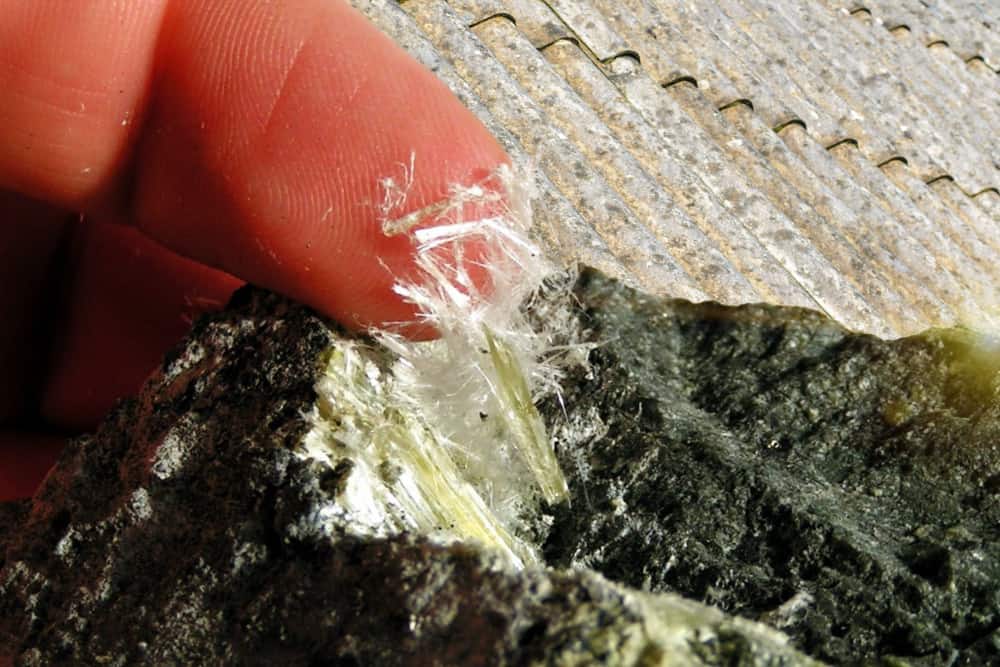
When in the lungs, your immune system acknowledges asbestos as foreign. Immune activation happens, prompting specialized cells like macrophages to swallow up and attempt to break down the fibers. Sadly, asbestos stands up to food digestion, usually triggering these immune cells to launch inflammatory materials. This local swelling is your body's severe response, but it might not create prompt physical signs you can identify.
Although the danger is especially lower compared to repeated or extended direct exposure, a single encounter with asbestos can still bring lasting wellness repercussions due to the material's special pathogenicity. When you inhale asbestos fibers, they can come to be lodged in the lung cells, potentially initiating an extended biological action. The asbestos latency period-- which describes the time in between exposure and the start of signs and symptoms-- can prolong for years, typically ranging from 10 to 40 years. Also a single, brief exposure can start this timeline, though the chance of disease stays much less than with chronic direct exposure. Understanding this exposure timeline is vital, as very early condition detection is complicated by the absence of instant signs. Consequently, even one asbestos direct exposure warrants interest relating to lasting monitoring.
While many asbestos-related illness are connected to duplicated or prolonged direct exposure, documented cases expose that a single considerable breathing occasion can still cause significant long-lasting health and wellness impacts. If you breathe in asbestos fibers once, those fibers may embed in your lung tissue, possibly launching persistent swelling and cellular modifications. Research study suggests that even separated direct exposures have actually led to conditions like asbestosis or mesothelioma cancer, particularly in individuals with genetic sensitivity. Some people's hereditary make-up boosts their vulnerability, suggesting you can be at an elevated danger also after a single occasion. Due to the fact that there's no safe limit for exposure, medical specialists may recommend mesothelioma screening if you've experienced a risky event. Early detection is crucial, as asbestos-related illness commonly stay asymptomatic until advanced phases.
If you're worried concerning the risk from a solitary direct exposure to asbestos, it's vital to understand that there's no widely established "secure" level of inhalation. https://actonasbestosremoval.co.uk/services/refurbishment-demolition-survey.html Research shows that even brief or marginal call with asbestos fibers can possibly cause damaging wellness impacts, as a definitive dosage limit for harm has actually not been recognized. The threat enhances with advancing exposure, yet the lack of a dose threshold ways that a single exposure may still carry some risk, albeit a lot lower than chronic or high-dose get in touch with. Your private vulnerability-- such as hereditary tendency, pre-existing lung problems, and the kind of asbestos-- also influences danger. Accordingly, any kind of exposure, even as soon as, ought to be taken seriously, and reducing asbestos contact is always advised from a scientific threat point of view.

Early, asbestos-related ailments seldom existing with obvious signs and symptoms, making prompt detection challenging. If you've inhaled asbestos fibers, the preliminary phase may be totally asymptomatic, or you could see subtle respiratory system adjustments. Proof suggests that very early coughing-- persistent yet moderate-- can be among the first signs your lungs are reacting to international fragments. You may likewise experience a moderate wheeze, which could suggest respiratory tract irritation or very early swelling. https://actonasbestosremoval.co.uk/services/garage-shed-roof-removal.html These signs are non-specific and quickly mistaken for minor breathing infections or allergic reactions. Other possible very early indicators consist of mild upper body pain, increased lack of breath throughout physical exertion, or unexplained exhaustion. It's crucial to recognize that signs and symptoms can take years, or also years, to create, however recognition of these early indicators is essential for checking your health.
Although asbestos exposure doesn't always create immediate signs and symptoms, consulting a medical care professional without delay is vital if you develop a persistent cough, unexplained lack of breath, or chest discomfort after a well-known or thought incident. Also if signs are lacking, it's advisable to inform your medical professional regarding the direct exposure. A medical assessment can aid establish standard lung function and document direct exposure timelines, which are necessary for future health and wellness tracking. Your medical professional may recommend imaging researches or pulmonary feature tests based on your danger elements and exposure history. Very early intervention permits the recognition of potential complications such as asbestosis or pleural modifications. Don't wait for symptoms to aggravate-- prompt medical analysis gives the very best chance for continuous surveillance and may boost long-lasting end results if asbestos-related disease develops.
After attending to the significance of prompt medical examination adhering to asbestos exposure, it's additionally important to concentrate on steps you can take to minimize stress and anxiety and reduce future dangers. Taking part in evidence-based stress monitoring methods-- such as mindfulness, cognitive-behavioral strategies, and regulated breathing-- can aid manage anxiety associated to prospective health results. You must also look for assistance from healthcare professionals or counseling services concentrating on environmental exposures. For ongoing security, execute security preparation by recognizing and staying clear of settings where asbestos exposure might reoccur. This consists of making certain correct remediation in your house or office and utilizing licensed safety devices when needed. Remaining informed about asbestos dangers and periodically reassessing your setting further lowers anxiousness by enhancing your feeling of control and readiness versus future direct exposure events.
Like Pandora opening her box, when asbestos ends up being airborne, you're entrusted to unseen risks. Airborne discovery techniques, such as stage comparison microscopy or electron microscopy, can determine asbestos fibers airborne even after a single disruption. Due to fiber perseverance, these tiny fragments don't settle promptly; they remain for hours or also days depending on air movement and surface kind. So, yes, after one occasion, fibers can be detected with delicate equipment.
Yes, your pets are at risk if they're subjected to asbestos dust. Inhalation of asbestos fibers can affect pet health and wellness, causing respiratory issues or, gradually, serious conditions like asbestosis or cancer, similar to effects seen in humans. Due to the fact that pet dogs are more detailed to the ground, they're much more most likely to inhale disrupted fibers. It is critical to seek vet support promptly if you think exposure, as early treatment can enhance your animal's prognosis.
Picture wearing a match of medieval armor to fend off arrows-- if your mask isn't the best respirator fit or lacks proper mask filtration, asbestos fibers can still penetrate. You shouldn't presume any type of mask offers full security. https://actonasbestosremoval.co.uk/services/soft-strip-demolition.html Only specific, well-fitted NIOSH-approved respirators, like P100 or HEPA, are evidence-based for asbestos. Surgical masks or dust masks do not block tiny fibers, so your safety and security relies on professional-grade equipment and correct suitable treatments.
You should depend on specialist abatement teams for asbestos removal, as they adhere to stringent containment protocols to avoid fiber launch. They'll secure off affected areas with plastic sheet, use unfavorable atmospheric pressure devices, and put on specialized safety devices. https://actonasbestosremoval.co.uk Wet approaches are related to lessen dirt, and polluted materials are double-bagged for safe disposal. Do not attempt elimination on your own-- improper handling considerably raises health risks because of air-borne fibers. Always consult certified professionals.
Yes, you can examine your clothes for asbestos contamination after direct exposure by utilizing home sampling kits, which entail accumulating textile samples for laboratory evaluation. However, due to the microscopic nature of asbestos fibers, results might vary in precision. For greater reliability, you're encouraged to consult licensed professionals. If contamination is suspected, don't clean these garments in the house. Instead, choose professional laundering services outfitted to take care of hazardous materials and avoid secondary asbestos direct exposure.