


|
|
|
|
|
|
|
| |
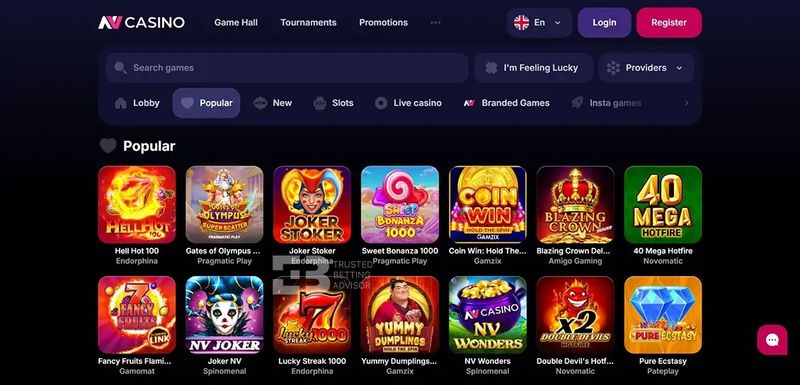
The digital gaming industry has undergone remarkable economic transformation through innovative monetization strategies that balance developer sustainability with player satisfaction and fair value exchange. Modern gaming platforms including casino nv demonstrate sophisticated approaches to revenue generation that maintain player engagement while supporting ongoing content development and service infrastructure. These evolving business models reflect broader shifts in consumer expectations, technological capabilities, and market dynamics that have fundamentally reshaped how gaming companies generate revenue while delivering value to diverse player populations across global markets.
The transition from traditional one-time purchase models to ongoing service-based relationships has created opportunities for sustained developer-player partnerships that enable continuous content updates, community support, and long-term game evolution that extends entertainment value far beyond initial release dates.
Free-to-play models have democratized gaming access by eliminating upfront purchase costs that previously prevented many potential players from trying new games. This accessibility expansion has created massive player bases that generate revenue through voluntary in-game purchases rather than mandatory entry fees, fundamentally changing industry economics and player acquisition strategies.
Player conversion optimization focuses on delivering sufficient free content to demonstrate game quality and entertainment value before requesting financial commitment. Successful free-to-play games provide hundreds of hours of enjoyable gameplay without spending while offering optional purchases that enhance rather than enable core experiences.
Community growth acceleration through free access creates vibrant player ecosystems that enhance social features and multiplayer experiences. Larger player populations improve matchmaking quality, reduce waiting times, and create dynamic communities that attract additional players through network effects and social recommendation.
Visual customization options represent the most player-friendly monetization approach by offering personalization without affecting competitive balance or gameplay mechanics. Players willingly purchase skins, costumes, and aesthetic modifications that express individual identity while supporting ongoing game development and content creation.
Rarity tiers and limited editions create collectible value that appeals to completionist players and virtual item collectors. These premium cosmetics command higher prices while maintaining fairness by providing no gameplay advantages over default appearances or free alternatives.
Creator collaboration programs enable popular artists and content creators to design custom items that share revenue between developers and collaborators. These partnerships introduce fresh creative perspectives while providing additional revenue streams and cross-promotional opportunities.
Battle pass systems combine gameplay progression with purchasable reward tracks that deliver consistent value through tiered unlocks tied to playtime investment. These systems encourage regular engagement while providing clear value propositions that justify purchase costs through guaranteed content delivery.
Free tier inclusion ensures that all players benefit from seasonal content updates regardless of purchase decisions. This inclusive approach maintains community cohesion while demonstrating value to potential purchasers who experience free rewards before committing financially.
Time-limited availability creates urgency that drives purchase decisions while preventing overwhelming choice paralysis. Seasonal rotation introduces fresh content regularly while maintaining economic sustainability through predictable revenue cycles.
Monthly subscription models provide stable, predictable revenue that supports consistent content development and operational costs. These services offer bundles of benefits including exclusive content, priority access, and quality-of-life improvements that justify recurring payments through accumulated value over subscription periods.
Multi-tier subscription options accommodate different budget levels and commitment preferences. Basic tiers provide essential benefits while premium levels offer additional perks that appeal to highly engaged players willing to invest more substantially in their gaming experiences.
Family and group subscription plans expand accessibility while reducing per-person costs. These options recognize that gaming often occurs within social contexts where multiple family members or friend groups play together and benefit from shared premium features.
Clear disclosure of purchase mechanics, odds, and value propositions builds player trust while preventing misunderstanding about what purchases provide. Ethical developers clearly communicate whether items affect gameplay balance or provide purely cosmetic value.
Spending limits and parental controls protect vulnerable populations from excessive spending while demonstrating corporate responsibility. These safeguards particularly benefit minors and individuals with impulse control challenges who might otherwise spend beyond their means.
Refund policies and purchase protection ensure players can recover costs from accidental purchases or dissatisfaction with acquired content. Fair refund terms demonstrate confidence in product quality while protecting consumer interests.
Optional advertising systems enable players to earn in-game currency or benefits by viewing advertisements. This model provides alternative value exchange for players preferring time investment over financial spending while generating developer revenue from advertising partners.
Rewarded video advertising has become particularly popular in mobile gaming where brief advertisement viewing unlocks temporary bonuses, currency rewards, or gameplay advantages. This voluntary engagement maintains positive player experience while monetizing attention rather than requiring direct payment.
Patronage models enable dedicated fans to support ongoing development through direct contributions that fund continued content creation. Platforms like Patreon and similar services create direct relationships between developers and supporters that bypass traditional publisher intermediaries.
Kickstarter campaigns finance initial development while building communities before official launch. Successful crowdfunding demonstrates market demand while providing development capital without traditional publisher involvement or creative control compromise.
Seasonal events and limited-time content create reasons for players to return regularly while demonstrating ongoing developer commitment to game evolution. These updates maintain freshness and prevent stagnation that drives player attrition and reduces lifetime value.
Quality-of-life improvements based on community feedback demonstrate developer responsiveness to player needs and concerns. These updates often generate more goodwill than major content additions by addressing frustrations and improving daily gameplay experience.
Gaming monetization continues evolving toward sustainable models that respect player autonomy while supporting development costs necessary for quality content creation and service maintenance. Successful modern games balance revenue generation with player satisfaction through ethical practices that prioritize long-term relationships over short-term profit maximization.