


|
|
|
|
|
|
|
| Contreras Dodson | profile | guestbook | all galleries | recent | tree view | thumbnails |
Have you ever before asked yourself why a/c installation in high-rise buildings provides unique challenges?
The intricacy exceeds simply cooling down the rooms successfully. From navigating limited room restrictions to dealing with upright circulation difficulties, each aspect calls for meticulous preparation.
But what regarding the architectural considerations and making certain ease of access to electrical power for these systems?
These are just a couple of pieces of the problem that make taking on cooling setup in high-rise buildings a diverse venture.
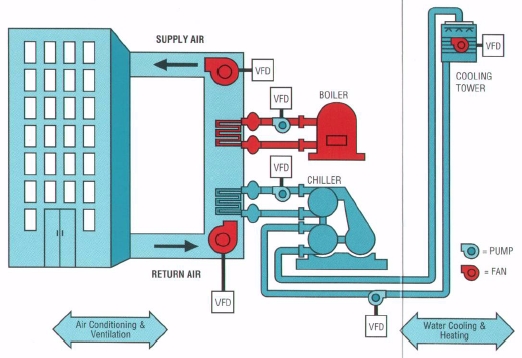
When setting up air conditioning in skyscrapers, you may run into area restraints that require cautious planning and innovative services. Minimal access to specific locations can pose an obstacle throughout setup. To tackle this, specific tools and imaginative maneuvering may be needed to navigate via limited rooms and get to the assigned areas for installing the a/c units.
Furthermore, in high-rise buildings, noise control is important to assure the comfort and wellness of passengers. The restricted spaces and closeness of residential systems in these buildings enhance the impact of noise produced by cooling systems. Carrying out soundproofing steps, using quieter tools, and critical placement of components can help minimize noise disruptions for locals.
Checking out the intricacies of high-rise buildings, especially when it come to vertical distribution, presents special difficulties for air conditioning installation. Ductwork obstacles are prominent in skyscraper structures, where transmitting ducts up and down through multiple floorings can be elaborate. Setup logistics come to be crucial, as coordinating the positioning of ductwork and equipment in such a way that warranties effective airflow and temperature control throughout the building is paramount.
Upkeep access is another substantial worry when it pertains to vertical distribution in skyscrapers. Making certain that HVAC systems are easily obtainable for regular maintenance and repairs is important for long-term performance. Additionally, the logistics of equipment transportation to higher floorings posture a difficulty. Relocating hefty cooling systems, ductwork elements, and various other materials up vertical ranges needs cautious planning and control to ensure safety and efficiency.
Thinking about the architectural honesty of skyscrapers is vital when preparing cooling installations. Skyscrapers are made to support specific weights, and including air conditioning systems can impact the general weight circulation. It's crucial to adhere to constructing codes to ensure that the extra weight from the HVAC devices doesn't jeopardize the structure's architectural security. Building ordinance outline the optimum permitted tons for various areas of the structure, consisting of floors and wall surfaces, to avoid overloading.
Correct weight circulation is important to prevent uneven anxiety on the building's structure, which might lead to architectural problems over time. HVAC systems must be purposefully positioned to distribute their weight equally and minimize any kind of possible stress on particular locations. Designers should very carefully evaluate the building's load-bearing capability and design the cooling installation as necessary to make certain that it satisfies safety standards and regulative requirements.
To verify the successful setup of cooling systems in high-rise buildings, reviewing the accessibility of electrical power is critical.
When evaluating the electrical power accessibility for a/c in high-rise buildings, think about the following:
Proximity to Source Of Power: Ensure that the air conditioning devices are located near source of power to lessen power loss and guarantee efficient operation.
Push-button Control Ability: Select systems that use push-button control functions, allowing for hassle-free surveillance and modification of the air conditioning units from a range.
Power Performance Scores: Prioritize air conditioning devices with high power performance ratings to lower total power usage and reduced functional costs.
Back-up Power Solutions: Implement back-up power services like generators or battery back-ups to assure continual operation of the cooling systems throughout power failures.
When incorporating heating and cooling systems right into skyscrapers, coordinate effortlessly with existing framework for peak performance. Guarantee system compatibility by extensively reviewing the structure's layout and existing a/c configuration. Throughout the installment procedure, prioritize reliable assimilation to maximize the total efficiency of the cooling system.
To accomplish effective HVAC system assimilation, collaborate carefully with engineers, engineers, and contractors to attend to any type of possible difficulties. Conduct a thorough assessment of the structure's ventilation, ductwork, and control systems to guarantee smooth compatibility with the brand-new a/c equipment. This aggressive approach can aid stop expensive rework and hold-ups during the installation phase. https://kilburnhvac.co.uk/air-conditioning-repair.html
Incorporating cooling and heating systems in skyscrapers needs careful planning and specific execution to assure peak functionality. Executing innovative innovation and energy-efficient parts can even more enhance system performance and sustainability. By focusing on seamless combination and system compatibility, you can develop a comfortable interior atmosphere while making best use of power effectiveness in skyscraper structures.
When mounting a/c systems in high-rise buildings, guidelines and safety and security conformity are crucial. Particular codes dictate how these systems need to be installed to ensure the safety of occupants. Compliance with these laws is essential for the proper performance of the a/c units and to avoid possible dangers.
It is very important to adhere to these standards carefully to guarantee a safe and efficient air conditioning system within the structure. https://kilburnhvac.co.uk/air-conditioning-installation.html
To minimize noise in cooling systems in high-rise buildings, consider soundproofing products and tactical placement to wet resonances. Opt for energy-efficient models with quieter operation.
Routine maintenance checks and timely fixings can avoid noisy malfunctions. Additionally, making use of variable speed modern technology can decrease noise degrees throughout low-demand periods.
Severe climate condition such as high winds or lightning strikes can considerably impact the installment and procedure of air conditioning systems in high-rise buildings. These climate elements can pose architectural obstacles, influencing the security and performance of the systems.
When dealing with such problems, it is necessary to consider the durability of the structure's framework and the resilience of the heating and cooling elements to guarantee optimal operating and security.
When taking into consideration integrating clever or energy-efficient technologies right into cooling systems in skyscrapers, there are some unique factors to consider to bear in mind. Combination difficulties might develop when attaching various systems, and adjusting these modern technologies to work effectively in an upright environment can be difficult.
However, energy-saving technologies use great potential for minimizing expenses and ecological impact. It is necessary to carefully plan and carry out these services to optimize their benefits.
To maintain your air conditioning systems in skyscrapers running smoothly, routine maintenance is essential.
Servicing regularity depends upon factors like usage and system complexity. Normally, it's recommended to have your a/c systems examined a minimum of once a year by a professional specialist.
This routine maintenance not just assures leading efficiency however likewise assists in preserving power effectiveness, conserving you cash in the future.
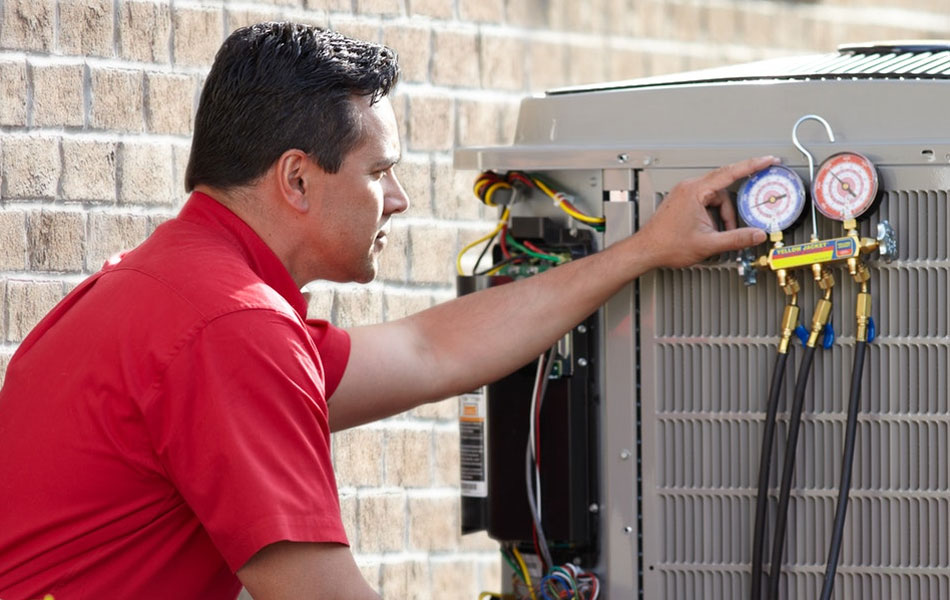
In general, mounting air conditioning in skyscrapers presents special challenges due to area constraints, upright circulation obstacles, architectural considerations, electric power ease of access, and a/c system integration.
It needs cautious preparation and sychronisation to make certain the system operates successfully and effectively in such complicated settings.
By resolving these difficulties head-on and collaborating with skilled professionals, structure owners can ensure that their occupants stay comfy and trendy even in the highest of structures.