


|
|
|
|
|
|
|
| Campbell Thorpe | profile | guestbook | all galleries | recent | tree view | thumbnails |
When you sweep asbestos dust, you're flustering the infected surface and pressure microscopic asbestos fibers right into the air, where they can remain suspended for hours. Conventional sweeping does not get rid of these fibers-- it simply rearranges them and makes breathing even more likely. Even minimal exposure heightens your lifetime danger for diseases like asbestosis, lung cancer cells, and mesothelioma cancer. Normal cleansing approaches can't make the location secure. Discover what you must do following to safeguard your health and home.
When you stumble upon structures constructed prior to the 1980s, there's a substantial possibility you'll encounter asbestos dust in particular areas. Asbestos was typically utilized in structure products because of its fire-resistant and protecting residential or commercial properties. You're likely to find asbestos dirt in attic room insulation, particularly if the insulation shows up loose, gray, or pebble-like-- such as vermiculite insulation, which typically included asbestos fibers. Garage insulation is another frequent resource, because older garages typically made use of asbestos-containing boards or spray-applied insulation for fireproofing and thermal monitoring. In addition, asbestos dirt may gather around weakening ceiling ceramic tiles, pipe insulation, and wall surface panels. Recognizing these products is critical because disrupting them can release asbestos fibers. Always approach prospective asbestos sources with care and stay clear of actions that may develop dust.
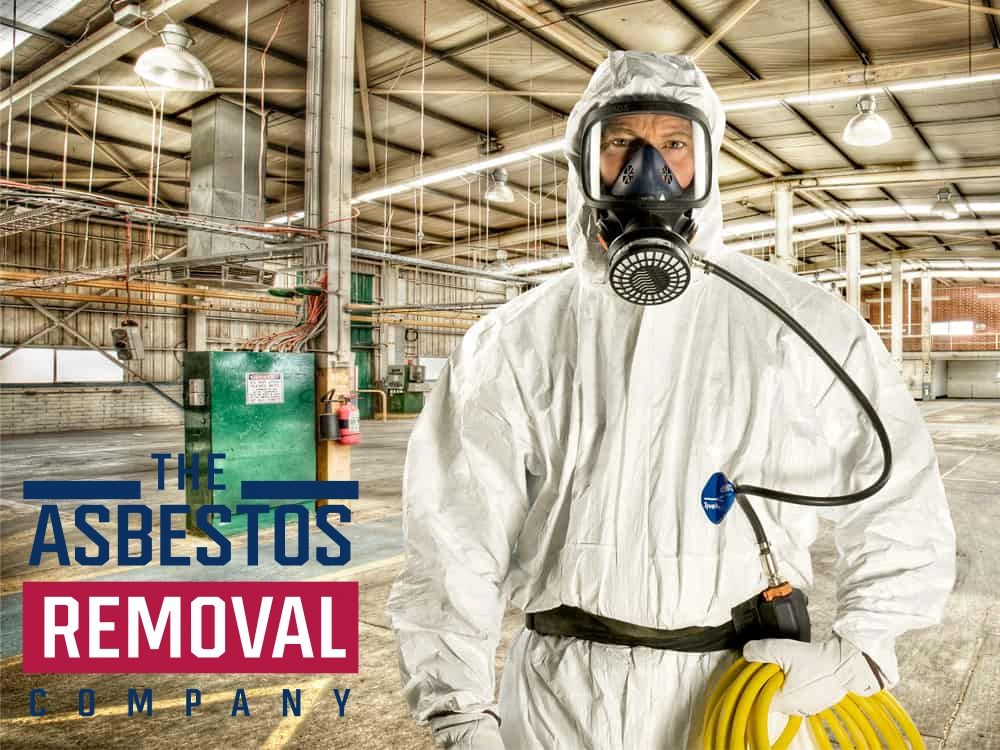
You require to understand that asbestos dirt is dangerous because its microscopic fibers can be quickly breathed in and lodged in your lungs. Scientific researches show that direct exposure causes severe long-term health and wellness results, including asbestosis, lung cancer cells, and mesothelioma cancer. Given that these fibers linger in the air, also minimal disruption can trigger continuous contamination and danger.
Although asbestos looks like a harmless mineral to the nude eye, its dust includes microscopic fibers that pose considerable health threats when breathed in. When you disturb asbestos-containing products, such as by sweeping, you generate airborne particles that are unseen and conveniently inhaled. Due to their small size, these fibers bypass your body's natural respiratory defenses and pass through deep into the lungs. Breathing uptake of asbestos fibers can happen despite having marginal exposure, as the particles stay put on hold in the air for extended durations. Unlike normal dust, asbestos fibers do not liquify or break down within lung cells, raising the danger of retention. This persistent visibility of fibers in your respiratory system is what makes breathing in asbestos dust particularly dangerous, also if you can not see or feel it.
Since asbestos fibers can stay trapped in lung tissue for years, direct exposure is highly linked to several severe, long-term wellness results. When you breathe in these microscopic fibers, they bypass your body's natural defenses, embedding deep within the respiratory system. Asbestos latency-- the duration in between initial exposure and disease beginning-- can cover 20 to 50 years, making very early discovery challenging. https://mileendasbestosremoval.co.uk/services/refurbishment-demolition-survey.html In time, consistent fiber irritation causes scarring (asbestosis), impaired lung feature, and a raised mesothelioma danger. Mesothelioma, a rare and aggressive cancer cells of the lung or stomach cellular lining, is nearly solely brought on by asbestos direct exposure. Furthermore, you deal with raised risks for lung cancer and other breathing diseases also at reduced direct exposure levels. These results highlight the importance of stringent asbestos control actions.
Often forgotten, the threat of asbestos dirt depends on its consistent capability to remain air-borne long after first disruption. When you try to move asbestos-contaminated surface areas, you unintentionally trigger airborne resuspension, triggering microscopic fibers to linger in the setting. These fibers are not easily gotten rid of via standard cleansing, as their small size allows them to evade particle deposition, continuing to be suspended for extended durations.
| Mechanism | Effect On Air High Quality |
|---|---|
| Airborne resuspension | Prolonged fiber exposure |
| Fragment deposition | Ineffective removal |
| Fiber dimension (tiny) | Increased breathing danger |
| Inadequate cleansing | Consistent contamination |
This consistent airborne contamination implies you're continuously in jeopardy of inhaling asbestos fibers, even hours or days after cleaning attempts. Effective reduction calls for specialized removal techniques, not traditional sweeping or dry cleansing.
Sweeping can unintentionally cause asbestos fibers to come to be air-borne, noticeably raising the risk of breathing. When you use a broom on a polluted surface area, the physical anxiety interrupts asbestos-containing dust, advertising air-borne dispersion of microscopic fibers. This procedure is called fiber resuspension, where settled particles are raised and put on hold back right into the breathing zone. Unlike larger dirt particles, asbestos fibers are light-weight and can remain airborne for prolonged durations, raising direct exposure risks. Proof indicates that mechanical activities, such as sweeping or dry cleaning, do not get rid of asbestos dirt yet instead rearrange it within the environment. As a result, you're not only failing to remove the hazard, but you're also increasing the possibility that asbestos fibers will be breathed in by any individual existing in the area. https://mileendasbestosremoval.co.uk/services/soft-strip-demolition.html
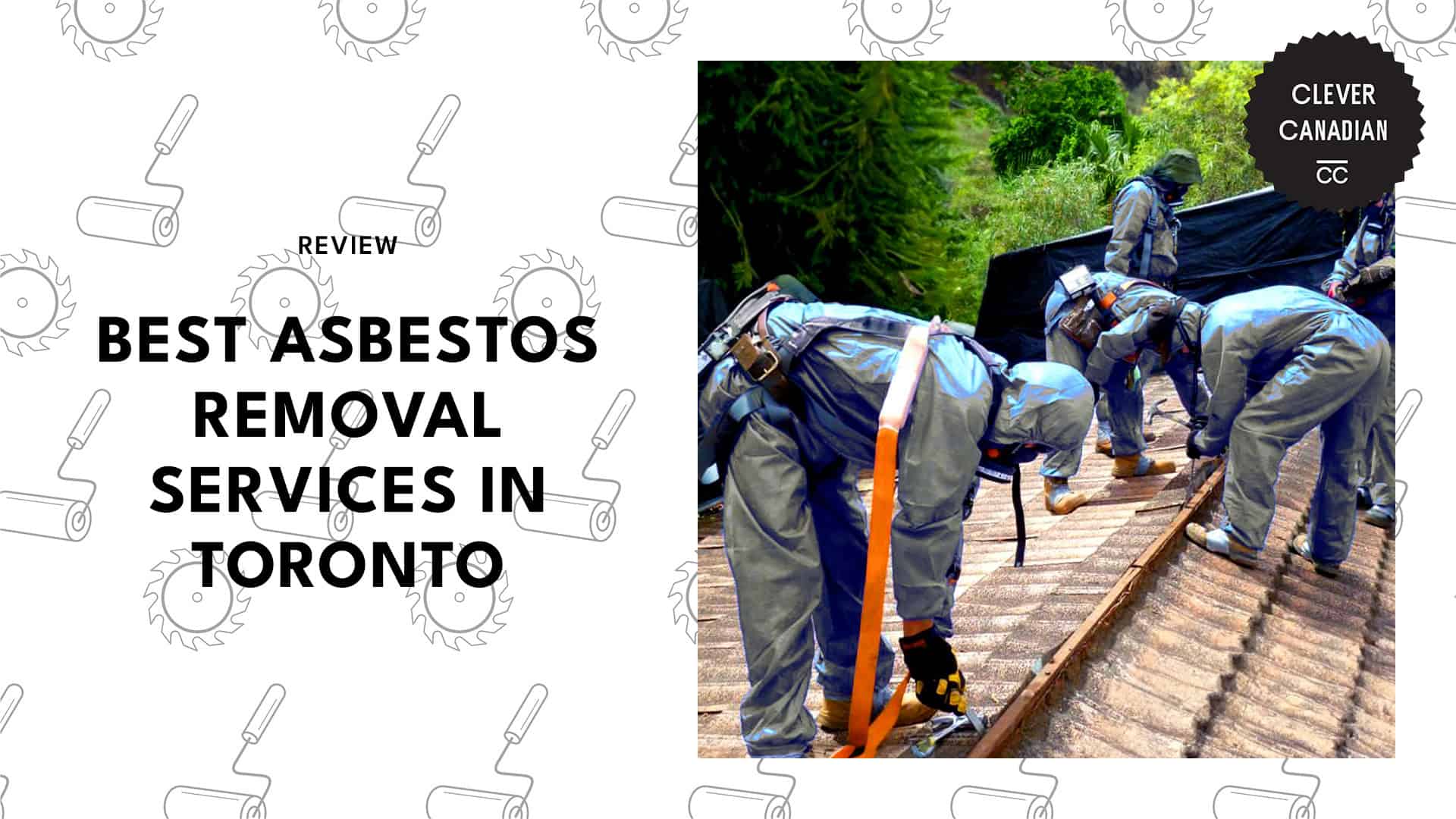
Offered the threat of airborne asbestos fibers throughout routine cleansing, it's important to recognize indications that your home may consist of asbestos dust. You need to begin by reviewing your home's building day; residential properties developed prior to the 1980s are much more most likely to have asbestos-containing products. Abject insulation, falling apart floor tiles, and damaged distinctive ceilings can additionally launch fibers, affecting indoor air top quality. If you notice relentless dust that resettles promptly after cleaning, this might be an indicator. Monitoring your health and wellness with a sign checklist is critical; early indication consist of chronic coughing, lack of breath, and breast rigidity. While these signs and symptoms are nonspecific, their existence warrants further investigation. If you think asbestos dirt, stay clear of interrupting the location and think about expert air quality screening for confirmation.
To decrease air-borne fiber direct exposure during asbestos dust cleanup, you'll require to use a HEPA vacuum cleaner developed for hazardous materials. It's also important to apply damp cleaning methods, as wetness reduces dust and reduces fiber launch. These evidence-based techniques are suggested by regulative firms to guarantee risk reduction.
Depend on a HEPA vacuum when addressing asbestos dust, as its sophisticated filtration system captures particles as tiny as 0.3 microns with 99.97% performance. Common vacuums or sweeping techniques disperse asbestos fibers, increasing exposure danger. Using a HEPA vacuum cleaner not just has the hazardous dirt however also decreases airborne contamination. To make the most of security and functional performance, you need to concentrate on the following:
Constantly focus on engineered controls over manual cleansing techniques.
Decrease asbestos fiber launch by employing damp cleansing methods, which substantially reduce dirt generation compared to completely dry strategies. When you use damp wiping or damp wiping, water binds asbestos fibers, avoiding them from ending up being airborne and ultimately breathed in. This technique is sustained by occupational security standards, which continually advise wet methods over completely dry sweeping or dusting. You'll intend to make sure that all surfaces are thoroughly wetted before cleaning; this includes floors, walls, and any type of horizontal surfaces where asbestos dust may clear up. Always use disposable fabrics or mop heads, and discard them effectively to stay clear of second contamination. Avoid excessive agitation, as also damp materials can release fibers if disrupted strongly. By adhering to these evidence-based techniques, you considerably lower the danger of asbestos direct exposure during cleaning.
Although sweeping asbestos dust can accidentally raise air-borne fiber concentrations, it is very important to take prompt and informed steps to reduce health and wellness threats. If you have actually already swept asbestos dirt, focus on lessening additional direct exposure and resolving possible effects. Evidence shows that breathed in fibers may position long-lasting health and wellness risks, so early treatment is important.
Act immediately to safeguard your wellness and that of others.
If you have actually handled asbestos dust or suspicious contamination, there are situations where specialist treatment is required to assure safety and security and regulatory compliance. You must call an asbestos pro if the afflicted area is larger than a small spill, if dust has infected a/c systems, or if susceptible populations (kids, senior, immunocompromised) may be revealed. Certified professionals will carry out an extensive asbestos assessment to examine the extent and kind of contamination. Attempting to clean or remove asbestos materials yourself enhances the threat of air-borne fiber release, resulting in possible health risks and legal obligation. https://mileendasbestosremoval.co.uk Expert removal complies with stringent containment, purification, and disposal procedures, lessening direct exposure and making sure conformity with neighborhood and government guidelines. Do not risk improper handling-- involve licensed specialists for total threat monitoring.
Even minor call with asbestos dust positions significant health threats, so adhering to recognized safety methods is crucial when managing prospective contamination. Key dos and do n'ts center on decreasing airborne fibers and stopping direct exposure. You should never disrupt asbestos-containing products without proper individual training, as inappropriate handling increases risk. Air monitoring is vital to confirm that fiber degrees stay within governing limits during and after cleanup. https://mileendasbestosremoval.co.uk/services/artex-removal.html Constantly utilize proper personal safety tools and containment techniques.
Yes, asbestos dirt can influence pet dogs or youngsters in different ways than grownups due to their greater sensitivity and boosted developing risk. You need to understand that youngsters's respiratory systems are still developing, making them a lot more at risk to airborne fibers. Pets, due to their dimension and close contact with floorings, might likewise inhale higher concentrations. Scientific evidence shows that very early or higher exposure raises the chance of long-lasting health problems, including respiratory diseases and cancers cells.
You'll locate that asbestos dust can stay dangerous in the air for up to 72 hours, according to the EPA, due to its lengthy term determination. These tiny fibers have a sluggish fragment settling rate-- meaning they can stay airborne much longer than regular dust. Due to their size and weight, they're easily inhaled, posturing substantial health and wellness risks. This determination makes it vital to prevent disturbing asbestos-containing materials without professional treatment.
Insurance coverage liability for asbestos dirt remediation prices usually relies on your policy kind. A lot of typical home owner's insurance coverage leaves out remediation coverage because of asbestos being thought about a pollutant and a pre-existing problem. Nevertheless, some business or customized environmental obligation insurance coverage might include protection if asbestos contamination happens due to a covered hazard. You'll need to examine your policy exclusions and endorsements very closely or consult your insurance firm to determine your eligibility for removal protection.
Yes, there are federal government programs that can assist you with asbestos removal. Lots of states provide state gives or low interest lendings especially developed for asbestos reduction in property and public buildings. Qualification requirements and funding accessibility differ, but these programs usually focus on health and wellness. You'll need to check your state's environmental or housing firm internet sites for application details and existing offerings, as proof shows these resources can significantly counter elimination expenses.
Picture a great net capturing undetectable risks in the air-- of course, air cleansers can help in reducing asbestos dust inside your home if you make use of those furnished with real HEPA filters. HEPA performance relies upon capturing particles as little as 0.3 microns, that includes asbestos fibers. Correct filter placement is critical; for peak results, setting cleansers where airflow isn't obstructed and guarantee regular filter changes. Still, expert reduction stays the gold standard for safety and security.