


|
|
|
|
|
|
|
| Riggs Kelley | profile | guestbook | all galleries | recent | tree view | thumbnails |
If you live in a 1960s or 1970s council home, there's a substantial probability asbestos is existing in ceiling panels, wall surface cellular linings, pipe lagging, and flooring tiles-- as a result of its previous affordability, fire resistance, and insulating residential properties. Rules now call for qualified surveyors for testing and removal, as troubling materials can release unsafe fibres. Councils have lawful responsibilities to educate, assess, and handle asbestos dangers. Comprehending common asbestos areas and lawful safeguards can better inform your following actions.
Although the health and wellness dangers weren't widely acknowledged at the time, asbestos was thoroughly used in council houses throughout the 1960s and 1970s due to its affordability, fire resistance, and protecting buildings. You would certainly discover that material deficiency complying with post-war reconstruction drove this choice, with neighborhood authorities looking for cost-effective remedies for mass real estate. Asbestos fond memories often surface areas, reviewing the era's dependence on cutting-edge products without complete recognition of the future effects. Regulatory requirements of the period really did not limit asbestos usage, allowing prevalent assimilation into roof, wall panels, pipe insulation, and floor ceramic tiles. If you examine council home building and construction documentation from that age, you'll observe asbestos featured as a conventional specification due to its convenience and ease of installment, meeting the urgent need for durable, affordable building materials.
You'll notice that asbestos was thoroughly integrated right into council house construction, making it common throughout building products. As these materials age, they can degrade and release unsafe fibers into the living atmosphere. Due to the fact that asbestos-related diseases usually have a lengthy latency period, you might not recognize the threats until substantial health and wellness impacts have currently developed.
Over the training course of the 1960s and 1970s, asbestos quietly worked its method into almost every element of council residence building, many thanks to its fireproof residential properties and cost-effectiveness. You'll discover that asbestos prevalence in council real estate originated from its assimilation into a huge variety of construction products. It was generally blended into concrete, made use of in insulation, floor ceramic tiles, textured layers, roof, and wall surface panels. Governing requirements at the time did not limit using asbestos, allowing extensive adoption without detailed danger assessment. This method focused on instant security and affordability, neglecting lasting wellness implications. When you check out developing codes and procurement practices from that period, you'll see that asbestos was not just approved yet recommended, installing it deeply right into the structure of council housing stock.
Asbestos-containing materials, when deemed trustworthy and resilient, gradually came to be a significant health and wellness risk as they matured within council homes. Gradually, product aging led to the failure of products such as insulation boards, ceiling tiles, and pipe lagging. https://hollandparkasbestosremoval.co.uk/services/refurbishment-demolition-survey.html As these products degraded, mechanical disruptions-- such as boring, fining sand, and even minor vibrations-- can cause microscopic fibers to come to be airborne via fragment diffusion. You could not discover any instant adjustments, yet these fibers are conveniently breathed in and continue to be put on hold airborne for extended periods. Regulative guidelines now emphasize the relevance of keeping an eye on the condition of asbestos-containing products in aging homes. Correct analysis and administration are required to decrease fiber launch, ensuring that you and others aren't inadvertently revealed to dangerous airborne particles during regular occupancy or maintenance activities.
Although the threats linked with asbestos exposure weren't promptly evident, its most serious health effects typically surfaced decades after first call. When you lived in council houses integrated in the 1960s and 1970s, you might not have recognized that asbestos existed. The delayed wellness effect arises from latency devices, where asbestos fibers remain dormant in the lungs or other tissues for several years. This generational latency means health outcomes, such as asbestosis or mesothelioma, frequently appear long after exposure, making complex detection and regulatory feedback.
| Latency Period | Typical Illness | Regulatory Concern |
|---|---|---|
| 10-- two decades | Asbestosis | Early discovery is challenging |
| 20-- three decades | Lung cancer cells | Lasting monitoring required |
| 30-- 40 years | Mesothelioma | Cases might be delayed |
| Varies | Pleural plaques | Underreported in very early years |
| Ongoing | Other cancers | Ongoing regulatory alertness |
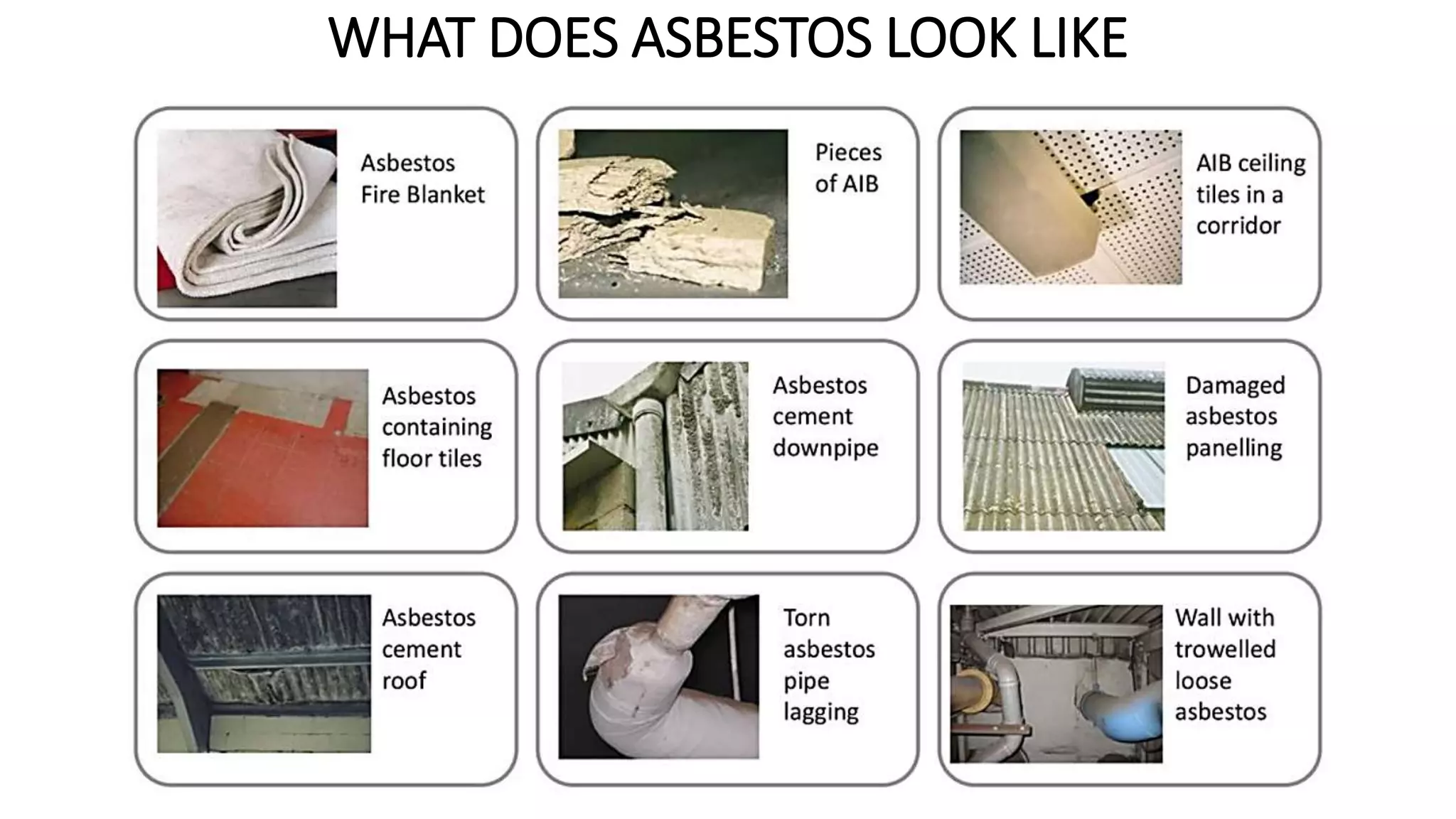
You'll find that asbestos was commonly integrated into ceiling and wall surface panels, pipeline and boiler insulation, in addition to floor ceramic tiles and their adhesives in 1960s council homes. These products were picked for their fireproof and shielding homes, and now existing governing challenges as a result of connected health dangers. It's important to recognize these regular areas to guarantee risk-free monitoring and conformity with present safety and security criteria.
While policies today strictly limit asbestos use, in 1960s council homes, asbestos was extensively incorporated right into ceiling and wall surface panels because of its fireproof and insulating homes. You'll frequently find asbestos-containing products in acoustic panels and ornamental cladding, both frequently mounted to boost audio absorption and visual appeals. These panels usually include asbestos concrete or shielding board, which can release hazardous fibers if interrupted during upkeep or renovation. Present regulatory requirements need that you determine and evaluate these products before carrying out any kind of job, as improper handling can position substantial wellness dangers. If you believe the visibility of asbestos in ceiling or wall panels, you're required to speak with accredited specialists for evaluation and feasible removal, complying with strict control treatments detailed by health and wellness and safety standards.
Recognizing asbestos in pipeline and boiler insulation is vital when assessing 1960s council homes, as these products were among one of the most frequent resources of asbestos direct exposure. You'll frequently discover asbestos-containing pipeline lagging covered around warm water and home heating pipes to boost thermal effectiveness and avoid warm loss. Likewise, central heating boiler jackets-- insulating treatments fitted to central heating boilers-- commonly integrated asbestos fibers for their fire-resistant homes. Breathing in disturbed asbestos fibers from wearing away insulation postures significant wellness risks, including asbestosis and mesothelioma cancer.
Laws currently need you to examine the existence and problem of pipeline lagging and central heating boiler coats prior to any kind of maintenance or refurbishment. If asbestos is thought, just licensed specialists ought to perform sampling and elimination, adhering to Control of Asbestos Laws 2012. Always maintain precise documents of any type of asbestos identified or remediated.
Pay very close attention to flooring ceramic tiles and their adhesives when evaluating 1960s council homes, as these materials regularly have asbestos. You'll often come across asbestos in older plastic floor tiles, specifically in the 9-inch by 9-inch layout, which were preferred during this era. Plastic adhesives made use of to secure these tiles commonly included asbestos fibers to include durability and fire resistance. https://hollandparkasbestosremoval.co.uk/services/soft-strip-demolition.html In addition, cushion backing under some sheet floor covering may include asbestos, specifically in items produced before stricter regulations were introduced.
When assessing floor covering, it's necessary to determine suspicious materials and record their locations for conformity with wellness and safety and security policies. Never ever disturb or remove suspected asbestos-containing flooring tiles or adhesives yourself; always engage accredited asbestos experts for sampling, risk evaluation, and remediation to ensure lawful and safe monitoring.
Recognition of asbestos's threats is important, as direct exposure to its fibers can bring about severe and usually permanent health problems. When you breathe in asbestos fibers, they may come to be lodged in your lung tissue, enhancing your danger for conditions such as asbestosis, lung cancer, and mesothelioma cancer. These conditions regularly manifest years after first exposure, making complex medical diagnosis and regulatory feedback.
Governing agencies use exposure biomarkers to analyze your risk and develop liability in asbestos litigation, highlighting the importance of early discovery and documentation. Even very little or temporary direct exposure can be harmful, specifically if products are interrupted throughout restorations or repairs. It's critical to follow control policies, as unregulated exposure can result in considerable legal and health and wellness consequences. Comprehending these dangers helps you make informed decisions regarding your environment.
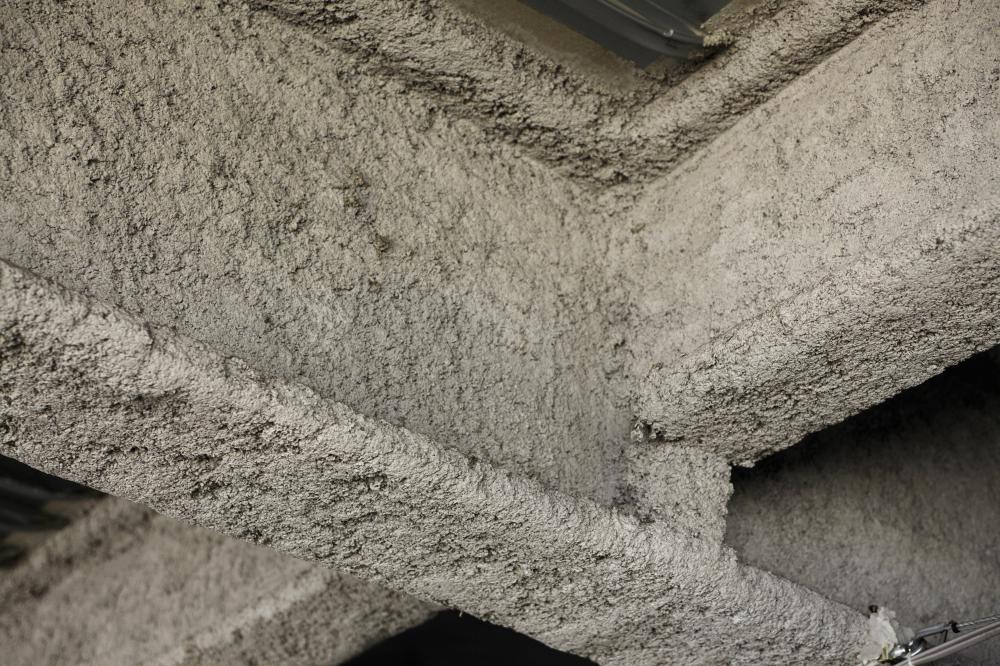
So, how do you determine whether your council residence consists of asbestos? First, examine any readily available documentation or resident surveys provided by the real estate authority. These may suggest if asbestos-containing materials (ACMs) were made use of during initial building and construction or succeeding improvements. Next off, evaluate aesthetic signs: asbestos was frequently used in distinctive ceilings (Artex), flooring tiles, pipe insulation, soffits, and concrete panels in homes developed throughout the 1960s and 1970s. Look for alerting labels or documentation left by previous inspections. Nevertheless, asbestos isn't constantly aesthetically recognizable, as it can appear like regular structure materials. Rules discourage troubling presumed ACMs. If in uncertainty, do not attempt removal or sampling yourself. Complying with present regulative assistance, residents should stay clear of get in touch with and escalate concerns to the appropriate housing authority.
Prior to initiating any kind of testing procedures, it's important to comprehend that asbestos surveys in council homes need to conform with strict regulatory criteria. To prepare asbestos testing, you'll require to contact your regional council, as council treatments commonly need making use of licensed asbestos surveyors. These specialists are qualified to conduct thorough examinations, which might include air monitoring and dirt tasting to evaluate the level of asbestos presence and possible air-borne fibers. The testing procedure typically consists of a visual analysis, product sampling, and laboratory evaluation to verify asbestos content. Councils are obligated to adhere to the Control of Asbestos Regulations 2012, making certain that all screening is performed safely and extensively. You should never attempt to collect samples yourself; constantly count on licensed specialists to assure compliance and security.
If you determine materials in your home that can include asbestos-- such as distinctive finishes, floor tiles, insulation boards, or pipe lagging-- right away cease any type of work that may interrupt them and restrict accessibility to the damaged location. Do not attempt to eliminate or change these materials yourself, as disturbing asbestos can release dangerous fibres. Rather, organize for specialist home testing by a UKAS-accredited asbestos land surveyor to verify the visibility and condition of asbestos-containing products. Maintain a document of any kind of searchings for and all communications with contractors or authorities. If unpredictability or disagreements arise relating to responsibility or necessary actions, seek lawful recommendations without delay. Adhering to these treatments aligns with regulatory guidance and reduces wellness dangers, making sure any subsequent remediation or administration is carried out in a certified and safe way.
You're required to recognize asbestos-containing materials within council residential or commercial properties and preserve exact documents. As a landlord, you need to adhere to regulations relating to the monitoring and removal of asbestos threats. You'll also require to ensure occupants are effectively educated regarding any type of recognized asbestos and associated precaution.
While managing council homes integrated in the 1960s and 1970s, it's important to acknowledge that you have certain legal obligations concerning asbestos-containing materials (ACMs). https://hollandparkasbestosremoval.co.uk/services/artex-removal.html Determining ACMs is the very first step in keeping governing compliance. You ought to conduct asbestos mapping to document the place and condition of thought materials throughout the residential or commercial property. Material sampling by qualified specialists is crucial to verify the presence of asbestos fibers, especially in locations generally made use of throughout building in that period. Aesthetic inspections alone aren't adequate; lab analysis is often required to establish threat levels and educate your management approach.
As soon as asbestos-containing products have actually been identified within council homes, legal responsibilities under UK legislation come into impact. As a property owner, you are accountable for assuring compliance with the Control of Asbestos Rules 2012. This consists of performing an asbestos threat analysis, carrying out a management strategy, and scheduling risk-free elimination or encapsulation where required. Property manager obligation includes maintaining these materials in a secure condition and protecting against tenant exposure. You have to maintain accurate records of asbestos locations and condition, updating them routinely. Tenant communication is likewise essential-- while you're not called for to supply extensive information at this stage, you need to ensure occupants are not put at danger and are mindful of any kind of actions affecting their safety and security. Failing to satisfy these responsibilities can cause legal and financial charges.
Although the law doesn't call for property owners to disclose every details information concerning asbestos in council residential or commercial properties, you're legitimately obligated to educate renters of any kind of asbestos-related threats that can impact their health and wellness. Clear lessee interaction is essential, particularly when asbestos exists or thought. You have to give timely alert if asbestos-containing products are located, disturbed, or arranged for removal. Notice timelines ought to align with legal needs, ensure occupants have appropriate time to respond or take safety measures.
Fulfilling these demands aids shield occupant welfare and make specific regulative conformity.
Several council residences integrated in the 1960s and 1970s have asbestos materials that require expert removal, and costs can differ substantially depending upon the range and complexity of the job. When planning asbestos budgeting, you'll need to consider the size of your residential or commercial property, the kind of asbestos present, and ease of access. Elimination timelines can also influence overall expenses, as urgent work or complex removals might enhance costs. Typically, removal in council houses varies from ₤ 1,000 to ₤ 2,500, yet considerable contamination can push prices a lot higher.
| Expense Factor | Emotional Influence |
|---|---|
| High Removal Costs | Financial Anxiety |
| Long Elimination Timelines | Extended Interruption |
| Substantial Contamination | Health and wellness Worries |
Always make use of licensed specialists to guard regulative conformity and safety and security.
If you're a resident taking care of asbestos in your council residence, it's crucial to recognize the government assistance systems developed to safeguard your wellness and legal rights. The government, via local authorities, offers structured local assistance and governing oversight to make sure asbestos dangers are managed effectively. You have access to resources that consist of legal suggestions, examination solutions, and, in qualified situations, financial assistance for removal or relocation. Legal obligations require councils to evaluate and deal with asbestos dangers, making specific compliance with health and wellness regulations. If you go to risk, you have the right to demand information and intervention.
Throughout any restoration in a council home, it's necessary to adhere to stringent safety and security methods to reduce asbestos direct exposure risks. To start, you need to always presume asbestos exists if the home dates from the 1960s or 1970s. Engage licensed asbestos professionals for evaluation and removal, as UK laws forbid unqualified handling. Use suitable safety equipment, consisting of respirators and non reusable coveralls, if you have to get in locations where asbestos disruption is possible. Job scheduling need to be collaborated to guarantee no unapproved workers exist during harmful activities, lowering second contamination dangers. Seal workplace with plastic sheet and keep unfavorable air stress to have fibres. Dispose of waste based on neighborhood authority guidelines. Constantly prioritize regulative conformity to secure health throughout remodellings.
Yes, your pets can be affected by asbestos exposure in council residences. Animal direct exposure to airborne asbestos fibers positions considerable dangers to pet wellness, consisting of respiratory system issues and possible development of asbestos-related conditions. It is important to follow regulative advice for asbestos administration, making certain that your living setting is safe for all occupants, including animals. If you suspect asbestos presence, speak with experts to analyze and mitigate risks, protecting both human and animal wellness in your family.
Envision you discover your youngster coughing greater than common, their breath appearing scratchy in quiet rooms. Early symptoms of asbestos exposure in children can include persistent coughing and lack of breath. With time, you might observe developmental hold-ups, such as slower growth or reduced physical activity. Due to the fact that symptoms are frequently refined and nonspecific, it's essential you monitor for these signs and speak with health and wellness specialists if you think your child's environment might present asbestos threats.

Most home insurance coverage don't consist of insurance policy protection for asbestos-related concerns, as asbestos is generally identified as a pre-existing or pollution danger. If you find asbestos, elimination prices and associated repairs are usually left out. Policies may also deny legal cases connected to asbestos exposure unless a specific motorcyclist remains in place. You must consult your policy records and neighborhood regulatory demands to determine if any kind of exemptions or recommendations for asbestos coverage are available.
Asbestos stays a hidden hazard for the long-term, essentially lingering forever if left undisturbed. You shouldn't presume time decreases its risk; regulative guidance states asbestos fibers don't deteriorate or shed potency with age. As long as materials containing asbestos aren't damaged or disturbed, the risk continues to be contained, however the potential for direct exposure persists. Subsequently, you should adhere to legal requirements for monitoring, surveillance, and, if necessary, professional remediation to assure ongoing safety and security.
No, it's not risk-free to pierce right into walls presumed of having asbestos. Using power devices can release dangerous fibers, increasing your health danger. Regulatory guidance highly suggests versus disturbing possible asbestos products without appropriate evaluation. Rather, you should use wall testing techniques, such as professional tasting and lab evaluation, to validate asbestos visibility. Only licensed asbestos experts ought to accomplish any kind of job entailing disruption, following rigorous safety procedures to guarantee compliance and decrease direct exposure.