


|
|
|
|
|
|
|
| Rubin Boyer | profile | guestbook | all galleries | recent | tree view | thumbnails |
If your residential property has heater or central heating boiler flues set up prior to the 1980s, there's a real opportunity asbestos insulation or gaskets were made use of. View for gray or white fibrous insulation, visible cracks, or breakable debris around pipeline joints and flue cellular linings. Disturbing these materials can launch hazardous fibers that present long-term wellness threats, consisting of cancer cells. Don't attempt eliminating it on your own-- specialist evaluation and proper abatement are vital. Understanding specific locations, dangers, and safe elimination practices is necessary for your safety.

When you're checking out old furnace, it's necessary to identify indications that could indicate the presence of asbestos-containing products. You ought to first check for insulation that appears fibrous, grey, or white, particularly around joints and fittings. https://mertonasbestosremoval.co.uk If the installment predates the 1980s, the threat raises significantly. Do not disrupt any kind of suspicious product-- doing so can launch hazardous fibers. Rather, you'll desire to arrange for professional air screening to determine if air-borne asbestos exists. Depend on qualified professional appointments for a thorough danger analysis; they have the proper training and devices to evaluate and sample materials safely. Keep in mind, visual examination alone isn't conclusive. Incorporating air testing with skilled input warranties you're properly determining dangers and taking the necessary preventative measures to secure occupants.
You'll often come across asbestos in heating unit around pipeline joints, inside flue and duct cellular linings, and within gaskets or seals. These elements were traditionally produced with asbestos for its warmth resistance and resilience. It is necessary to recognize these locations, as they present the highest possible threat of fiber release during upkeep or fixing.
Look closely at older central heating boiler flues and pipes and you'll commonly see insulation wrapped thickly around their joints-- a common place for asbestos-containing materials. In the past, pipe insulation and joint wrapping were regularly produced utilizing asbestos fibers because of their heat resistance and durability. If you're taking a look at furnace installed prior to the 1980s, these wrappings are particularly suspect. Asbestos was optimal for high-temperature locations, and pipeline joints were specifically at risk to warmth loss and condensation, making them prime prospects for such insulation.
You must realize that asbestos fibers in aging insulation can come to be friable, boosting the threat of airborne exposure if the product is disrupted. Appropriate recognition and specialist evaluation are necessary before trying any kind of repair service or removal, as disturbing asbestos-containing joint covering can release harmful fibers.
Check the insides of older central heating boiler flues and air ducts, and you'll usually find asbestos-containing linings covert beneath layers of steel or masonry. These flue cellular linings were generally mounted to boost fire resistance and prevent warmth loss, because of asbestos's outstanding insulating properties. In lots of systems, asbestos duct wrap worked as an added layer around ductwork, more minimizing warmth transfer and improving efficiency. If you're managing heater mounted prior to the 1980s, the presence of asbestos in flue cellular lining or duct cover is extremely possible. Disturbing or getting rid of these products can release harmful asbestos fibers right into the air. Always analyze the problem of these cellular linings carefully, and never effort removal without appropriate safety and security steps and professional guidance to reduce health and wellness threats.
Integrity in high-temperature atmospheres usually depended upon asbestos-based gaskets and seals, particularly in boiler flues and pipeline links. You'll locate these elements frequently used in older heating systems, where the material's warmth resistance and sturdiness were crucial. Asbestos fibers were blended with binders to create compressible sealers that might maintain a limited seal, even when revealed to rising and fall stress and temperatures. Unlike rubber alternatives, asbestos-based gaskets really did not wear away swiftly under thermal anxiety, making them a preferred option until health and wellness dangers came to be extensively understood. If you're inspecting or repairing legacy systems, it's crucial to recognize that these gaskets and seals could still include asbestos. Today, contemporary systems make use of much safer products, yet asbestos residues in old devices can present continuous direct exposure hazards if disturbed.
You can usually detect possible asbestos in your heating system by looking for usual visual indications, such as white or gray coarse product on pipes or installations. It's also crucial to take into consideration the age of your system-- systems set up before the 1980s are more probable to include asbestos components. Recognizing these variables aids you examine the risk prior to taking further action.
When examining a furnace for possible asbestos-containing materials, it is essential to look for specific aesthetic hints that may show its presence. Search for grayish-white insulation wrapping around pipelines, elbows, or boiler flues, as these were typically manufactured with asbestos. You could additionally observe visible wear and tear such as fractures, water damage, or powdery surfaces, which can indicate that the material is breaking down. The appearance of friable debris-- loose, crumbly, or dusty product under or around the insulation-- is a strong sign that asbestos fibers might be present and possibly air-borne. Furthermore, old cement panels or gaskets around joints might be suspect. Constantly prevent troubling any kind of dubious products, as this can increase the danger of fiber launch and direct exposure.
Along with aesthetic ideas, the age and installation date of your heater play a significant role in evaluating asbestos threat. If your boiler, flue, or associated ductwork was set up before the mid-1980s, it's most likely to consist of asbestos due to the installation period's construction standards. Asbestos was typically made use of in heater for insulation and fire resistance up until guidelines transformed in the late 20th century. You must examine documentation or building documents to determine the installation day. Equipments set up after more stringent asbestos policies-- usually post-1990-- are much less most likely to include asbestos products. Nevertheless, even if your system was modified or upgraded, initial components from the earlier installation era may remain, so it is necessary to verify every component of the furnace's background.
Exposure to asbestos fibers released from aging or harmed home heating equipment postures considerable wellness dangers, especially within encased interior environments. When you inhale airborne asbestos fibers, they can become lodged in your lung cells, causing major diseases such as asbestosis, lung cancer, and mesothelioma. These problems are well-documented amongst people with occupational exposure, but home owners and developing residents can also be at risk if furnace consisting of asbestos are interrupted. A remarkable problem is the prolonged latency periods associated with asbestos-related health problems; signs might not appear until 10 to 40 years after first exposure. Also brief or low-level direct exposure can contribute to collective health and wellness effects. It is essential to identify these dangers, specifically in homes with heating tools mounted prior to asbestos laws were implemented.
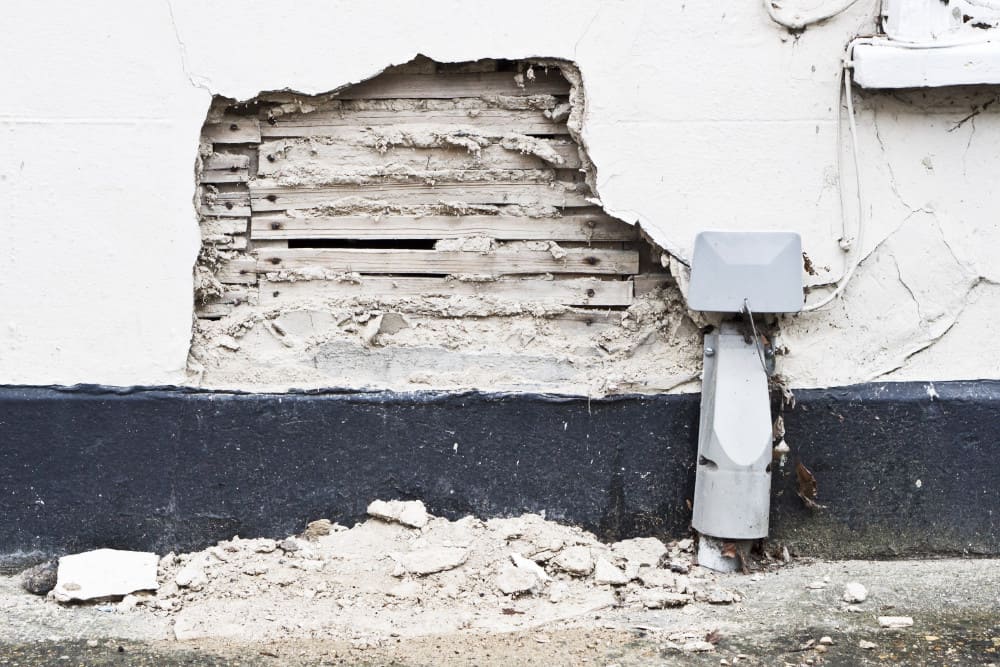
If you presume your home heating system has asbestos, don't try to examine, interrupt, or remove any products on your very own. Asbestos fibers can come to be airborne with marginal disruption, threatening air high quality and posturing serious health risks. To safeguard on your own, your family, and to abide with lawful obligations, comply with these steps:
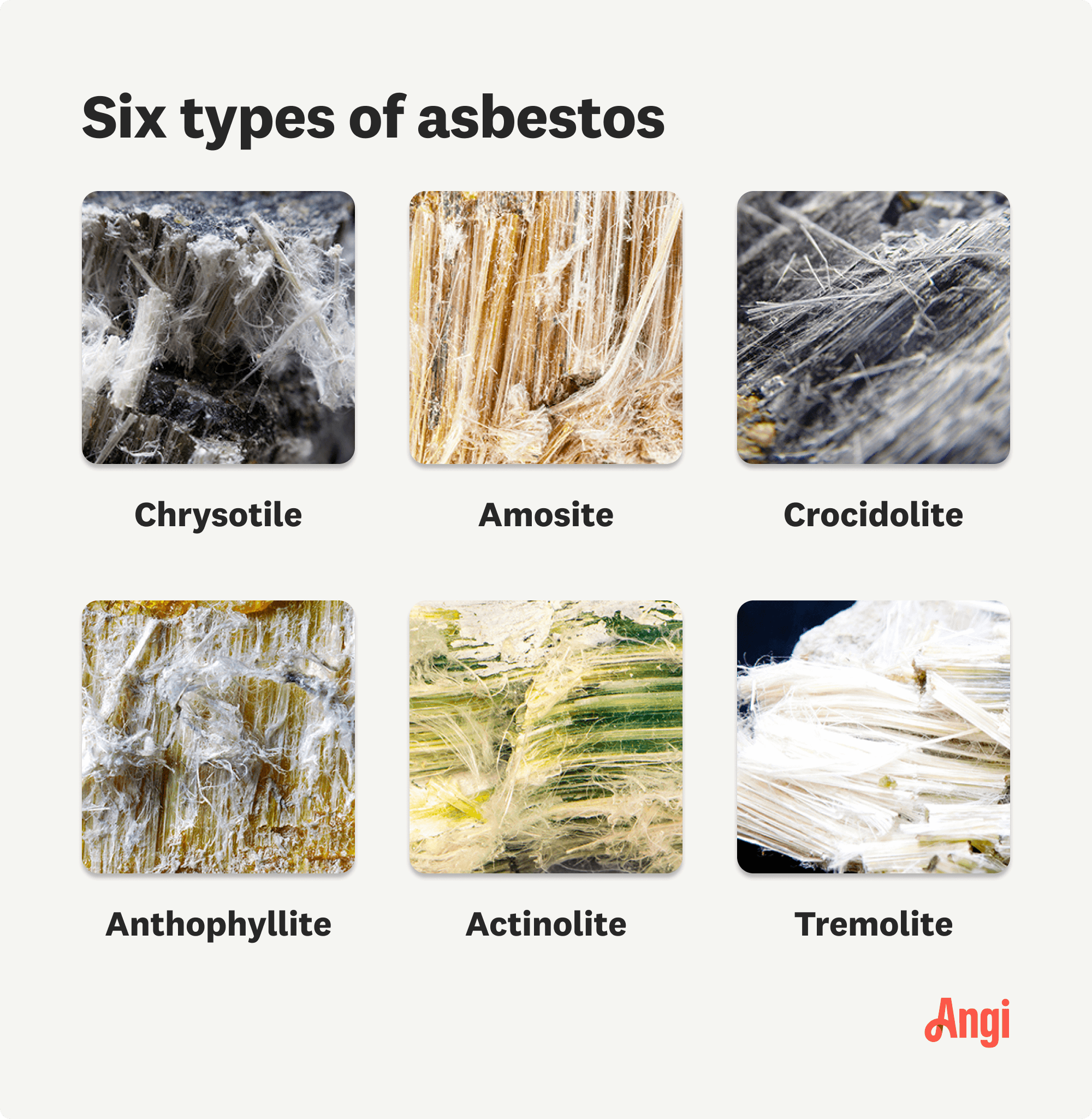
These actions guarantee you reduce direct exposure threat and satisfy your legal obligations.
Throughout boiler upgrades, making sure the risk-free removal and replacement of asbestos-containing materials is vital to avoid hazardous fiber launch and abide with regulative criteria. If you presume asbestos in your old boiler flues or heater elements, do not try elimination yourself. Instead, work with qualified professionals learnt specialist reduction methods. https://mertonasbestosremoval.co.uk/services/soft-strip-demolition.html These professionals make use of unfavorable pressure rooms, HEPA filtering, and wet methods to regulate dust throughout removal. Correct garbage disposal procedures are strictly followed to minimize environmental contamination. After reduction, professionals perform air surveillance to validate that asbestos fibers are absent. Substitute products need to be non-asbestos and satisfy present safety codes. By depending on qualified contractors for specialist abatement, you shield your health and wellness, guarantee regulatory compliance, and maintain a secure atmosphere during central heating boiler upgrades.
Nearly 30% of united state homes developed before 1980 consist of asbestos somewhere, so you're not the only one if you're facing this problem. Yes, you can legally market a residence with asbestos in the heating unit, however you have actually obtained legal responsibility if you do not adhere to disclosure requirements. Many states need you to educate purchasers around recognized asbestos. Stopping working to disclose might result in suits or punitive damages, so openness protects you throughout the selling procedure.
Yes, asbestos in heater can influence your home insurance plan. Insurers usually think about asbestos a significant danger, causing insurance policy implications such as higher costs, policy exemptions, or perhaps denial of insurance coverage. You'll likely discover that several policies exclude damage or responsibility related to asbestos as a result of the connected health dangers and removal prices. It's crucial to examine your policy terms carefully and talk about any asbestos problems with your insurer to prevent unexpected gaps in coverage.
Like peeling away layers of background, asbestos abatement and flue removal expenses can differ extensively. You'll typically pay in between $1,500 and $3,500 for professional asbestos removal from central heating boiler flues, depending on the degree of contamination and accessibility. Certified service providers comply with rigorous safety procedures, and expenses show labor, disposal charges, and governing compliance. It's vital to obtain several estimates to ensure you're obtaining evidence-based suggestions and reasonable prices for your job.
Yes, you may qualify for asbestos gives or removal funding if your home fulfills certain requirements, like being built prior to a certain year or if passengers are taken into consideration at risk. Regional councils and federal government programs sometimes offer economic support, however availability varies by region. It is necessary to talk to your neighborhood authority or appropriate health and wellness division for up-to-date info on present gives, eligibility requirements, and the application process to safeguard asbestos elimination financing.
You must recognize that approximately 60% of buyers may view homes with asbestos adversely, straight influencing property worth. Market assumption plays a substantial role-- homes with asbestos often sell for much less and may rest longer on the market, influencing resale timing. Lenders may also wait to finance such buildings. Fairly, the visibility of asbestos can reduce your home's charm, requiring removal prior to you attain excellent value and a quicker sale.
