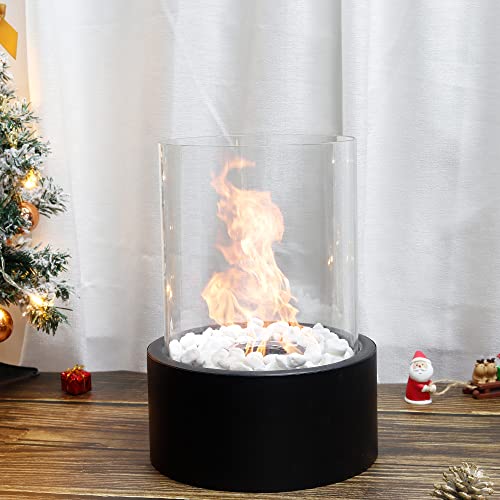
Bioethanol fireplaces require less effort to install and operate than a gas or wood fire. They do not require a chimney or flue and can be moved from one place to another.
These fireplaces come in a variety of styles and designs. Bio-ethanol fireplaces don't emit any fumes or smoke, which makes them perfect for outdoor and indoor use.
Safety concerns
Ethanol fire pits make a great addition to any outdoor space. They can be a fantastic place to entertain guests and create a relaxing atmosphere. They add a stylish modern look to any home design. However, they have some safety issues that you need to be aware of before you purchase one.
Bioethanol fuel, like any other liquid that is flammable, can cause serious injury when it is accidentally spilled. To prevent this from happening be sure to keep bioethanol fuels in a safe place away from combustible substances and keep them out of reach of children. Keep a fire extinguisher next to the fireplace and use it when any flames start to appear.
Installing bioethanol fire pits is simple and doesn't require chimney or flue. They do not produce smoke or ash and are therefore safe to use indoors. However, they still emit carbon dioxide, which could be detrimental to the health of those who live close to the fire.
It is crucial to read the instructions provided by the manufacturer prior to using an heater for ethanol. The majority of them will come with a Max indicator which indicates how much bioethanol fuel you can safely fill the burner with. It is important that you only use the recommended amount of bioethanol fuel and don't overfill the burner. This could result in an explosion or fire.
The most common accidents with bioethanol fire pits occur when you top off the fuel. This is because the biofuel could spit out if you add it to an already burning fire, which could burn your skin or catch other objects that are flammable near. To prevent this from happening, wait at least 15 minutes for your burner to cool before refilling it.
Unlike gas or wood-burning fireplaces, a bioethanol pit produces no smoke or ash and doesn't require a flue. They also produce less CO2 than traditional fireplaces, which is a good thing for those who want to lower their impact on the environment. Additionally, these fireplaces don't produce particles that can harm your lungs and lead to allergies or asthma.
Installation
Ethanol fire pits provide an innovative alternative to traditional fireplaces. They don't require a chimney, which makes them easy and simple to install in any space. They also don't emit smoke or fumes and are safe to use indoors and outdoors. Some models are portable, making them ideal for homes that are being renovated or built. If you're concerned about the safety of a bioethanol fire pit, consult a professional or ask your local inspector for advice on building.
Installing bioethanol fires that are mounted on walls is more challenging, but the results can be breathtaking. The burners are usually fitted with a bracket to be mounted on the wall. Once the burner is installed it's the matter of adding fuel and lighting the fire. The amount of fuel will determine the duration of the fire will last. It is essential to stay clear of any flammable materials around the burner.
The majority of models have an electric burner made of glass or steel and an underlying structure to support it. They are simple to install in any room of the house and come in a range of modern and modern designs. Some models include decorative elements like ceramic wood and pebbles that create a stunning and cozy atmosphere.
https://www.fireplacesandstove.com/categories/bioethanol-fireplaces come with built-in air vents that stop the buildup of carbon monoxide. This is a crucial safety feature. Certain models have the option of a remote control that lets you to control the flame's height and turn it off or on. The remote can be used to change the settings of your fire, and also select various modes, including sleep mode.
Instructions for the installation of bio-ethanol fire pits may vary from one model to another. It is recommended to read the installation instructions of the product prior to beginning. However, in general the procedure is similar to that of installing television. It is not recommended to move your ethanol fireplace after it has been set up. It will be a challenge to do this without damaging it.
Maintenance
Ethanol fire pits require a more maintenance than traditional wood burning fireplaces, but they require less labor-intensive than an electric or gas powered fire. Regular cleaning of your burner is the primary requirement for maintaining. Use mild soap and water or cleaners recommended by the manufacturer. Avoid using abrasive cleaners as they can damage your burner's finish. Never refill the burner when it is still warm. This could lead to a dangerous situation, and could result in an explosion or spills.
Another crucial thing to remember is to keep your bio ethanol fireplace away from flammable materials like curtains, furniture, and paper. It should be set up on a non-flammable material such as cement board or mantles of class 0 or A1. It is a good idea to also put in a non-flammable surround to protect the burner from the heat.
One of the great things about a bio ethanol fireplace is that it does not emit any harmful gases like carbon monoxide. It is safer for the environment as well as your guests who will appreciate taking a break before. It also does not produce any smoke, which makes it safer for pets and children.
Ethanol fire pits can be used indoors and outdoors, making them a more flexible alternative to traditional fireplaces made of wood. They do not emit any harmful smoke or chemicals, and they are very easy to manage and maintain. They aren't like a fireplace and do not require chimneys. They can be used in any location without the need for electricity or ventilation. This makes them a perfect alternative for small spaces. Additionally they are very mobile and can be moved from one location to another with ease. They are ideal for outdoor seating areas and make a great addition to any patio.
Costs
Ethanol fireplaces are a fantastic option for homeowners who want to add the warmth and elegance of real flames without the cost of gas or wood fireplaces. These fire pits are powered by bioethanol, which is a clean-burning fuel. It does not emit harmful smoke or fumes. These fire pits are available in a wide range of sizes and designs which makes them a great choice for any room.
Bio ethanol fire pits are not only inexpensive, but they also offer numerous other advantages. For example they don't require a chimney or flue, and can be placed in almost any room. They can be recessed into the wall to make space. They are also portable and easy to use by filling the burners up with bioethanol, light them with an ordinary lighter, or an extended taper, and you can enjoy the dancing flames in minutes.
They are also an excellent option for outdoor areas, because they don't emit toxic emissions that can harm the environment. They are also easily adaptable to various weather conditions. They are also easy to clean with a damp cloth. Bioethanol fire pits offer numerous advantages. They are also energy efficient. It is important to keep in mind that the production of bioethanol can use more energy than it produces. This means that it is not a completely sustainable solution.
The fact that ethanol fire pits do not emit harmful gases or smoke is a great benefit for homes where there are pets or children who are small. The fire can be put out quickly and easily with the lid of the burner, or tool. Additionally, the fireplaces come with a special no-drip squeezy bottle that allows users to easily refill the flame without spilling any of the fuel.
Bio ethanol fire pits are easy to set up and can be used on any surface, including tiles, drywall, or concrete. In addition, they don't need a flue or a chimney, and there is no need for ventilation. They can also be used with many material that is flammable, such as paper and different types of wood. However, it is important to keep all combustible materials from the fireplace at all times, as they can damage the fireplace or start a fire.