


|
|
|
|
|
|
|
| Mortensen Hove | profile | guestbook | all galleries | recent | tree view | thumbnails |
As a commercial home owner, you're lawfully obliged to identify, examine, and take care of asbestos-containing products (ACMs) via detailed evaluations, threat evaluations, and recognized lab testing. You need to keep thorough documents-- covering surveys, air surveillance, abatement actions, and all communications-- for established retention durations and guarantee they're arranged for audits. Failing to conform can lead to substantial fines and liability. There are practical, detailed means to satisfy every governing demand and stay clear of serious conformity pitfalls-- below's just how you do it.
Also if you're familiar with developing regulations, asbestos compliance for business residential properties entails a particular collection of responsibilities that surpass general maintenance. You'll need to systematically determine, examine, and take care of any asbestos-containing materials in your structure. This begins with thorough asbestos audits, which examine the visibility, condition, and danger factors connected with asbestos. You're expected to keep extensive documentation of these findings and update them on a regular basis. Exposure tracking is another important component-- tracking air-borne fiber degrees to assure occupants and employees aren't in jeopardy. Efficient compliance means applying control actions, educating personnel, and keeping ongoing surveillance. By focusing on asbestos audits and direct exposure tracking, you're lining up with regulative criteria and assuring your residential property continues to be safe, certified, and appropriate for commercial occupancy. https://plaistowasbestosremoval.co.uk/services/artex-removal.html
As a property proprietor, you're needed to recognize any asbestos-containing products on your premises and carry out thorough risk analyses to establish prospective direct exposure dangers. Rules likewise mandate that you preserve current records and send reports as specified by neighborhood and national authorities. Falling short to meet these obligations can lead to substantial lawful and economic effects.
When handling residential or commercial property built before the late 1980s, you're legally required to figure out whether asbestos-containing materials (ACMs) exist. This task is fundamental for guaranteeing tenant safety and governing conformity. You should conduct extensive inspections of all easily accessible areas, consisting of ceilings, insulation, floor covering, and pipework, to determine presumed ACMs. Documents of searchings for is important and ought to be maintained up-to-date for reference by tenants and professionals. https://plaistowasbestosremoval.co.uk/services/soft-strip-demolition.html Proper identification supports targeted specialist training, minimizing exposure risks during fixings or improvements. If you stop working to identify ACMs, you could deal with lawful penalties and threaten passenger health and wellness. Remember, just assuming asbestos isn't existing is not compliant; aggressive evaluation is compulsory. Clear labeling and communication about identified ACMs additionally supports secure recurring property management.
Although recognizing asbestos-containing materials is a vital very first action, you're additionally legally bound to carry out formal threat analyses wherever ACMs exist or thought. This assessment evaluates the condition and potential disturbance of ACMs, directing your needed control measures. Rules mandate that just people with proper contractor accreditation execute these analyses to assure compliance and safety and security. You'll need to organize regular inspections to monitor any kind of modifications in ACM condition, attending to brand-new risks as they emerge.
Right here's a summary of crucial requirements:

| Requirement | Lawful Criterion | Frequency/Responsible Party |
|---|---|---|
| Preliminary Analysis | Accredited Specialist | Upon recognition of ACMs |
| Routine Examinations | Governing Mandate | At periods established by legislation |
| Risk Assessment | Comprehensive Documents Required | Certified Assessors |
| Activity on Searchings for | Immediate Reduction | Residential Property Owner/Accredited Parties |
Maintaining accurate records of all asbestos-related tasks is a core legal task for homeowner handling ACMs. You're called for to document asbestos surveys, risk analyses, and any actions taken for abatement or repair work. In-depth logs of air surveillance results must be maintained, including tasting days, methods, and logical results. You additionally need to maintain proof of stakeholder training-- records showing that structure passengers, upkeep staff, and contractors have received correct asbestos recognition instruction. Reporting responsibilities might include informing regulatory authorities prior to significant asbestos work or when air monitoring surpasses allowable direct exposure limitations. These records must be saved safely and be conveniently easily accessible for examination. Failing to adhere to documents and reporting requirements reveals you to regulatory charges and enhanced responsibility in case of an incident.

Often, recognizing asbestos risks in your building needs a methodical approach based in both regulatory requirements and technological expertise. To follow legal obligations and guarantee passenger security, you'll need to identify feasible asbestos-containing materials (ACMs) utilizing both visual assessment and asbestos screening. Aesthetic inspection entails checking out older building and construction products, such as insulation, ceramic tiles, or pipeline lagging, for damage or degeneration. https://plaistowasbestosremoval.co.uk However, visual hints alone aren't adequate for verification.
Below's exactly how you can approach asbestos danger recognition:
Following this procedure guarantees regulatory compliance and danger awareness.

As soon as you have actually identified asbestos threats in your structure, it's essential to comply with a structured administration and removal process that straightens with regulatory needs. Initially, involve a certified asbestos reduction service provider to evaluate the impacted locations and create a site-specific reduction strategy. Make sure the specialist adheres to neighborhood and nationwide guidelines, including controlled work zones, air monitoring, and accepted disposal approaches. Coordinate elimination logistics by scheduling work throughout low-occupancy durations, protecting the work space, and informing building occupants as needed. You need to verify that all elimination activities are overseen and performed utilizing individual safety devices and specialized control procedures. After the asbestos abatement is total, carry out a detailed clearance inspection to verify the area is risk-free for re-occupancy and that all harmful materials have been managed appropriately.
With reduction activities finished, regulatory companies need documented proof that every phase of asbestos management adhered to lawful criteria. As a business residential property proprietor, you should ensure your records are comprehensive, arranged, and conveniently obtainable for assessments or audits. Secret paperwork not only shows conformity but likewise protects you during renter disputes or governing reviews. At a minimum, your records should consist of:
Keep these records for the legitimately required retention period to maintain complete conformity.
To prevent pricey asbestos compliance fines and legal problems, you'll need to carry out routine asbestos threat assessments and keep detailed, current documents. It's important that you document every evaluation, remediation activity, and interaction associated to asbestos management. Correct reporting to regulative authorities makes particular you're fulfilling all lawful responsibilities and demonstrates your commitment to safety and security.
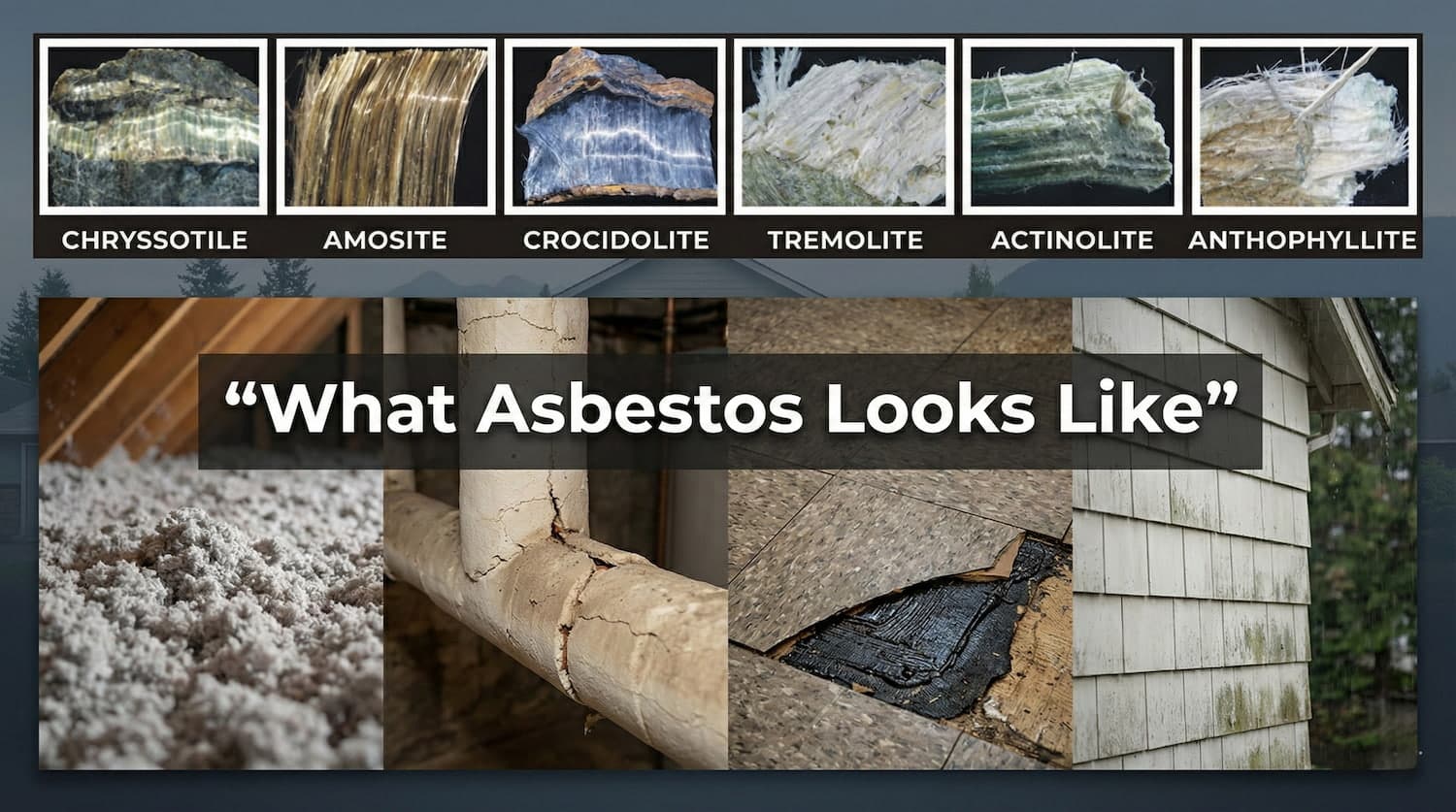

Regularly, performing routine asbestos risk evaluations is crucial for homeowner aiming to maintain compliance with governing needs and protect against pricey penalties or legal complications. Asbestos studies and attentive risk tracking create the backbone of reliable conformity methods. You must carry out an organized approach to identifying, assessing, and handling potential asbestos risks in your industrial properties. To improve your conformity initiatives, consider the following:
Although threat assessments are essential, your conformity initiatives will fail without thorough paperwork and timely coverage. To remain certified, you should preserve thorough documents of all asbestos-related tasks, consisting of inspection searchings for, air monitoring data, and service provider oversight actions. Governing bodies need this paperwork to be easily available during audits or examinations. Failure to create complete documents can result in significant penalties and legal difficulties. You need to execute an organized process to log and upgrade the following:
| Record Kind | Retention Period | Accountable Event |
|---|---|---|
| Inspection Reports | 30 years | Residential property Manager |
| Air Keeping An Eye On Logs | 5 years | Environmental Officer |
| Service provider Oversight | Duration of Job | Website Manager |
| Event Reports | 5 years | Conformity Police officer |
Always ensure your documents are accurate, arranged, and offered for regulative testimonial.
Simply as Pandora's box released unpredicted effects, asbestos can most definitely affect your insurance coverage premiums and protection. Insurance companies scrutinize buildings for asbestos as a result of significant insurance policy implications, often leading to greater costs or even insurance coverage exclusions. If you haven't conducted proper asbestos studies or remediation, you're most likely to face enhanced regulative analysis. Numerous plans have details exclusions connecting to asbestos-related damages, so proactively taking care of asbestos dangers is crucial to maintain comprehensive insurance coverage defense.
Asbestos compliance straight affects your residential property's resale value due to the fact that customers inspect market assumption and require legal disclosure of any asbestos-related threats. If you've met regulative needs and can supply updated asbestos studies or reduction records, your home's worth is shielded and transaction timelines are smoother. Non-compliance, however, activates unfavorable market perception, possible lawful liabilities, and price decreases, as buyers element in removal costs. Detailed documentation comforts purchasers and supports desirable arrangements.
Yes, you can access federal government grants or low interest financings to balance out asbestos elimination expenses. Eligibility relies on your home's place and current policies-- several local and federal programs sustain compliance efforts. You'll require to send in-depth remediation strategies and expense price quotes to certify. It's vital to remain updated with regulatory requirements, as financial aid often prioritizes projects improving public safety or conference immediate wellness standards. Get in touch with relevant companies for current funding opportunities.
Staff require asbestos understanding training to recognize materials that might consist of asbestos and understand safe work techniques. You should not allow inexperienced staff members handle asbestos; just accredited specialists with specialized training can perform removal or disturbance. Regular refresher training courses are vital to keep every person updated on present regulations and procedures. Make certain your group understands legal obligations, reporting requirements, and emergency situation reaction methods to preserve regulatory compliance and protect wellness and security in your center.
Asbestos removal usually takes anywhere from numerous days to a few weeks, relying on the job's asbestos timeline and particular removal phases. You'll start with a detailed assessment and alert to governing authorities, complied with by site preparation, actual removal, and complete clearance testing. Each phase, especially control and disposal, need to adhere to safety laws and might extend the timeline if unforeseen asbestos quantities or structural intricacies are encountered throughout the procedure.