


|
|
|
|
|
|
|
| Frye Lancaster | profile | guestbook | all galleries | recent | tree view | thumbnails |
Asbestos was banned in the UK in stages-- you couldn't legitimately import, supply, or make use of blue (crocidolite) and brownish (amosite) asbestos after 1985, and white (chrysotile) asbestos was fully prohibited by 1999. UK regulations tightened up as scientific evidence exposed asbestos's serious carcinogen, prompting stringent controls on work environment exposure. Even today, you'll find asbestos in older structures, so there are in-depth legislations on risk-free monitoring and removal. https://poplarasbestosremoval.co.uk/services/soft-strip-demolition.html Remain with us to discover why these restrictions were needed and their continuous influence.
Asbestos, a normally taking place mineral fiber, saw its first widespread usage in the UK during the late 19th century with the beginning of the Industrial Revolution. You'll locate that its intro was carefully connected to the quick growth of commercial applications, especially in production and power generation industries. Historic profession records from the late 1800s file considerable imports of asbestos fibers into Britain, primarily from Canada and South Africa, as residential need surged for fire-resistant products. By the early 1900s, asbestos was established in numerous markets, such as shipbuilding and textile manufacturing, driven by its thermal and chemical resistance. Regulatory understanding at this stage was minimal, also as commercial dependence expanded, setting the phase for future analysis of asbestos use in the UK.
You'll find that asbestos obtained extensive use in British construction as a result of its phenomenal insulating residential or commercial properties and resistance to warm. It's additionally important to note that asbestos was considered a very cost-efficient building material, making it eye-catching for massive tasks. Governing documents from the mid-20th century consistently pointed out these benefits when justifying its considerable application throughout the sector.
While many materials were offered to home builders throughout the twentieth century, couple of matched the outstanding insulating residential properties of asbestos, making it a staple in British building and construction. If you take a look at historic building practices, you'll see asbestos was preferred due to its remarkable thermal resistance and fire retardancy. These features enabled frameworks to fulfill progressively stringent building ordinance concentrated on occupant safety and security and power efficiency. Regulatory standards emphasized materials that can endure high temperature levels and protect against fire spread, and asbestos continually supplied on these demands.
This technological prevalence describes asbestos's extensive use.
Driving down building expenses, makers and builders across the UK rapidly adopted asbestos for its affordability and schedule. If you're considering why asbestos came to be so prevalent, it's clear: its small cost factor made it the go-to option for inexpensive insulation and budget plan renovations, particularly throughout the post-war structure boom. Asbestos items might be generated at range, lowering product costs and making conformity with early building policies simpler.
| Property | Advantage | Governing Impact |
|---|---|---|
| Reduced Cost | Reduced develop costs | Met financial targets |
| Readily Readily available | Quick purchase | Structured supply chain |
| Insulation Top quality | Improved energy savings | Passed safety criteria |
Eventually, the economic rewards behind asbestos use exceeded very early health and wellness problems, ensuring its supremacy in British building until regulatory action highlighted the risks.
Since asbestos fibers are tiny and quickly inhaled, direct exposure can trigger significant and commonly deadly health problems. When you're around disturbed asbestos, you go to danger of conditions that develop years after first get in touch with. Among one of the most extreme results is work mesothelioma cancer, an unusual cancer cells primarily affecting those who've worked straight with asbestos-containing products. Also if you haven't dealt with asbestos yourself, ecological contamination-- such as living near old commercial sites-- can place you at danger.
Typical illness connected to asbestos direct exposure consist of:
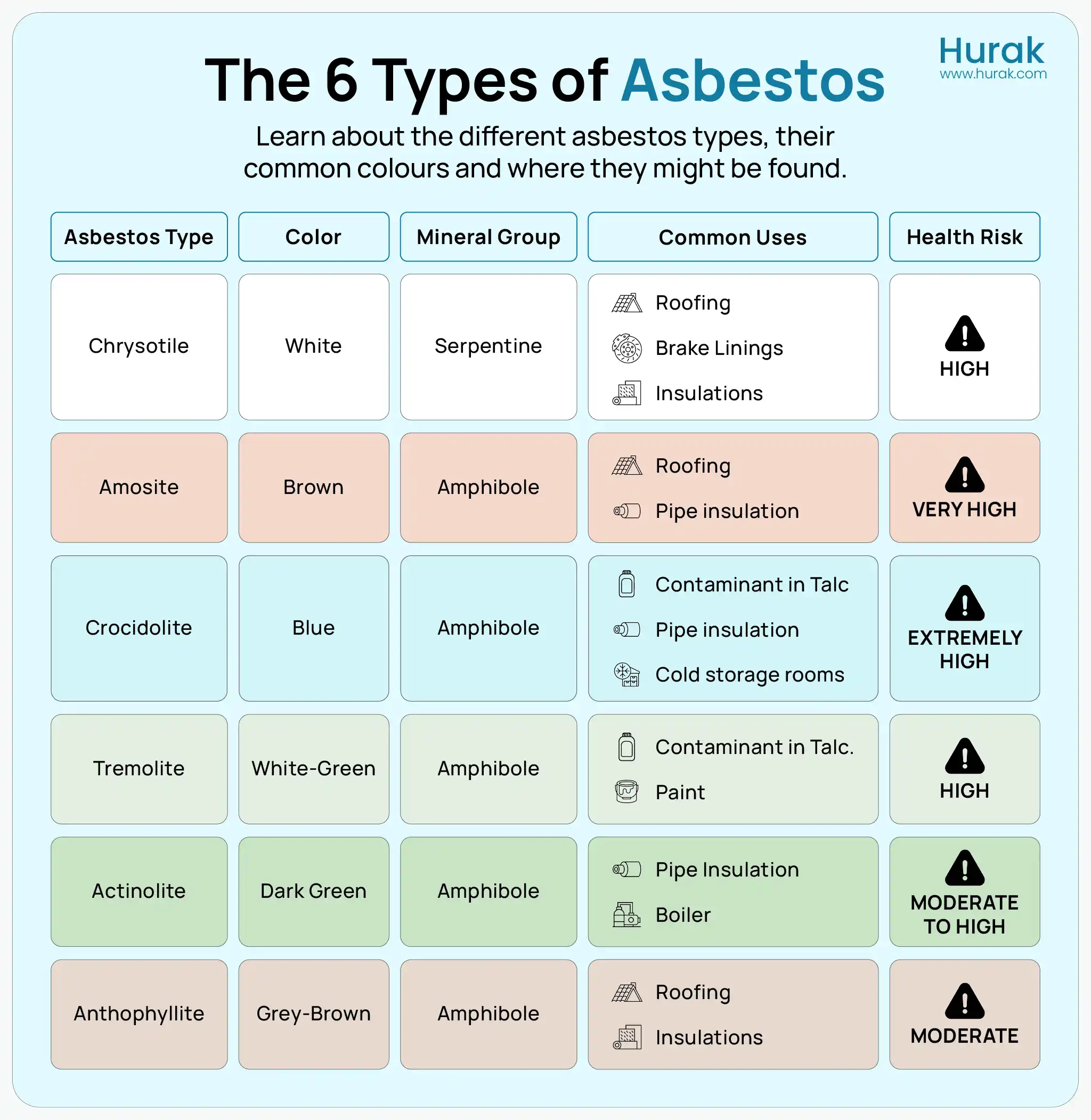
Although asbestos was when commemorated for its fire-resistant buildings, very early indication regarding its dangers began emerging as much back as the late 19th century. If you analyze job-related tales from this era, you'll observe reports of employees in asbestos factories experiencing relentless breathing issues. These accounts weren't isolated-- patterns began to appear, motivating clinical experts to check out additionally. By the very early 20th century, advancements in medical diagnostics enabled medical professionals to connect specific lung illness directly to asbestos exposure. Autopsies disclosed lung scarring and fibrosis in damaged employees, strengthening the clinical case versus asbestos. As awareness expanded, you 'd discover clinical literary works documenting these health and wellness dangers, which pressed regulative bodies to take the hazards seriously. This evidence-based awareness was crucial fit future regulative actions.
As placing evidence of asbestos-related health dangers came to be impossible to neglect, the UK initiated its very first governing reaction with the Asbestos Market Regulations in 1931. These policies concentrated on regulating workplace exposure, specifically in asbestos fabric factories. You'll see this was a crucial regulative turning point, as it introduced measures like air flow needs and medical surveillance for subjected employees. Over the years, more regulatory turning points adhered to, each tightening up controls and expanding the scope of security.
Secret advancements included:
These steps laid the foundation for succeeding, much more extensive bans.
You'll wish to keep in mind that the UK formally introduced the restriction on blue (crocidolite) and brown (amosite) asbestos in 1985. https://poplarasbestosremoval.co.uk This regulatory action required prompt cessation of importation and new use throughout all industries. The ban noted a substantial juncture for suppliers and building firms, who had to swiftly adjust to alternative products.
Despite the widespread acknowledgment of asbestos risks in the UK throughout the 20th century, the official ban on blue (crocidolite) and brownish (amosite) asbestos was officially announced in 1985 under the Asbestos (Prohibitions) Regulations. When you look at the asbestos timeline, this announcement noted a critical governing milestone. The government's decision was based in mounting scientific proof and considerable public health concerns, leading to guide policy effects for markets and safety standards. The 1985 regulations especially restricted the import, supply, and utilize of these 2 most harmful kinds of asbestos. Below's what you must understand about the official ban announcement:
With the 1985 restriction on blue and brown asbestos entering force, UK markets had to rapidly adapt their operations to adhere to the new guidelines. You 'd have run into substantial difficulties, specifically regarding task losses as firms reliant on asbestos items faced sudden closure or restructuring. The supply chain was disrupted, requiring you to source alternative products and vet new providers, which frequently increased costs and created delays. Training needs came to be a leading priority; your labor force needed prompt education on safe handling, elimination, and disposal procedures in conformity with progressing regulation. https://poplarasbestosremoval.co.uk/services/refurbishment-demolition-survey.html The restriction additionally required you to reinforce your safety society, driving a change toward rigorous threat evaluations and ongoing tracking. Regulatory conformity became central to functional preparation, making certain long-lasting employee defense and market credibility.
Although several kinds of asbestos had actually currently faced restrictions, white asbestos-- officially referred to as chrysotile-- wasn't banned in the UK until 1999. Till that factor, you could lawfully utilize, import, and supply chrysotile due to regulatory delays and industry lobbying. The 1999 restriction closed lawful technicalities that had actually enabled its restricted usage, specifically in structure materials. However, buildings built before this day may still contain chrysotile, increasing continuous issues about legacy elimination and risk-free monitoring.
You require to be knowledgeable about these historical regulatory adjustments.
You'll discover that asbestos regulations in the UK are imposed with rigorous oversight by firms such as the Health And Wellness Executive (HSE). Regular examinations and conformity checks assure that duty holders satisfy legal requirements, and breaches can lead to significant fines, consisting of penalties and prosecution. Recognizing these enforcement devices is important if you're liable for taking care of asbestos risks.
Considering that asbestos positions significant health threats, its policy in the UK is strictly imposed by numerous key agencies, primarily the Health and Security Exec (HSE). Over the years, governing advancement has shaped a framework where company sychronisation is necessary for efficient oversight. The HSE leads enforcement under the Control of Asbestos Regulations 2012, assuring offices adhere to legal tasks. Various other firms, such as neighborhood authorities and the Environment Agency, support HSE by concentrating on specific atmospheres and waste monitoring. You'll discover that stringent inter-agency communication aids maintain high conformity standards.
These companies assure robust, coordinated asbestos law throughout the UK.
Carrying out inspections is central to how UK authorities enforce asbestos regulations today. You'll find that the Wellness and Security Executive (HSE) conducts both revealed and unannounced site sees, concentrating on high-risk markets and properties with known asbestos direct exposure. Study organizing is methodical, usually prioritised based on previous threat assessments or occurrence reports. During examinations, you'll be expected to reveal documents of asbestos surveys, evidence of recurring danger monitoring, and proof that your personnel has actually completed conformity training. Assessors additionally assess your treatments for checking asbestos-containing materials and making certain secure job techniques. Normal conformity checks assist guarantee employers and responsibility owners comply with the Control of Asbestos Rules 2012, preserving a risk-free setting for workers and the general public by actively managing asbestos dangers.
Enforcement of asbestos regulations in the UK counts on a robust system of fines designed to deter non-compliance and protect public wellness. If you stop working to satisfy your legal commitments under the Control of Asbestos Rules 2012, you'll face significant consequences. The Health And Wellness Executive (HSE) rigorously applies these guidelines, applying lawful fines and, in serious instances, criminal fines. Charges are proportional to the threat and injury triggered by violations, mirroring the gravity of asbestos direct exposure dangers.
Right here's what you might encounter if you breach asbestos regulations:
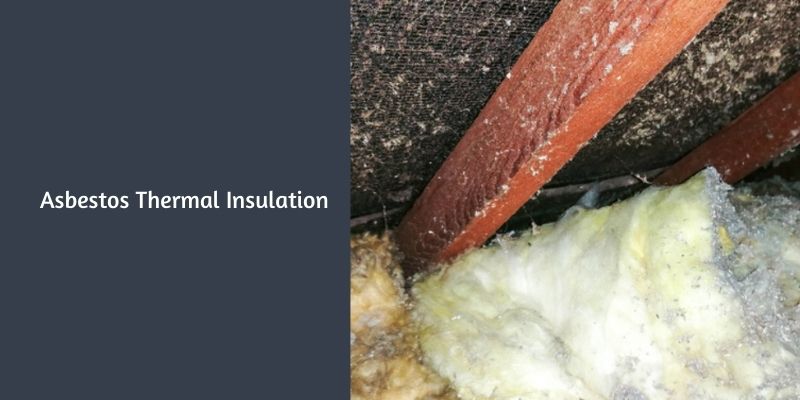
Digging into the textile of UK homes and structures, you'll often discover that asbestos-containing materials (ACMs) remain existing, especially in residential or commercial properties constructed before the year 2000. Evidence reveals that roof covering insulation, pipe lagging, flooring ceramic tiles, and textured coatings are among one of the most typical areas where asbestos may still be concealed. You'll discover that these materials were widely made use of for their durability and fireproof properties. Governing bodies, such as the Health And Wellness Executive (HSE), identify these ACMs as risky if disturbed, considering that fibres can end up being airborne and dangerous. It is essential to recognise that, regardless of the UK restriction on asbestos, guidelines call for continuous administration and tracking of existing ACMs in both property and non-domestic properties to guarantee safety and security and legal conformity.
If you suspect asbestos in your house-- whether in insulation, floor ceramic tiles, or distinctive finishings-- it's important to approach the situation with caution and follow legal needs. Troubling asbestos-containing materials can release harmful fibres, enhancing health and wellness risks such as lung condition and cancer. Under UK regulations, you should not try asbestos removal on your own, as only licensed experts are authorized to deal with and dispose of it safely.
To safeguard on your own and follow the regulation:
Always prioritise your security and governing compliance.
Although the use of asbestos has actually been outlawed for decades, it stays a substantial worry throughout the UK due to its widespread presence in structures built before the prohibition. You'll find that legacy contamination is a persistent issue, as asbestos-containing materials (ACMs) are still existing in homes, institutions, and public structures. When these materials are disrupted, harmful fibres can be launched, posturing ongoing health and wellness dangers. Regulative bodies, such as the Health And Wellness and Safety Exec (HSE), impose rigorous guidelines for managing and removing ACMs, yet enforcement alone isn't enough. Community recognition is vital-- you require to acknowledge potential asbestos threats and adhere to correct procedures if you suspect its visibility. https://poplarasbestosremoval.co.uk/services/garage-shed-roof-removal.html Without boosted watchfulness and education and learning, the dangers of legacy contamination will certainly continue to impact both existing and future generations.
Frequently cited by public wellness authorities, the UK's asbestos restriction has resulted in measurable improvements in populace health results. By strictly managing asbestos usage and carrying out extensive direct exposure decrease approaches, you've seen substantial declines in asbestos-related diseases. The Health and Safety Executive (HSE) records lowering rates of mesothelioma and asbestosis amongst younger cohorts, straight tied to regulative treatments. Proof suggests that the restriction not only prevents new cases yet also reduces the long-term worry on health care sources.
Take into consideration these essential advantages:
The UK's regulative strategy demonstrates the straight web link in between direct exposure reduction and boosted wellness outcomes.
You can't legitimately import asbestos-containing items right into the UK today. The lawful importability is strictly prohibited under the Control of Asbestos Laws 2012. UK custom-mades enforcement actively monitors and seizes any kind of deliveries thought of including asbestos, guaranteeing conformity with these policies. Attempting to import such products risks prosecution, heavy fines, and devastation of the goods. Constantly validate item material and get in touch with updated governing assistance prior to thinking about international shipments to the UK.
No, you normally won't locate asbestos exceptions in the UK today. The Control of Asbestos Rules 2012 bans the import, supply, and use all asbestos kinds. There are no routine minimal uses permitted. The only exceptions are for extremely certain, purely controlled tasks like functioning with asbestos already in position prior to the ban, under certified problems. Also after that, you'll face strict governing oversight and must follow extensive safety procedures.
You're normally exempt for asbestos elimination expenses as a lessee; under UK laws, proprietors must manage asbestos threats in rental residential properties. Lessee liability might just develop if your actions straight disrupt asbestos-containing products. Property manager insurance policy might cover elimination expenses, but this relies on the particular plan. The Control of Asbestos Regulations 2012 lays out these obligations, so property owners need to arrange studies, threat analyses, and removal by licensed specialists to ensure conformity and occupant security.
If you imagine the asbestos restriction as an earthquake, the building industry and shipbuilding yards really felt the greatest shockwaves. These industries relied greatly on asbestos for insulation and fireproofing, so you would certainly see laws significantly reshaping their health and wellness and safety methods. Factories, power plant, and train firms also faced sweeping modifications. You're needed to adhere to rigorous control steps now, as regulatory bodies enforce conformity to secure employees from asbestos-related conditions.
To come to be certified to manage asbestos in the UK, you'll require to complete asbestos accreditation via recognized training providers. Beginning by picking a credentials pathway based upon the jobs you'll carry out-- either non-licensed or certified asbestos work. For qualified job, you have to help a licensed specialist and complete particular UKATA or BOHS training courses. Training covers regulative conformity, risk analysis, and safe handling, ensuring you meet all Wellness and Safety Executive (HSE) demands.