


|
|
|
|
|
|
|
| Petersen Haley | profile | guestbook | all galleries | recent | tree view | thumbnails |
You'll often find asbestos in attic room insulation, pipe and boiler covers, air duct insulation, vinyl floor ceramic tiles, sheet floor covering, black mastics, popcorn ceilings, distinctive paints, wallboard, joint compound, siding, and concrete pipelines. These products, usual in homes built via the late 20th century, relied upon asbestos for fire resistance, toughness, and insulation. Also oven pads and fire place panels sometimes concealed asbestos fibers. Keep with us as we mention where asbestos can still be lurking in your environment.
Although asbestos is no longer commonly used, insulation materials in numerous older structures still contain it as a result of its heat-resistant and fire-retardant homes. During attic room examinations, you may come across insulation types where asbestos hides, such as loose fill, thermal coverings, and blown in insulation. Loose fill insulation, frequently put or blown between attic joists, was commonly manufactured with asbestos fibers. Thermal coverings, which cover around pipes or boilers, may also be asbestos-laden. Blown in insulation, used to retrofit attic rooms, often consisted of asbestos before laws transformed. It's vital to acknowledge that disturbing these materials can launch hazardous fibers into the air. If you suspect asbestos-containing insulation, professional evaluation and reduction are advised to assure security and conformity with current regulations.
You'll locate that asbestos was commonly utilized in plastic flooring ceramic tiles, asphalt tiles, and the black mastics that secure them. Researches show these adhesive substances can launch harmful fibers if interrupted, posturing breathing threats. It's essential you follow managed removal treatments to stop airborne contamination.

Regularly, structures constructed prior to the 1980s include floor ceramic tiles and adhesives formulated with asbestos for boosted longevity and fire resistance. If you're examining older frameworks, it is necessary to identify common asbestos floor tile types. Asbestos floor tiles were most usually made in 9-inch by 9-inch, 12-inch by 12-inch, and periodically 18-inch by 18-inch dimensions. Plastic asbestos floor tiles (BARREL) and asphalt-based tiles prevail, valued for their strength and reduced cost.
Recognition methods consist of visual examination-- looking for characteristic sizes, shades, and patterns typical of mid-century products-- but conclusive confirmation requires lab evaluation such as polarized light microscopy (PLM). You should not rely on look alone, as many non-asbestos tiles look comparable. Exact identification safeguards against unnecessary disruption and exposure to harmful asbestos fibers throughout restoration or demolition projects.
When examining older floor covering, keep in mind that asbestos isn't restricted to the ceramic tiles themselves-- it's often existing in the adhesive compounds binding them to the subfloor. Mastic adhesives and black "lowering" adhesives manufactured before the 1980s regularly included chrysotile asbestos for boosted sturdiness and heat resistance. Also today, you need to be wary of illegal imports, as some adhesives from overseas may still consist of asbestos despite governing bans. Testing has actually revealed that these substances can launch dangerous fibers if they're disrupted, weaken, or are gotten rid of poorly. Solvent alternatives currently exist for brand-new installations, but older adhesives continue to be a substantial risk in legacy buildings. If you presume the visibility of asbestos-based glue, specialist analysis and laboratory analysis are suggested to verify material structure before any kind of disruption.
Offered the risks positioned by asbestos-containing tiles and adhesives, secure removal treatments are regulated by stringent regulatory standards to lessen airborne fiber release. You'll need to use ideal individual safety devices (PPE) such as respirators, non reusable coveralls, and gloves. Wet elimination methods help subdue dirt, while appropriate containment avoids fiber movement.
Airborne fiber surveillance is necessary throughout the procedure to guarantee degrees stay below work-related exposure limitations. Only accredited asbestos abatement experts must embark on removal, following protocols for sealing job areas and making use of adverse atmospheric pressure systems. Waste should be double-bagged and labeled for dangerous disposal.
Right here's a quick contrast of key safety measures:
| Tip | Purpose | Regulation Emphasis |
|---|---|---|
| PPE | Worker security | OSHA/EPA |
| Damp Methods | Dust suppression | EPA NESHAP |
| Fiber Tracking | Direct exposure control | OSHA/EPA |
Although plastic sheet floor covering ended up being preferred for its sturdiness and cost, numerous items manufactured before the 1980s incorporated asbestos fibers, particularly within the backing material. When you're managing older flooring, vinyl identification is vital. Search for supplier days, item codes, or consult historical product directories to determine if asbestos might be existing. Lab analysis supplies one of the most conclusive outcomes. If asbestos-containing support is verified, backing elimination needs stringent adherence to security protocols, including control, usage of individual safety tools, and specialized disposal techniques. Disturbing the backing during renovation or demolition can release hazardous asbestos fibers into the air, positioning considerable health and wellness risks. You shouldn't attempt elimination yourself-- constantly contact qualified abatement specialists to guarantee risk-free handling and conformity with regulatory guidelines.
If your home has popcorn ceilings or textured paint set up in between the 1950s and late 1980s, there's a significant opportunity asbestos was utilized as a binding agent. Disturbing these products can release air-borne asbestos fibers, which are linked to mesothelioma, lung cancer, and asbestosis. Acknowledging the application years and connected health and wellness threats is vital for informed decision-making about restoration or removal.
While asbestos use in building products peaked during the mid-20th century, snacks ceilings and textured paints having asbestos were particularly common from the 1950s via the 1980s in North America. During these historic use durations, makers included asbestos fibers for their fire resistance and resilience. If you're evaluating a residential property constructed or remodelled throughout this timeframe, it's most likely that these surfaces can include asbestos. Regulatory terminate started in the late 1970s, when the United State Environmental Defense Company (EPA) and other firms presented constraints limiting asbestos web content in structure products. Nonetheless, existing inventories enabled continued usage right into the very early 1980s. Comprehending these application years is important for identifying at-risk products in older buildings, specifically during improvement or demolition jobs that might interrupt these surfaces.
Because asbestos fibers are tiny and easily end up being air-borne when interrupted, snacks ceilings and distinctive paints containing asbestos pose significant health and wellness risks during renovation or demolition tasks. When you breathe in these fibers, they can come to be lodged in your lung tissue, resulting in diseases like asbestosis, lung cancer, and mesothelioma. Exposure tracking is important to examine airborne fiber degrees and minimize risk. If exposure occurs, clinical paperwork supports future asbestos lawsuits cases. Describe the table for vital dangers and reduction methods:
| Health and wellness Risk | Mitigation Method |
|---|---|
| Asbestosis | Use accredited removal |
| Mesothelioma cancer | Implement exposure tracking |
| Lung cancer cells | Avoid disturbing product |
You need to never try to get rid of or disturb thought asbestos-containing products without expert evaluation and controls in position.
Although contemporary building ordinance forbid asbestos in building and construction products, wallboard and joint substance made before the 1980s regularly had asbestos fibers to improve toughness, fire resistance, and longevity. If you work on older structures, you might experience these products as part of drywall support and finishing ingredients. https://westcombeparkasbestosremoval.co.uk/services/garage-shed-roof-removal.html Asbestos was valued for its capability to lower fracturing and boost the workability of joint compounds. Disturbing these products can release harmful fibers.
Here are four vital factors to bear in mind:

Asbestos wasn't limited to indoor finishes; it also found extensive usage in exterior materials like roof shingles and really felt. If your residential or commercial property was constructed or remodelled before the 1980s, there's a considerable possibility that the asphalt tiles on your roofing contain asbestos fibers. Manufacturers added asbestos to asphalt shingles to boost sturdiness, climate resistance, and fireproofing. In addition, underlayment really felt, typically set up under tiles for wetness security, often consisted of asbestos for its strength and protecting properties. When these products age, degrade, or are interrupted throughout repairs, asbestos fibers can come to be air-borne, offering inhalation dangers. It's vital you prevent disturbing suspected asbestos-containing roofing products. If elimination or fixing is required, constantly seek advice from qualified asbestos experts to identify secure handling and compliance with regulatory requirements.

While exterior resilience was a priority in mid-20th-century building and construction, manufacturers often included asbestos fibers right into house siding products to enhance fire resistance, insulation, and long life. If you're evaluating older buildings, you'll frequently come across fiber siding and asbestos roof shingles as usual exterior materials. These items were preferred for their ability to withstand harsh climate and stand up to insects. Asbestos-containing house siding can be recognized by its cement-like structure and tendency to break into sharp, fine-grained fragments when harmed. Think about these essential forms you could find:
Proper identification is vital for risk-free restoration and upkeep.
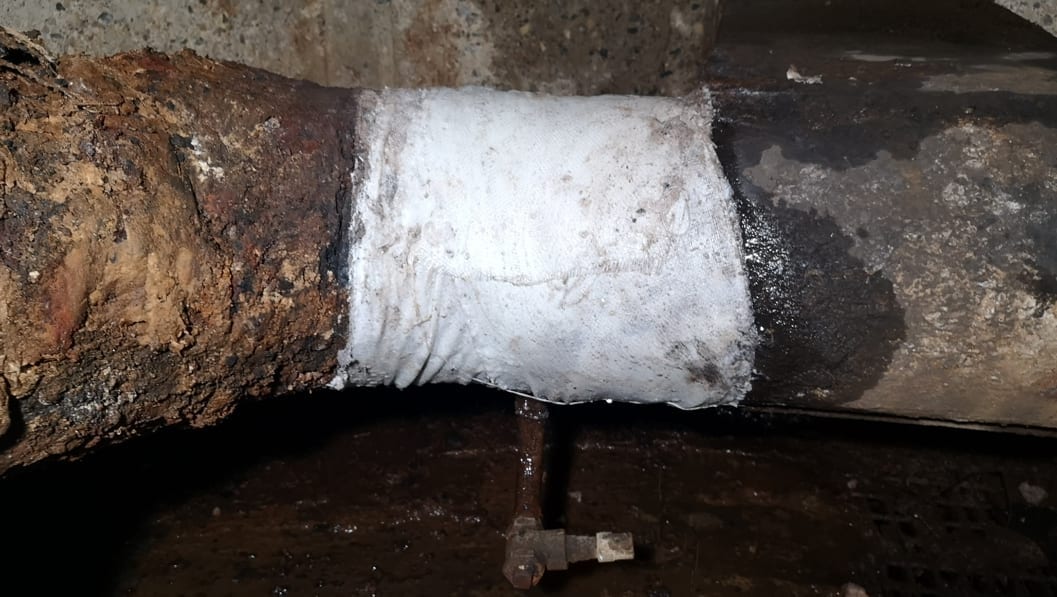
Due to the fact that manufacturers valued toughness and rust resistance, concrete pipelines and water lines installed from the 1930s through the 1980s often had asbestos fibers. You'll still find these products in many aging framework systems today. As these pipes wear away, corrosion effects can jeopardize their architectural honesty, boosting the threat of fiber launch during regular upkeep or unforeseen failures. Repair difficulties emerge because of the harmful nature of asbestos, needing specialized abatement treatments to ensure regulative compliance and employee safety. If you are accountable for maintaining or upgrading water circulation systems, it's imperative to determine asbestos-cement pipes and stick to stringent elimination procedures. Regulative agencies required details handling and disposal methods, reflecting evidence-based concerns regarding direct exposure threats connected to damaged or disturbed asbestos-containing materials in water lines.
You'll frequently discover asbestos in older pipe wraps and air duct insulation, where it was used for warmth resistance and fireproofing. When this insulation is disrupted or weakens, you go to danger of breathing in air-borne asbestos fibers, which are connected to serious health issues like mesothelioma and asbestosis. Recognizing where these materials exist is essential for managing exposure threats throughout upkeep or improvement.
Pipe covers and duct insulation-- important elements in both property and commercial construction-- have historically integrated asbestos for its warm resistance and sturdiness. If you're dealing with old restorations or participated in historical preservation, you'll likely come across asbestos-containing products (ACMs) in various types. It's vital to acknowledge these materials to effectively analyze prospective direct exposure risks. Common ACMs associated with pipe wraps and air duct insulation include:

Mindful identification is essential, as troubling these products during upkeep or demolition can release asbestos fibers.
Although asbestos insulation was as soon as valued for its fire resistant and shielding properties, direct exposure to disturbed pipeline wraps and duct insulation can position severe carcinogen. When you handle or refurbish older structures, these products may launch microscopic air-borne fibers. Breathing of asbestos fibers can bring about significant respiratory conditions, consisting of asbestosis, lung cancer cells, and mesothelioma. The risk enhances with repeated or prolonged exposure, as fibers can become lodged in your lung tissue and accumulate with time. https://westcombeparkasbestosremoval.co.uk/services/soft-strip-demolition.html It's vital to stay clear of disturbing insulation without appropriate precaution. If you think asbestos is present, do not attempt elimination yourself. Rather, consult specialists that use specialized control and filtering protocols. Longterm surveillance of air quality and your health is advised if you have actually been revealed to asbestos-containing insulation.
When warmth resistance and fireproofing were critical in family design, producers generally integrated asbestos right into range pads and fire place panels. You'll find that asbestos fibers given phenomenal thermal insulation, exceeding lots of options offered at the time. Prior to modern-day heat resistant pads made with ceramic fiber ended up being conventional, asbestos was the go-to product for these high-risk areas. If your home features older cooktop pads or fire place panels, there's a genuine opportunity they contain asbestos, presenting a danger if disrupted. Think about the following:
To ensure safe disposal of asbestos-containing materials, you'll need to stay clear of interrupting the product and use proper PPE, including a respirator. Do not try disposal on your own; rather, call a licensed transfer station or a licensed asbestos reduction professional. Proof shows inappropriate removal enhances air-borne fiber exposure threats. Constantly comply with local policies, as safe disposal procedures need securing products in leak-tight containers and labeling, after that delivering them to certified transfer centers for appropriate handling.
You may see symptoms such as relentless coughing, shortness of breath, chest pain, or wheezing, which can show lung scarring (asbestosis) as a result of asbestos direct exposure. Some individuals likewise develop clubbing of the fingers or unexplained fatigue. Proof reveals asbestos fibers can set off an autoimmune action, resulting in joint discomfort or skin modifications. Symptoms commonly develop years after direct exposure, so it's critical you seek clinical assessment if you're at danger.
About 39,000 people in the U.S. pass away annually from asbestos-related conditions, highlighting why precise discovery is vital. You'll discover that home packages offer comfort yet face significant accuracy constraints. Researches reveal that incorrect example collection or cross-contamination can cause false negatives or positives. While home packages might indicate possible asbestos presence, you shouldn't count solely on them-- expert lab evaluation continues to be the gold criterion for reliable and risk-free discovery.
You can legally get rid of asbestos products on your own in some territories, yet there are substantial lawful dangers and rigorous regulations pertaining to handling and disposal. Stopping working to conform might lead to penalties or criminal charges. In addition, DIY removal can void property owners' insurance coverage because of insurance policy effects if contamination happens. Evidence reveals incorrect removal increases carcinogen. It's objectively more secure and often lawfully called for to hire accredited asbestos reduction specialists for such tasks.
Envision you're looking for a blacksmith in cyberspace-- today, you 'd begin by performing licensed contractor testing by means of your state's asbestos program. Ensure prospects are accredited, with proven training and experience. Next, do a detailed service provider insurance policy verification to verify liability and employees' compensation protection. Cross-reference evaluations and request references for evidence-based guarantee. It's necessary you don't avoid regulative compliance checks, as only licensed professionals meet safety and security and lawful requirements for asbestos reduction.