


|
|
|
|
|
|
|
| Leach Oneil | profile | guestbook | all galleries | recent | tree view | thumbnails |
Asbestos is very harmful-- also short or low-level direct exposure can elevate your danger for lung cancer, asbestosis, and mesothelioma, with symptoms appearing years after call. The fibers are microscopic and can not be seen, once breathed in, they lodge in your lungs and cause long lasting harm. There's no secure direct exposure limitation, and kids or those with at risk lungs encounter even better danger. You'll find out what makes asbestos unsafe and exactly how to shield yourself if you continue.

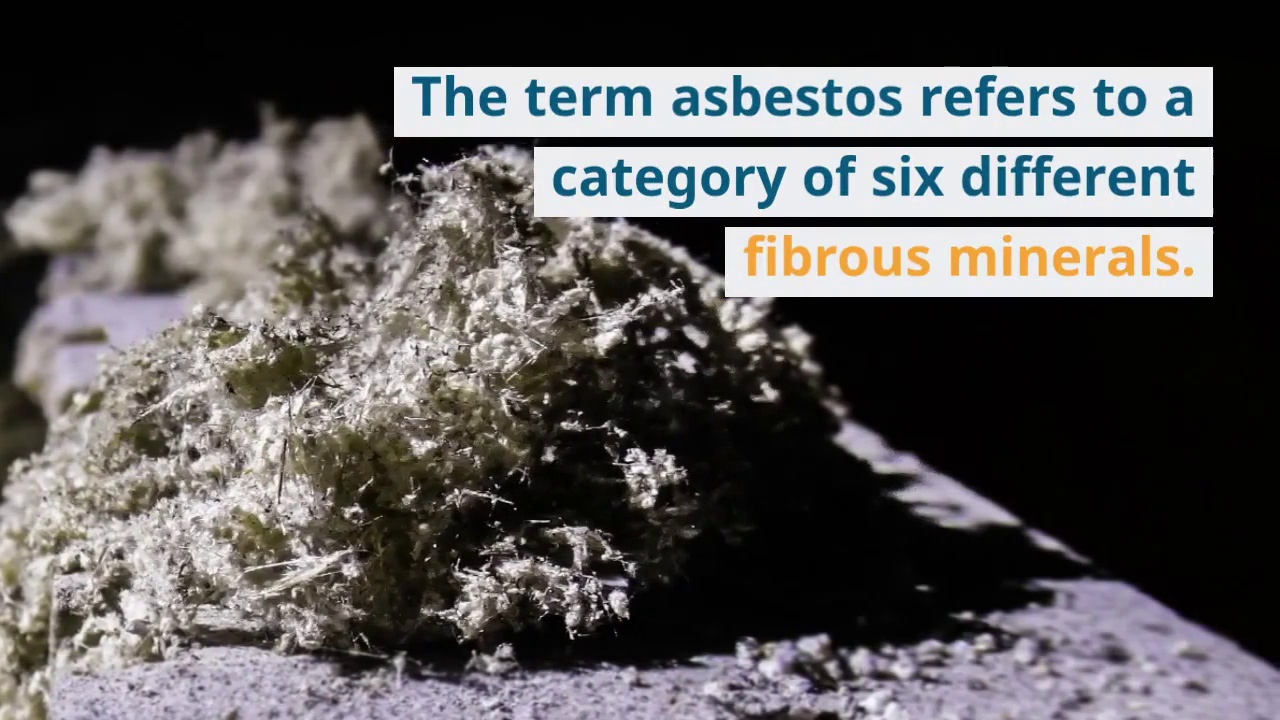
When you find the term "asbestos," you're taking care of a team of naturally happening minerals made up of slim, heat-resistant fibers. You'll locate that asbestos was highly valued for its toughness and resistance to warmth, electrical power, and chemical damages. Since of these residential properties, it ended up being a preferred selection for commercial insulation and fireproofing materials throughout the 20th century. Manufacturers utilized asbestos in items like pipe insulation, roof covering tiles, flooring ceramic tiles, and cement. Its efficiency in limiting fire spread and preserving structural stability under high temperatures resulted in extensive application, particularly in manufacturing facilities and older buildings. While these uses offered functional benefits, you must note that the same coarse features that made asbestos so functional also contribute to its health risks when interrupted or damaged.
Throughout improvement, demolition, or damage of products containing asbestos, microscopic fibers can end up being air-borne and easily inhaled. You're most at risk when asbestos-containing items are disturbed, especially without proper safety steps. Occupational contamination is usual in markets such as building and construction, shipbuilding, and manufacturing, where employees take care of or are near asbestos products. If you function in such environments, fibers can stick to apparel, skin, or hair, leading to indirect transfer-- bringing asbestos home and revealing member of the family. Even quick exposure in polluted areas is enough for fibers to enter your lungs. Asbestos isn't noticeable to the naked eye, so you will not know if you've inhaled it. Proper containment and safety tools are essential for reducing direct exposure and protecting against occupational contamination and indirect transfer.
When you're revealed to asbestos, you're dealing with considerable health risks that have actually been well documented in clinical research study. Even reduced levels of direct exposure can lead to significant conditions such as asbestosis, lung cancer, and mesothelioma cancer, frequently years after the preliminary get in touch with. It is essential to understand exactly how these lasting repercussions can influence your health and wellness with time.
Although asbestos was once valued for its durability and fire resistance, exposure to its microscopic fibers provides significant wellness risks. When you inhale asbestos fibers, they can end up being lodged in your lung cells. This activates your immune reaction, creating swelling and cellular damages gradually. Researchers have recognized asbestos biomarkers-- quantifiable compounds in your body that indicate direct exposure or early impacts-- which can help with early discovery and surveillance.
Below's a quick review of what happens when you're subjected:
| What Occurs | How It Influences You |
|---|---|
| Fiber Breathing | Activates immune feedback |
| Swelling | Lung and tissue damage |
| Biomarker Discovery | Early medical diagnosis possible |
Also at low degrees, asbestos exposure can substantially impact your breathing wellness, highlighting the requirement for vigilance and appropriate security steps.
Even years after preliminary direct exposure, asbestos fibers can trigger dynamic and typically irreparable damage within your body. You could not recognize the degree of damage till decades later, as symptoms frequently continue to be latent. Here's what you need to recognize regarding the lasting effects:
Recognizing these risks is vital for securing your health and wellness and lawful civil liberties.
Given that asbestos fibers are tiny and conveniently breathed in, direct exposure can cause a number of severe health and wellness problems. When these fibers enter your lungs, they cause cellular systems that trigger swelling, scarring, and genetic damages. In time, these adjustments can lead to serious illness, which have actually driven considerable asbestos litigation worldwide. https://finchleycentralasbestosremoval.co.uk/services/soft-strip-demolition.html The table below outlines significant health problems connected to asbestos exposure:
| Condition | Signs | Latency Period |
|---|---|---|
| Asbestosis | Shortness of breath, cough | 10-- 40 years |
| Mesothelioma | Chest discomfort, weight management | 20-- 50 years |
| Lung Cancer | Coughing, upper body pain | 10-- three decades |
| Pleural Enlarging | Chest pain, reduced lung feature | 15-- 35 years |
Recognizing these dangers is important, as several asbestos-related illnesses just create years after direct exposure.
While there's no globally agreed-upon risk-free level of asbestos exposure, research study reveals that even quick or low-level get in touch with can boost your threat of disease. The risk depends on the microscopic fibers you might inhale, which can end up being lodged in your lungs. Scientific research studies show that the risk intensifies based on the amount and duration of direct exposure, but the complying with aspects are important:
Understanding these points aids you appreciate why rigorous precautions are advised around asbestos.
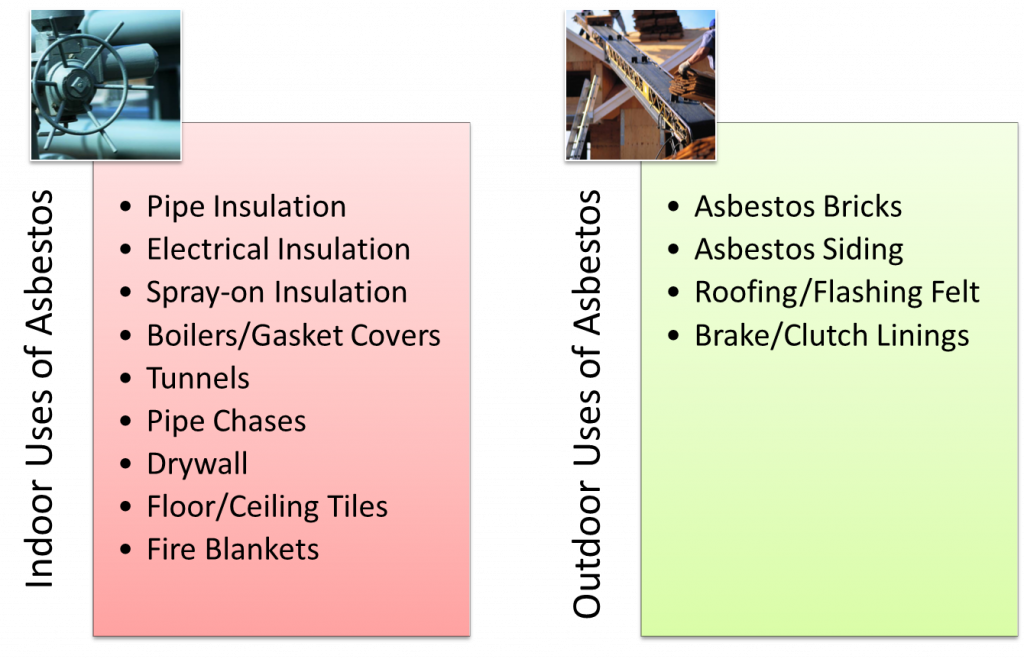
Because asbestos exposure lugs health and wellness dangers despite the amount, it is very important to understand where you could encounter it in your house. If your home was built before the 1980s, there's a greater chance asbestos-containing materials were utilized during building and construction. Usual areas consist of attic insulation, specifically the type understood as vermiculite, which typically contained asbestos fibers. You may also locate asbestos in older home window caulking, as it was included for resilience and fire resistance. Various other areas can include pipe insulation, floor tiles, roof products, and distinctive wall surface or ceiling coverings. Asbestos was valued for its warmth resistance and strength, so it was widely used in structure products. If these materials are disturbed, microscopic asbestos fibers can come to be air-borne, boosting prospective exposure dangers.
You'll discover that asbestos direct exposure postures the best danger to those functioning in construction, shipbuilding, and comparable sectors. Youngsters and older grownups are additionally extra at risk to its damaging results because of their creating or deteriorated respiratory system systems. Even if you do not function straight with asbestos, living near polluted sites can increase your risk through ecological direct exposure.
Enter lots of work sites developed before the late 20th century and you'll find asbestos lurking in wall surfaces, insulation, and equipment. If you operate in building and construction, shipbuilding, or demolition, your risk of exposure increases significantly. Asbestos fibers end up being airborne during restorations or fixings, making inhalation a real concern. To minimize wellness risks, you need to prioritize office monitoring and constantly make use of proper safety tools. Here's what you should find out about job-related direct exposure:
Although asbestos direct exposure poses wellness risks to anyone, certain age teams are even more vulnerable to its dangerous impacts. If you're caring for infants or teens, recognizing their distinct susceptabilities is essential. Infants have establishing breathing systems, making infant susceptability to airborne asbestos fibers particularly worrying; even low-level direct exposure can create lasting health and wellness problems. Adolescents, on the other hand, are more energetic and might disturb asbestos-containing products, resulting in heightened adolescent sensitivity and danger of breathing. Grownups aren't immune, however age-specific aspects modify danger levels. https://finchleycentralasbestosremoval.co.uk/services/refurbishment-demolition-survey.html Below's a relative overview:
| Age Team | Sensitivity Factor | Threat Level |
|---|---|---|
| Infants | Immature lung growth | Extremely High |
| Teens | Raised activity/exposure | High |
| Grownups | Work-related direct exposure | Modest |
Throughout a range of settings, asbestos contamination presents major carcinogen, especially in areas where asbestos-containing materials have actually deteriorated or been disrupted. You need to recognize that the danger isn't limited to employees or constructing owners-- whole communities and environments can be impacted. Deprived populaces typically deal with disproportionate direct exposure, elevating concerns about environmental justice. Wild animals influence is one more vital concern, as asbestos fibers can pollute dirt and water, endangering animal wellness.
Below's who's most in jeopardy from ecological asbestos threats:
Acknowledging these threats is important for comprehensive prevention methods.
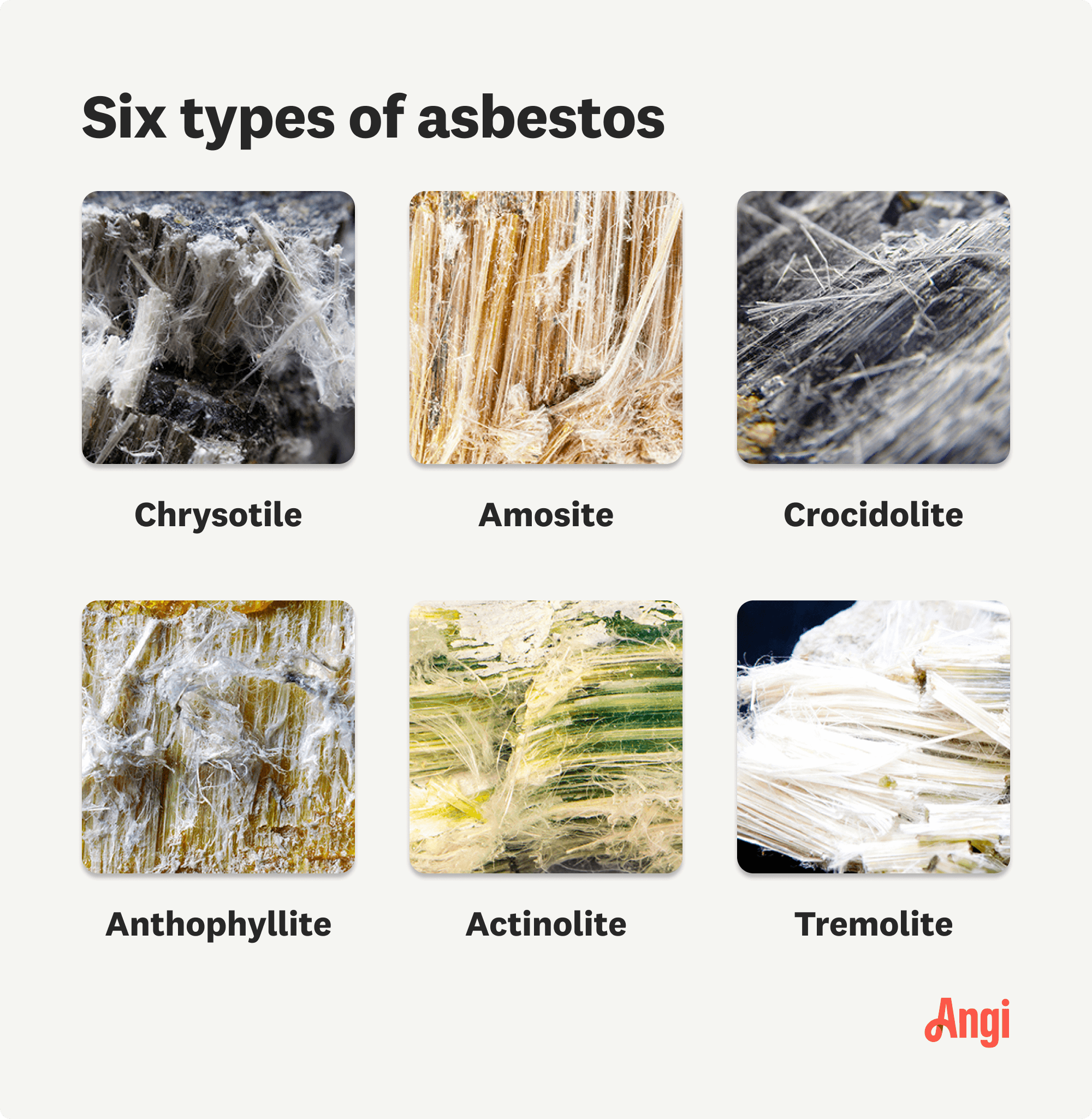
Asbestos category plays a crucial function in comprehending health and wellness dangers, as not all kinds of asbestos fibers pose the exact same level of danger. You'll discover that the major types-- chrysotile (white), amosite (brownish), and crocidolite (blue)-- vary in fiber size and mineral composition, which straight impacts just how hazardous they are. Crocidolite's slim, needle-like fibers are particularly worrying since they're conveniently inhaled and resist the body's attempts to damage them down. Amosite additionally has straight, weak fibers, making it highly unsafe. Chrysotile fibers are more curly and versatile, normally thought about much less poisonous, however still unsafe with extended exposure.
| Asbestos Kind | Key Threat Factors |
|---|---|
| Chrysotile | Curly fibers, less poisonous |
| Amosite | Weak, straight fibers |
| Crocidolite | Thin, needle-like fibers |
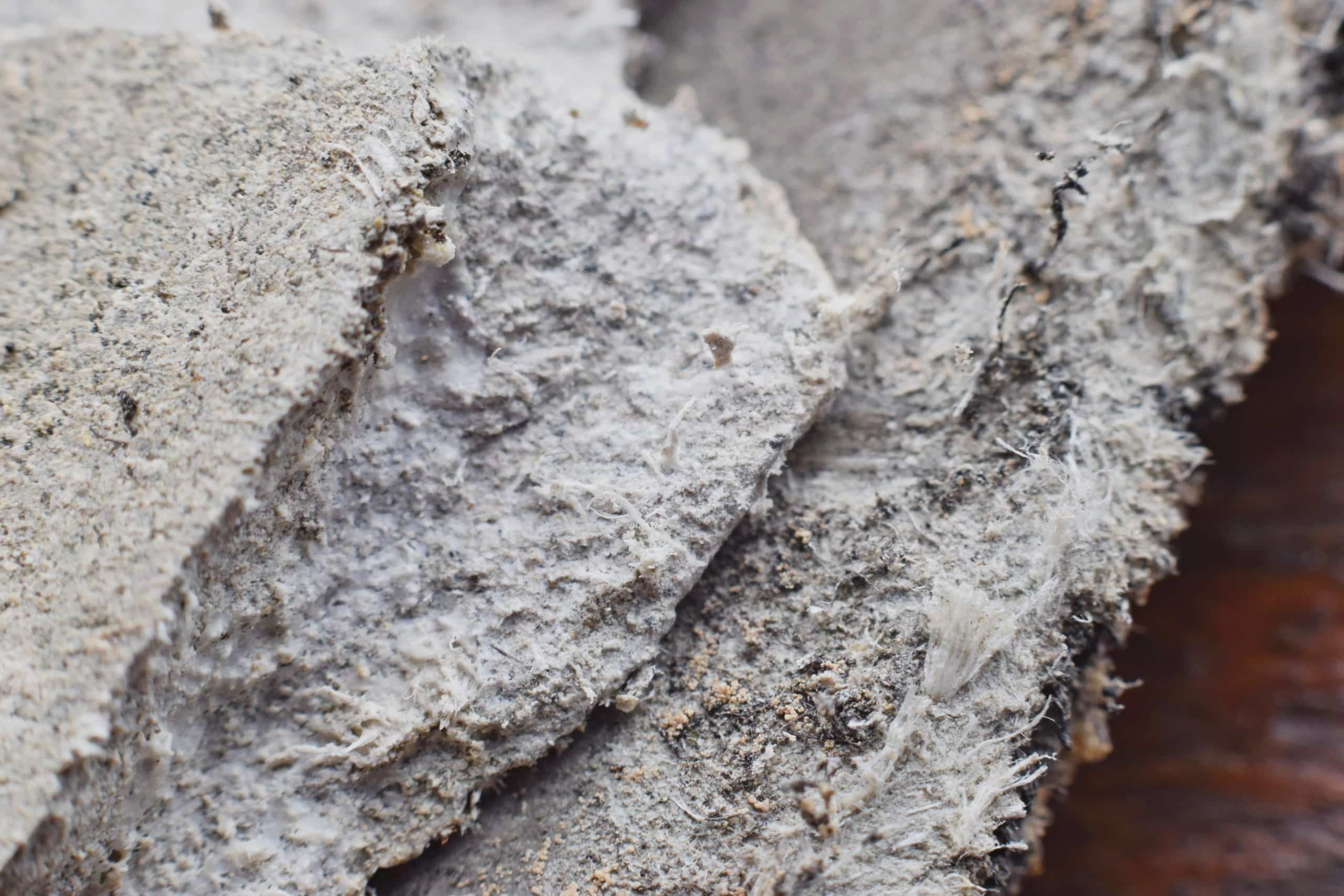
When you're trying to recognize asbestos in your house, aesthetic examination alone often isn't sufficient, since asbestos fibers are microscopic and commonly combined with other materials. Still, there are specific hints you can search for to evaluate threat locations. Asbestos was widely utilized in structure products till the 1980s, so older homes-- specifically those with outdated insulation or materials around mold hotspots-- are more most likely to have it. To boost your assessment, take into consideration these elements:
Constantly bear in mind, only correct testing validates asbestos.
If you come across materials you suspect contain asbestos, it's crucial not to disturb them. Asbestos fibers are harmful when airborne, so avoid touching, boring, or reducing the product. Instead, follow an emergency situation protocol: limit access to the location and inform others concerning the possible danger. Do not try to tidy up or evaluate the product yourself.
| Activity | Reason |
|---|---|
| Do not disturb | Avoids fiber launch |
| Restrict access | Limitations direct exposure to owners |
| Inform experts | Guarantees proper assessment/removal |
Call a qualified asbestos expert for an official analysis. Just qualified experts can identify the risk and advise risk-free, evidence-based solutions-- consisting of professional elimination if needed. Taking these actions shields your health and follow legal safety and security requirements. Constantly prioritize safety and security and avoid unnecessary exposure.
After discovering possible asbestos in your house, you could wonder whether managing its removal on your very own is a safe or cost-effective choice. Nevertheless, do it yourself threats and removal misconceptions can put your health and wellness at serious risk. Asbestos fibers are tiny and conveniently airborne; disturbing materials without appropriate containment and tools subjects you and others to potential lung conditions such as asbestosis and mesothelioma cancer. It's essential not to ignore the risks based on usual misconceptions. Consider these realities:
The evidence is clear-- elimination is best entrusted to accredited professionals.
Although asbestos was as soon as a typical structure material, strict regulations currently regulate its usage and administration to shield public wellness. Today, you're protected by detailed guidelines that prohibit or badly restrict asbestos in the majority of brand-new items and need rigorous handling procedures during remodellings or demolitions. Governing updates remain to deal with arising dangers, tightening requirements as clinical understanding progresses. For instance, the EPA and OSHA frequently testimonial and change rules to close technicalities and ensure more secure settings.
Enforcement patterns reveal increased assessments, substantial fines for infractions, and necessary training for specialists managing asbestos-containing products. These measures mean you're much less likely to experience harmful exposure. By staying up to date with regulative updates and complying with official guidelines, you can trust that legal defenses noticeably minimize your danger of asbestos-related damage.
Yes, animals can be affected by asbestos exposure-- studies show that pets living in infected homes have up to a 10-fold raised risk of developing asbestos-related illness compared to those in clean settings. When pet dogs exposure occurs, small asbestos fibers can lodge in their lungs, resulting in respiratory concerns and cancer cells. Protecting animal health needs making certain pet dogs do not access locations with damaged insulation, old building materials, or particles having asbestos fibers.
Yes, asbestos can materially influence your interior air high quality long-lasting. If materials having asbestos are disrupted, they release long-term air-borne fibers that continue in the setting. Persistent inhalation of these fibers boosts your danger of major wellness problems, such as asbestosis, lung cancer, and mesothelioma. Even low-level, ongoing direct exposure can be harmful, so it's important you deal with any kind of suspected asbestos-containing materials via specialist evaluation and removal to preserve risk-free air quality.
Yes, you may find asbestos existing in alcohol consumption pipes, especially in older structures where asbestos-cement pipes were typically used. Gradually, pipeline rust or physical disturbances can release asbestos fibers into the water. Research studies reveal that asbestos pipes can add to trace quantities of fibers in alcohol consumption water, but existing evidence suggests ingestion poses a noticeably lower health danger than inhalation. Still, monitoring and changing aging infrastructure is suggested.
Yes, asbestos contamination can influence dirt or yards, especially if products containing asbestos have actually degraded close by. When you take part in asbestos gardening or disrupt polluted soil, asbestos fibers can become air-borne, posturing inhalation threats. Studies reveal dirt contamination typically happens near demolition sites, old buildings, or where asbestos waste was dumped. You shouldn't disturb potentially contaminated dirt; professional assessment and removal are suggested to guarantee your garden stays risk-free for usage.
If you're wishing for a miracle drug like King Midas' touch, you'll discover there's no method to absolutely reduce the effects of asbestos naturally. Nevertheless, you can reduce its risk using natural binders-- materials like clay. Clay encapsulation includes surrounding asbestos fibers with clay bits, limiting their launch into the air. While it doesn't damage the fibers, this method can assist manage contaminated dirt, though professional remediation is still the safest and most reliable strategy.