


|
|
|
|
|
|
|
| Ware Bager | profile | guestbook | all galleries | recent | tree view | thumbnails |
When you damp asbestos before and during removal, you bind the tiny fibers with each other, making them much heavier and much less most likely to come to be airborne. This minimizes the danger you'll inhale unsafe particles that can cause serious respiratory conditions. Wetting likewise suppresses dirt at the resource, lowering contamination of surrounding surface areas. Governing standards require this approach for much better safety and compliance. There are added security approaches and legal information you ought to know concerning for complete defense.
When asbestos materials are disturbed, they frequently launch microscopic fibers right into the air, which can be inhaled and trigger significant health issues. You require to understand that wetting asbestos is a crucial step in asbestos suppression. By adding water or an authorized wetting agent, you're enhancing wetness control, which helps protect against fibers from becoming air-borne. Wetness binds the asbestos fibers, making them heavier and much less most likely to disperse throughout removal activities. Evidence reveals that efficient wetness control noticeably minimizes air-borne concentrations of asbestos, therefore decreasing your risk of inhalation exposure. Regulative guidelines consistently advise damp approaches for asbestos reductions, highlighting their performance. If you skip this step, fibers can run away conveniently, so proper wetting is necessary for risk-free handling and compliance with safety and security standards.
When you take care of asbestos in its dry state, there's a much greater possibility of fibers coming to be air-borne. This significantly boosts your risk of inhalation, which is linked to severe respiratory system diseases. You should likewise recognize that completely dry asbestos can contaminate surrounding surface areas, making cleaning and containment a lot more challenging.
Although asbestos is most unsafe when its fibers end up being airborne, handling or disturbing completely dry asbestos-containing products considerably raises this risk. When you damage, cut, or move dry asbestos, tiny fibers are launched right into the surrounding air, making them far more likely to spread throughout the atmosphere. Researches utilizing airflow surveillance reveal that activities with completely dry asbestos can rapidly raise airborne fiber focus, despite having very little disruption. Individual sampling conducted throughout completely dry asbestos taking care of consistently records greater fiber levels contrasted to damp approaches. Without appropriate controls, fibers can stay suspended for prolonged periods, increasing the likelihood of contamination past the prompt job area. That's why stringent protocols suggest keeping asbestos-containing products wet-- completely dry dealing with makes it a lot harder to manage fiber release, as scientific tracking plainly shows.
Raised air-borne asbestos fibers, as seen throughout dry handling, straight equate to a better threat of breathing for anyone nearby. When you disrupt asbestos without wetting it, fibers become suspended airborne, boosting the chance that you'll inhale them. Breathed in asbestos is connected to diseases like asbestosis, lung cancer, and mesothelioma. Despite protective tools, proper breathing fit screening is important to make sure your mask forms an appropriate seal. Work-related monitoring becomes crucial to track fiber focus in the workspace.
| Danger Element | Dry Asbestos Handling | Best Technique |
|---|---|---|
| Airborne Fibers | High | Decrease using wetting |
| Inhalation Risk | Boosted | Usage breathing protection |
| Monitoring Required | Important | Work surveillance |
You can't underestimate the breathing hazard of taking care of asbestos completely dry.
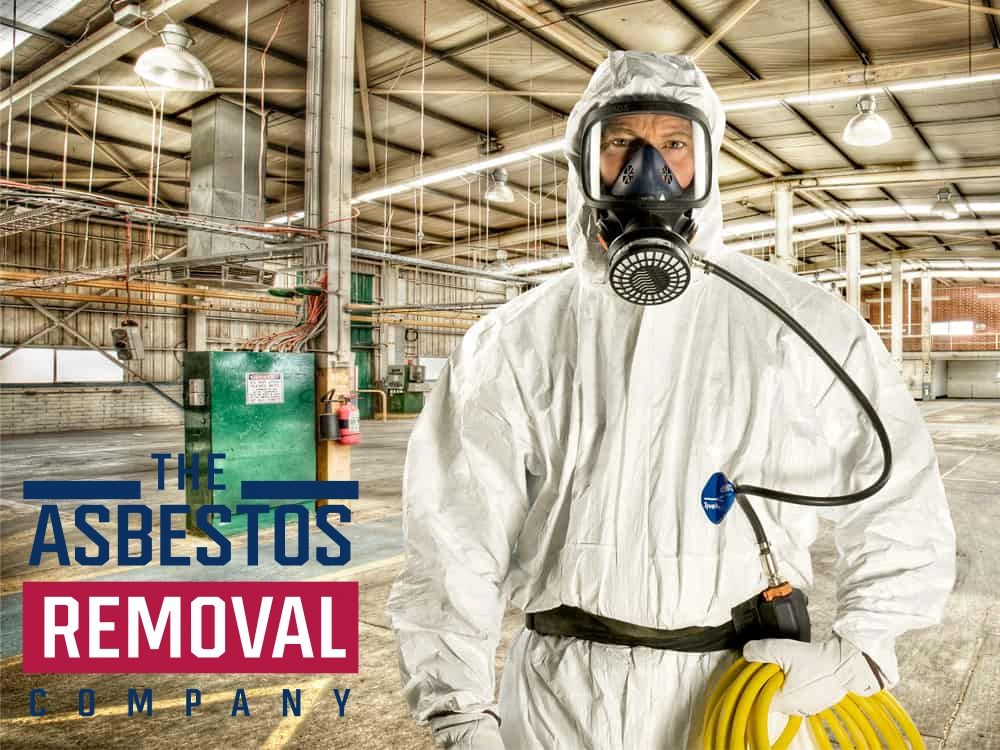
Surface area contamination offers a significant threat during completely dry asbestos dealing with, as fibers quickly work out onto floors, tools, clothes, and various other neighboring surfaces. When you disturb completely dry asbestos, microscopic fibers can end up being airborne and later down payment throughout the workspace. These fibers aren't constantly visible, so you can accidentally spread out contamination by touching surface areas or moving tools. Surface testing is vital to find asbestos deposits and verify cleaning efficiency. Without proper controls, fibers on surface areas can be re-released right into the air throughout subsequent tasks. Complying with a strict handwear cover procedure aids to lessen direct hand call and fiber transfer, decreasing second contamination. If you disregard these measures, you enhance the risk of exposing yourself and others to hazardous fibers long after the preliminary disruption has taken place.
When you disrupt asbestos-containing products, tiny fibers are launched into the air. These air-borne fibers can stay put on hold for lengthy periods, boosting the likelihood of breathing. Proof shows that breathing in asbestos fibers postures significant health risks, consisting of lung illness and cancer cells.
Although asbestos-containing materials could appear stable, any physical disturbance-- such as reducing, breaking, or boring-- can launch microscopic asbestos fibers right into the air. When you manage or eliminate asbestos without appropriate precautions, these fibers come to be airborne and can spread throughout the instant atmosphere. The procedure is not always visible to the nude eye, which makes it especially dangerous. To evaluate the launch of fibers, asbestos fiber counting is conducted making use of specialized microscopy strategies. Individual air surveillance is also crucial; it measures the concentration of airborne fibers in your breathing area throughout elimination activities. These approaches offer unbiased information, making sure conformity with safety and security regulations and helping you assess exposure degrees. Disturbance is the key system that changes asbestos from a solid material right into an unsafe airborne contaminant.
Due to the fact that asbestos fibers are incredibly little and light-weight, they're conveniently distributed into the air throughout material disruption. When you interrupt asbestos-containing materials-- by cutting, damaging, or removing them-- fiber heap is minimal, so private fibers stay put on hold because of their reduced mass. Understanding aerosol characteristics is essential, as these fibers can remain airborne for hours, raising your breathing risk. As soon as inhaled, asbestos fibers bypass your respiratory system defenses and lodge deep in the lungs, which can cause severe wellness results.
Trick factors influencing airborne spread consist of:
Acknowledging these risks supports embracing damp approaches for more secure asbestos handling.
Provided the tiny size of asbestos fibers, it's very easy for them to end up being air-borne and inhaled throughout elimination tasks. When you inhale these fibers, they can lodge deep within your lungs, causing serious illnesses such as asbestosis, lung cancer, and mesothelioma. Many asbestos misconceptions suggest that just extended direct exposure threatens; nonetheless, even short-term or low-level exposure can raise your health risks. Scientific research studies continually show there's no safe degree of inhalation. The latency duration-- sometimes decades-- suggests symptoms may not show up up until long after exposure. That's why exposure prevention is critical whenever asbestos-containing materials are disrupted. Making use of accurate info, not myths, assists you make safer decisions and reduces the probability of developing asbestos-related condition.
To decrease air-borne fibers, you'll require to choose the appropriate wetting agents and apply them making use of shown approaches. It is necessary to understand exactly how to use the devices to make sure that all asbestos products are totally saturated. This section lays out evidence-based actions for risk-free and efficient moistening throughout elimination.
Picking the ideal wetting agent is vital for reducing airborne asbestos fibers during removal. https://whitechapelasbestosremoval.co.uk/services/artex-removal.html You'll need a solution that successfully permeates asbestos-containing materials to stop dust release. Surfactant selection is important, as surfactants decrease water's surface area stress, enabling it to take in deeply. When assessing wetting representatives, constantly consider ecological impact and employee safety. Many experts now select biodegradable ingredients, which break down harmlessly post-use and lower environmental threats. To direct your choice, look for agents that satisfy these requirements:
When preparing to wet asbestos materials, you'll need to follow a meticulously organized procedure to take full advantage of fiber suppression and guarantee employee security. Begin by selecting low-pressure, fine-mist sprayers, as these maximize moisture dynamics and minimize fiber launch. Constantly apply water before disturbing the product; application timing is crucial-- pre-wetting assures fibers remain bound throughout handling. Maintain a constant spray, moving systematically to cover all exposed surfaces. Stay clear of over-saturation, which can cause run-off and insufficient fiber capturing. https://whitechapelasbestosremoval.co.uk/services/garage-shed-roof-removal.html
| Action | Purpose | Evidence-Based Idea |
|---|---|---|
| Establish equipment | Prepare risk-free application | Usage HEPA-filtered respirators |
| Haze surface | Preliminary wetting | Apply from a risk-free range |
| Repeat as required | Improve wetness dynamics | Reapply if areas dry out |
| Screen problems | Adjust application timing | Inspect for noticeable wetness |
Attaining complete saturation means you're guaranteeing every asbestos fiber is effectively wetted, noticeably limiting airborne release during elimination. It's essential to apply water equally and constantly up until the product is visibly saturated yet not trickling exceedingly. To verify you have actually achieved correct saturation, conduct moisture verification and saturation testing at several points throughout the material. This step avoids dry places, which can posture dangers. Usage devices like wetness meters for objective dimension rather than relying upon appearance alone.
This methodical strategy optimizes safety and security by decreasing fiber launch.
Successfully moistening asbestos materials requires the best tools to ensure fibers stay included during removal. You must utilize a low-pressure yard sprayer or a commercial-grade pump sprayer, as these provide a fine mist that completely saturates asbestos without interrupting it. Avoid high-pressure devices, which can aerosolize fibers. It's also essential to select wetting representatives-- such as modified water with surfactants-- to increase infiltration and reduce water runoff. While using water, ensure control obstacles are in place to limit fiber movement and usage correct respirator selection to shield on your own from any type of residual airborne fragments. By choosing the proper devices and approaches, you'll decrease the threat of fiber launch, enhance safety and security, and adhere to regulatory guidelines throughout the asbestos elimination procedure.
Even with cautious wetting and the right devices, asbestos fibers may still end up being airborne during removal. That's why you shouldn't depend only on wetting to control direct exposure threats. To additionally minimize dangers, you need to execute additional safety steps. These steps not only secure your wellness yet can also boost individual comfort and ensure you're prepared for any unforeseen scenario. Proof shows that a thorough approach is crucial.
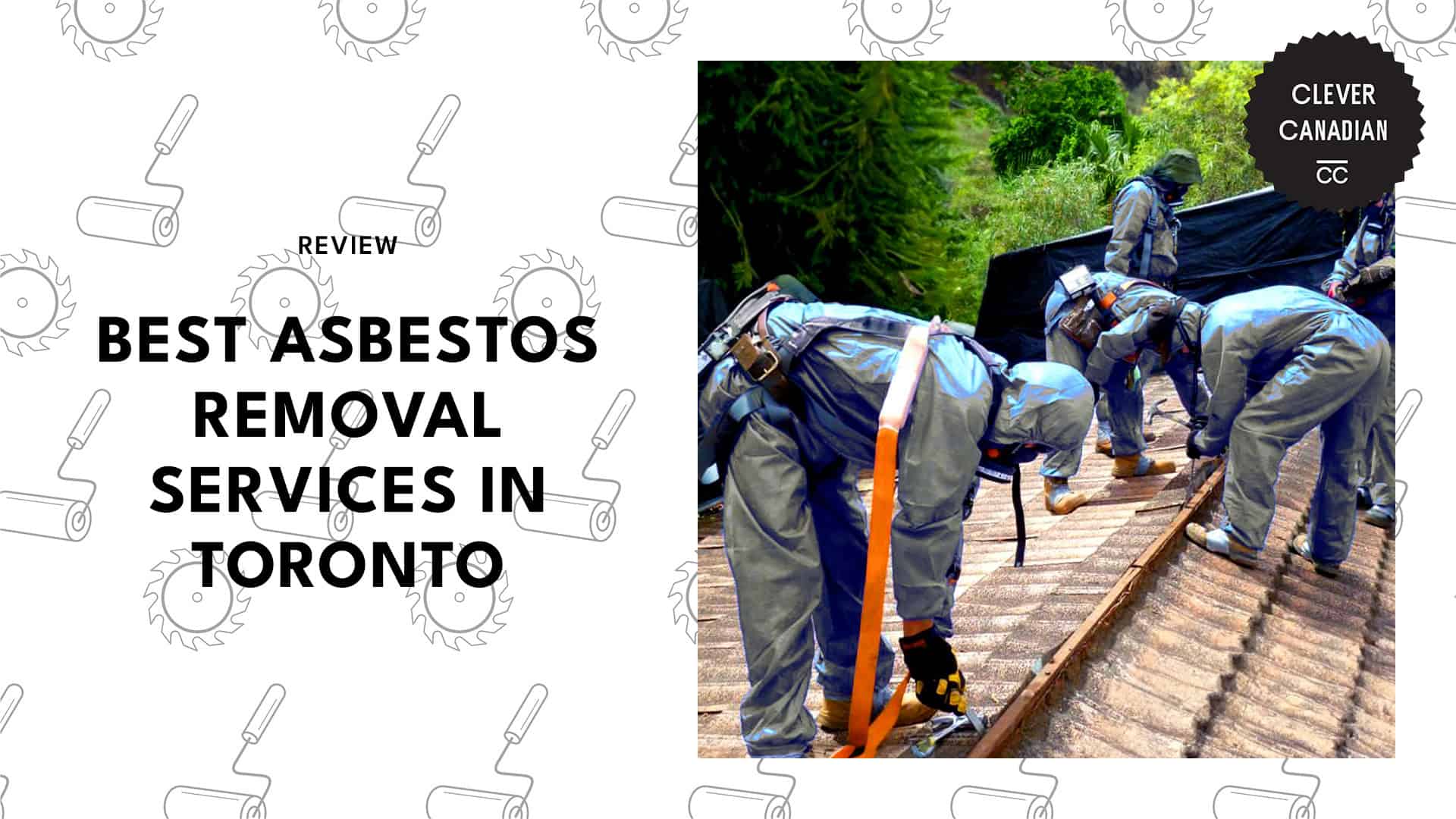
By using water or a wetting agent straight to asbestos-containing products, you significantly minimize the likelihood of hazardous fibers coming to be air-borne throughout elimination. This straightforward approach is essential for worker security, as airborne asbestos fibers posture substantial wellness risks when inhaled. When asbestos is wet, fibers are most likely to glob together and continue to be trapped within the material, minimizing the chances of inhalation. You'll locate that wetting is an evidence-based control method advised by governing companies for direct exposure decrease. By reducing dirt at the resource, you're straight reducing your danger of call with dangerous fibers. Even if individual safety equipment is in use, moistening acts as an extra obstacle, ensuring a safer working setting and aiding you abide by work-related safety criteria during asbestos removal.
While wetting asbestos plays a vital duty in shielding workers, it also substantially decreases the risk of polluting the bordering atmosphere. When you wet asbestos materials previously and throughout removal, you limit the launch of harmful fibers right into the air, achieving much better air-borne control. This action is important not just for employee security yet also for avoiding fibers from resolving on close-by surfaces, dirt, or water resources. Environmental tracking continually demonstrates considerably lower degrees of asbestos fibers when correct moistening treatments are utilized. Here's just how wetting asbestos helps avoid ecological contamination:
Although wetting asbestos is an uncomplicated process, a number of typical blunders can compromise its efficiency and boost danger. One constant mistake is using inaccurate PPE; you have to constantly put on licensed respirators, non reusable coveralls, gloves, and eye security-- even when moistening, because fibers can still come to be air-borne. One more issue is overwatering products. Excess moisture can cause asbestos waste to end up being hefty and hard to handle, boosting the threat of spillage or spreading out contamination when relocating debris. Inadequate wetting is also problematic, as completely dry patches permit fibers to escape. https://whitechapelasbestosremoval.co.uk To stay clear of these errors, follow regulatory standards for PPE and use a fine haze to make sure products are thoroughly wet but not filled. On a regular basis examine your safety equipment and monitor moisture levels for risk-free, certified asbestos removal.
Often, moistening asbestos attracts attention as a main control measure during elimination, however it is essential to identify exactly how it compares to various other security approaches. Wetting aids decrease fiber release, yet you should not watch it as a standalone option. There are relentless wetting misconceptions, such as the belief that water alone assurances security. Actually, a complete strategy decreases danger most efficiently. Right here's exactly how moistening compares to other techniques:
Incorporating these measures provides ideal safety and security.
Beyond contrasting wetting to various other safety approaches, it is very important to comprehend that regulatory criteria particularly mandate wetting asbestos during elimination. If you're entailed in asbestos reduction, you must comply with government, state, and regional regulations, such as OSHA's 29 CFR 1926.1101 and the EPA's NESHAP requirements, which require asbestos-containing materials to be properly moistened in the past and during disruption. Failing to fulfill these requirements can cause substantial legal fines, including fines and project closures. Conformity timelines are purely implemented; you're expected to execute wetting protocols prior to removal starts and preserve them throughout the procedure. Inspectors may validate that all treatments were adhered to. By guaranteeing compliance, you'll safeguard workers and the general public, and prevent the pricey effects of regulative violations or postponed project timelines.
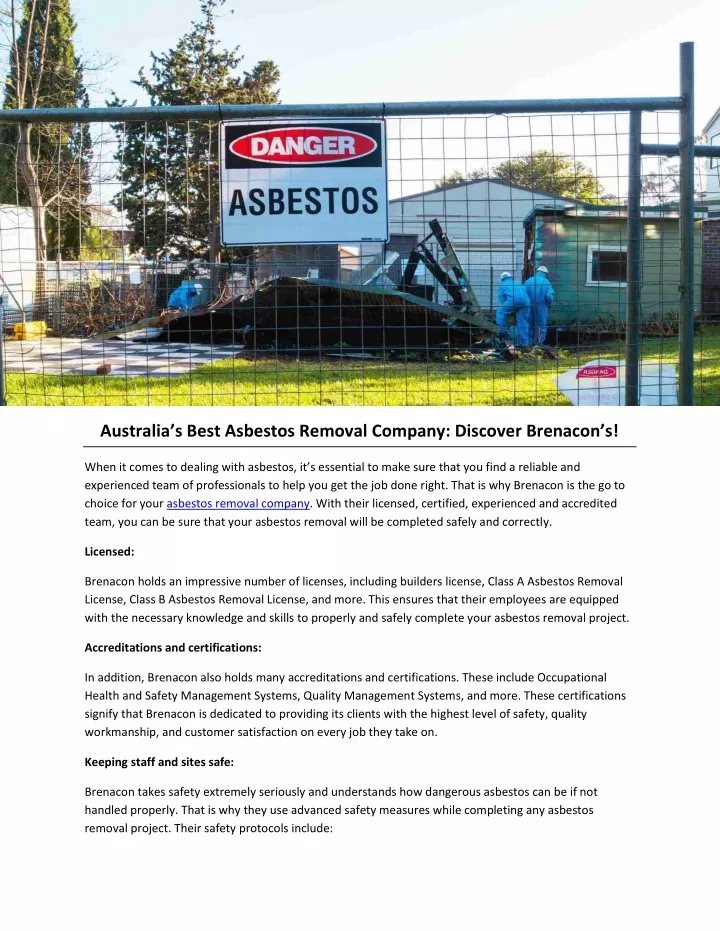
Yes, when you wet asbestos, you might risk harmful bordering building products. Wetness can create surface area staining, specifically on permeable materials like drywall or timber. It can likewise add to material deterioration if metals are exposed to water in time. While wetting helps manage asbestos fibers, you'll wish to keep track of for these concerns. Making use of regulated quantities of water and protecting vulnerable surface areas can decrease the potential for surface area discoloration and material corrosion.
As the saying goes, "an ounce of avoidance is worth an extra pound of treatment." Wetting asbestos doesn't modify its classification as contaminated materials, but it can streamline disposal logistics by minimizing airborne fibers throughout handling. Legitimately, you're still needed to adhere to stringent disposal methods, consisting of sealed, identified containers and disposal at accredited centers. Wet product might be larger and more challenging to deliver, but it doesn't excluded you from legal ramifications tied to asbestos disposal.
Wetting asbestos decreases airborne fibers, however it doesn't remove all dangers to pet exposure. If your animals exist throughout elimination, they can still be exposed to asbestos particles, which can hurt animal health equally as in human beings. Evidence reveals animals' respiratory system systems are vulnerable to asbestos. It's best to keep all pet dogs away from the affected location and assurance extensive clean-up prior to allowing them to return, lessening any type of prospective health effect.
Weather can noticeably affect exactly how well wetting asbestos works. If you're taking care of high wind rate, water beads-- and asbestos fibers-- can come to be air-borne, decreasing wetting's effectiveness. Temperature level adjustments also play a role; warm, dry problems can trigger water to vaporize promptly, making it more difficult to keep asbestos products damp. To maintain peak security, you'll require to keep an eye on both temperature and wind speed very closely and adjust your wetting technique as problems alter.
Yes, you can utilize eco-friendly wetting remedies when handling asbestos. Plant based surfactants and naturally degradable wetters are available, offering efficient dirt reductions while decreasing ecological effect. These choices damage surface area stress, permitting water to much better permeate asbestos fibers. Studies show plant derived agents perform equally to conventional surfactants, but constantly verify item safety and security and neighborhood policies prior to usage. You'll lower both airborne asbestos and environmental threats by picking these remedies.