


|
|
|
|
|
|
|
| Mortensen Haley | profile | guestbook | all galleries | recent | tree view | thumbnails |
If you're responsible for a non-domestic structure, you're legitimately needed to identify and manage asbestos threats, maintain current documents, and interact dangers to any person who might be exposed-- particularly workers and contractors. That implies carrying out proper studies, maintaining a clear management strategy, organizing regular inspections, and making certain personnel and contractors are trained. Failure to comply can cause prosecution, fines, or worse. Maintain going to uncover where asbestos hides and exactly how to get administration right.
When you're entrusted with managing properties, you require to get to grasps with the responsibility to handle asbestos-- a lawful demand targeted at minimizing health and wellness threats from asbestos-containing products (ACMs) in non-domestic structures. This responsibility implies you have actually obtained to recognize ACMs, analyze their problem, and implement a administration plan to stop asbestos exposure. You are accountable for protecting worker safety and upholding lessee civil liberties by making certain no one's needlessly exposed to asbestos fibers. Conformity includes maintaining exact records, connecting dangers to anyone who might interrupt ACMs, and taking timely activity if materials are harmed. Normal testimonials and updates of your management strategy keep your method effective. Fulfilling this task isn't optional; it's important for regulative compliance, risk mitigation, and securing everybody that enters your premises.
Although asbestos was outlawed in brand-new building and construction decades ago, it remains a substantial threat in many modern-day structures since thousands of frameworks still contain tradition asbestos-containing products (ACMs). If you take care of or inhabit a building built prior to the restriction, it's vital to realize that legacy building and construction elements-- such as insulation, floor ceramic tiles, or pipe lagging-- might still harbor ACMs. Also if these products are uninterrupted, routine upkeep or unexpected damages can release unsafe fibers. Additional exposure is likewise a problem; employees or occupants can inadvertently bring asbestos fibers home on garments or tools, putting others in jeopardy. Regulatory compliance calls for continuous alertness and aggressive risk mitigation. Determining, tracking, and handling ACMs are essential steps to safeguard both your structure's individuals and the wider community.
You need to recognize exactly that holds the lawful responsibility to manage asbestos within your facilities, as regulatory structures assign this responsibility clearly. In most cases, the responsibility might be shared, especially in multi-occupancy structures or scenarios including proprietors and renters. Recognizing all obligation holders is essential to ensure compliance and effective risk mitigation.
An organisation's legal obligations pertaining to asbestos administration autumn squarely on assigned "duty owners"-- people or entities identified under pertinent laws, such as the Control of Asbestos Regulations 2012 (VEHICLE 2012) in the UK. As a task owner, you must ensure compliance, specifically if you're a structure owner or have control over a building. Occupier obligation is central-- if you have a legal or lawful duty for a properties' maintenance or repair, you're most likely the task holder. It's essential that you:
Failing these tasks reveals your organisation to lawful, financial, and health and wellness consequences.
Complex residential property setups commonly mean asbestos monitoring responsibilities aren't constantly clear-cut. If you're a property owner or an occupant, it's essential to recognize where your responsibilities begin and finish. Typically, the responsibility to manage asbestos falls to whoever has control over the premises, which could be shared in between landlords and occupants relying on lease contracts. You need to review agreements very closely to determine renter responsibilities-- these might consist of reporting suspected asbestos or coordinating during surveys. Proactive area involvement is likewise essential, specifically in multi-tenant buildings. Clear interaction amongst stakeholders assures everyone understands their role in reducing asbestos threat. By adhering to regulatory compliance and finest methods, you'll sustain efficient threat reduction, stop lawful liabilities, and protect the health and wellness of all constructing residents.
You'll need to understand your legal obligations concerning asbestos security, as regulations established strict criteria for taking care of risks. Conformity isn't optional-- authorities need you to identify, assess, and control asbestos threats in your properties. Allow's clarify what the legislation demands and lay out the essential compliance requirements you must satisfy to avoid charges and protect health and wellness.
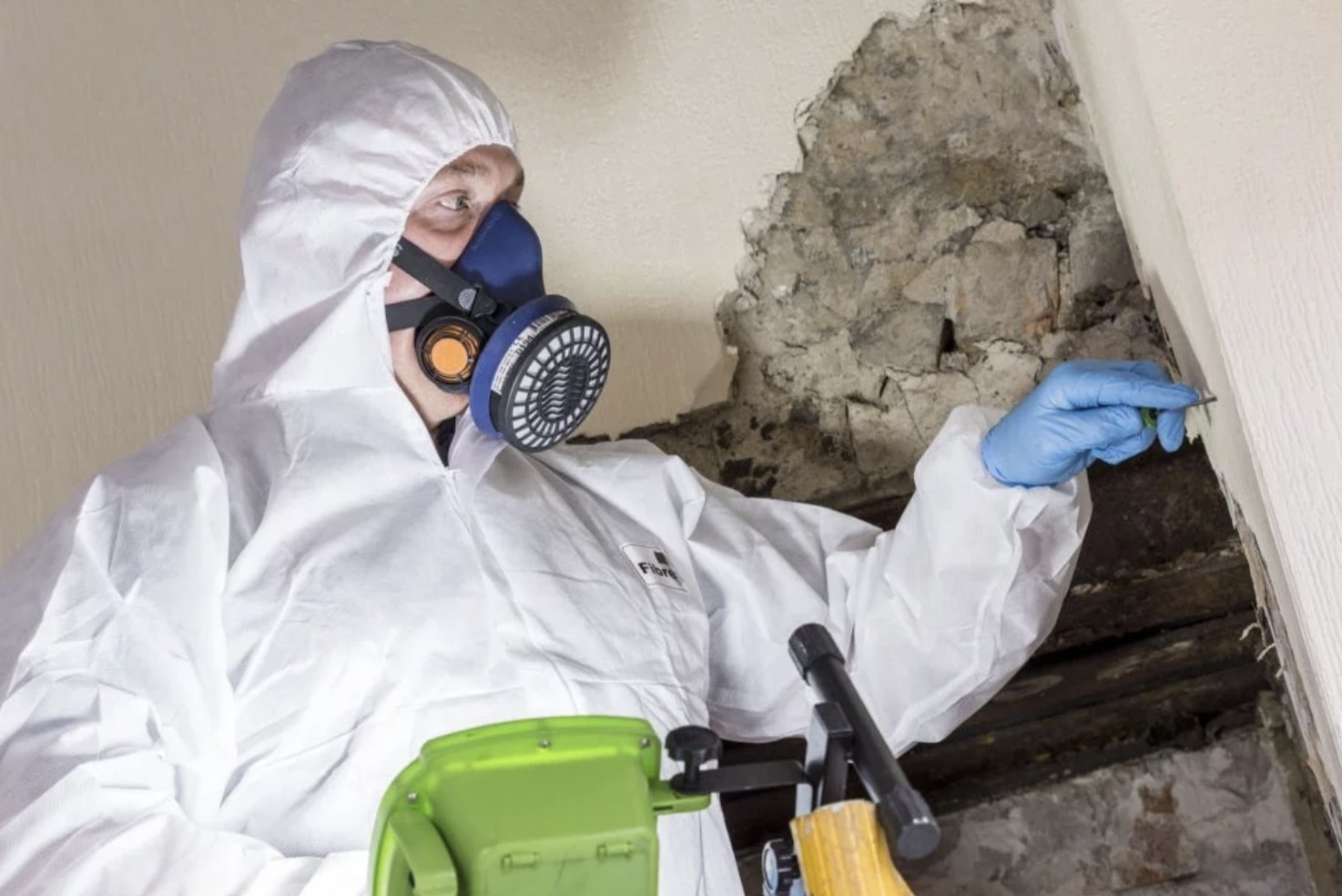
While policies controling asbestos might appear detailed, the law is clear: obligation holders have to recognize, assess, and handle asbestos risks in non-domestic premises to secure passengers and workers. You're lawfully obligated to support both inhabitant obligations and specialist liability-- definition you need to not just maintain your properties secure yet additionally ensure that professionals functioning on-site are protected from asbestos direct exposure. Failing to conform can result in prosecution, significant fines, and even imprisonment.
Here's what your lawful duties involve:
Although asbestos laws vary by territory, the core conformity requirements are consistent: you're anticipated to proactively determine, evaluate, and handle asbestos risks in your premises. To attain this, you have to conduct comprehensive asbestos bookkeeping to locate and document any kind of asbestos-containing materials (ACMs). Routine evaluations and risk evaluations are required to assure ongoing control and stop exposure. You ought to develop and maintain an asbestos management plan, detailing procedures for tracking, informing occupants, and responding to cases. Staying on par with governing updates is crucial, as laws and finest techniques progress-- failure to do so can cause considerable penalties. Educating your personnel and service providers on asbestos safety is additionally needed, reinforcing a society of compliance and threat mitigation throughout your operations.
Regularly, asbestos exists in a selection of structure products, especially in structures created or renovated prior to the late 1990s. As you examine your building for compliance, it's crucial to identify where asbestos-containing materials (ACMs) are probably to be discovered. Understanding these vital places will certainly aid you implement efficient risk reduction strategies and warranty regulatory adherence.
Right here's where you ought to pay close attention:
Organized recognition is essential for managing your duty sensibly.
To take care of asbestos threats successfully, you'll need to acknowledge common asbestos-containing materials and recognize their common locations. https://claptonasbestosremoval.co.uk/services/soft-strip-demolition.html While visual recognition techniques can aid you flag possible threats, you should not count on appearance alone-- expert testing methods are required for governing compliance and to guarantee security. Allow's check out exactly how you can come close to identification while reducing risk.
Recognizing asbestos-containing products (ACMs) in your facility is an important action in threat mitigation and regulatory compliance. You need to acknowledge where asbestos may exist to manage direct exposure efficiently and adhere to legal requirements. Typical ACMs are commonly discovered in older structures, especially those constructed prior to the 2000s. Recognizing these products helps you prioritize assessment and monitoring techniques.
Some of one of the most common asbestos-containing materials consist of:
Exact recognition is necessary for regulatory compliance and health risk reduction.
A careful eye is vital when reviewing building materials for possible asbestos web content. You'll need to focus on visual ideas that may indicate risk, such as color modifications-- many asbestos-containing products display a gray-white, blue, or brown shade that's distinct from regular building and construction products. Texture patterns also give essential info; asbestos insulation, as an example, often presents a coarse, fluffy, or harsh surface, while asbestos cement sheets may have a lumpy or corrugated look. Constantly avoid troubling materials throughout inspection, as launching fibers poses severe health threats and governing offenses. Rather, document your observations and flag any suspicious areas. By recognizing these aesthetic markers, you play an essential duty in compliance and danger mitigation, guaranteeing your website stays secure and lawfully safeguarded.
Rely on accredited research laboratory analysis when you require to validate the existence of asbestos in structure materials. Aesthetic checks alone aren't sufficient for conformity or safety. To lessen risk and fulfill governing criteria, you must always utilize specialist testing techniques. Air surveillance and laboratory evaluation are vital, especially if you presume asbestos-containing materials (ACMs) may be interrupted throughout maintenance or improvement. These services not just offer clinical precision yet also help you document your due diligence.
Below's how you can safely identify asbestos materials:
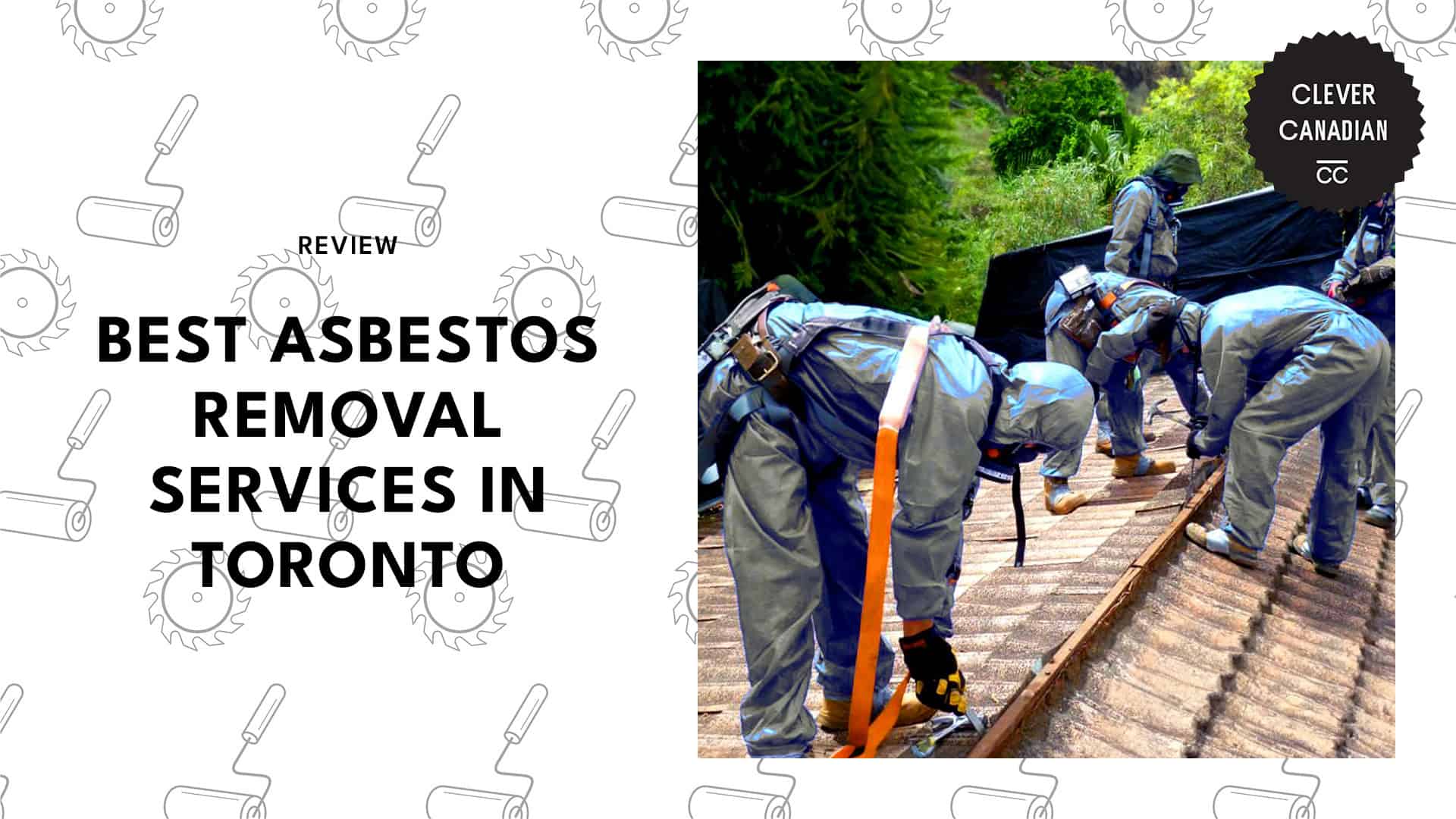
When you lay out to assess the threat of asbestos exposure, it's important to methodically examine all potential asbestos-containing products (ACMs) within the premises and consider exactly how, when, and by whom they might be disturbed. You'll need to recognize exposure paths-- just how fibers may come to be air-borne and get to occupants or employees. Integrate environmental tasting and organic surveillance to measure airborne fibers and evaluate internal exposure, specifically. Occupational surveillance helps assure continuous regulatory conformity and very early discovery of wellness dangers. Recording your findings, together with the frequency and kind of activities near ACMs, supports effective threat mitigation approaches.
| Approach | Objective |
|---|---|
| Environmental Sampling | Measures air-borne asbestos |
| Biological Tracking | Spots interior exposure |
| Occupational Monitoring | Tracks labor force health |
This structured method lessens liability and protects health.
It's essential to bring in a specialist asbestos land surveyor as soon as you experience materials that are believed to contain asbestos and lack clear paperwork or identifying validating their status. You shouldn't count on aesthetic examination or assumptions, as asbestos-containing materials can position significant health threats if disrupted. By engaging a certified property surveyor, you make specific conformity with regulative standards and boost your center's asbestos recognition, important for both regular monitoring and emergency situation feedback planning.
Take into consideration calling a professional asbestos land surveyor if:
Performing promptly secures wellness, sustains lawful conformity, and minimizes prospective obligations.
Developing a durable asbestos monitoring plan requires an organized approach grounded in regulatory conformity and danger reduction. You must make sure that all asbestos documentation is existing, available, and comprehensively information the area, condition, and type of asbestos-containing materials. Your plan should clearly identify roles and obligations, synopsis treatments for routine inspections, and information obligatory training for staff. Critically, you require a distinct emergency response method for unexpected disturbances or exposure events. Use the list below to drive compliance and lessen threat:
| Checklist Item | Function |
|---|---|
| Current asbestos paperwork | Guarantees precise threat evaluation |
| Set up re-inspections | Displays material condition |
| Emergency reaction strategy | Guides prompt, compliant action |
Regular adherence to these components strengthens your lawful and security position, supporting reliable asbestos administration.
Despite clear regulations in area, companies frequently forget essential facets of asbestos monitoring that can subject them to considerable lawful and monetary consequences. One of one of the most common challenges is record maintaining gaps. Without precise, updated paperwork of asbestos surveys, danger evaluations, and restorative actions, you risk non-compliance and potential prosecution. Another major error is insufficient contractor vetting. Hiring unqualified specialists can lead to risky job techniques, incorrect asbestos handling, and regulatory offenses. Additionally, overlooking to communicate asbestos risks to constructing passengers or maintenance personnel enhances responsibility.
Below are three crucial blunders to avoid:
Routinely preserving compliance with asbestos laws needs a structured strategy that consists of both yearly administration strategy reviews and thorough staff training. You need to arrange yearly audits to examine your asbestos monitoring strategy's efficiency and verify that control procedures are still ideal. These audits needs to identify any modifications in developing usage, tenancy, or condition that can influence asbestos risks. Equally crucial, you need to give continuous training refresher courses for team who might run into asbestos-containing products. Refresher course sessions guarantee personnel continue to be knowledgeable about proper treatments and regulatory needs, lowering the possibility of unintentional exposure or legal infractions. By focusing on yearly reviews and consistent training, you'll methodically reduce danger, demonstrate regulative conformity, and secure both building owners and your company from unnecessary responsibility pertaining to asbestos administration.
Although managing asbestos in your facility needs inner caution, you'll frequently need to involve exterior experts to assure full compliance with legal and safety and security needs. It is vital to recognize accredited professionals with tested experience in asbestos administration. These professionals ensure your risk evaluations, remediation plans, and documents meet existing regulative requirements. To select the appropriate companion, consider their accreditation, recommendations, and record with governing bodies. In addition, efficient neighborhood outreach is important-- clear interaction guarantees stakeholders and keeps trust fund.
Here's how to simplify your search for certified assistance:
Asbestos removal normally costs in between $1,500 and $3,000 for a small property project, yet asbestos prices differs based on elements like product kind, place, and project complexity. You'll need professional removal estimates to guarantee regulative conformity and proper disposal. Don't overlook danger reduction-- employing licensed specialists safeguards you from carcinogen and lawful responsibilities. Constantly demand comprehensive quotes to verify that all elimination, encapsulation, and waste monitoring procedures stick to stringent regulatory requirements.
You can't reuse asbestos-containing products via basic procedures due to health dangers and stringent laws. However, reusing advancements are emerging, including sophisticated thermal or chemical therapies that counteract asbestos fibers. If you're thinking about conformity and danger mitigation, you'll need to utilize certified professionals and follow lawful procedures. While these technologies sustain the circular economy by recouping products, such approaches aren't yet commonly available, so correct disposal stays the safest, regulatory-compliant alternative for many.
If you're subjected to asbestos, you might not discover signs as soon as possible, but in time, breathing ailments like asbestosis, lung cancer, or mesothelioma can develop. You can additionally experience pleural plaques, which are thickened locations on your lung lining obvious by X-ray. For regulatory conformity and risk reduction, you must keep an eye on for signs like relentless coughing, shortness of breath, or chest pain, and without delay look for medical analysis if these emerge.
Like a sleeping dragon, asbestos isn't unsafe if left undisturbed-- its fibers continue to be caught, positioning very little threat. Still, you shouldn't allow your guard down. Asbestos understanding is crucial, because any type of disruption can launch hazardous fibers into the air. Air surveillance comes to be essential when you undertake improvements or repair work. Adhering to regulatory conformity and run the risk of reduction strategies warranties you're safeguarded, avoiding unexpected exposure and keeping your environment risk-free for every person who gets in. https://claptonasbestosremoval.co.uk
Yes, you can access government grants or home owner lendings for asbestos remediation, though schedule differs by area. It's essential to examine local regulations and eligibility standards, as some programs specifically target risk reduction in older residential or commercial properties. Normally, you'll need to show conformity with governing demands and offer technical documents concerning asbestos existence. Proactively seeking financial assistance not only assists you take care of project prices however additionally ensures you're fulfilling security and compliance criteria.