


|
|
|
|
|
|
|
| Gould Ehlers | profile | guestbook | all galleries | recent | tree view | thumbnails |
The Control of Asbestos Regulations 2012 require you to take care of any kind of asbestos in pre-2000 non-domestic structures, intending to avoid harmful fiber direct exposure. You need to determine, examine, and screen asbestos threats making use of certified experts, and make specific anybody in danger obtains compulsory training. Failing to conform brings severe health and wellness, lawful, and economic effects, including fines or prosecution. These policies are based forthcoming and stringent health and wellness requirements-- understanding your particular duties and steps can assist you safeguard people and avoid charges. https://westcombeparkasbestosremoval.co.uk
Although asbestos use has been outlawed in the UK considering that 1999, the Control of Asbestos Laws 2012 laid out specific lawful responsibilities to handle the risks positioned by existing asbestos in non-domestic premises. You're needed to determine, evaluate, and control asbestos risks to protect structure residents and workers. The policies mandate asbestos training for anybody who may disturb asbestos, guaranteeing you comprehend secure taking care of procedures and emergency methods. Exposure monitoring is likewise necessary; you have to analyze the level of airborne asbestos fibers throughout job, using accepted dimension techniques to assure exposures remain listed below lawful restrictions. Failure to follow these regulations can lead to considerable health dangers and lawful repercussions. https://westcombeparkasbestosremoval.co.uk/services/soft-strip-demolition.html These demands are evidence-based, focusing on reducing the danger of asbestos-related conditions in your work environment. https://westcombeparkasbestosremoval.co.uk/services/artex-removal.html
If you handle or inhabit buildings created prior to 2000, you're likely to come across asbestos risks due to historic usage. The legislation especially targets properties where asbestos-containing products-- such as insulation, ceiling tiles, and pipeline lagging-- are present. Comprehending which buildings and materials are covered is essential for efficient compliance and danger administration.
Because asbestos was extensively made use of in building and construction throughout much of the 20th century, the Control of Asbestos Laws 2012 specifically targets structures built or refurbished before 2000, as these are more than likely to contain asbestos-containing materials (ACMs). https://westcombeparkasbestosremoval.co.uk/services/garage-shed-roof-removal.html If you're liable for properties, it's crucial to recognise which kinds of buildings are at enhanced danger. Older buildings, particularly those in the public real estate sector, are particularly susceptible because of historical use ACMs. Asbestos risk is not limited to homes; it reaches various non-domestic frameworks.
Trick structures in danger consist of:
Comprehending these groups assists you assess lawful tasks and risks.
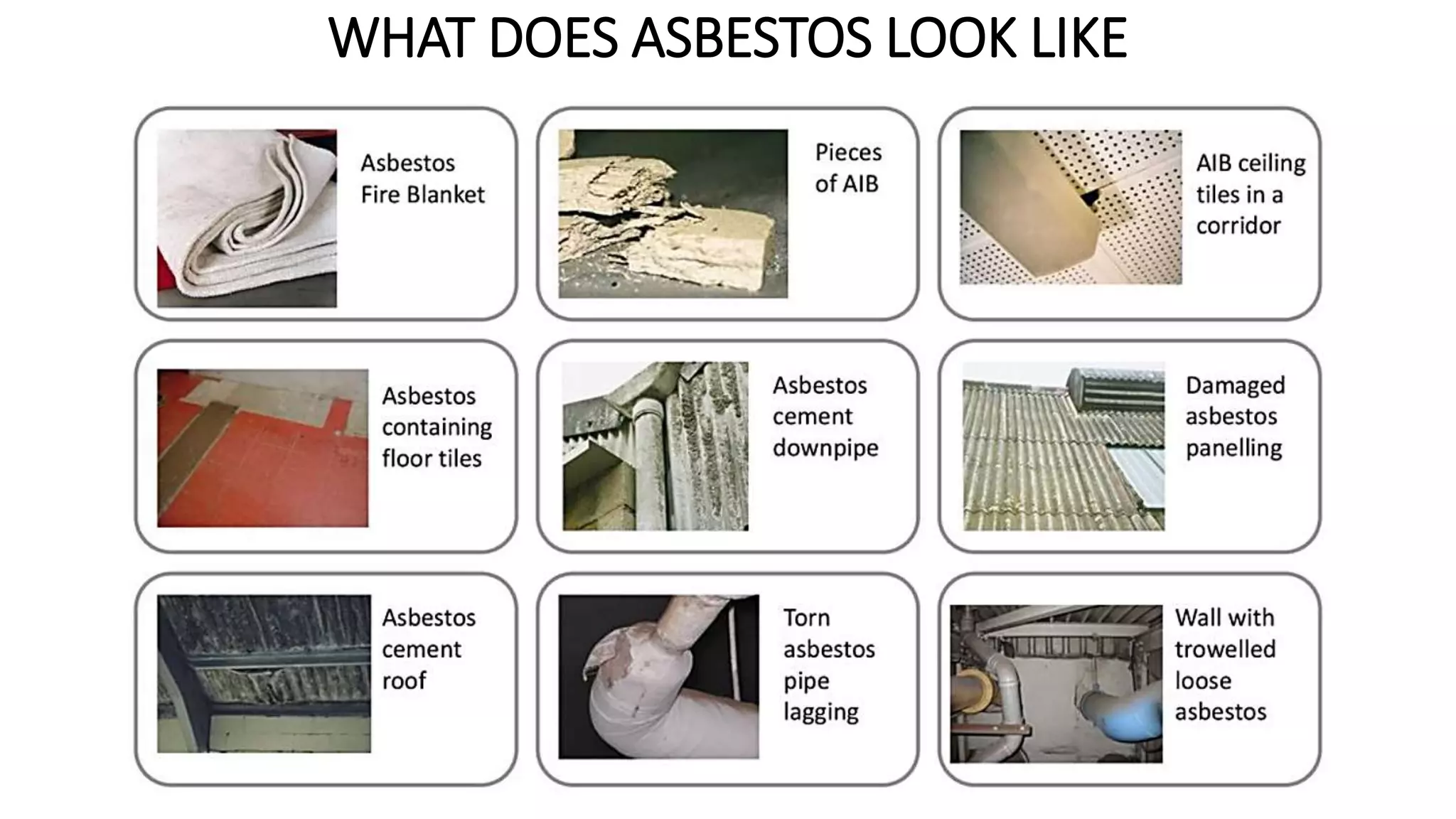
Identifying which materials within at-risk buildings are most likely to contain asbestos is a basic step under the Control of Asbestos Laws 2012. You'll commonly encounter asbestos in insulation boards, sprayed finishings, pipeline lagging, plastic flooring ceramic tiles, textured coverings, roof covering sheets, and cement products-- specifically in buildings constructed prior to 2000. To guarantee compliance, you must carry out product tasting to validate the visibility of asbestos fibers. It's vital to remember that not all asbestos-containing products (ACMs) present the same threat; friable products, which can easily release fibers, need more immediate administration. Sometimes, asbestos encapsulation is an effective control step, securing in fibers without disturbing the material. Constantly adhere to a risk-focused strategy, focusing on areas where disturbance is likely or where ACMs are degrading.
You'll need to recognize which usual products in your structure are most likely to contain asbestos, such as insulation, floor tiles, and distinctive coatings. Determining these materials is the first step, however you shouldn't depend on visual checks alone. For precise results and to minimise health and wellness dangers, organize a professional asbestos danger assessment by a qualified surveyor.
Numerous older buildings still contain an unexpected series of asbestos-containing products (ACMs), making exact recognition and analysis important for safety and security and compliance. You'll typically locate asbestos in position you may not expect, so it's critical to know what to try to find. Materials differ in danger-- friable insulation, for instance, is most likely to release fibres when interrupted than hard-bonded products. Distinctive coverings, generally located on ceilings and walls, might likewise include asbestos fibers, though they posture less threat unless harmed. Below are four key ACMs to look for:
Identifying these products aids you manage exposure dangers effectively.
Finding asbestos-containing materials is just the start-- correct risk analysis requires an organized approach directed by the Control of Asbestos Laws 2012. You'll require to engage competent specialists to conduct extensive asbestos bookkeeping, which involves detailed evaluations and sampling to validate the visibility, type, and condition of asbestos in your building. Risk assessment surpasses recognition; it assesses the probability of asbestos fibers coming to be air-borne and the possibility for resident exposure. Direct exposure surveillance is vital, specifically in locations where asbestos disruption is most likely. Information from these assessments help you figure out required control measures, prioritize remedial actions, and preserve conformity. By sticking to evidence-based methods, you lessen health and wellness threats and lawful obligations associated with asbestos exposure, making certain a much safer environment for owners and employees alike.
A company's legal duty under the Control of Asbestos Laws 2012 fixate determining and managing asbestos threats within non-domestic properties. As somebody liable for conformity, you need to understand whether you're taken into consideration a task owner. Responsibility owners are typically constructing owners, landlords, or any person with clear responsibility for maintenance or repair service. If you occupy or manage industrial building, the regulations use straight to you. Failing to abide can cause considerable legal and monetary consequences, along with raised health risks for residents and workers.
Right here's that's responsible:
Before you can ensure compliance with the Control of Asbestos Regulations 2012, it's crucial to understand that an organized method is needed for handling asbestos dangers. Beginning with a detailed asbestos study to recognize any type of products consisting of asbestos. Next, examine and tape the threat, ensuring durable file monitoring techniques so all searchings for and activities are traceable and quickly obtainable. Supply ideal asbestos training for any individual that may run into asbestos during their job, guaranteeing they're furnished to function securely and identify hazards.
Below's a fast reference guide:
| Tip | Trick Activity | Proof Called for |
|---|---|---|
| Study | Identify asbestos | Study report |
| Danger analysis | Review direct exposure risk | Threat register |
| Training & records | Supply asbestos training | Training certifications |
If you fail to conform with the Control of Asbestos Regulations 2012, you're revealing your organisation to considerable lawful, economic, and safety and security dangers. Non-compliance isn't simply a minor oversight-- it brings enforced consequences under UK regulation. Authorities take violations seriously due to the well-documented carcinogen of asbestos exposure. Here's what you can face:
If you're working around asbestos, you'll require asbestos understanding training so you comprehend the threats and exactly how to avoid exposure. If your duties include disturbing, removing, or repairing asbestos materials, you'll need more sophisticated training, consisting of accredited elimination training. https://westcombeparkasbestosremoval.co.uk/services/refurbishment-demolition-survey.html This ensures you're experienced to handle risky products safely, using proper treatments and safety tools. Appropriate training decreases health dangers and warranties conformity with laws, securing both you and those around you.
You could believe small-scale asbestos work always requires accredited contractors, yet that's not purely true. Particular minor jobs, like low-risk domestic remodellings or function with non-friable materials, can sometimes be taken care of without a permit, given you adhere to specific safety protocols and run the risk of evaluations. Still, you can't overlook the risks-- exposure risks remain, so assess the product and setting thoroughly prior to proceeding, and consult official assistance to make specific you're really exempt from licensing needs.

You have to evaluate asbestos monitoring plans at the very least each year to guarantee they work and up to date. Don't just count on the calendar-- if there's any kind of substantial modification in the structure or after condition studies disclose wear and tear or disruption, upgrade your strategy immediately. Regular yearly testimonials and extensive condition surveys are vital for determining brand-new or enhanced dangers, assisting you manage asbestos direct exposure dangers proactively and preserve conformity with health and wellness requirements.
Think about asbestos like a wolf in sheep's clothes-- it looks safe however conceals real danger. You can not dispose of asbestos waste in routine landfills, because this would certainly risk major landfill contamination. Specialized facilities handle asbestos recycling and disposal, following stringent guidelines to stop fiber release. If you ignore these methods, you're wagering with public health and wellness and ecological security, so always utilize accredited contaminated materials sites for asbestos products.
You'll need public responsibility insurance particularly customized for asbestos-related tasks, as typical plans typically exclude asbestos risks. It's vital to get expert cover that addresses the special risks and prospective claims occurring from exposure, contamination, or inappropriate handling. This kind of insurance safeguards you versus lawful and settlement expenses if 3rd parties are affected. Constantly inspect that your insurance provider is experienced with asbestos dangers, making certain full, evidence-based cover for your risk profile.