


|
|
|
|
|
|
|
| Gould Feddersen | profile | guestbook | all galleries | recent | tree view | thumbnails |
Asbestos is very hazardous-- even short or low-level exposure can raise your danger for lung cancer cells, asbestosis, and mesothelioma cancer, with signs and symptoms showing up years after call. The fibers are tiny and can not be seen, however as soon as breathed in, they lodge in your lungs and trigger enduring damage. There's no secure exposure restriction, and youngsters or those with vulnerable lungs face even greater risk. You'll figure out what makes asbestos dangerous and exactly how to shield yourself if you proceed.
When you encounter the term "asbestos," you're managing a team of naturally occurring minerals composed of thin, heat-resistant fibers. You'll discover that asbestos was very valued for its toughness and resistance to warm, electrical power, and chemical damage. Due to these residential properties, it became a preferred option for commercial insulation and fireproofing materials throughout the 20th century. Producers made use of asbestos in items like pipe insulation, roof tiles, floor ceramic tiles, and concrete. Its effectiveness in limiting fire spread and maintaining architectural integrity under heats resulted in extensive application, especially in manufacturing facilities and older buildings. While these uses supplied practical benefits, you must keep in mind that the exact same fibrous attributes that made asbestos so functional also contribute to its wellness dangers when disrupted or damaged.
During restoration, demolition, or deterioration of materials containing asbestos, microscopic fibers can end up being airborne and conveniently breathed in. You're most at threat when asbestos-containing products are disturbed, specifically without appropriate safety measures. Work contamination is typical in industries such as building, shipbuilding, and manufacturing, where employees take care of or are near asbestos products. If you function in such environments, fibers can cling to clothes, skin, or hair, resulting in indirect transfer-- bringing asbestos home and subjecting household members. Even brief direct exposure in contaminated areas suffices for fibers to enter your lungs. Asbestos isn't visible to the nude eye, so you will not recognize if you've inhaled it. Appropriate containment and protective tools are essential for decreasing exposure and preventing work-related contamination and indirect transfer.
When you're subjected to asbestos, you're facing substantial wellness dangers that have actually been well documented in clinical research study. Even reduced levels of direct exposure can bring about major conditions such as asbestosis, lung cancer, and mesothelioma cancer, frequently years after the first call. It is essential to recognize just how these lasting effects can influence your wellness in time.
Although asbestos was as soon as valued for its sturdiness and fire resistance, exposure to its microscopic fibers presents severe wellness risks. When you breathe in asbestos fibers, they can end up being lodged in your lung cells. This activates your immune feedback, triggering swelling and mobile damage with time. Scientists have actually recognized asbestos biomarkers-- quantifiable substances in your body that suggest exposure or very early effects-- which can assist with very early detection and surveillance.
Below's a fast overview of what takes place when you're revealed:
| What Happens | Just how It Affects You |
|---|---|
| Fiber Inhalation | Activates immune action |
| Swelling | Lung and cells damages |
| Biomarker Detection | Early medical diagnosis possible |
Also at low levels, asbestos direct exposure can significantly affect your respiratory system health and wellness, underscoring the requirement for vigilance and proper security steps.
Also years after first exposure, asbestos fibers can create progressive and typically permanent damage within your body. You may not realize the extent of harm till decades later, as signs often remain latent. Below's what you need to understand about the lasting consequences:
Understanding these dangers is important for securing your health and legal civil liberties. https://manorparkasbestosremoval.co.uk/services/artex-removal.html
Because asbestos fibers are tiny and conveniently breathed in, direct exposure can lead to a number of severe health and wellness troubles. When these fibers enter your lungs, they trigger mobile systems that trigger inflammation, scarring, and hereditary damage. In time, these adjustments can cause dangerous illness, which have actually driven considerable asbestos litigation worldwide. The table listed below details significant health problems connected to asbestos direct exposure:
| Illness | Symptoms | Latency Duration |
|---|---|---|
| Asbestosis | Lack of breath, coughing | 10-- 40 years |
| Mesothelioma cancer | Upper body discomfort, weight reduction | 20-- 50 years |
| Lung Cancer | Coughing, breast pain | 10-- thirty years |
| Pleural Thickening | Upper body discomfort, lowered lung feature | 15-- 35 years |
Recognizing these dangers is vital, as lots of asbestos-related diseases just develop decades after exposure.
While there's no universally agreed-upon secure level of asbestos exposure, research study shows that even short or low-level contact can increase your risk of condition. The danger hinges on the tiny fibers you could breathe in, which can come to be lodged in your lungs. Scientific research studies indicate that the risk escalates based upon the amount and duration of direct exposure, but the following factors are important:
Recognizing these factors aids you value why strict safety measures are advised around asbestos.
Since asbestos exposure carries wellness dangers despite the amount, it is essential to understand where you could encounter it in your house. If your home was built prior to the 1980s, there's a greater chance asbestos-containing products were used throughout building and construction. Common locations consist of attic insulation, specifically the type called vermiculite, which usually consisted of asbestos fibers. You could likewise discover asbestos in older home window caulking, as it was added for longevity and fire resistance. Other areas can include pipeline insulation, flooring ceramic tiles, roof covering materials, and textured wall or ceiling coverings. Asbestos was valued for its warmth resistance and stamina, so it was commonly used in structure products. If these products are disturbed, microscopic asbestos fibers can end up being airborne, enhancing possible exposure risks.
You'll discover that asbestos exposure presents the best danger to those working in building and construction, shipbuilding, and comparable industries. Children and older adults are also more vulnerable to its dangerous impacts due to their developing or weakened respiratory systems. Even if you do not work directly with asbestos, living near polluted websites can enhance your threat through ecological exposure.
Enter many task websites built prior to the late 20th century and you'll discover asbestos prowling in wall surfaces, insulation, and equipment. If you work in building, shipbuilding, or demolition, your danger of exposure raises considerably. Asbestos fibers become air-borne during remodellings or repairs, making breathing an actual concern. To reduce wellness dangers, you require to prioritize office monitoring and constantly utilize ideal protective devices. Here's what you must understand about work-related direct exposure:
Although asbestos direct exposure postures health and wellness dangers to anybody, specific age are much more at risk to its dangerous effects. If you're looking after infants or adolescents, understanding their special susceptabilities is important. Infants have establishing breathing systems, making baby susceptability to air-borne asbestos fibers specifically worrying; even low-level direct exposure can trigger lasting health concerns. Adolescents, on the other hand, are a lot more active and might disrupt asbestos-containing products, leading to increased teenage sensitivity and risk of inhalation. Adults aren't immune, however age-specific aspects modify risk degrees. Right here's a relative summary:
| Age Team | Vulnerability Factor | Risk Level |
|---|---|---|
| Babies | Immature lung advancement | Really High |
| Teens | Enhanced activity/exposure | High |
| Adults | Work-related direct exposure | Modest |
Across a series of atmospheres, asbestos contamination presents severe carcinogen, especially in areas where asbestos-containing products have degraded or been disturbed. You require to recognize that the threat isn't limited to workers or constructing residents-- entire communities and ecological communities can be affected. Disadvantaged populaces usually face out of proportion direct exposure, raising problems concerning ecological justice. Wildlife effect is another crucial issue, as asbestos fibers can infect dirt and water, threatening animal wellness.
Right here's that's most at risk from ecological asbestos risks:

Identifying these threats is vital for detailed prevention methods.
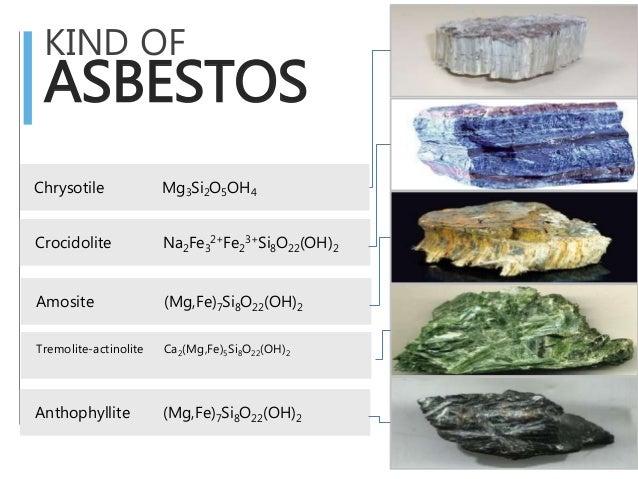
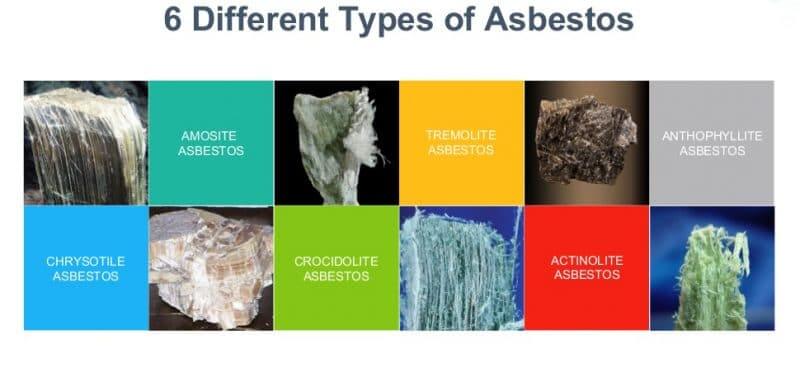
Asbestos category plays a crucial duty in recognizing health risks, as not all kinds of asbestos fibers position the exact same level of risk. You'll find that the major types-- chrysotile (white), amosite (brown), and crocidolite (blue)-- vary in fiber size and mineral composition, which directly influences how unsafe they are. Crocidolite's thin, needle-like fibers are especially worrying since they're conveniently inhaled and resist the body's attempts to break them down. Amosite also has directly, fragile fibers, making it extremely hazardous. Chrysotile fibers are extra curly and flexible, typically taken into consideration less poisonous, however still unsafe with prolonged exposure.

| Asbestos Type | Trick Threat Factors |
|---|---|
| Chrysotile | Curly fibers, less hazardous |
| Amosite | Breakable, straight fibers |
| Crocidolite | Thin, needle-like fibers |
When you're attempting to recognize asbestos in your house, aesthetic evaluation alone commonly isn't sufficient, because asbestos fibers are microscopic and frequently blended with various other products. Still, there are specific clues you can look for to evaluate threat areas. Asbestos was extensively utilized in building items until the 1980s, so older homes-- particularly those with outdated insulation or products around mold and mildew hotspots-- are most likely to include it. To boost your analysis, take into consideration these factors:
Constantly keep in mind, only proper testing confirms asbestos.
If you discover products you believe contain asbestos, it's crucial not to interrupt them. Asbestos fibers are hazardous when airborne, so avoid touching, exploration, or cutting the product. Rather, adhere to an emergency situation method: limit access to the location and inform others about the possible threat. Don't try to tidy up or evaluate the material yourself.
| Activity | Factor |
|---|---|
| Do not disrupt | Protects against fiber release |
| Restrict accessibility | Limitations exposure to residents |
| Inform specialists | Ensures correct assessment/removal |
Call a certified asbestos expert for a main assessment. Only qualified professionals can establish the threat and suggest safe, evidence-based options-- including professional elimination if needed. Taking these steps shields your health and wellness and complies with legal safety and security criteria. Always focus on safety and stay clear of unneeded exposure.
After discovering possible asbestos in your house, you might question whether managing its elimination on your very own is a secure or affordable alternative. Nonetheless, do it yourself threats and elimination misconceptions can put your health and wellness and safety and security at severe threat. Asbestos fibers are microscopic and quickly airborne; disturbing products without correct control and equipment exposes you and others to prospective lung conditions such as asbestosis and mesothelioma cancer. It's vital not to underestimate the dangers based on typical misunderstandings. Consider these realities:
The proof is clear-- removal is best delegated certified professionals.
Although asbestos was once a typical structure product, strict legislations now control its use and management to safeguard public wellness. Today, you're secured by thorough laws that ban or seriously limit asbestos in a lot of new items and require rigorous handling procedures throughout renovations or demolitions. Governing updates remain to attend to emerging threats, tightening up requirements as clinical understanding advances. For instance, the EPA and OSHA frequently evaluation and modify regulations to shut loopholes and guarantee more secure settings.
Enforcement trends reveal increased inspections, hefty penalties for violations, and obligatory training for experts taking care of asbestos-containing products. These measures indicate you're much much less likely to come across dangerous exposure. By staying up to date with governing updates and following main standards, you can rely on that lawful defenses significantly reduce your threat of asbestos-related harm.
Yes, family pets can be influenced by asbestos exposure-- researches reveal that pets residing in polluted homes have up to a 10-fold increased threat of creating asbestos-related condition contrasted to those in clean environments. When animals exposure takes place, little asbestos fibers can lodge in their lungs, causing respiratory problems and cancer. Protecting animal health and wellness needs making sure pet dogs don't accessibility areas with damaged insulation, old building products, or debris consisting of asbestos fibers.
Yes, asbestos can materially impact your indoor air quality long-lasting. If products consisting of asbestos are disturbed, they launch long-term airborne fibers that continue the atmosphere. Chronic inhalation of these fibers raises your threat of serious health and wellness problems, such as asbestosis, lung cancer cells, and mesothelioma. Even low-level, continuous direct exposure can be unsafe, so it's crucial you resolve any type of thought asbestos-containing materials via specialist evaluation and removal to preserve secure air quality. https://manorparkasbestosremoval.co.uk/services/garage-shed-roof-removal.html
Yes, you could discover asbestos present in alcohol consumption pipes, specifically in older buildings where asbestos-cement pipes were typically utilized. In time, pipe deterioration or physical disturbances can release asbestos fibers into the water. Research studies show that asbestos pipes can add to trace quantities of fibers in drinking water, yet current proof recommends consumption positions a noticeably reduced health and wellness danger than inhalation. Still, monitoring and changing aging framework is suggested.
Yes, asbestos contamination can influence dirt or gardens, especially if products consisting of asbestos have actually degraded nearby. When you take part in asbestos horticulture or disturb contaminated soil, asbestos fibers can end up being airborne, posing breathing dangers. Studies reveal soil contamination normally takes place near demolition sites, old structures, or where asbestos waste was disposed. You shouldn't interrupt potentially contaminated dirt; expert assessment and remediation are recommended to ensure your garden stays risk-free for use.
If you're wishing for a wonder drug like King Midas' touch, you'll locate there's no other way to truly counteract asbestos normally. Nevertheless, you can reduce its risk utilizing natural binders-- products like clay. Clay encapsulation involves bordering asbestos fibers with clay particles, restricting their release right into the air. While it does not damage the fibers, this approach can help handle infected dirt, though professional remediation is still the safest and most reliable approach.