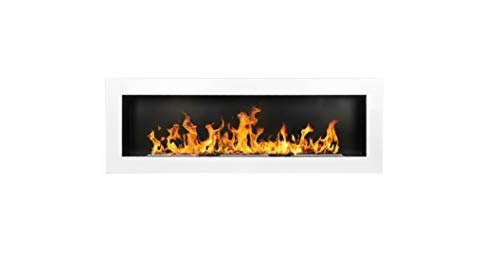
Ethanol fireplaces are a cost-effective alternative to gas fireplaces since they don't require a chimney or flue. They burn bioethanol fuel that produces steam with very low levels of CO2.
It is important to follow the safety guidelines and guidelines of the manufacturer. The burner is flammable. They are available here.
Safety Tips
A biofuel fire has the same look and feel as a wood burning stove or gas fireplace but is powered by plant-based fuel, not fossil-based energy sources. The result is a clean and green energy source that doesn't release harmful gases into the atmosphere.
While these fires do not require a flue or chimney They are extremely flammable and should never be left unattended. These fires are subject to the same safety rules as other types of flammable fuel, such as keeping them out of combustible materials and following the manufacturer's guidelines when refilling or using the burner.
The owner's guide for each model of bioethanol fireplace will include these guidelines. Always read this carefully, paying special attention to the safety warnings and instructions. Make sure that pets and children are kept away from the bioethanol fire. If you plan to hang any type of artwork or decoration above a bioethanol fireplace, leave a minimum of 60 cm clearance between the flame and the surface of the wall.
When filling a bioethanol fireplace, always use a funnel to avoid spills. Before refilling, make sure that the stainless steel burner as well as the other components are clean and completely dry. If you spill something during refilling, clean it up immediately and allow the burner to cool down completely before relighting it.
Bioethanol fireplaces burn clean, emitting only steam and water vapours and carbon dioxide when they are in operation. It is important to make sure that the room is properly ventilated when the fireplace is turned on. This can be accomplished by leaving a window open slightly and by not blocking air vents in the room.
While the combustion process of bioethanol is extremely clean, the fuel itself is highly explosive and could cause serious injuries if spilled on clothing or other combustible materials. Wear rubber gloves whenever you handle the fuel. Also, be careful to avoid spilling any on your skin or around other items that could catch fire.
Putting Out a Bio Fireplace
Bioethanol fireplaces are a great alternative for traditional open fires or gas stoves. They don't require flues and can reduce the amount of carbon dioxide released into the air. They also burn clean with no smoke or ash. They are completely safe to use without harmful substances added. They're great for indoors or outdoors, and can be used throughout the year.
A bio ethanol fire is typically come installed with a special burner that has a set of holes or a wick that burns the fuel. The liquid ethanol fuel goes into the burner and is ignited by the heat produced by ethanol combustion. The flame of a bio fireplace can be controlled so that the user can regulate both the output of heat and the size of the flame.
When using a biofuel fireplace, it's essential to keep a safe distance from the fireplace and ensure that pets and children are kept away from the flame. It's recommended to maintain at least 1 metre distance and avoid air draughts as they can cause flare-ups. It's also recommended to not touch or hold anything that comes in contact with the flame as it's burning. And if you do get fuel on your hands, be sure to wash them off immediately.
If you decide to stop using your ImaginFires Bioethanol Fireplace, you can extinguish it by placing the lid/tool on the burner opening until the flame is gone. It is recommended to let the burner cool completely before adding additional materials or refilling it. This can ignite the materials.
A bioethanol fireplace is typically built into your home whether in the wall or as a freestanding unit so it's vital that the entire construction process is completed using a fireproof material like MDF. It is also important to ensure that the fireplace's frame is not in close proximity to any potential dangers like couches or curtains. The last but not last, it is essential to keep any leftover bioethanol fuel away from the fireplace, and away from children and pets.
Refueling a bio fireplace
With a bioethanol fire it is easy to manage the intensity of the flame. Shut off the flame with the tool that comes with your fireplace. The shutter should be opened to the maximum point and pour fuel into the fireplace. Be careful not to fill the fireplace too much. One litre of fuel can burn for 3.5 to 4 hours. It is recommended that you keep an inventory of bioethanol fuel on hand so that you can replenish the burner as needed.
Bioethanol has a low carbon footprint and is produced using renewable plant resources. You won't have to worry about harmful fumes, choking smoke or toxic creosote. Additionally, the fuel is available in pre-measured containers that are easy to store. Bioethanol is a versatile fuel that can be used to provide warmth and atmosphere to any space. It can be put into a cabinet or wall or the mantel or table. Because it doesn't require an installation chimney or gas connection, you can even install a freestanding fireplace in the middle of your living space.
In addition to being simple to refuel and adjust, bio-ethanol fireplaces are extremely convenient. In contrast to traditional wood-burning fireplaces which can be difficult to start and require a lot of patience before heating up, a bio ethanol fire is lit immediately. Once lit, you can feel the radiant warmth within seconds and enjoy the tranquil glow of your fireplace.
Bioethanol fireplaces are simple to move which makes them a good choice for apartment dwellers. There is https://www.fireplacesandstove.com/categories/bioethanol-fireplaces to worry about creating extra openings in the ceiling or sacrificing the floor space to accommodate an open fire, and you can even carry your fireplace when you move. A freestanding bio-ethanol fireplace will add a stunning centerpiece to any dining area or bedroom. A tabletop version could create a chic statement on your coffee table in the living room. A bio ethanol fire place is a great option to create a cozy ambience in any room.
Cleaning a Bio Fireplace
Ethanol fireplaces are an excellent alternative to traditional fires. They offer many advantages. They are simple to set up and use they don't require a chimney and don't produce smoke. It is important to regularly clean your bio-ethanol fireplace since they can make mess. This will stop spills and other mess-ups from happening and causing the fire to be dangerous or cause someone to be injured. It also helps keep the fire looking neat and attractive.
Bioethanol fuel is produced using modern biological processes, rather than fossil processes which extract fossilized biological material from the past. It is also biodegradable. This means that it can be absorbed by soil and then become part of the ecosystem. This makes it an eco friendly and sustainable source of fuel. This fuel is put into the burner box and then ignited using a standard gas lighter or extended taper. It is a clean and safe fuel that produces only heat.
A freestanding bio fireplace can be cleaned very easily. It is all you need to do is clean it with a damp rag and make sure that the flames are not in and the burner is cool before you begin. It is recommended to clean the fireplace at least once per month, or more frequently if necessary.
It is a good idea to not put anything other than fuel into your bio ethanol fire because this could result in a dangerous situation. Before refilling, it's crucial to ensure that the burner is dry. This will stop spills, which could damage the interior of your burner.
A high-quality bio ethanol fireplace comes with a selection of extras that can be added. These include stainless steel log sets and security screens. They can add a touch elegance to your fireplace and make it stand out. Remember that a freestanding bio fireplace must be placed away from any flammable material like curtains or other furniture.