The Art and Science of Cold Brew Coffee: A Complete Guide for Enthusiasts and Professionals
Introduction
Among the many ways to prepare coffee, one particular method has grown in popularity over the past two decades—cold brew coffee. Unlike traditional hot brewing, which extracts flavor through heat and relatively short brewing times, cold brew relies on time, patience, and controlled immersion in cold or room-temperature water. The result is a smooth, mellow, and naturally sweet cup that stands apart from espresso, drip coffee, or other brewing styles.
This guide explores the art, science, and practical application of cold brew coffee. We will examine its history, brewing process, chemistry, cultural significance, and its growing role in both specialty cafés and the global coffee market. Whether you are a barista, roaster, café owner, or an at-home enthusiast, this comprehensive exploration will deepen your appreciation of cold brew and equip you with the knowledge to refine your craft.
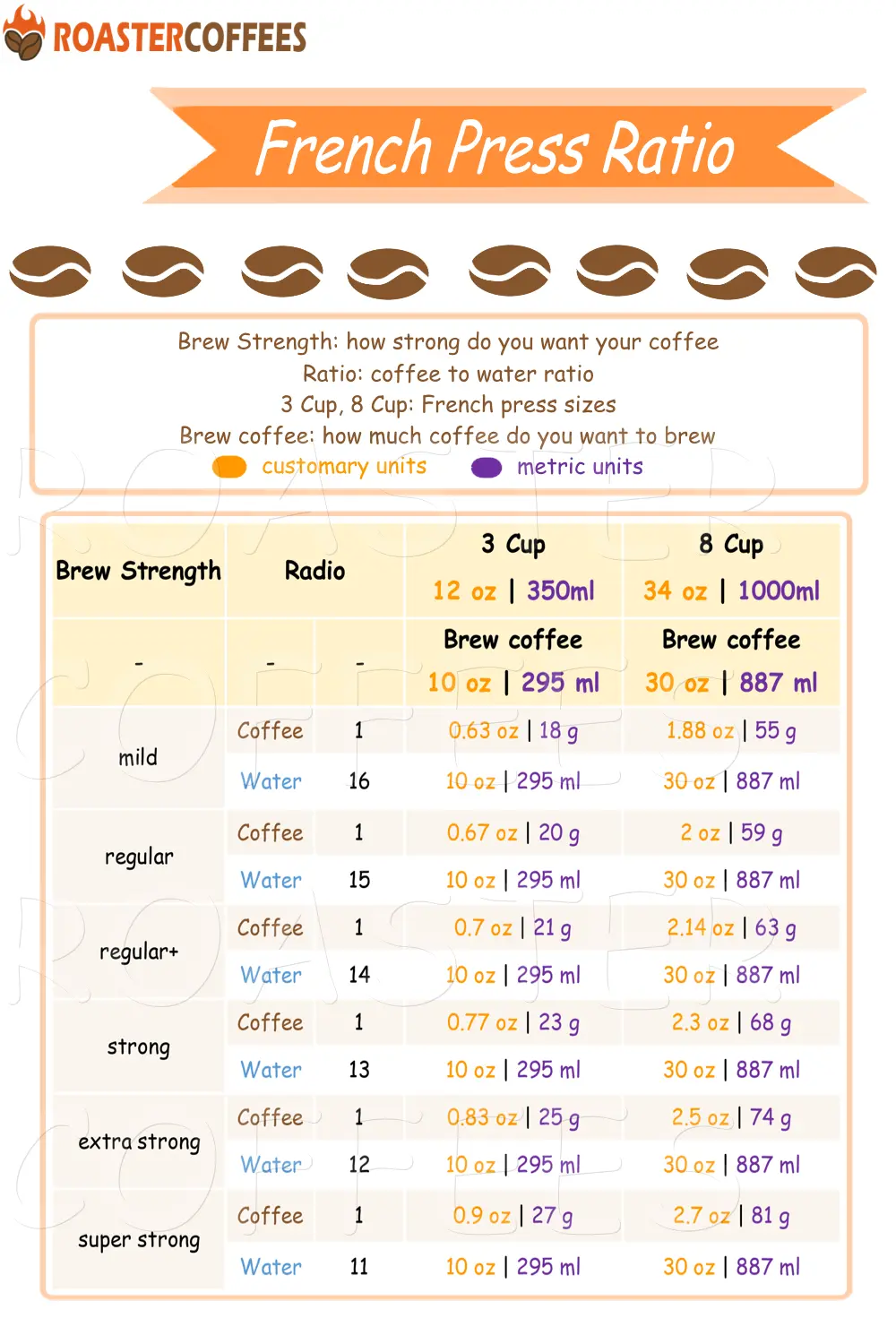
Cold brew coffee is known for its smooth, less acidic taste, but one of the most notable characteristics is its higher caffeine content compared to traditional hot coffee. The caffeine content in cold brew coffee is influenced by several factors, such as the coffee bean type, grind size, steeping time, and the coffee-to-water ratio. Typically, cold brew coffee is brewed with a higher coffee-to-water ratio, often 1:4 or 1:5, which results in a more concentrated coffee extract. This concentration contributes to the drink's stronger caffeine punch.
On average, a standard serving (8 ounces) of cold brew coffee contains between 100 and 200 milligrams of caffeine. However, this number can fluctuate depending on how long the coffee grounds are steeped and the grind size used. For example, if the coffee is left to steep for a longer period—usually 12-24 hours—the caffeine content will be greater due to the extended extraction process. Additionally, a coarser grind is often used for cold brew, which helps to extract more caffeine during the long steeping period.
Cold brew coffee also tends to have a higher caffeine concentration per ounce compared to regular drip coffee, which typically contains around 95 milligrams of caffeine per 8 ounces. The caffeine calculator can help you determine the exact caffeine content in your cold brew depending on the parameters you set, such as the brewing time and coffee-to-water ratio. For those looking for a more intense caffeine experience, cold brew is an excellent option.
With its rich caffeine profile and smooth flavor, cold brew coffee has become a popular choice for coffee enthusiasts looking to satisfy their caffeine cravings while enjoying a refreshing, low-acid drink.
1. The Origins of Cold Brew Coffee
Though cold brew has surged in popularity in the 21st century, it is not a new invention. In fact, the technique has deep historical roots across different cultures.
Japan’s Kyoto-style cold brew (Dutch coffee): Dating back to the 1600s, Japanese coffee practitioners perfected a slow-drip cold brew method inspired by Dutch traders who brewed coffee concentrate for long sea voyages. Using elegant glass towers, cold water drips slowly over coffee grounds for hours, producing a clean, tea-like beverage.
Latin American variations: In parts of Latin America, coffee brewed in cold or room-temperature water has long been consumed as a concentrate diluted with milk or water. This method offered practicality in warm climates where hot coffee was less desirable.
Modern revival: In the 1990s and 2000s, specialty coffee shops in the United States and Europe rediscovered cold brew, popularizing it as a refreshing, alternative way to enjoy coffee, particularly in summer. Large chains such as Starbucks further accelerated its global adoption.
Thus, cold brew represents both tradition and innovation—a bridge between centuries-old practices and modern coffee trends.
2. What Makes Cold Brew Different?
To understand cold brew, one must first contrast it with other brewing methods.
Temperature: Hot coffee relies on heat to extract solubles quickly. Cold brew, by contrast, uses cold or room-temperature water, requiring extended contact time (usually 12–24 hours).
Extraction profile: Heat extracts acids, oils, and aromatics efficiently. Cold water extracts more slowly, emphasizing sugars and caffeine but leaving behind much of the acidity. The result is a smoother, less bitter cup.
This versatility allows cafés and consumers to tailor the drink to their taste.
Shelf stability: Cold brew concentrate, when stored properly, can last longer than brewed hot coffee. While hot coffee loses its desirable characteristics within hours, cold brew concentrate may be preserved for several days under refrigeration.
3. The Science of Cold Brew Extraction
Cold brew is as much science as it is art. Several key variables influence its flavor and quality.
3.1 Grind Size
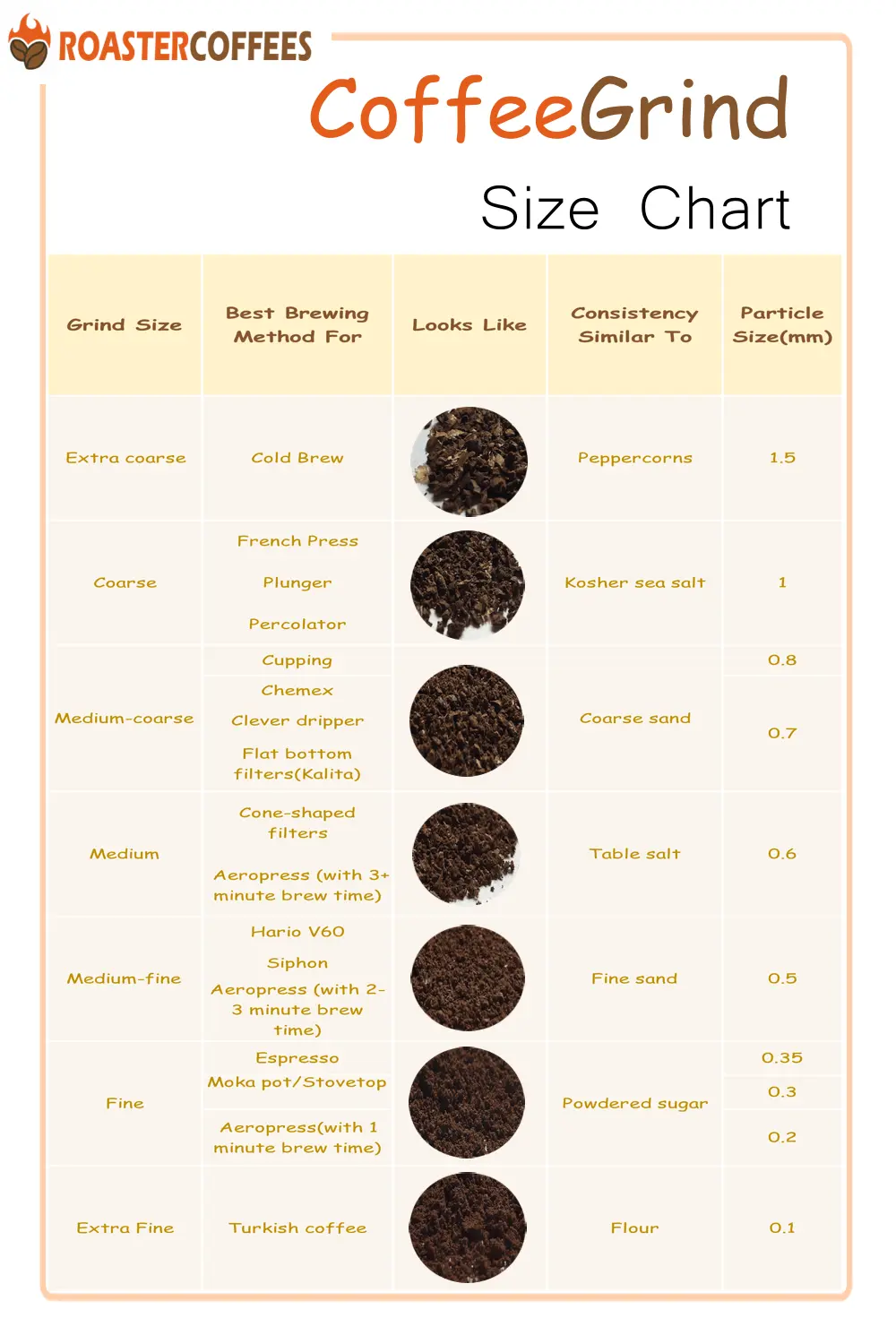
Coarse grounds are generally preferred, as they allow water to flow evenly around the particles, preventing over-extraction or muddy flavors.
Finer grinds may lead to bitterness or a silty texture.
3.2 Coffee-to-Water Ratio
For ready-to-drink cold brew, a lighter ratio such as 1:8 to 1:10 is often used.
3.3 Brew Time
Standard cold brew requires 12–24 hours of steeping.
Shorter times may result in weak or under-extracted coffee, while overly long steeping can draw out undesirable woody notes.
3.4 Water Quality
Since cold brew emphasizes sweetness and smoothness, water quality is critical.
3.5 Temperature
True cold brew uses cold or room-temperature water.
Brewing in a refrigerator results in slower extraction and a slightly sweeter profile.
Room-temperature brewing accelerates extraction, producing a fuller flavor but slightly more acidity.
4. Flavor Characteristics of Cold Brew
Cold brew is celebrated for its unique sensory profile.
Body: Generally heavier and smoother, with a velvety mouthfeel.
Sweetness: Cold water accentuates natural sugars, leading to caramel or chocolate notes.
Bitterness: Reduced significantly compared to espresso or drip coffee.
Aromatics: While cold brew is rich and smooth, it often lacks the complex aromatics released by hot brewing.
Flavor perception also depends on the origin of the beans. For example, Ethiopian coffees may still offer fruity brightness, while Colombian beans may highlight chocolate and nutty flavors when brewed cold.
5. Methods of Cold Brew Preparation
Cold brew can be prepared in several ways, each producing distinct results.
5.1 Immersion Method (Most Common)
Simple to perform at home or in cafés.
Produces a rich, bold concentrate.
5.2 Slow Drip (Kyoto-style or Dutch-style)
Water drips slowly over coffee grounds in a tower apparatus.
Produces a cleaner, tea-like flavor with more pronounced clarity.
Requires specialized equipment.
5.3 Hybrid Methods
Some baristas experiment by blooming coffee with hot water before cold steeping.
This hybrid approach enhances aromatics while retaining the smoothness of cold brew.
6. Cold Brew and Health Considerations
While it does have advantages, its health profile depends on preparation and consumption.
Lower acidity: Beneficial for individuals with acid sensitivity or digestive concerns.
Caffeine content: Cold brew concentrate can contain higher caffeine levels than regular coffee, depending on ratio and steeping time. Dilution is often necessary.
Less bitterness: Reduces the need for added sugar or cream.
Antioxidants: While hot coffee extracts more antioxidants, cold brew still contains beneficial compounds.
7. Cold Brew in the Coffee Industry
Specialty cafés: Many cafés now dedicate entire menu sections to cold brew variations, including nitro cold brew, flavored infusions, and mocktails.
Retail products: Bottled cold brew and canned ready-to-drink versions have expanded rapidly in supermarkets.
Nitro cold brew: Infused with nitrogen gas, it creates a creamy, stout-like texture with cascading bubbles.
Culinary uses: Cold brew is increasingly used in cocktails, desserts, and even savory dishes.
8. Cold Brew at Home: A Practical Guide
For enthusiasts seeking to replicate café-quality cold brew, here are step-by-step guidelines.
Select fresh, high-quality beans—single-origin or blends, roasted medium to medium-dark.
Grind coarsely—similar to raw sugar.
Apply a standard ratio—start with 1:5 for concentrate.
Dilute to taste—serve over ice, with milk, or as a base for recipes.
For cold brew coffee, the grind size is a crucial factor in achieving the desired smooth, mellow flavor. Cold brew is typically brewed over a long period of time (12–24 hours), which makes grind size especially important for extracting the right balance of flavors from the coffee grounds.
A coarse grind is generally recommended for cold brew. This is because larger particles have a slower extraction rate, which complements the extended brewing time. The coarse grind also helps in preventing over-extraction, which can lead to bitterness and undesirable flavors. The grounds should resemble breadcrumbs or sea salt in texture, providing enough surface area for extraction without becoming too fine, which could result in overly bitter or muddy flavors.
When looking at a coffee grind size chart, a coarse grind is usually positioned at the larger end, just before the medium-coarse range. The grounds should be large enough to stay contained in the brewing filter without passing through, as smaller particles might clog the filter and cause sediment in the final brew.
A medium to fine grind can result in over-extraction, producing a coffee that’s too strong or a bit too harsh. On the other hand, a very coarse grind can under-extract, leaving the coffee weak and watery. Thus, it's important to strike a balance where the grind size allows for optimal extraction over the brewing time, avoiding extremes.
In summary, for cold brew, aim for a coarse grind, as it promotes a smooth and well-balanced flavor profile, making for an enjoyable, low-acid coffee. Using a grind size chart helps ensure you're within the right range for ideal brewing results.
9. Innovations and Future Trends
The cold brew sector is far from static. Several innovations are shaping its future:
Specialty packaging: Nitrogen-flushed cans to preserve freshness.
Sustainability focus: Using cold brew concentrates to minimize waste in cafés.
Experimental brewing: Incorporating cascara (coffee cherry), barrel-aging, or flavor infusions.
Technological advances: Rapid cold brew machines that mimic long extraction in under an hour.
10. Cultural and Social Dimensions of Cold Brew
Cold brew reflects not only brewing science but also cultural adaptation.
In hot climates, cold brew has become a symbol of modern coffee culture—refreshing, fashionable, and versatile.
Among younger generations, it is viewed as an alternative to traditional black coffee, aligning with wellness and lifestyle trends.
Social media aesthetics—cold brew’s dark, smooth visual appeal contributes to its popularity in café culture.
Conclusion
Cold brew coffee is more than a trend—it is a transformation in how we perceive, prepare, and enjoy coffee. By emphasizing time over temperature, it delivers a uniquely smooth and sweet flavor profile that continues to captivate both enthusiasts and professionals worldwide.
For coffee practitioners, cold brew presents an opportunity to innovate, to introduce customers to new sensory experiences, and to explore coffee’s versatility beyond the cup. Whether through traditional immersion, elegant Kyoto-style drippers, or nitro infusions, cold brew invites us to slow down and savor the patient artistry behind every glass.
As the coffee industry continues to evolve, cold brew will remain a key chapter in its story—a blend of history, science, and culture that proves coffee is never static but always dynamic, adaptable, and endlessly inspiring.