


|
|
|
|
|
|
|
| Craig Kirk | profile | all galleries >> TRAVEL GALLERY'S >> PORTUGAL 2007 >> CRAIG'S PORTUGAL 2007 IMAGES >> **** EVORA PORTUGAL GALLERY ****** | tree view | thumbnails | slideshow |
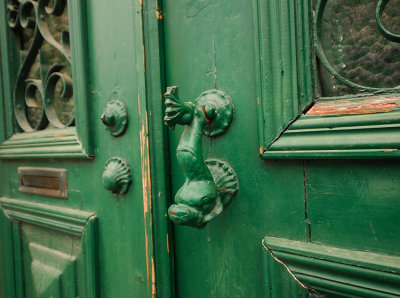 DSC_9712w.jpg |
 DSC_9713w.jpg |
 DSC_9715w.jpg |
 DSC_9716w.jpg |
 DSC_9717w.jpg |
 DSC_9721w.jpg |
 DSC_9722w.jpg |
 DSC_9721w.jpg |
 DSC_9722w.jpg |
 DSC_9723w.jpg |
 DSC_9725w.jpg |
 Evora Roman Temple DSC_9726w.jpg |
 Evora Roman Temple DSC_9731w.jpg |
 DSC_9732w.jpg |
 Evora Roman Temple DSC_9733w.jpg |
 Evora Roman Temple DSC_9735w.jpg |
 DSC_9736w.jpg |
 DSC_9738w.jpg |
 DSC_9742w.jpg |
 DSC_9743w.jpg |
 DSC_9744w.jpg |
 DSC_9745w.jpg |
 DSC_9746w.jpg |
 DSC_9747w.jpg |
 DSC_9749w.jpg |
 DSC_9750w.jpg |
 DSC_9751w.jpg |
 DSC_9755w.jpg |
 DSC_9758w.jpg |
 DSC_9759w.jpg |
 DSC_9760w.jpg |
 Igreja de São Francisco DSC_9761w.jpg |
 Igreja de São Francisco DSC_9764w.jpg |
 Igreja de São Francisco DSC_9765w.jpg |
 DSC_9767_1w.jpg |
 Igreja de São Francisco DSC_9767w.jpg |
 Capela dos Ossos DSC_9770w.jpg |
 Capela dos Ossos DSC_9772w.jpg |
 Capela dos Ossos DSC_9774w.jpg |
 Capela dos Ossos DSC_9775w.jpg |
 Capela dos Ossos DSC_9779w.jpg |
 Capela dos Ossos DSC_9780w.jpg |
 Capela dos Ossos DSC_9782w.jpg |
 Capela dos Ossos DSC_9789_1w.jpg |
 Capela dos Ossos DSC_9783w.jpg |
 Capela dos Ossos DSC_9787w.jpg |
 Capela dos Ossos DSC_9794w.jpg |
 Capela dos Ossos DSC_9789w.jpg |
 Igreja de São Francisco DSC_9795w.jpg |
 DSC_9801w.jpg |
 DSC_9802w.jpg |
 DSC_9804w.jpg |
 DSC_9811w.jpg |
 DSC_9813w.jpg |
 DSC_9815.jpg |
 DSC_9816.jpg |
 DSC_9817.jpg |
 DSC_9818.jpg |
 DSC_9819.jpg |
 DSC_9820.jpg |
 DSC_9821.jpg |
 DSC_9822.jpg |
 DSC_9823.jpg |
 DSC_9824.jpg |
 DSC_9825.jpg |
 DSC_9826.jpg |
 DSC_9827.jpg |
 DSC_9828.jpg |
 DSC_9829.jpg |
 DSC_9830.jpg |
 DSC_9831.jpg |
 DSC_9832.jpg |
 DSC_9833.jpg |
 DSC_9834.jpg |
 DSC_9835.jpg |
 DSC_9836.jpg |
 DSC_9837.jpg |
 DSC_9838.jpg |
 DSC_9839.jpg |
 DSC_9840.jpg |
 DSC_9841.jpg |
 DSC_9842.jpg |
 DSC_9843.jpg |
 DSC_9844.jpg |
 DSC_9845.jpg |
 DSC_9846.jpg |
 DSC_9847.jpg |
 DSC_9848.jpg |
 DSC_9849.jpg |
 DSC_9850.jpg |
 DSC_9851.jpg |
 DSC_9852.jpg |
 DSC_9853.jpg |
 DSC_9854.jpg |
 DSC_9855.jpg |
 DSC_9856.jpg |
 DSC_9857.jpg |
 DSC_9858.jpg |
 DSC_9859.jpg |
 DSC_9860.jpg |
 DSC_9861.jpg |
 DSC_9862.jpg |
 DSC_9863.jpg |
 DSC_9864.jpg |
 DSC_9865.jpg |
 DSC_9866.jpg |
 DSC_9867.jpg |
 DSC_9868.jpg |
 DSC_9868_001.jpg |
 DSC_9869.jpg |
 DSC_9870.jpg |
 DSC_9871.jpg |
 DSC_9872.jpg |
 DSC_9873.jpg |
 DSC_9874.jpg |
 DSC_9875.jpg |
 DSC_9876.jpg |
 DSC_9877.jpg |
 DSC_9878.jpg |
 DSC_9879.jpg |
 DSC_9880.jpg |
 DSC_9881.jpg |
 DSC_9882.jpg |
 DSC_9883.jpg |
 DSC_9884.jpg |
 DSC_9885.jpg |
 DSC_9886.jpg |
 DSC_9887.jpg |
 DSC_9888.jpg |
 DSC_9889.jpg |
 DSC_9890.jpg |
 DSC_9891.jpg |
 DSC_9892.jpg |
 DSC_9893.jpg |
 DSC_9894.jpg |
 DSC_9895.jpg |
 DSC_9896.jpg |
 DSC_9897.jpg |
 DSC_9898.jpg |
 DSC_9899.jpg |
 DSC_9900.jpg |
 DSC_9901.jpg |
 DSC_9902.jpg |
 DSC_9903.jpg |
 DSC_9904.jpg |
 DSC_9905.jpg |
 DSC_9906.jpg |
 DSC_9907.jpg |
 DSC_9908.jpg |
 DSC_9909.jpg |
 DSC_9910.jpg |
 DSC_9911.jpg |
 DSC_9912.jpg |
 DSC_9913.jpg |
 DSC_9914.jpg |
 DSC_9915.jpg |
 DSC_9916.jpg |
 DSC_9917.jpg |
 DSC_9949.jpg |
| comment | share |