


|
|
|
|
|
|
|
| Powers Tarp | profile | guestbook | all galleries | recent | tree view | thumbnails |
Double-bagging asbestos is important due to the fact that you're using 2 difficult, labeled 6-mil plastic bags to safeguard dangerous product. This split system slashes the risk of tiny asbestos fibers escaping during handling, transport, or disposal-- something single-bagging can't guarantee. https://batterseaasbestosremoval.co.uk/services/artex-removal.html You'll need to seal each bag independently and prevent overfilling to avoid rips or fiber release. Using approved products and strict technique is crucial to remaining safe and legitimately certified. Next off, you'll see specifically how to take care of every step with confidence.
When you're handling asbestos, reliable control isn't simply a procedural formality-- it's necessary for protecting against dangerous fibers from ending up being air-borne and contaminating workspace. https://batterseaasbestosremoval.co.uk/services/refurbishment-demolition-survey.html Asbestos fibers are tiny and can stay put on hold airborne for prolonged periods, presenting substantial air-borne threats. If you do not control the spread, you boost the possibility that workers and building residents will certainly breathe in these fibers, bring about severe health influences such as asbestosis, mesothelioma cancer, and lung cancer. To decrease these dangers, you should thoroughly seal the work area, utilize adverse air stress, and employ personal protective equipment. Correct control procedures, including wetting materials and avoiding unneeded disturbance, aid limitation fiber launch. This careful approach is essential for securing both instant and long-lasting health and wellness in any asbestos abatement job.
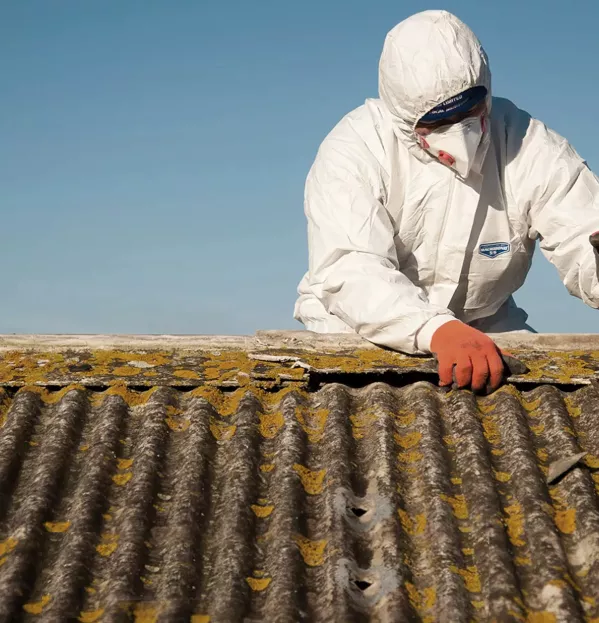
Double-bagging comes right into play as an important security action whenever you're taking care of asbestos waste. https://batterseaasbestosremoval.co.uk You'll position the asbestos product in a particularly labeled, thick plastic bag-- after that seal it firmly. Next off, you'll put that secured bag into a second, just as durable bag and seal it once more. This split technique markedly decreases the risk of fiber launch, sustaining airborne control and decreasing exposure. Appropriate employee training guarantees this procedure is adhered to specifically, reducing contamination dangers for everyone entailed. Here's a check out why both layers are crucial:
| Layer | Function | Danger If Omitted |
|---|---|---|
| Inner Bag | Key containment | Fiber leak |
| External Bag | Secondary security | Environmental spread out |
| Securing Actions | Makes sure airtight seal | Direct exposure to workers |
Appropriate technique makes best use of security and regulative compliance.
When choosing bags for asbestos disposal, you'll need to use only those especially approved and classified for asbestos waste. These bags have to go to least 6-mil thick to stop splits and leaks throughout handling and transport. It is vital to inspect both the longevity and regulatory compliance of the bags prior to starting any abatement work.

Picking the right disposal bags is crucial for securely containing and eliminating asbestos waste. https://batterseaasbestosremoval.co.uk/services/garage-shed-roof-removal.html You should make use of approved bags that abide with regulatory standards, such as OSHA and EPA requirements. These bags are typically intense yellow or clear, plainly labeled with "Asbestos" warnings, and produced from high-strength polyethylene. Following disposal procedures means sourcing your bags from trusted supply sources that can offer paperwork of compliance. Accepted bags ensure that fibers continue to be contained throughout transport, reducing health risks and lawful responsibilities. Before purchase, constantly validate that the bags satisfy local and federal policies. The table listed below summarizes the key factors to consider:
| Requirement | Details |
|---|---|
| Regulatory Specifications | OSHA 29 CFR 1910.1001, EPA standards |
| Approved Bags | Labeled, 6-mil polyethylene, satisfies conformity |
| Disposal Methods | Double-bagging, safe sealing, labeled for asbestos |
| Supply Resources | Industrial safety suppliers, verified regulative documentation needed |
Prioritize bag thickness and toughness to assure asbestos waste stays fully had throughout dealing with and disposal. When picking bags, you'll desire to select ones that are a minimum of 6 mils thick-- this is the sector criterion for asbestos disposal. Thicker bags supply superior bag stability, minimizing the risk of accidental release of harmful fibers. Constantly confirm the bags have high tear resistance, as slim or vulnerable bags can divide under the weight or sharp sides of asbestos materials. See to it the bags are especially labeled for asbestos, suggesting they satisfy regulatory standards. Double-bagging with 2 independent layers better boosts control. Don't jeopardize: making use of ineffective bags undermines every other security step you take. Proper selection assurances both lawful conformity and security for you and every person entailed.
To double-bag asbestos waste properly, you'll need to select sturdy, 6-mil polyethylene bags that are clearly labeled for asbestos. See to it you secure each bag separately utilizing duct tape or a gooseneck tie to avoid any type of fibers from running away. When secured, constantly handle and transport the bags upright and with care to minimize the risk of punctures or rips.
When you get ready to double-bag asbestos waste, it's essential to pick bags that satisfy strict governing criteria for unsafe materials. You'll require 6-mil thick polyethylene bags, as these are specifically made to contain asbestos fibers and resist leaks. Constantly validate the bag's accreditation and labeling to guarantee conformity-- bags need to be significant plainly as "Asbestos Waste." Abiding by bag shade coding is vital; normally, asbestos bags are red or yellow, signifying unsafe material to trainers and disposal centers. Don't neglect the value of encapsulation methods prior to bagging, as this minimizes air-borne fibers during handling. By picking the ideal bag type, you're substantially decreasing the danger of exposure and ensuring you satisfy both safety and security and lawful needs for asbestos disposal.
Although the process might appear simple, sealing asbestos waste bags needs meticulous interest to detail to avoid fiber release. After you've positioned the asbestos particles in the first bag, it's crucial to ensure air limited sealing before putting it in the second bag. This step stops airborne fibers from leaving and infecting the atmosphere. Use meddle apparent closures to assure that the bags haven't been opened or endangered during handling. Follow these vital steps for secure sealing:
With the asbestos waste firmly double-bagged and covered, your following priority is ensuring safe transportation to an authorized disposal site. Correct containment logistics are essential-- always pack the bags upright, avoiding sharp objects and direct call with automobile surfaces. Don't stack bags, as this can stress joints and risk a violation. Path preparation is crucial: choose the fastest, most safe path with very little quits and low-traffic durations to lower accidental direct exposure. Maintain waste documentation available during transit, and never leave the vehicle unattended. The table listed below describes vital steps:
| Tip | Action | Rationale |
|---|---|---|
| 1. Loading | Upright, spaced bags | Avoids tear |
| 2. Securing | Use bands, no piling | Maintains bag integrity |
| 3. Route Preparation | Quickest, safest route | Limitations exposure risks |
| 4. Documents | Carry materializes | Governing compliance |
| 5. Guidance | Never ever leave car ignored | Protects against unauthorized gain access to |
If you're handling asbestos waste, it's essential to acknowledge that improper double-bagging can endanger containment and rise health dangers. Despite having employee training and ideal protective gear, mistakes still take place. Here are 3 common double-bagging errors and how you can avoid them:
Appropriate double-bagging is crucial for safe asbestos disposal.
While both double-bagging and single-bagging involve sealing asbestos waste in sturdy plastic, both methods vary substantially with regard to containment and regulative compliance. With single-bagging, you utilize just one 6-mil polyethylene bag, which gives a fundamental obstacle against asbestos particles. Nevertheless, this method boosts the danger of leaks or splits, possibly launching airborne fibres during handling. Double-bagging, by comparison, requires you to place the sealed very first bag inside a second, clean 6-mil bag. This layered technique substantially minimizes the chance of fibre launch, particularly throughout transport or disposal. Furthermore, double-bagging aligns with best-practice cleanup protocols, guaranteeing greater protection for both workers and the setting. Ultimately, double-bagging supplies a much more durable, evidence-based protect versus asbestos exposure than single-bagging alone.
Although handling asbestos waste calls for meticulous attention, proper disposal is governed by strict legal requirements that you can't afford to neglect. As somebody entailed in asbestos abatement, you have to keep up to day with governing updates to make certain you're fully compliant. Rules normally mandate double-bagging, clearly labeling waste, and transferring it to accredited disposal facilities. Failure to abide can cause substantial penalties and legal consequences.
Here's what you require to do:
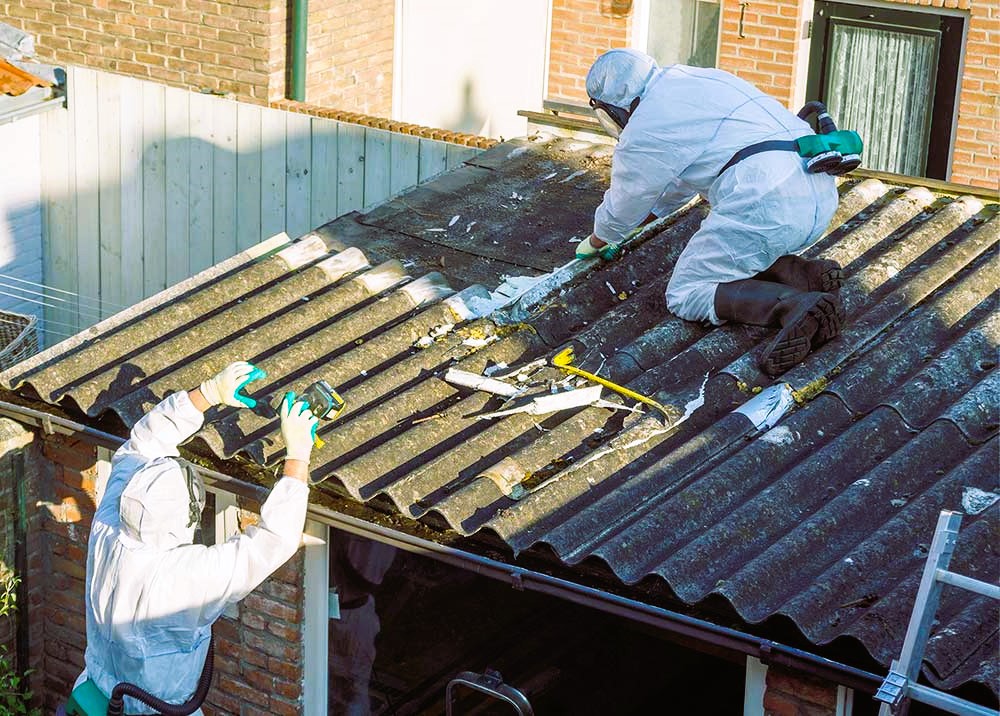
You should not recycle bags that have included asbestos waste because of significant reusing risks and rigorous contamination controls. When a bag's been subjected to asbestos, tiny fibers can remain, making purification virtually difficult. https://batterseaasbestosremoval.co.uk/services/soft-strip-demolition.html Rules need asbestos waste bags to be securely sealed and disposed of at accepted centers. Always make use of new, plainly labeled bags for asbestos, and adhere to local disposal treatments to stop dangerous fiber launch and assurance compliance with safety and security requirements.
Imagine the danger if you don't save double-bagged asbestos properly. You ought to always place the double-bagged asbestos in secured containers, making sure there's no leak or tear guaranteed. Store the containers in a safe and secure, well-ventilated location, far from straight sunshine, and with temperature level control to stop material deterioration. Do not pile the containers, and keep them plainly classified as unsafe. This careful technique reduces exposure and abide by regulative security requirements.
Yes, you can locate eco-friendly choices to typical asbestos disposal bags. Some firms currently provide naturally degradable linings made from products that break down a lot more securely over time. If you're worried regarding seal integrity, try to find bags making use of plant based adhesives, which minimize reliance on synthetic chemicals. However, you'll require to confirm that these alternatives meet all neighborhood and government contaminated materials regulations before usage, as safety and conformity stay your leading priorities.
When dealing with fragile matters, you'll intend to secure on your own fully-- do not reduce edges. Utilize a effectively fit-tested respirator (P100 or HEPA filters) to ensure peak respirator fitment versus airborne fibers. Pick tough, chemical-resistant handwear covers-- dual layering is wise for handwear cover selection. Don't forget disposable coveralls with sealed seams, safety and security goggles, and shoe covers. Always check devices integrity prior to beginning, and follow decontamination protocols after double-bagging to decrease sticking around threats.
If you discover a bag tear during transport, immediately stop and launch emergency containment by putting the damaged bag into a brand-new, intact asbestos waste bag. Seal it firmly with tape. Lessen disturbance to avoid fiber launch. Once had, adhere to decontamination procedures: get rid of and take care of contaminated PPE, wash hands and revealed skin, and document the event. Constantly report the tear to your manager for correct record-keeping and more decontamination if necessary.