


|
|
|
|
|
|
|
| Lindegaard Oneil | profile | guestbook | all galleries | recent | tree view | thumbnails |
You're still at danger from asbestos today due to the fact that its tiny fibers persist in old homes, offices, and the environment. These fibers lodge deep in your lungs, creating inflammation that causes lethal illness like mesothelioma cancer and lung cancer years after also short direct exposure. Asbestos-related fatalities proceed due to the fact that tradition materials stay covert or disturbed, and bans haven't compelled elimination or closed lawful technicalities. Lots of people don't fully realize the ongoing threats-- there's more to discover regarding exactly how exposure still takes place.
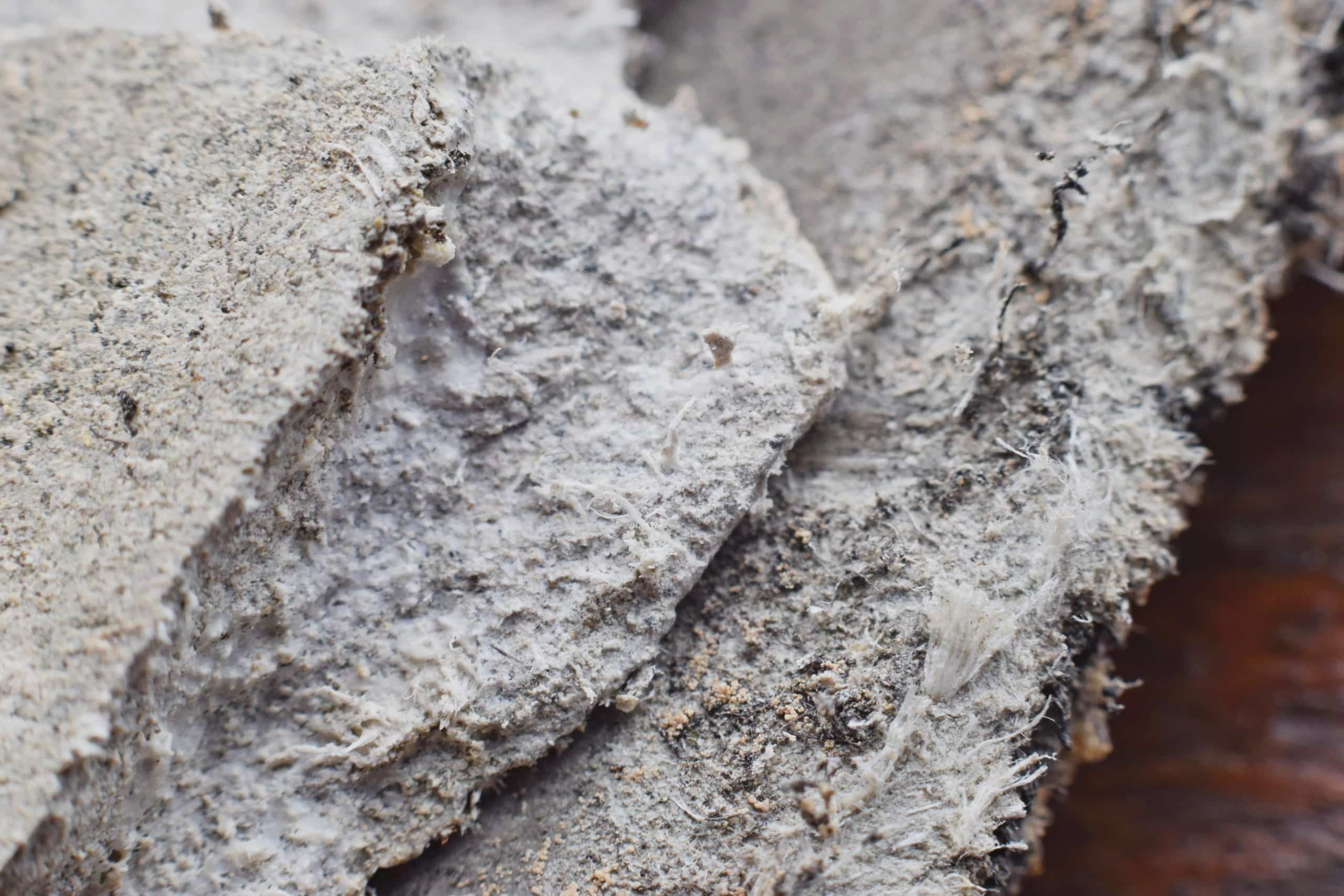
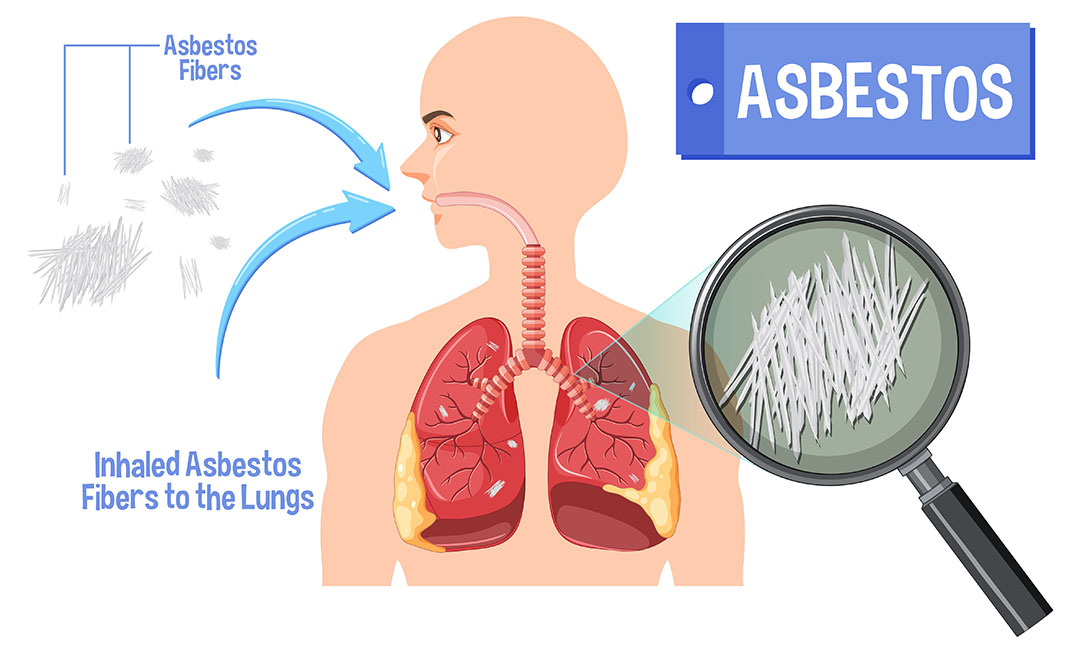
Although asbestos was once extensively made use of for its warmth resistance and sturdiness, it positions considerable health and wellness threats when its tiny fibers come to be airborne and inhaled. You need to understand that asbestos composition includes silicate minerals with fine, needle-like fibers. These fibers are not quickly damaged down by the body and can stay lodged in lung cells for years. The primary wellness mechanisms of damage include chronic inflammation and mobile damage. Gradually, these processes can bring about asbestosis (lung scarring), lung cancer cells, and mesothelioma cancer, a rare yet aggressive cancer. Scientific researches have regularly revealed that even low-level, periodic exposure boosts your risk. Because asbestos fibers are unseen to the naked eye, you can not accurately detect or prevent them without proper precautions.
Lots of individuals are still in jeopardy of asbestos direct exposure because of the material's historical usage in construction, production, and customer items. You can experience asbestos through legacy direct exposure, implying you're subjected to fibers launched from materials installed years earlier. Also without straight get in touch with, asbestos-containing products can deteriorate gradually, resulting in air-borne fibers. Subordinate disruption-- such as minor repair work, restorations, or natural catastrophes-- can launch asbestos dust without caution. You might not understand you go to danger, as asbestos is usually hidden behind wall surfaces or in insulation. The threat lingers because asbestos fibers are tiny, conveniently inhaled, and stay in the setting for several years. Also low-level, repeated exposures can collect, raising your risk for diseases like mesothelioma, asbestosis, and lung cancer.
Within property and work setups, asbestos frequently lurks in constructing materials such as insulation, floor ceramic tiles, ceiling tiles, roofing roof shingles, and pipe coverings. You might not understand that lots of homes and work environments constructed prior to the 1980s include asbestos within insulation products and flooring adhesives. When disturbed during renovations or repair services, these fibers can become air-borne, enhancing the risk of breathing and succeeding illness. It's important to identify normal areas where asbestos-containing materials continue.
| Usual Resource | Threat Aspect |
|---|---|
| Insulation Materials | Airborne fiber launch |
| Flooring Adhesives | Disruption throughout repair |
| Ceiling Floor tiles | Aging or water damages |
Determining these sources is essential for efficient danger reduction. If you think asbestos, don't attempt removal on your own-- seek advice from certified experts to guarantee risk-free handling and decrease direct exposure.
Regardless of widespread governing initiatives, asbestos stays a relentless threat since existing bans typically don't cover all uses or completely address legacy products in older structures. You could presume that legal constraints have solved the problem, yet voids in enforcement and plan still put people at risk. Right here's why restrictions have not gotten rid of asbestos dangers:
You need to remain cautious, as these aspects keep asbestos exposure a substantial, recurring risk.
Numerous researches have actually revealed that also very little asbestos exposure can cause serious, often fatal diseases, mainly influencing the lungs and surrounding tissues. When you inhale asbestos fibers, they can install in lung tissue, starting chronic swelling and scarring. This process can result in asbestosis, a progressive lung fibrosis that harms lung feature. More alarmingly, asbestos is a proven carcinogen. It's directly connected to mesothelioma cancer, an uncommon and aggressive cancer cells of the pleura, in addition to boosted rates of lung cancer. Work exposure remains the leading reason, yet you should know that additional contamination-- taking fibers home on clothes or devices-- can also create disease. There's no risk-free degree of direct exposure, and the latency duration indicates signs and symptoms may not show up for decades after initial get in touch with.
Although asbestos exposure can pose a threat to any person, specific populations face significantly higher threat because of the nature and period of their contact with the material. If you're wondering who's most in jeopardy, pay close focus to the adhering to teams, as epidemiological information regularly highlight their vulnerability:
Proper safety measures are essential for these populations.
When older buildings and infrastructure have not been appropriately preserved or remodelled, they typically harbor surprise asbestos hazards that can continue for decades. You're at risk when asbestos-containing materials break down, releasing tiny fibers during regular wear or disturbance. Activities like heritage remodellings or energy upgrades present significant exposure dangers, as they frequently disrupt embedded asbestos in floor covering, insulation, roof covering, or pipework. Even minor resonances from utility upgrades can displace fibers into the air, putting employees and residents in harm's means. Researches show that improper handling of tradition asbestos during improvements is a leading reason of job-related exposure and area contamination. Without extensive analysis and control procedures, you might unknowingly inhale these carcinogenic fibers, boosting your long-term danger of mesothelioma, asbestosis, or lung cancer.
In spite of frustrating clinical consensus on its health and wellness threats, asbestos remains prevalent in contemporary markets due to regulatory loopholes, inadequate enforcement, and aggressive lobbying by beneficial interests. You're seeing a landscape shaped by corporate oversight and governing capture, where financial inspirations typically outweigh public health and wellness concerns. Right here's just how these failures linger:
These systemic weaknesses bolster asbestos exposure risks, weakening initiatives to eliminate avoidable diseases like mesothelioma and asbestosis. Without durable treatment, you're left prone to continuous dangers.
Lots of people still miss out on the critical facts about asbestos since public recognition projects have not equaled existing scientific proof or the scale of continuous exposure dangers. You might presume that every person knows asbestos is hazardous, however health and wellness proficiency gaps continue, particularly in communities where education and learning on environmental toxic substances is restricted. Cultural preconception can likewise silence discussions; people in at-risk sectors may avoid talking concerning their exposures as a result of be afraid or embarassment. In enhancement, count on disintegration arising from historical false information and poor governing responses makes you-- and others-- much less likely to believe brand-new cautions. Also today, clashing messages from authorities and industry more obscure real extent of risk. Without targeted education and clear interaction, you're left at risk to avoidable, life-threatening health consequences.
Throughout public wellness and regulatory industries, coordinated treatments intend to minimize asbestos-related mortality by dealing with both legacy direct exposure and continuous threats. You'll see authorities concentrating on evidence-based strategies that highlight risk identification and mitigation. Public education campaigns are essential, ensuring you and your area understand the hazards of asbestos and the contexts where direct exposure may occur. Additionally, medical surveillance for at-risk populaces finds very early indicators of asbestos-related illness, enabling timely intervention. Regulative controls likewise play a central role in minimizing direct exposure.
Right here are three core activities presently being implemented:
These measures collectively aim to reduce occurrence and mortality.
To reduce exposure risk, you'll need to properly identify asbestos-containing materials, particularly in older structures and risky settings. Proof reveals that improper handling considerably enhances airborne fiber release, so it's critical to adhere to regulated removal procedures and utilize ideal personal protective devices. By adhering to these ideal methods, you can significantly reduce health and wellness threats for on your own and others.
Within older buildings and infrastructure, asbestos-containing products (ACMs) usually stay concealed in insulation, flooring tiles, roofing, and textured coverings. You need to be attentive when identifying asbestos-risk locations, as disturbance of these products can launch harmful fibers. Proof reveals that systematic neighborhood mapping and targeted soil testing are crucial methods for threat assessment. The following technical steps will help you pinpoint risky areas:
Prioritize positive danger identification to shield your health and wellness.
Although asbestos elimination is important for reducing long-lasting health and wellness risks, inappropriate handling can exponentially boost direct exposure dangers for both employees and onlookers. To assure safety, you have to constantly engage specialists with appropriate certification and training in asbestos abatement methods. Certified professionals usage encapsulation techniques to bind asbestos fibers, protecting against release during elimination. Applying unfavorable pressure units is important; these systems prevent airborne fibers from getting away the workspace and contaminating nearby rooms. Continuous fiber monitoring, making use of air tasting tools, permits for real-time analysis of air-borne asbestos degrees, ensuring that exposure continues to be below regulatory limits. https://camdentownasbestosremoval.co.uk Never attempt removal yourself-- do it yourself initiatives considerably raise the risk of fiber breathing. Stringent adherence to safety and security controls, governing conformity, and post-removal clearance screening are non-negotiable for reliable threat decrease.
Yes, asbestos direct exposure can influence pets or pets residing in infected homes. https://camdentownasbestosremoval.co.uk/services/garage-shed-roof-removal.html You need to know that pet health and wellness is at danger since animals frequently hang out near floorings where asbestos fibers work out. Inhalation or ingestion of these fibers can create respiratory system diseases or cancers cells, similar to human risks. Wildlife direct exposure is also an issue in infected areas, as pets might disrupt or consume asbestos, enhancing their threat for persistent illness or deadly conditions.
When it involves asbestos exposure for kids or infants, there's essentially no room for error-- assume of it as a ticking time bomb. Scientific consensus states there's no risk-free exposure level; also a tiny quantity can enhance lasting threat for serious respiratory system illness and cancers cells. You must embrace a no resistance strategy, as children's establishing lungs and body immune systems make them particularly at risk. Threat reduction needs full elimination of asbestos from their atmospheres.
Asbestos stays unsafe in the atmosphere forever because of its remarkable perseverance and resistance to ecological degeneration. You should not assume asbestos will certainly damage down or shed toxicity with time-- fibers can stay airborne and unsafe for decades or perhaps centuries. Risk studies reveal that as lengthy as asbestos-containing products are disrupted, there's a potential for breathing and subsequent health and wellness threats. Appropriate reduction and containment are vital to decrease long-term direct exposure threats.
Yes, natural disasters considerably boost your threat of asbestos exposure. Throughout tornado clean-up or emergency situation demolition, harmed frameworks can launch asbestos fibers right into the air if products consisting of asbestos are disturbed. Research reveals that air-borne asbestos focus surge post-disaster, particularly in older structures. Without correct safety tools and containment procedures, you're at a greater danger for breathing, resulting in long-lasting health and wellness results such as asbestosis, lung cancer, or mesothelioma.
Yes, asbestos contamination can markedly impact soil and water high quality. When asbestos fibers are released, they can continue soil, causing long-term soil contamination and positioning inhalation threats if disrupted. In water, asbestos might get in through drainage or improper disposal, possibly overwhelming water purification systems. You'll deal with raised health risks if these fibers come to be airborne or ingested, making it crucial to keep an eye on and remediate damaged settings to minimize exposure.