


|
|
|
|
|
|
|
| Midtgaard Quinlan | profile | guestbook | all galleries | recent | tree view | thumbnails |
Flooring slopes are necessary in damp rooms since they effectively straight water to drains pipes, decreasing slip hazards and pooling. With a typical incline of 1-- 2%, these slopes improve safety and security and advertise reliable drainage, preventing mold and mildew and lengthening the life of products. And also, well-graded floorings produce a visually enticing atmosphere, attaching performance with aesthetic beauty. Recognizing the subtleties of these gradients can improve your wet space experience even further. Explore just how appropriate layout choices can transform your area.
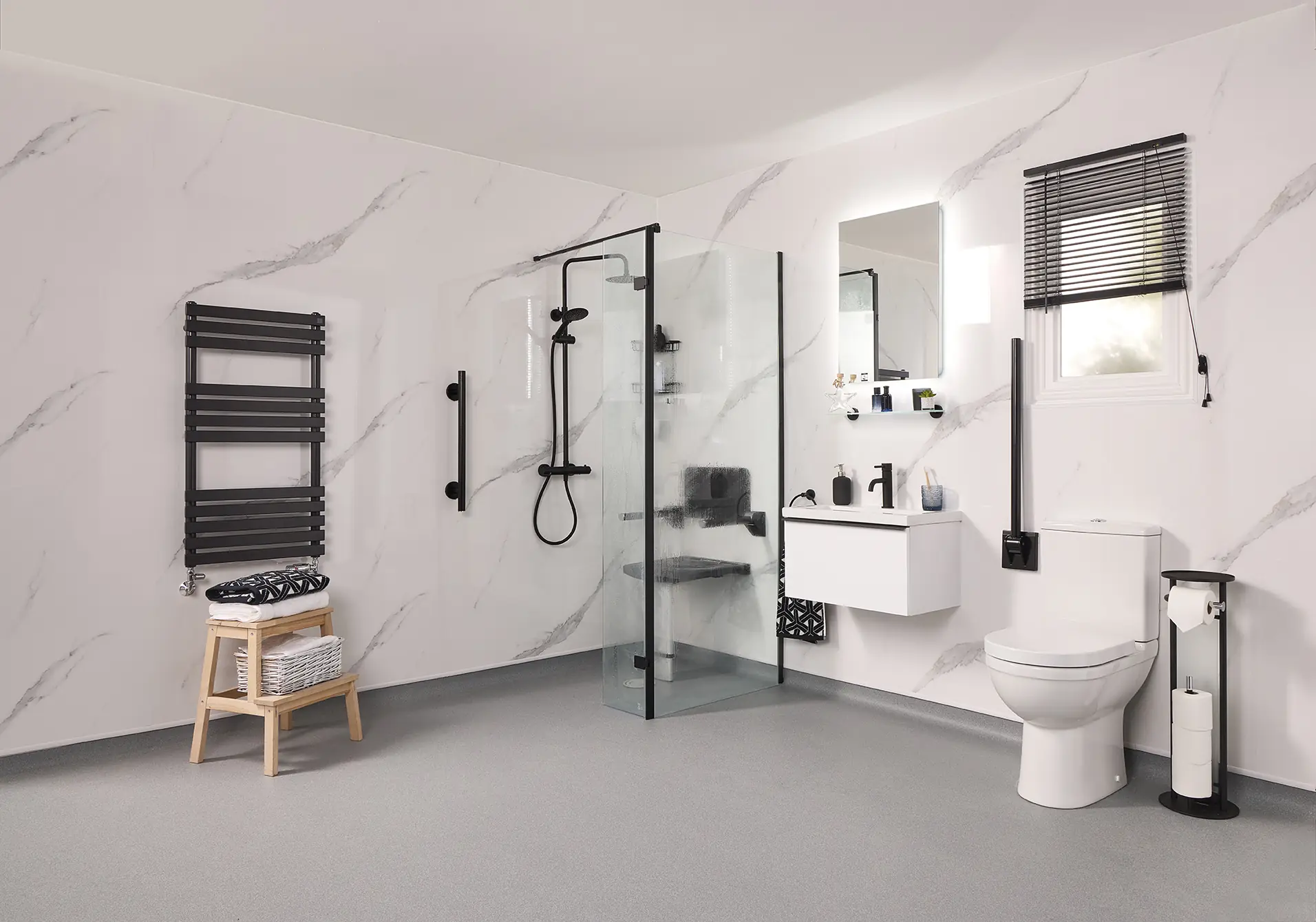

When developing a wet space, recognizing floor slopes is essential, as they play a key duty in water drainage and overall capability. A correct gradient routes water toward the drainpipe, making certain reliable circulation and reducing standing water. It's important to comply with building requirements, as they dictate specific incline demands, normally around 1-2%. This not only affects drain yet additionally influences the area's acoustic performance; a properly designed slope can lower sound from water circulation, producing a peaceful setting. In addition, consider products that boost both drainage and sound absorption, striking an equilibrium between appearances and practicality. By realizing these concepts, you're setting the foundation for a magnificently functional wet space that satisfies all needed guidelines.
While you may not consider it initially, proper floor slopes are essential for boosting security in wet rooms. These gradients help direct water efficiently toward drains, noticeably decreasing the threat of water pooling. When water gathers, it creates unsafe conditions that can lead to unsafe slips and drops. By making sure the best incline, you're not simply taking care of water circulation, yet also advertising the effectiveness of non-slip surface areas. These surface areas work best when they're kept dry and free from standing water, enabling risk-free activity. Buying accurate floor slopes is a positive step toward developing a secure atmosphere, making your wet area a safer room for every person that uses it.
Though typically forgot, the slope of your damp area flooring plays a crucial function in exactly how efficiently water recedes. Correct slope optimization warranties effective drain, producing circulation networks that assist water towards the drainpipe. Here's just how it influences your room:
A well-graded floor in a wet area not only guarantees reliable drain however also improves the general aesthetic allure of the space. By creating aesthetic connection, the slope effortlessly overviews the eye throughout the space, making it really feel much more large and natural. You'll locate that various materials can be utilized to emphasize this effect; for circumstances, pairing textured floor tiles with smooth coatings introduces a striking material comparison that adds deepness and interest. The refined slope can additionally highlight layout attributes, like sophisticated components or unique lights. With thoughtful combination of gradients, your wet space transforms right into a harmonious mix of functionality and appeal, welcoming a sense of tranquility and class that boosts the entire experience.
Accepting slopes in damp room design not just boosts aesthetic appeals however also improves maintenance. With the best slope, you'll discover regular cleansing ends up being a breeze, stopping water pooling and minimizing mold development. Below's just how gradients assist:
With these benefits, maintaining your wet area ends up being a simple task, enabling you to focus on leisure instead of upkeep.
To measure the floor gradient properly, you'll want to use a laser degree. Establish it up at one end of the location, after that mark your tile inclines at various factors. You'll see where the laser line intersects the tiles, giving you a clear sight of the gradient. Adjust your markings until you achieve the wanted slope. This technique assurances precision, making it simpler to develop a risk-free and useful wet space.
For wet area floors, slip-resistant ceramic tiles are crucial; researches reveal they can decrease slip mishaps by approximately 80%. You'll intend to pick materials that can stand up to dampness, like porcelain or ceramic floor tiles, which are both resilient and trendy. Pair these with water-proof membrane layers to ensure a leak-proof seal, avoiding leaks and mold development. This mix not only boosts safety and security but likewise includes a smooth touch to your damp space layout.
You can install a damp room without expert assistance, but beware of DIY challenges. It's necessary to comprehend waterproofing and drainage systems-- getting those incorrect can cause expensive repair work. Many assume they do not require permits, however that's a typical myth; always examine regional policies. If you're certain in your abilities and going to invest time, a do it yourself damp area can be a gratifying project, just approach it with care and complete research.
Slopes can substantially impact water temperature in damp rooms. When you produce an incline, it minimizes thermal stratification, enabling a much more also temperature distribution. https://actonbathroomfitters.co.uk/shower-installation.html Without proper slopes, warm water might stick around on top, creating uneasy draft patterns. This can result in cool spots that interrupt your experience. By guaranteeing a well-designed slope, you'll delight in a consistent, cozy ambiance while showering, making your wet room a more inviting room.
Yes, there're regulations about flooring slopes in damp areas. You have actually obtained to see to it correct drainpipe positioning to facilitate water circulation, preventing merging. A minimum slope of 1-2% is frequently recommended. This not only aids water drain successfully however also improves slip resistance, reducing the threat of mishaps. When designing your damp room, keeping these regulations in mind will certainly produce a safer, much more useful space while ensuring conformity with regional building regulations.