


|
|
|
|
|
|
|
| Chaney Link | profile | guestbook | all galleries | recent | tree view | thumbnails |
A bathroom door can stick after brand-new flooring is fitted as a result of a number of factors. Increased floor covering height might lower clearance, causing the door to drag or bind. Wetness absorption can cause wood to swell, further hindering performance. Additionally, misaligned joints might contribute to the trouble. Regular changes and examinations can assist preserve door operation. Understanding these underlying reasons will guarantee your door operates smoothly, and you'll discover efficient services to avoid future concerns.
When you install new floor covering, it can cause your washroom door to stick for several factors. One typical issue is flooring swelling, which often takes place when dampness seeps into the new material, causing it to expand. This swelling can increase the floor covering elevation, lowering the threshold clearance needed for your door to swing openly. If the door was originally fitted to suit the previous flooring elevation, the included thickness from the new floor covering can lead to rubbing versus the door frame. In addition, if the flooring isn't installed uniformly, it can produce unequal surface areas that additional hinder door motion. Guaranteeing proper threshold clearance throughout installment can avoid these sticking problems and maintain very easy accessibility to your washroom.
Although you may not assume about it typically, floor covering elevation can considerably impact a door's capability. When brand-new flooring is installed, the adjustment in height can impact the door's swing, especially at the flooring junction areas. If the floor covering is thicker than the previous product, you might experience concerns with threshold clearance. A door that previously cleared the flooring may now stick or scratch, triggering frustration. This can be particularly recognizable in shower rooms where room is restricted. It's important to analyze the height distinction after floor covering installment and make any needed changes, such as trimming the door or changing the hinges, to assure smooth operation and prevent damages. Proper limit clearance can greatly boost both capability and visual appeals.
Moisture can significantly affect door efficiency, especially in moisture-prone areas like bathrooms. High humidity degrees often result in seasonal swelling of wooden doors. As the timber absorbs dampness, it broadens, making it most likely to stick against the structure or flooring. This growth can be intensified by inadequate ventilation, which catches humidity and protects against the wood from drying properly. Alternatively, during clothes dryer months, the door might contract, potentially resulting in spaces and misalignment. Preserving consistent ventilation can assist alleviate these results, guaranteeing your door runs efficiently year-round. Consistently examining the moisture levels in your washroom and changing ventilation can appreciably improve door performance and durability.
Swelling due to humidity isn't the only factor your restroom door could stick. Imbalance of the door pivots can likewise play a substantial function. If the joint placement is off, even a little, it can create the door to massage versus the framework or flooring. In time, this imbalance can intensify, resulting in additionally sticking problems.
To look for imbalance, observe how the door swings. If it doesn't pivot efficiently, a pivot change could be essential. Loosen the joint screws, reposition the door, and after that retighten. This simple change can restore proper alignment and functionality. Routine maintenance of your hinges assists assure smooth operation and prevents future sticking problems, specifically after new flooring is installed.
If your shower room door sticks after brand-new flooring, you can fix the concern with a couple of straightforward changes. Begin by effectively lining up the door hinges, then take into consideration cutting the sides of the door if needed. Ultimately, inspect the floor progressing to make sure it's not creating the door to capture.
Adjusting door joints can typically assure the issue of a sticking restroom door, particularly after brand-new floor covering setup. Beginning by examining the screws on the hinges; if they're loosened, just tighten them with a screwdriver. This can aid realign the door and lower friction against the floor. If the door still sticks, consider making use of joint shims. These slim pieces can be placed behind the hinge to change the door's position a little. Location shims on the top or lower joint, depending upon where the door binds. Always examine the door after each adjustment to guarantee smooth procedure. With these basic solutions, you can achieve an appropriately working washroom door without much inconvenience.

Even after appropriately changing hinges, a bathroom door may still stick as a result of new floor covering height changes. In such cases, cutting the door edges can be an effective solution. You can make use of routing edges for an exact cut, ensuring the door opens and closes efficiently. Bevel fining sand the edges can likewise help in reducing rubbing against the brand-new flooring.
Here's an easy guide to trimming door edges:
| Step | Devices Needed | Summary |
|---|---|---|
| Measure | Tape step | Action the sticking location. |
| Mark | Pencil | Mark where to cut. |
| Cut | Router or saw | Cut sides using the best device. |
| Sand | Sandpaper | Smooth edges with bevel sanding. |
These actions can aid remove the sticking issue and bring back performance.
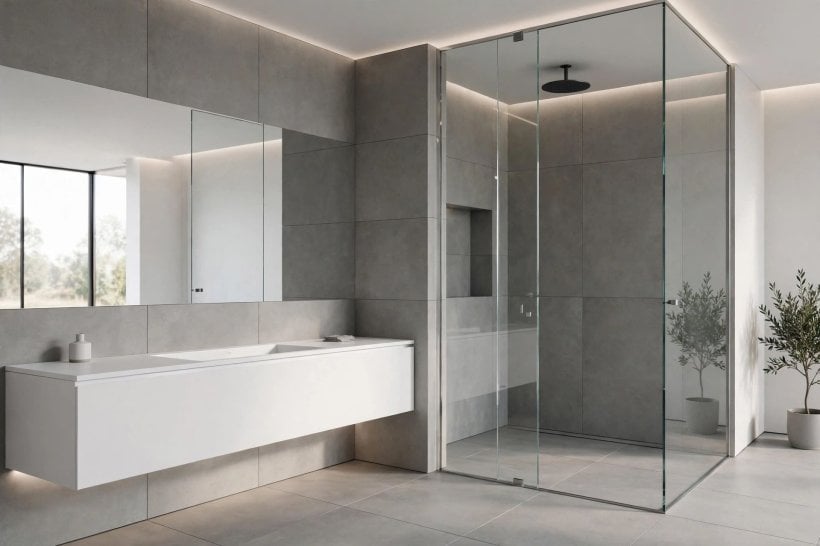
After mounting new flooring, checking the flooring leveling is essential to fixing a sticking shower room door. Begin with a subfloor evaluation to determine any kind of floor abnormalities that may have created throughout the setup procedure. Use a degree tool to examine the surface; if you discover dips or bumps, maybe triggering your door to stick. If the floor isn't degree, you may need to add underlayment or readjust the flooring to accomplish a smoother surface. In many cases, shimming the door structure can also help. By resolving these concerns, you'll not just improve your door's performance however additionally enhance the general look of your bathroom. Routine upkeep can prevent future sticking troubles.
To make sure your bathroom door does not stick after flooring installation, it's necessary to represent adjustments in elevation and placement that often happen with new floor covering. Applying a couple of precautionary procedures can help maintain threshold clearance and decrease sticking. Right here's exactly how:
Carrying out the precautionary steps stated earlier aids keep your bathroom door functioning smoothly, yet ongoing maintenance is key to making certain these fixes remain efficient with time. Frequently inspect the door and pivots for any type of signs of wear or misalignment. Readjust the joints as needed to preserve correct clearance. Furthermore, track any guarantees associated to your flooring or door hardware; this can conserve you costs on repairs or substitutes. You must additionally use lubricating substances occasionally to joints and tracks to stop rust and sticking. Keeping a maintenance log can assist you remain on top of these jobs, making certain long-term upkeep is executed consistently. By being positive, you'll substantially decrease the possibilities of your restroom door sticking once more.
Yes, you can change your door without specialist assistance. Start by examining the hinges; hinge tightening up may be all you require. If the door still sticks, consider trim shaving. Use a plane or sander to thoroughly eliminate product from the door's side or the trim up until it turns freely. https://ladbrokegrovebathroomfitters.co.uk/wet-room-installation.html Constantly make tiny adjustments and examination regularly to prevent exaggerating it. With a bit of persistence, you can accomplish a smooth operation!
To repair a sticking door, you'll require a couple of devices. As an example, if your door's rubbing versus the framework, grab a sanding block to smooth the sides. If it's as well tight at the bottom, a utility knife can assist cut any kind of excess material. Before starting, see to it you have a screwdriver for any essential modifications to the hinges. With these devices, you can easily settle the sticking problem yourself. https://ladbrokegrovebathroomfitters.co.uk/shower-installation.html
It usually takes a couple of days to a number of weeks for a door to work out after new flooring is fitted. The settling duration can differ based upon factors like moisture and temperature, which trigger seasonal movement in products. During this duration, you could discover adjustments in how the door swings or fits. If it doesn't enhance, you might require to check for any kind of blockages or consider minor changes to the door itself.
Yes, moisture degrees can most definitely affect your door year-round. Seasonal swelling because of dampness can lead to unwanted sticking. Poor air flow influences just how much humidity your area keeps, causing timber to expand or agreement. To combat this, ensure your bathroom's well-ventilated and take into consideration making use of a dehumidifier. On a regular basis check and preserve your door's fit to alleviate any kind of concerns caused by varying moisture, making sure smooth operation throughout the seasons.
Yes, it's typical for doors to stick after flooring setup. When you mount brand-new flooring, floorboard development can take place, particularly with adjustments in moisture. This may decrease the trim clearance around your door, creating it to rub or stick. To repair this, you could need to change the door's height or trim the sides for correct clearance. Making certain ample growth gaps during setup can help avoid this problem in the future.